Pick the neighborhood first: that single decision will determine whether hauling extra bags becomes a manageable part of your Osaka trip or a daily annoyance. If you want short transfers to major train lines and airport links, choose an area with easy station access even if rooms are smaller. If you plan to sort or store luggage in your room and prioritize space, pick a quieter district where hotels offer larger rooms or suites, even if you walk a bit farther to the busiest transit hubs. This article gives the practical choice up front, then walks through the tradeoffs — neighborhood fit, how much daily route friction to accept, what the room needs are for your party, and the booking terms to verify before you hit reserve. By the end you should be able to shortlist one or two areas to search live inventory on your chosen booking site (Trip.com or others) with clear priorities in mind.
Check live stays in the areas that fit
Use your dates and party size to compare current rooms after you narrow the neighborhood fit.
Neighborhood fit: choose by transfer style, not by sightseeing list
Start by mapping how you’ll move with your luggage. If you plan to arrive by airport express and want minimal transfers, staying near major hubs like Namba, Umeda (Kita), or Shin-Osaka simplifies arrival and departure logistics. These neighborhoods cluster transit options, so taxi or shuttle rides are shorter and train transfers may be fewer, which reduces the strain of dragging bags across multiple platforms. Expect tradeoffs: hotels directly adjacent to big stations often have smaller standard rooms because land and demand push properties to maximize room count.
If your priority is space to unpack, consider quieter residential or business districts such as Tennoji, Awaza, or areas slightly off the main lines where hotels occupy larger footprints and can offer bigger rooms or suites. These neighborhoods may add a 10–25 minute walk or a single metro ride to central attractions, but the extra room can be valuable if you’re staying several nights, travelling with a family, or need to sort gear. Choose the neighborhood that matches how often you’ll tolerate moving heavy bags versus how important larger private space is.
Choose an area-selection strategy
| Area approach | Best for | Tradeoff to check |
|---|---|---|
| Stay next to major stations (Umeda/Namba) | Arrivals and departures with minimal transfers | Smaller room footprints and more crowded public spaces |
| Choose quieter districts (Tennoji/Awaza) | Larger rooms and calmer hotel surroundings | Slightly longer walks or an extra local transit hop to central spots |
| Book hotels near airport express stops | Direct access for early/late flights with heavy luggage | May be farther from evening dining and nightlife areas |
| Pick hotels with explicit luggage services | Frequent leave-return days and oversized items | Fewer location options and sometimes higher room rates |
Daily-route friction: predict typical days and bottlenecks
Visualize an average day: moving from hotel to station, platform changes, and last-mile walks to attractions. Busy hubs like Namba and Umeda are convenient but can be crowded; moving luggage through busy underground passages and station stairs (or crowded elevators) increases friction. If you’ll be using the trains multiple times per day, prioritize hotels with direct station access, clear elevator routes, or dedicated hotel entrances. Verify whether your chosen station has step-free movement and where elevators are placed relative to line transfers.
If your days mix sightseeing with shopping or business stops, calculate where you’ll most frequently return at the end of the day. A longer initial walk from a quieter neighborhood becomes less painful if you tend to return in the evening and avoid peak-hour crowds. Also consider taxi availability at night and how much luggage adds to taxi costs or driver reluctance—small streets in older neighborhoods can complicate pickups. Planning typical routes in advance helps you pick an area that minimizes repeated bottlenecks rather than a one-time convenient arrival.
Now compare like with like
Keep the same dates, guests, room needs, and cancellation preferences while you compare the final choices.
Room and party needs: size, layout, and luggage-friendly features
List how many bags, what types (hard suitcases, garment bags, equipment), and whether you need open floor space. For two to three large suitcases, a standard compact hotel room common in central Osaka will feel cramped; search for room types that explicitly state dimensions, twin-plus sofa setups, or suites that offer separate living areas. Connecting rooms or family rooms are convenient for groups—confirm whether doorways are wide enough and whether rooms offer flexible bedding. If you must store bulky gear, request information on in-room closet sizes and luggage racks before booking.
Amenities that matter with luggage include elevator proximity, luggage trolleys, porter or bell service, and the hotel’s luggage storage policy (timing, fees, and liability). Book properties that describe step-free access from street to elevator when mobility or heavy bags are involved. When comparing options, ask the hotel how they manage early arrivals and late departures if you’ll arrive before check-in or leave after check-out; some hotels will hold bags, but verify any time windows or charges on the provider’s booking page before finalizing.
Hotel booking check before payment
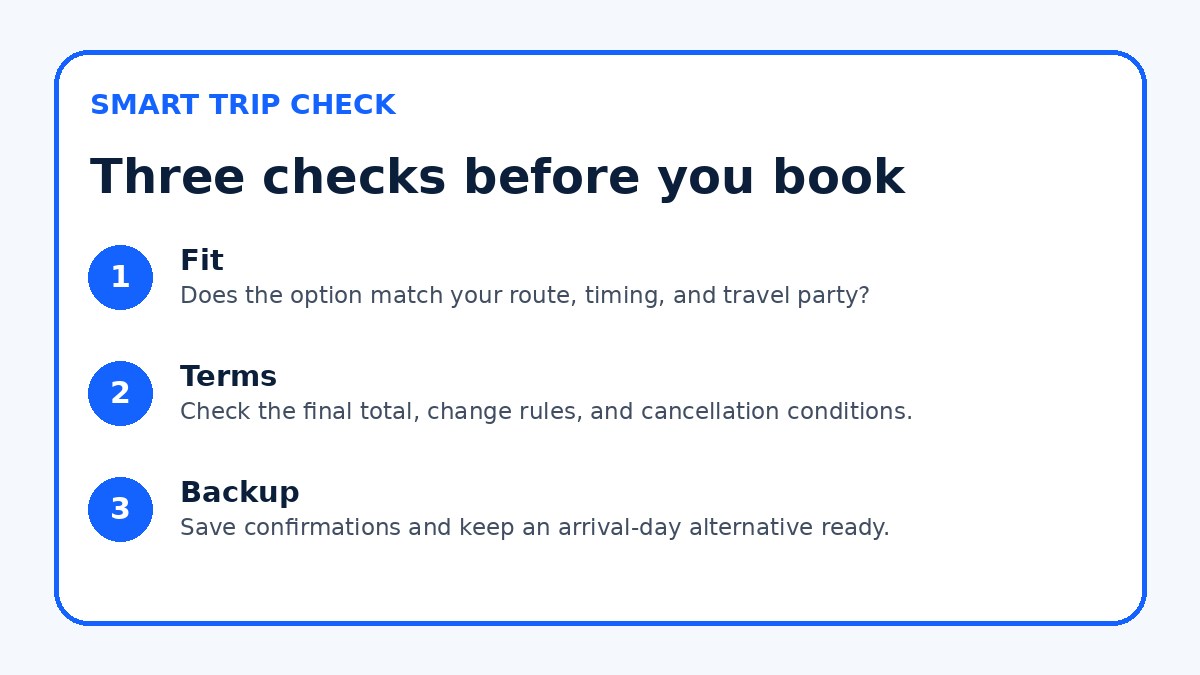
- Map your arrival route and count transfers: choose a hotel area that minimizes platform changes with luggage.
- Filter search results for room size or square footage and compare at least two room types per hotel.
- Confirm elevator access from street to room floor and ask the hotel for elevator locations if unclear.
- Ask the property about luggage storage hours, oversized item policies, and any associated fees before booking.
- Check whether the hotel offers porter service or trolleys and whether that service is complimentary or paid.
- Compare taxi drop-off/pick-up locations and access for vehicles if you’ll use taxis with heavy bags at night.
Final booking terms: what to verify before you reserve
On the booking page, explicitly check several items: whether the room dimensions are listed, the number and size of beds, whether elevators reach the room floor, and the availability of luggage storage. Don’t assume porter service is included—read the property’s amenities list and recent guest comments for mentions of bell staff or paid porters. Confirm cancellation policies, check-in windows, and whether the hotel charges for early luggage drop-off or oversized item storage; these operational details change often and must be confirmed at booking.
Also verify how the hotel communicates after booking: a clear policy on late arrivals, directions with elevator locations, and any notes for taxi drop-off points reduce confusion on arrival. If you’ll compare inventory across providers, ensure the room type and bedding configuration match exactly between sites. Trip.com can be used as one place to compare current availability and conditions, but always confirm the final terms on the hotel’s booking page or your chosen reseller before completing the purchase.
Hotel Guide questions travelers ask
Is it better to stay near Umeda or Namba with lots of luggage?
Both Umeda and Namba are excellent for minimizing transfer steps because they concentrate train lines and airport connections. If your priority is straightforward arrivals and ease of taxi pickups, choose whichever hub places you closest to the airport express or the line you’ll use most. Be aware that hotels immediately adjacent to those stations tend to have smaller room sizes; if personal space is a strong requirement, weigh a slightly quieter nearby street or a hotel a few blocks away that advertises larger rooms. Always confirm elevator positions and check-in logistics on the hotel’s booking page before reserving.
What room features should I prioritize when traveling with bulky equipment?
Seek rooms with open layout descriptions, separate living areas or suites, and confirmed closet/luggage rack details. Look for explicit mentions of connecting rooms, wide doorways, and floor plans when possible. Verify whether the hotel provides luggage trolleys, bell service, and whether elevators reach the exact floor. If the booking page doesn’t give enough detail, contact the property directly to ask about storing equipment and any liability or timing rules they apply to oversized items.
Can I rely on hotels in Osaka to store luggage before check-in or after check-out?
Many hotels will hold luggage outside standard check-in/check-out windows, but policies vary by property and can change. Before you book, check the property’s stated luggage storage policy and any timing or size restrictions on the booking page. Ask whether storage is complimentary, how long items can be held, and whether the hotel needs items labeled or insured. If you have particularly valuable or bulky items, get written confirmation from the hotel and consider buying short-term storage through a dedicated service if the hotel’s terms aren’t suitable.
Final decision note
For travelers with extra luggage, the single most helpful planning move in Osaka is choosing a neighborhood that matches how you move. If reducing transfers and saving time matters most, prioritize hotels near major hubs like Umeda, Namba, or Shin-Osaka even if rooms tend to be smaller. If having space to unpack or accommodate a family is the priority, choose quieter districts with larger rooms and accept slightly longer walks or short metro rides. Always verify elevator access, luggage services, room dimensions, and storage policies on the property’s booking page before confirming. With a neighborhood shortlisted and these checks done, you’ll be ready to scan live inventory confidently and pick the right room type for your luggage needs.
Continue planning
Check current options and final conditions
Use the provider page to confirm live availability, the final total, cancellation terms, and every condition that matters to your trip.
This evergreen planning guide was created with AI-assisted drafting and a structured quality review. It does not display live prices, schedules, availability, visa guidance, or provider rankings. Verify current details before booking. Some links are affiliate links; we may earn a commission at no additional cost to you.