Practical choice: take the train for relaxed scenery and legroom; take a coach for fewer transfers and flexible drop-off points; combine modes to balance time and cost. For couples, the right option depends less on raw speed and more on how you want to travel together: do you want uninterrupted privacy, frequent schedule options, or minimal door-to-door hassle? This article compares the main practical approaches—intercity rail, regional coach, ferry-plus-land connections, and mixed-mode planning—so you can weigh terminal fit, luggage friction, timing flexibility, and disruption backups. You’ll find clear tradeoffs for each approach plus an end-to-end checklist for pairing the journey with hotel arrangements and local transfers. If you want to compare live schedules and availability, check provider booking pages or a broad search site such as Trip.com before finalising plans.

Terminal fit and door-to-door practicality
Start by mapping exactly where each terminal drops you and how you’ll reach your arrival accommodation. A station or coach hub near a central neighbourhood reduces taxi or rideshare time; a remote ferry terminal can add an extra transfer leg that changes the trip’s overall convenience. For each option, note typical taxi ranks, rideshare availability, and whether hotels offer transfers or easy tram/train connections. Couples should prioritise a simple last-mile plan when booking—late arrivals or heavy luggage amplify friction, so a short walk or single transfer beats multiple connections.
Terminal facilities matter for comfort and coordination. Look for waiting areas, accessible restrooms, luggage storage or porter services, and places to sit together if one partner needs to rest. If either traveller has mobility needs, verify accessible vehicle boarding and that transfers use low-step vehicles or elevators. When you compare options, place equal weight on how seamless your arrival to the hotel will be as you do on the travel time between cities.
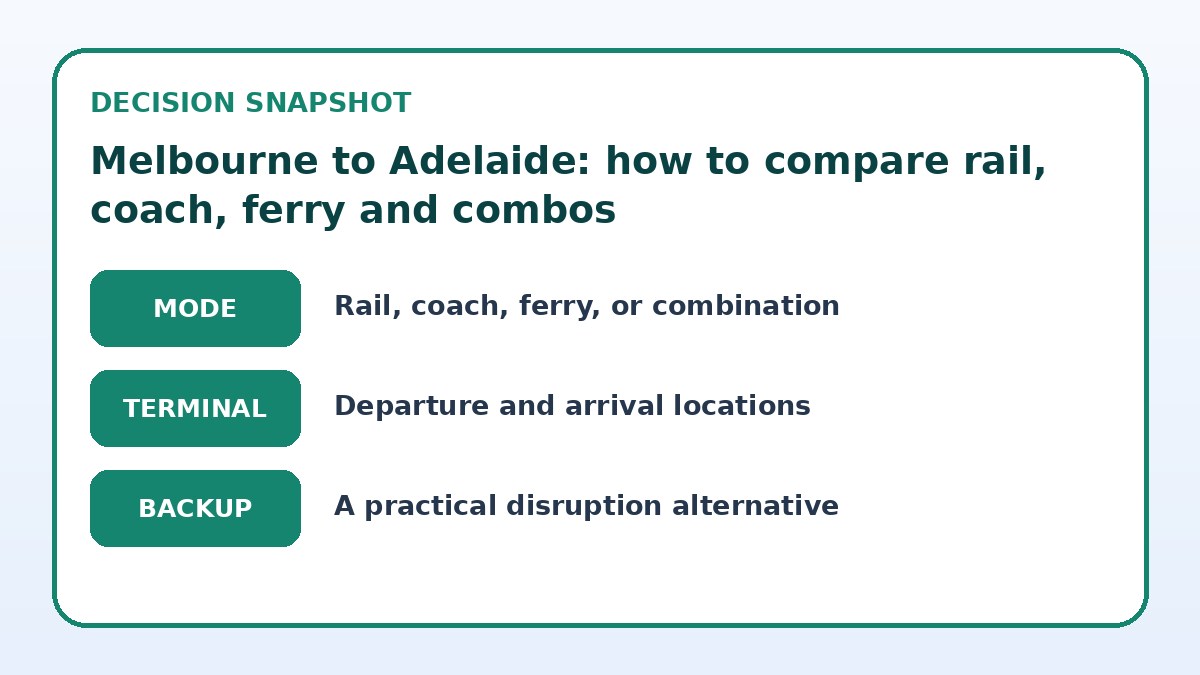
Choose the end-to-end journey plan
| Journey approach | Best for | Friction to check |
|---|---|---|
| Train-first: direct or single-connection rail travel | Couples who prioritise space, comfort, and fewer baggage handlings | May have fewer departures and potentially longer door-to-door time if terminals are out of town |
| Coach-first: direct long-distance coach services | Couples seeking frequent departures and simpler point-to-point transfers | Less personal space and more rigid luggage loading; comfort reduces on longer routes |
| Ferry-plus-land connections: scenic with extra logistics | Couples who want a relaxed, scenic leg and don’t mind extra transfers | Adds transfer points and timing sensitivity; more luggage handling and potential weather delays |
| Mixed-mode planning: combine rail, coach or hire vehicle | Couples balancing flexibility, comfort, and precise arrival times at hotels | Requires careful coordination, more bookings to manage, and clear backup plans for missed links |
Check live intercity options
Look beyond the ride itself and compare terminals, transfers, luggage, and arrival fit.
Luggage, transfers and personal comfort
How you plan to pack and move will change the ideal choice. Trains usually allow bulkier luggage without repeated handling, while coaches sometimes have strict luggage bays and manual loading—meaning you may not be next to your bags during the journey. Ferries and mixed itineraries add handling points: you disembark, collect luggage, then re-check it for the next leg. For couples, consolidating items into one checked bag and one carry-on per person reduces transfer stress and keeps essential items close at hand.
Consider couple-specific comfort: rail seats often allow two people to sit facing each other or in adjacent reclining seats for sleeping, while coach seating is denser and less flexible. If one partner needs to stretch or walk frequently, the train’s aisles and carriages provide more freedom. For overnight travel, check whether sleeping options, reclining seats, or quiet carriages are offered and how that compares to the combined inconvenience of multiple short segments on buses or ferries.
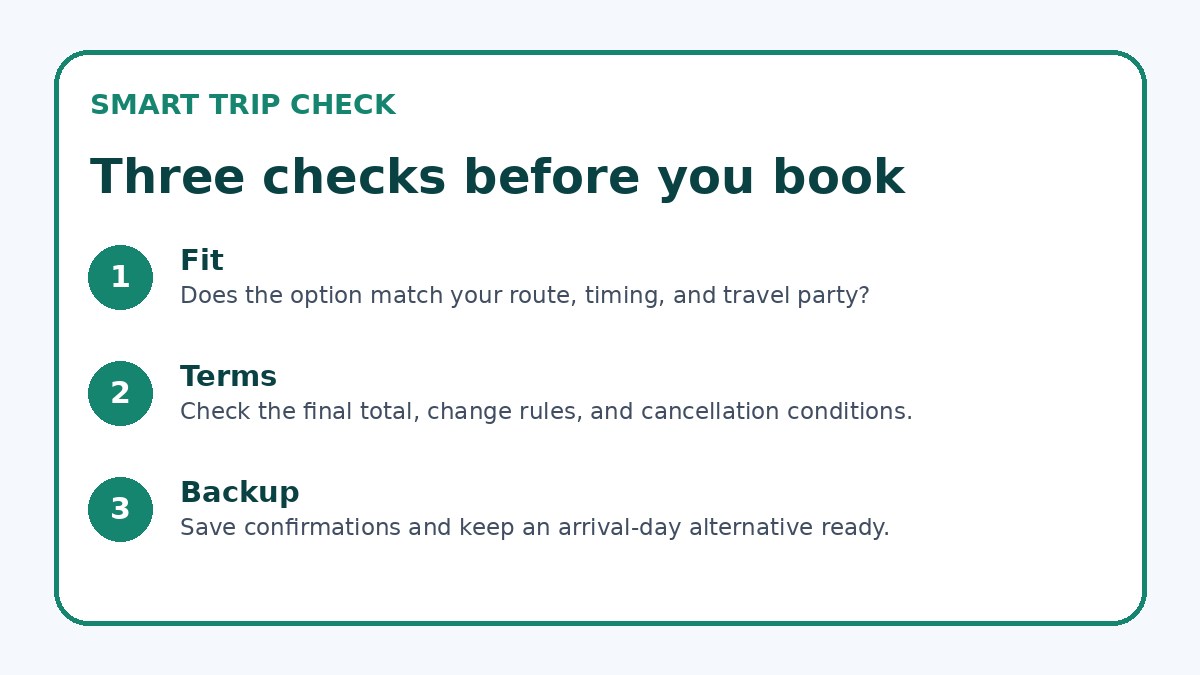
Timing flexibility and planning buffers
Schedules, frequency, and how tolerant each mode is to delays are vital. Coaches may offer more frequent departures across the day; trains can be less frequent but provide wider seats and more space. Ferries are subject to weather and tide considerations that add variability. Couples should plan itineraries with buffer time at each end—arrival time matters for dinner reservations, hotel check-in windows, or catching a connecting service. When comparing options, align preferred departure windows with likely arrival windows at your final accommodation rather than just the travel duration.
Also build contingency time for common travel hiccups: traffic to the terminal, queueing to check luggage, or local transport strikes. If you’re coordinating with a hotel transfer or a sightseeing plan immediately after arrival, choose an option with predictable terminal facilities and a clear backup. Where possible, book flexible fares or refundable components for at least one leg so you can change plans without cascading penalties should a disruption occur.
Compare the practical alternatives
Use the final page to confirm what is actually offered on your dates and save a workable fallback.
Intercity travel checklist
- Map arrival and departure terminals and note nearest rideshare/taxi ranks along with tram or train links to your hotel.
- Pack one easily reachable bag with essentials (meds, documents, change of clothes) and keep it with you during transfers.
- Confirm luggage allowances and handling procedures on each provider’s booking page before purchasing tickets.
- Schedule at least 60–90 minutes buffer between a planned arrival and any time-sensitive activity at your destination.
- Book flexible or refundable options for at least one leg when possible, and screenshot confirmations for offline access.
- Divide responsibilities: one partner manages navigation and bookings, the other watches luggage and local transfers.
Disruption backups and what to verify before booking
Always have a simple backup plan: know the nearest alternative departure point, the rideshare and taxi options at each terminal, and a nearby hotel if you must stay overnight unexpectedly. For ferries and mixed itineraries, check how late you can realistically arrive and still make the next connection. Before booking any leg, verify live schedules and conditions on the provider’s booking page and confirm luggage allowances, transfer desk locations, and accessibility options. Trip.com can be used to compare availability, but confirm terms and final rules on the operator’s official site.
If you rely on a single provider for a connecting itinerary, check their policies for missed connections and rebooking. For intermodal trips, keep digital and printed copies of confirmations and a local SIM or roaming data so you can get real-time updates. For couples, split responsibilities—one person monitors bookings and confirmations while the other handles luggage and navigation—so you have a smoother response if plans change.
Rail & Intercity Transport questions travelers ask
How do I decide between train and coach for comfort and privacy as a couple?
Think about how you want to spend the journey: trains usually give more room to move, stretch and sit facing each other, so they’re better if you value privacy and comfort. Coaches are denser, which is fine for daytime travel or if you prioritise more frequent departures and simpler station layouts. Consider whether you’ll need to sleep or work en route—trains are usually superior for those needs. Finally, weigh the door-to-door time: a coach that drops you closer to your hotel could feel more convenient despite less onboard space.
Is combining a ferry with land travel worthwhile for couples?
A ferry can add a scenic highlight, but it also introduces extra transfer steps: disembarkation, luggage handling, and a new departure point for the next leg. That’s manageable if you have relaxed timing and prefer varied travel experiences. For tight schedules or heavy luggage, a direct coach or train is often more practical. If you choose a ferry leg, verify the terminal’s onward transport options, check luggage policies, and build generous buffer time between segments to cover delays or slow transfers.
What should we verify on booking pages before committing to tickets?
On each provider’s official booking page confirm the exact departure and arrival locations, luggage allowances and any size/weight restrictions, cancellation and change policies, and accessibility or special-assistance options. Also check boarding requirements (time to arrive before departure) and whether you need printed or digital tickets. If you have connecting legs sold separately, verify whether the operator offers protection for missed connections or if you should purchase flexible tickets to avoid penalties.
Final decision note
For couples planning Melbourne to Adelaide travel, the best choice depends on what you value most: sustained comfort and space (train), frequent departures and direct point-to-point routing (coach), scenic variety with extra logistics (ferry), or a carefully coordinated mix of modes. Prioritise door-to-door practicality—terminal location, last-mile transfers, and luggage handling often change the lived experience as much as seat comfort or travel time. Build buffers, verify provider terms on booking pages, and have a concise backup plan for transfers and accommodation. Use the comparative rows and checklist above to match your preferred travel style and share responsibilities so the trip runs smoothly for both partners.
Continue planning
Check current options and final conditions
Use the provider page to confirm live availability, the final total, cancellation terms, and every condition that matters to your trip.
This evergreen planning guide was created with AI-assisted drafting and a structured quality review. It does not display live prices, schedules, availability, visa guidance, or provider rankings. Verify current details before booking. Some links are affiliate links; we may earn a commission at no additional cost to you.