If your family can be flexible by a few weeks, planning a Melbourne trip around the shoulder seasons—those weeks between peak summer and quiet winter—usually makes the most difference to crowds, accommodation choices, and attraction comfort. The practical move is to target mid-autumn or early spring windows when daylight is kinder and major family attractions are less busy than in school-holiday peaks. You’ll need to balance milder weather against the occasional unpredictable shower, and accept that every tradeoff affects whether you prioritise outdoor parks or indoor museums and dining. This guide helps you choose the right shoulder-season window for your family, what to compare when booking, and the things to check on provider pages before you confirm any deal.
Choosing which shoulder window fits your family
Start by mapping your family’s non-negotiables: school-term restrictions, outdoor-play needs, stroller or car-seat logistics, and any mobility considerations for grandparents. If outdoor time and park playtops are essential, lean toward early spring when gardens and playgrounds are coming alive. If you prefer indoor museums, aquariums, and calmer dining, mid-autumn can offer cooler days that make indoor plans pleasant and less rushed. Consider how many travel days you can realistically spend in transit; shorter commutes favor packing more activities into Melbourne’s compact city layout.
Next, overlay those preferences with practical constraints like local school holidays at both origin and destination, and any pre-existing event dates you want to avoid. Look up major local events or university exam periods that can swell short-term demand; these can turn a typical shoulder day into a busy one. Finally, gather input from family members — children’s energy rhythms, nap schedules, and adults’ tolerance for walking vs. public transport will shape whether you pick earlier or later shoulder slots.
Where to stay: neighbourhoods and family-friendly lodging
For families, location drives daily convenience. Choose accommodation near what your kids (and parents) will use most: if you plan long park days, a home base near the Royal Botanic Gardens or inner suburbs with playground clusters reduces transfers. If museum and aquarium days dominate, staying closer to the central city shortens travel times. Look for lodging that lists family amenities — kitchenettes, laundry, and interconnecting rooms — but verify these features on the provider’s final booking page because property descriptions can change.
When comparing properties during shoulder seasons, prioritise flexible cancellation terms, clear sleeping arrangements, and reviews that mention family stays. Don’t assume breakfast is included; check meal options and nearby casual eateries suitable for picky children. If you need parking for a rental car or easy tram stops for a family buggy, confirm those specifics directly with the property before booking. Trip.com can be one place to compare availability and conditions, but always verify the final terms on the owner or hotel’s own page.
| Approach | Best for | Tradeoff to check |
|---|---|---|
| Book early in the shoulder window | Families who prefer choice and predictable rooms | Fewer last-minute discounts and limited flexibility if plans change |
| Wait for late shoulder-season offers | Flexible families who can shift dates on short notice | Risk that specific room types or family suites are gone |
| Choose central city base | Families prioritising short transfers and indoor attractions | Often smaller living space and less outdoor play area |
| Choose suburban or park-side base | Families wanting larger rooms and easy outdoor access | More commuting time to central attractions and dining |
Transport and getting around with kids in shoulder months
Melbourne’s public transport covers trams, trains, and buses that suit families without a car, but with children you’ll weigh the convenience of door-to-door car travel versus the ease of tram stops close to attractions. During shoulder seasons, timetables are often normal but occasional maintenance or special events may alter services; check operator pages when you book. If you consider hiring a car for day trips along the coast or to family-friendly regional spots, compare the number of transfers, parking needs, and car-seat rental availability—each adds time and cost and affects daily energy for kids.
Plan journeys in short segments with obvious break points: playgrounds, cafes, or indoor play centres that can reset cranky moods. Pack a lightweight stroller and a small day bag with snacks, spare clothes, and a portable charger. If travelling between states or by long-distance train or bus, compare direct and connecting options for total door-to-door time, and double-check seat layouts and bathroom facilities on provider pages to make an informed choice for children.
Before you book
- Confirm school-term dates at home and in Victoria to avoid overlapping peak travel times.
- Verify bedding layout, cot availability, and any extra-bed fees on the property’s booking page.
- Check public-transport status and any scheduled maintenance for your travel dates on operator websites.
- Request written confirmation of included meals, parking, or shuttle services before final payment.
- Compare at least two alternative properties or packages for the same dates to assess true value.
- Pack a day kit with layers, a compact umbrella, snacks, and a small first-aid kit for shoulder-season variability.
Booking deals, tradeoffs, and what to verify before paying
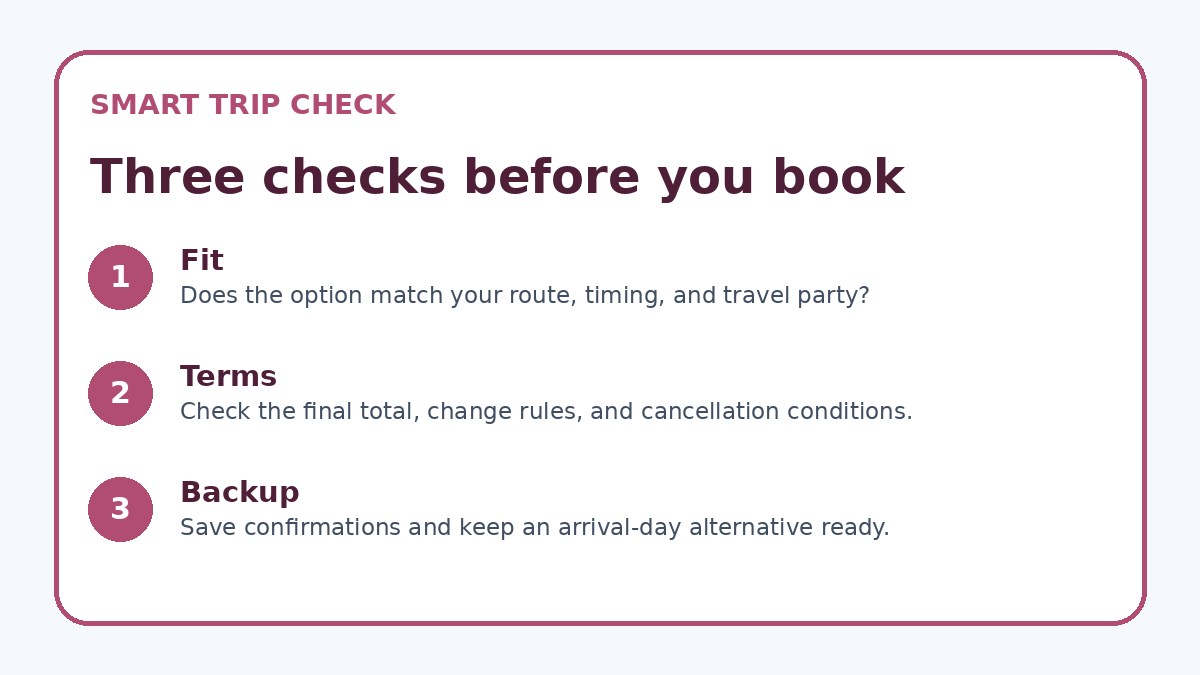
Shoulder seasons can mean more visible deals on family rooms, longer-stay discounts, or room upgrades — but offers are conditional. Before you click confirm, verify what is actually included: bedding configuration, meal options, taxes or resort fees, and cancellation windows. Because providers sometimes change policies, check the booking page for the exact refund conditions, any prepayment requirements, and whether extra beds or cots are charged separately. If you rely on transfers or organised tours, confirm pick-up points and child-size equipment availability.
Think about tradeoffs: a cheaper property further out may save money but increase travel time and daily fatigue; a centrally located apartment can reduce commuting but might lack play space. Consider the value of paid extras like flexible cancellation, free breakfast for kids, and late checkout. If you see a package that looks right, compare it with at least two other options and read recent family reviews for practical, on-the-ground insight.
Frequently asked questions
Are Melbourne shoulder-season trips actually better for families?
Shoulder-season trips can be quieter than peak school holidays, which often means shorter queues at major family attractions and easier restaurant seating. The weather tends to be milder than winter but more variable than peak summer, so plan flexible days that combine indoor and outdoor options. Whether a shoulder-season trip is 'better' depends on your family’s tolerance for weather unpredictability, appetite for outdoor play, and need to travel during school terms. Weigh these factors and choose the window that matches your priorities.
How far in advance should families book accommodation in a shoulder season?
If you require specific features — adjoining rooms, a kitchenette, guaranteed cot or large family suites — book as early as possible within the shoulder period to secure those options. For families with more flexibility, waiting a few weeks closer to travel can surface last-minute offers, but this risks availability for larger rooms. Always compare cancellation and change policies: flexible rates cost more but protect your plans, while tighter advance-purchase rates can save money if your dates are fixed.
What are simple daily routines to make shoulder-season Melbourne easier with kids?
Structure days around one main activity—such as visiting an aquarium, park, or museum—and leave afternoons open for rest or indoor play if the weather turns. Start mornings early for outdoor play before possible showers and reserve late afternoons for calm activities near your accommodation. Keep meals flexible by noting family-friendly cafés near planned stops, and use public-transport breaks to introduce low-key sightseeing on the move. Small routines like consistent snack times and a wind-down hour help manage energy on variable-weather days.
Final planning note
Planning Melbourne around shoulder seasons gives families a rewarding balance of lower crowding and more accommodation choices, but it requires honest choices about weather tolerance, transport logistics, and activity priorities. Start by matching your family’s must-haves—outdoor play, short transfers, or museum-heavy days—to the shoulder window that best supports them. Compare central versus suburban bases, prioritise verifiable family amenities, and always confirm terms like bedding, parking, and cancellation on the provider’s booking page before paying. With a little flexibility and a short checklist, shoulder-season travel can make a family Melbourne trip smoother, calmer, and more enjoyable.
Continue planning
Check current options and final conditions
Use the provider page to confirm live availability, the final total, cancellation terms, and every condition that matters to your trip.
This evergreen planning guide was created with AI-assisted drafting and a structured quality review. It does not display live prices, schedules, availability, visa guidance, or provider rankings. Verify current details before booking. Some links are affiliate links; we may earn a commission at no additional cost to you.