If you’re traveling to or from Melbourne with young children and more than a couple of suitcases, the practical choice is to pick an airport transfer that matches the size of your group and the volume of luggage, not the lowest headline fare. For many families that means pre-booking a larger taxi or private transfer with car seats, or combining public transport for short city stays where stations and trams are stroller-friendly. Decide first whether door-to-door convenience, cost control, or flexibility with stops matters most, then compare options on that criterion. Before completing a booking, check vehicle capacity, child-seat policies, luggage allowances, and where the driver will meet you — verify these details on the provider’s final booking page.
Decide what matters for your family
Start by listing needs: number of adults, children, the ages of kids (infant, toddler, school-age), pushchair or pram type, and count of checked bags. Include non-negotiables such as a car seat for a toddler, a quiet ride for napping children, or the ability to stop en route for groceries or a bathroom break. Sorting priorities helps you quickly eliminate transfer options that won’t work — for example, compact rideshares that won’t fit three suitcases plus a stroller, or public trains with stairs that are hard with a heavy pram.
Also think about the first and last mile at your accommodation: some city hotels have easy drop-off zones and elevators; some short-term rentals require walking down stairs. If mobility is an issue or you have a newborn, prioritize door-to-door services or pick a hotel with formal meet-and-greet areas. This front-loaded decision saves time and stress at arrival, and makes it easier to compare like-for-like when you get quotes from taxis, private transfers, rideshares, or public transport.
Transfer options and how to compare them
Private transfers and taxis offer door-to-door service and a single price for your group, and can be booked with larger vehicles or child seats on request. Rideshares provide flexible pickup but check whether the app allows specifying extra luggage or requesting a people-mover vehicle. Public transport (SkyBus, trains, trams, buses) can be excellent if your group travels light and your accommodation is near a stop — but you’ll need to manage luggage on stairs and through busy platforms, which is tougher with toddlers and bulky prams.
When comparing choices, use three simple criteria: space (people + luggage), convenience (door-to-door vs. walking), and control (ability to make stops or adjust pickup). Get written confirmation of vehicle size and seat types. If comparing prices, factor in the cost and stress of transferring luggage between modes, the value of saved time, and whether child seats are included or must be supplied by you. Consider checking availability and provider details on a comparison site such as Trip.com, but always verify specifics on the provider’s booking page before payment.
| Approach | Best for | Tradeoff to check |
|---|---|---|
| Private transfer with vehicle for families | Groups needing door-to-door service, space for strollers and multiple suitcases. | Higher cost and must confirm car-seat availability; verify vehicle size and luggage allowance on the booking page. |
| Taxi or rideshare (larger vehicle option) | Families seeking flexible pickup without pre-booking, for moderate luggage counts. | Availability of large vehicles and car seats is not guaranteed; check app options and driver policies when requesting. |
| Public transport plus short taxi | Light packers staying near CBD tram or train stops who prioritize cost over convenience. | More transfers and stairs to manage with children and prams; evaluate station accessibility before choosing this. |
| Hotel meet-and-greet with porter | Families staying at hotels that offer concierge service and easy drop-off points. | Not all hotels provide porters or immediate pickups; confirm hotel pickup procedures and potential wait times beforehand. |
Practical tips for luggage, strollers and car seats
Pack strategically: use one large suitcase and several soft bags that tuck into gaps in trunks or vans, and keep essentials — nappies, snacks, a change of clothes, and a lightweight blanket — in a carry-on for quick reach. A compact travel stroller that folds easily and can be carried over luggage is a huge convenience through terminals and onto public transport. If your pram is bulky, check whether the transfer provider will help fold and store it in the vehicle; many private drivers will assist but policies vary and should be confirmed at booking.
For child restraints, never assume a provider will have the exact type you prefer. Ask whether the car seat offered is suitable for your child’s age and weight and whether it is licensed and installed by the driver. If you prefer your own, bring a portable travel car seat or ISOFIX-compatible seat if you can manage it with your luggage. For infants, consider a carrier or capsule that’s airline-approved; note that airline-provided car seat policies and transfer provider policies are separate — verify both.
Before you book
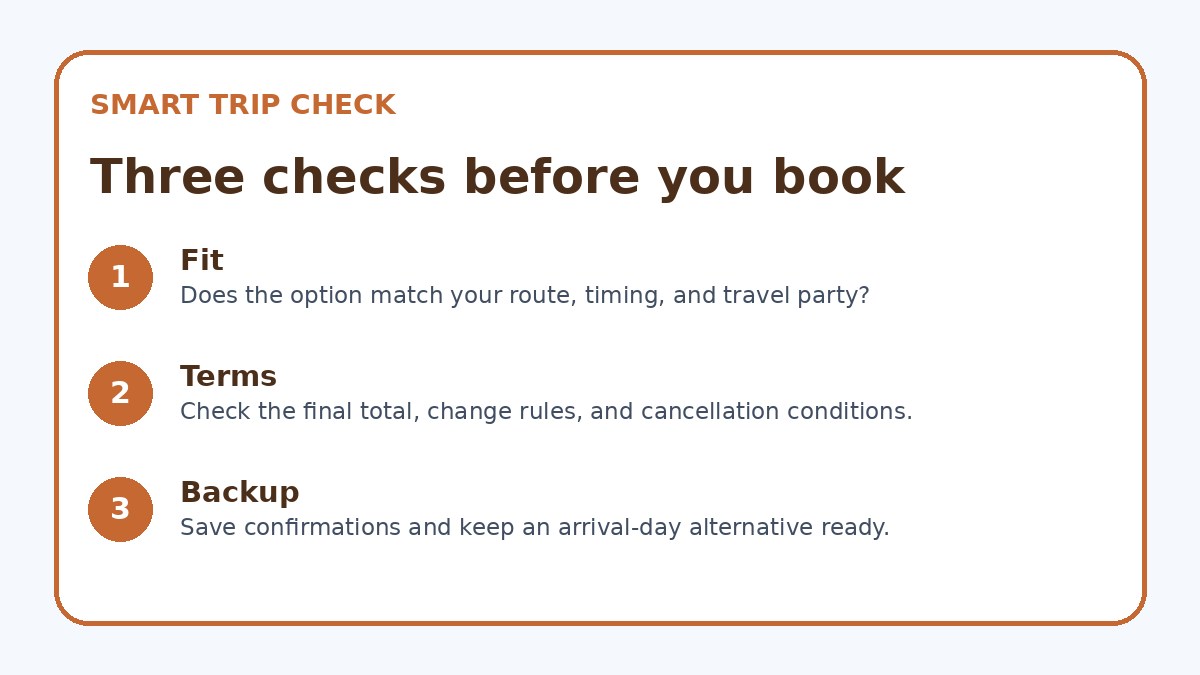
- Confirm number of seats, vehicle type, and trunk space with the transfer provider on their booking page before paying.
- Request and document the exact child car seat type and installation responsibility (driver or family) in writing.
- Pack essential items (meds, nappies, snacks, paperwork) in a carry-on that stays with you, not checked luggage.
- Measure pram/stroller dimensions and verify if it needs to be folded for the vehicle or checked at the curb.
- Communicate the exact terminal, baggage claim zone, and a phone number to the driver and hotel concierge.
- If using public transport, check station accessibility (elevators, ramps) and plan the route from stop to accommodation.
Arrival and departure strategies to reduce stress
On arrival, aim for a simple meeting plan: take the first or a later arrival in your group, choose a clear meeting point (baggage hall, a numbered curb spot), and text the driver exact flight and baggage details. Allow extra time for customs and toddler meltdowns — factor this into pickup windows rather than aiming for tight timing. If you have to split transportation (for example, some family members on a shuttle, some in a private car), make a written plan so everyone knows where they are going and who has which luggage.
For departures, pack the night before and place the stroller and car seats by the door to speed loading. Share your pickup location and terminal information with the driver and the hotel concierge, and confirm any luggage handling help. If you’re leaving early or late when public transport runs less frequently, pre-book a private transfer. Finally, keep an easy-to-reach small bag with documents, medication, and snacks — these turn a tight transfer into a manageable one when schedules are tight.
Frequently asked questions
Can I bring a stroller and multiple suitcases on Melbourne airport transfers?
Yes, many family-oriented transfers accommodate strollers and several suitcases, but capacity varies by vehicle. Before booking, confirm the vehicle model or size, trunk dimensions or stated luggage allowance, and whether the driver will help fold and store the stroller. If you’ll need extra room, request a people-mover or a van specifically; the booking page for the provider should show acceptable vehicle categories or let you message them directly. If you can’t confirm in advance, plan for a second vehicle or bring a compact travel stroller to reduce space needs.
Do transfer providers in Melbourne supply child car seats?
Some private transfer companies and taxis can supply child seats, but policies differ and some jurisdictions require advance notice. Always ask the provider to confirm the seat type (rear-facing, forward-facing, booster) and whether it matches your child’s age and weight. If the provider cannot supply an appropriate seat, bring a certified travel seat or portable option. When booking, note that the provider’s booking page usually lists seat availability or offers an option to add a child seat — verify this detail on that final page to avoid surprises at pickup.
Is public transport a good option with young children and luggage in Melbourne?
Public transport can be economical and efficient if you travel light and your hotel is close to a tram or train stop with lifts. However, stations with stairs, crowded trams or peak-hour services make it cumbersome with pushchairs and heavy bags. If you choose public transport, plan routes that use accessible stations, allow extra time for boarding, and use a compact, foldable stroller. For door-to-door convenience or late-night/early-morning journeys, a booked private transfer or taxi may be the smoother choice.
Final planning note
Choosing the right Melbourne airport transfer for a family is about matching vehicle capacity and convenience to your children’s needs and luggage, not simply chasing the lowest fare. Work back from your priorities — car seats, stroller handling, door-to-door service, or cost — and get confirmation of vehicle size, seat availability, and pickup logistics on the provider’s final booking page. For many families the small extra cost of a bigger vehicle or pre-booked private transfer is worth the reduced stress and time saved. If you want to compare current options quickly, you can look at aggregator sites like Trip.com, but always validate the specific vehicle and child-safety details with the operator before you book.
Continue planning
Check current options and final conditions
Use the provider page to confirm live availability, the final total, cancellation terms, and every condition that matters to your trip.
This evergreen planning guide was created with AI-assisted drafting and a structured quality review. It does not display live prices, schedules, availability, visa guidance, or provider rankings. Verify current details before booking. Some links are affiliate links; we may earn a commission at no additional cost to you.