Practical answer first: for most families traveling to Melbourne, book a prearranged airport transfer (private shuttle or rideshare with child-seat options) if you value door-to-door convenience and minimal juggling. If you prefer lower cost and don’t mind a short walk with luggage, combine the airport bus or shuttle to the nearest train station and then a tram or train into the central city. Trains and public transit are reliable for family-sized groups who can manage luggage and prams, but a private transfer avoids transfers and waiting. Below I’ll explain how to compare those choices, what to check before booking, and how to plan with babies, toddlers and older children in mind.
See current options before you compare the details
Availability and final conditions change. Open Trip.com now or keep reading for the practical comparison.
Deciding quickly: pick based on time, luggage, and kids’ needs
Start by deciding your top priority: door-to-door ease, lowest out-of-pocket cost, or avoiding transfers. Families with infants or very young children often favour a prebooked private transfer because it removes carrying a pram through stations or racing between connections. If you’re arriving late or want to reach a specific family-friendly hotel without a taxi hunt, a private vehicle saves time and stress. Conversely, families on a tighter budget who are comfortable folding a stroller and managing suitcases may find public transit perfectly workable and reliably frequent.
Also factor in flight arrival time, how tired the kids will be, and whether you’re carrying bulky baby gear. If your flight lands during peak tourist times, transfers that promise a fixed pick-up window reduce the chance of a long wait; but if you land midday when public services run frequently, a train or express bus might be nearly as fast. For multi-stop shared shuttles, check the number of drops — multiple stops can add significant time, which matters if children are jet-lagged or hungry.
Private transfer vs rideshare: comfort and simplicity
Private transfers and rideshares give families the simplest door-to-door experience. They eliminate carrying prams through stations or combining luggage with public ticketing. For families who value predictable meet-and-greet service, a private transfer can include a driver waiting inside arrivals, assistance with luggage, and space for car seats when requested. Before you book, confirm how many child seats are available, whether the provider supplies them or you must bring your own, and the exact pick-up point at the terminal — these details are often on the provider’s booking page.
Rideshare apps are convenient if you can secure a vehicle that fits your group and baggage. However, supply and car size can vary, and a standard rideshare may not accommodate multiple suitcases and prams. If using a rideshare, choose the correct vehicle size option and message the driver about child-seat requirements if needed. For both private transfers and rideshares, read the cancellation and waiting-time rules on the booking page so you know how late arrivals or flight delays are handled.
| Approach | Best for | Tradeoff to check |
|---|---|---|
| Private pre-booked transfer | Families needing door-to-door convenience and minimal transfers | Higher cost compared with public transit; must verify child-seat availability and pick-up details |
| Rideshare or taxi | Smaller families who want direct transport without prebooking | Vehicle size and child-seat availability vary; potential wait times during busy periods |
| Shared airport shuttle | Medium-sized families balancing cost and convenience | Multiple stops can increase travel time; luggage and seat policies vary by operator |
| Public train + tram | Budget-conscious families comfortable with short walks and managing prams | May require transfers and handling luggage; check station accessibility and service times |
Ready to check the option that fits your plan?
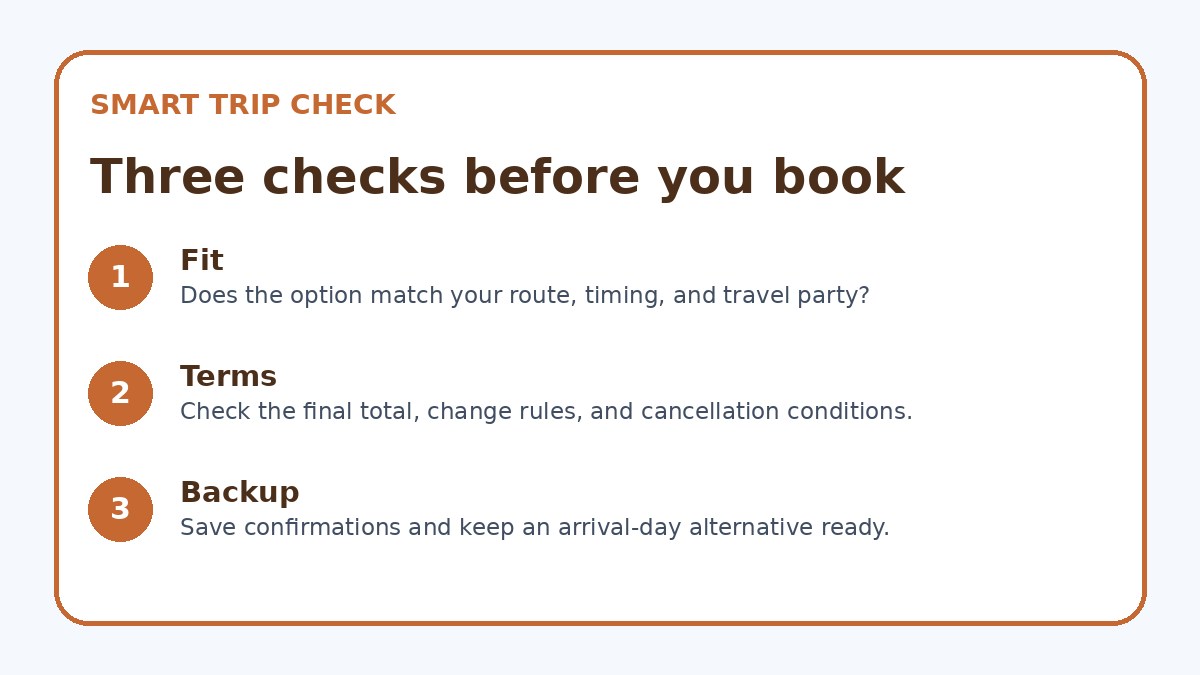
Use your exact dates and traveler details so the provider page can show the current total and conditions.
Shuttle buses and shared transfers: cost-effective for medium groups
Shared airport shuttles and scheduled buses reduce cost compared with private cars, and they often run frequently enough to be convenient. For families with older children who find it easy to sit through additional stops, shuttles can be a practical compromise: they deliver to multiple hotels or central drop-off points without the premium of a private transfer. Check luggage allowances per passenger and confirm where the shuttle boards at the terminal; some services require a short walk from arrivals to the shuttle pick-up zone.
The main trade-off is time. Shared services may make several stops, and that can extend travel time compared with a direct taxi or private transfer. If your family has one parent managing bags while the other watches children, consider whether multiple stops are acceptable. Also confirm child-seat policies for shared vehicles: some shuttles cannot legally or practically fit multiple fitted seats, so verify whether seats are included or if you must bring your own and whether that’s feasible.
Before you book
- Confirm child-seat availability and the exact installation policy on the provider’s booking page before you reserve.
- Measure or estimate luggage and stroller volume, then choose a vehicle size that safely fits every item and passengers.
- Note the terminal pick-up point and the driver meet-up instructions, saving the provider’s contact number for arrival changes.
- If taking public transit, verify station accessibility (lifts/ramps) and plan the least-change route to your accommodation.
- Pack a compact travel stroller or carrier that can be folded quickly for trains and shuttle aisles.
- Allow buffer time in your itinerary for delays, extra stops, and time needed to tend to tired or hungry children.
Public transit: trains and trams when you want the city experience
Melbourne’s public transport network is extensive, and for families traveling light it’s often the most straightforward way into the central city. Trains and trams tend to have level access, room for strollers, and frequent services during the day. If you choose public transit, plan your end stop to be near your accommodation to avoid carrying luggage long distances. Also check whether a single-seat journey or a transfer between train and tram is required; each change adds complexity when managing children and baggage.
Public transit reduces cost and provides a predictable schedule, but it does require some planning: ensure prams fold where needed, note whether your station has lifts or ramps, and pick less-busy times if you want seats together. For families with small children, aim for direct services with minimal walking. Finally, verify ticketing methods and whether contactless payment methods will work for visitors; check provider pages or Trip.com for current availability and final booking conditions.
Frequently asked questions
What’s the easiest way to get from Melbourne Airport to the city with a baby?
The easiest option is a prearranged private transfer that includes a confirmed child seat and a driver who meets you at arrivals. That removes the need to carry a pram through stations or make connections with a newborn. Before booking, verify the seat type and whether it’s appropriate for your child’s age and weight on the provider’s booking page. If you prefer lower cost, check scheduled airport shuttles that offer direct hotel drops but confirm how many stops the shuttle makes and the stroller policy.
Are trains and trams practical for families arriving at Melbourne Airport?
Trains and trams can be practical for families who travel light and are comfortable folding a stroller for short platform or aisle transitions. They often run frequently and serve central locations near many family-friendly neighbourhoods. However, public transit may require a transfer or a short walk from the airport hub to your final stop, so choose routes with the fewest changes. Always check station accessibility information, planned works or service changes, and ticketing options on the transit provider’s site before you travel.
How should I compare shuttle, rideshare, and private options before booking?
Compare expected door-to-door time, total number of stops, luggage allowances, and child-seat policies. Look at provider cancellation terms and how they handle flight delays. For each option, verify on the final booking page whether child seats are included or extra, what counts as a stop (hotel drop vs curbside), and whether there are extra fees for oversized luggage. You can consult Trip.com to compare current availability and booking conditions, but always confirm details on the operator’s own booking confirmation.
Final planning note
Choosing the right Melbourne airport transfer for your family comes down to balancing convenience, cost, and how much luggage and baby gear you’re bringing. If reducing hassle and transfers matters most, a private prebooked transfer or a correctly sized rideshare is the simplest path; if cost is the priority and you can manage strollers and bags, public transit or a shared shuttle will work well. Whatever you select, verify child-seat availability, terminal pick-up instructions, and luggage limits on the provider’s booking page before you commit. A little preparation at the airport end makes the first family hours in Melbourne far smoother and sets the tone for a relaxed city stay.
Continue planning
Check current options and final conditions
Use the provider page to confirm live availability, the final total, cancellation terms, and every condition that matters to your trip.
This evergreen planning guide was created with AI-assisted drafting and a structured quality review. It does not display live prices, schedules, availability, visa guidance, or provider rankings. Verify current details before booking. Some links are affiliate links; we may earn a commission at no additional cost to you.