
Practical answer up front: for most couples planning a typical leisure visit to London, aim to book flights and major hotels 8–12 weeks before departure if you want the best balance of choices and reasonable rates; if you need peak-season dates, specific rooms, or weekend theatre stays, move that window to 3–6 months. If you travel off-peak and are flexible on exact dates or accommodation type, 3–6 weeks can work. The right window depends on how flexible you can be about dates, how important exact neighbourhood or room features are, and whether you want refundable options. Below I unpack the tradeoffs, how to compare options, and a step-by-step checklist so you and your partner can pick the booking approach that matches your priorities and risk tolerance.
See current options before you compare the details
Availability and final conditions change. Open Trip.com now or keep reading for the practical comparison.
Deciding the booking window that fits your priorities
Start by agreeing with your partner which factors matter most: precise travel dates, neighbourhood, hotel type (boutique vs chain), refundable flexibility, or saving the last possible penny. If you both value certainty—fixed dates, a specific hotel or a particular evening at the theatre—lean toward an earlier booking window. For those who prize saving and flexibility over brand or exact dates, a later window can work but requires active monitoring and readiness to commit quickly when an appealing option appears. Couples should also account for how much time they need to coordinate work schedules, travel documentation, and any special requests with hotels.
Next, translate those priorities into concrete timing. Reserve popular weekend or bank-holiday trips sooner because short-stay availability and desirable rooms fill first. For longer stays or weekday travel, you can often wait a little longer without significantly reducing options. Factor in high-demand seasons—summer, school breaks, and Christmas—when the sensible window stretches. Finally, assign roles: one partner tracks fares and alerts, the other confirms calendars and any trip logistics like coordinated leave; having clear responsibilities speeds decisions when a suitable deal appears.
How to compare price risk versus flexibility
When you evaluate offers, separate headline price from the true cost. Two options with the same headline fare can differ widely by baggage fees, seat selection charges, and cancellation terms. Nonrefundable rates often look attractive but reduce your options if plans shift. If you value the freedom to change dates without heavy penalties—useful for couples whose work schedules could change—prioritise refundable or flexible tickets and hotel rates even if they cost a bit more. Always open the provider’s final booking page to verify total price, baggage allowances, cancellation rules, and any change fees before you commit.
Weigh the probability of needing to change plans against the premium for flexible options. If both of you can lock in leave and have no high chance of disruption, a lower-cost nonrefundable fare may be acceptable. If one partner’s work or health situation is unstable, the extra cost for a refundable option could be worthwhile. Consider travel insurance that covers trip interruption if you choose cheaper nonrefundable fares, and check whether a credit card provides protections. Quantify the tradeoff: how much extra are you paying for peace of mind, and does that align with your couple-level risk tolerance?
| Approach | Best for | Tradeoff to check |
|---|---|---|
| Book early (3–6 months) | Couples needing specific dates, rooms, or event tickets | Higher price risk and less advantage from last-minute discounts |
| Moderate window (8–12 weeks) | Most couples wanting a balance of choice and price | May miss highly limited rooms or sold-out performances |
| Late booking (3–6 weeks) | Flexible couples willing to accept alternative dates or hotels | Fewer options and potentially higher peak prices |
| Very late / last-minute (under 3 weeks) | Spontaneous travellers with flexible schedules | Risk of limited availability, inconvenient times, or nonideal neighbourhoods |
Ready to check the option that fits your plan?
Use your exact dates and traveler details so the provider page can show the current total and conditions.
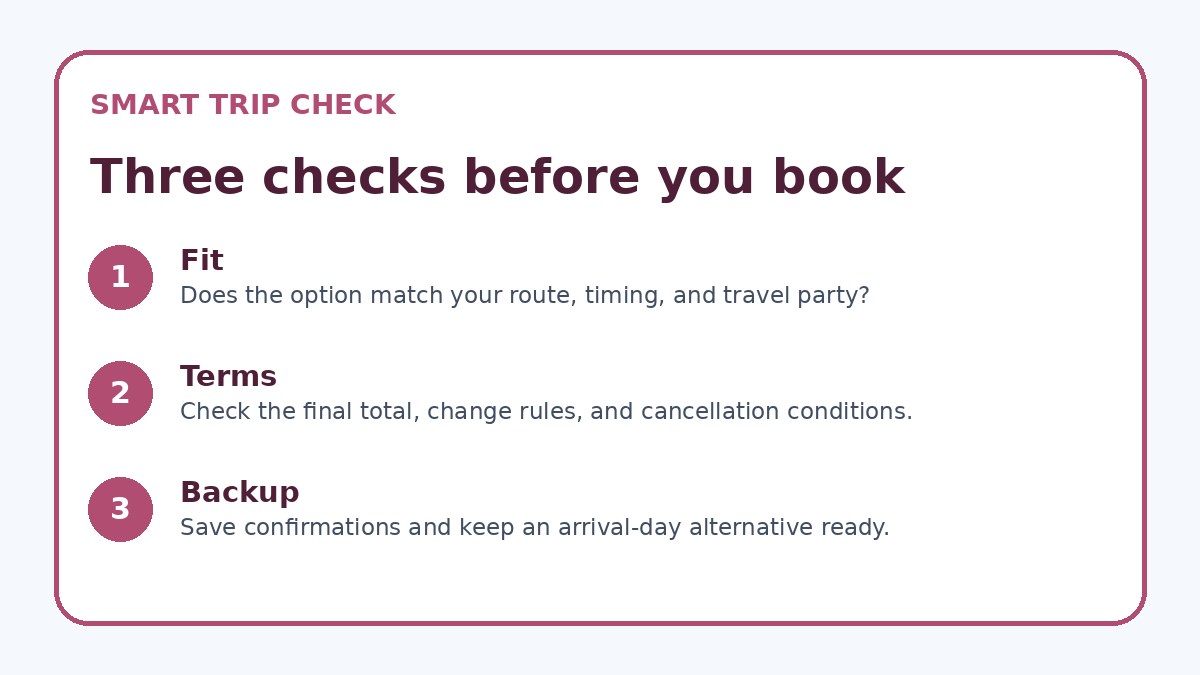
Timing strategies for flights, hotels, and theatre or event tickets
Flights: for transcontinental or busy short-haul routes into London, start monitoring fares early and set price alerts. Booking 8–12 weeks ahead usually secures a solid mix of seat choices and prices for couples, but if you need specific flight times or direct routings, plan for earlier. When comparing direct versus connecting options, weigh total journey time, connection reliability, and the potential savings. If a cheaper connecting itinerary saves significant money and both partners are comfortable with the extra travel time, it’s a reasonable tradeoff; otherwise prioritise direct schedules and book earlier to maintain options.
Hotels and theatre: hotel availability in preferred neighbourhoods (South Bank, Covent Garden, Kensington) tightens earlier for weekend stays; reserve 3–6 months ahead if you need a particular hotel or room type. For West End shows or major events, book as early as tickets release or when your dates are locked—popular performances and date-specific venues can sell out well before travel time. If you prefer travel packages, compare standalone bookings versus packaged fares carefully, and verify cancellation, changeability, and what’s actually included before you pay.
Before you book
- Agree on nonnegotiables (dates, neighbourhood, refundable policy) before you start searching together.
- Set fare and hotel alerts on at least two comparison services and share watchlists between you.
- Compare total cost on the provider’s final booking page, including taxes, baggage fees, and cancellation terms.
- Decide who will finalize the booking and set a firm deadline to avoid losing a good option.
- If choosing nonrefundable rates, evaluate travel insurance and credit-card protections for cancellations or delays.
- Confirm logistics (airport transfers, check-in times, room configuration) with the hotel or provider after booking.
Practical steps and tools couples should use when deciding
Use fare and hotel alerts, shared watchlists, and a joint decision timeframe so one partner doesn’t accept a deal without the other’s input. Set up alerts on at least two services so you don’t miss significant moves; Trip.com can be used as one source to compare current availability, but always confirm terms on the provider’s final booking page. Keep a simple spreadsheet or shared notes with preferred dates, acceptable airports, hotel neighbourhoods, and nonnegotiables such as bed configuration or wheelchair access. That makes comparing offers quick when a good window appears.
When the deal appears, run a final checklist: confirm total price (including taxes and fees), read cancellation and change policies word-for-word, verify baggage and seat rules if flying, and check whether the hotel charges local taxes or deposits at check-in. Make sure both partners have the same understanding of tradeoffs—if one accepts a nonrefundable rate, the other should know the potential consequences. Finally, decide on a firm decision deadline so you don’t lose a good option by delaying, and schedule a short call or message at that time to finalize the booking together.
Frequently asked questions
How far in advance should couples book London for peak season or holidays?
For peak season or major holidays, many couples find booking earlier reduces stress because demand for specific hotels and short-stay weekend dates rises well in advance. If you need a particular neighbourhood, a certain room type, or want to attend a popular West End show, aim to start researching and securing bookings several months ahead. At the same time, monitor prices and set alerts while you wait—sometimes packages or room releases appear closer to travel time. Whatever the timing, always verify cancellation policies so you know your options if plans change.
Is it better for couples to pick refundable rates or take cheaper nonrefundable fares?
It depends on your tolerance for risk. Refundable rates cost more but protect couples if one partner’s plan changes; nonrefundable fares save money but can leave you exposed if dates shift or a disruption occurs. Assess the likelihood of needing to change plans—work obligations or health concerns raise that likelihood—and compare the price difference to the value of that protection. If you choose nonrefundable fares, consider purchasing trip-interruption insurance and confirm what your credit card or the provider covers; always read the full terms on the booking page before committing.
How should couples compare direct and connecting flights into London?
Compare total door-to-door travel time, connection reliability, and overall cost. Direct flights reduce travel complexity and the chance of missed connections, which many couples favour for short trips. Connecting flights can save money but add layover time and increase the risk of delays affecting your arrival plans. When evaluating options, check minimum connection times, potential overnight layovers, and whether luggage transfers are guaranteed. Always confirm total journey length and connection specifics on the airline’s booking page before purchasing to avoid surprises.
Final planning note
Choosing a realistic booking window for London travel deals comes down to aligning risk tolerance with what matters to both partners. If specific dates, neighbourhoods, or event tickets are priorities, start earlier; if flexibility and squeezing down costs are higher priorities, a later window can work—but it requires active monitoring. Use alerts, shared decision rules, and a short checklist so you can act quickly when the right option appears. Finally, before you click confirm, always verify total cost and cancellation terms on the provider’s final booking page so there are no unwelcome surprises after you’ve decided together.
Continue planning
Check current options and final conditions
Use the provider page to confirm live availability, the final total, cancellation terms, and every condition that matters to your trip.
This evergreen planning guide was created with AI-assisted drafting and a structured quality review. It does not display live prices, schedules, availability, visa guidance, or provider rankings. Verify current details before booking. Some links are affiliate links; we may earn a commission at no additional cost to you.