If you’re a solo traveler planning Las Vegas, the main practical choice is usually location versus room comfort — and you can make a predictable trade. Pick a Strip-front hotel and you’re a short walk from shows, casinos and nightlife, but expect more noise, crowds, and rooms optimized for short stays. Choose a hotel a few blocks off-strip or in a quieter neighborhood and you’ll get more restful rooms and often more space, at the cost of longer walks or a short ride to main attractions. Before you book, decide which daily moments matter most: late-night walks and casino convenience, or uninterrupted sleep and a comfortable room to recharge. This article gives clear decision criteria, explains tradeoffs for solo travelers, and lists the exact things to check on the hotel’s booking page so your stay matches your priorities.
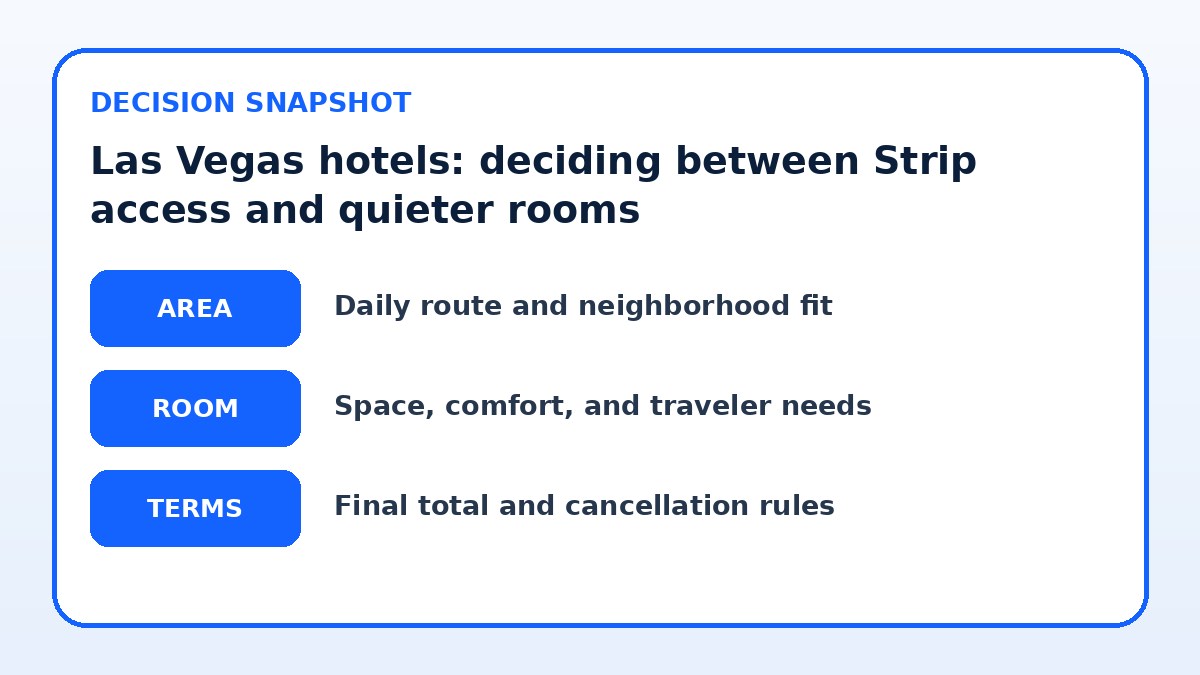
See current options before you compare the details
Availability and final conditions change. Open Trip.com now or keep reading for the practical comparison.
Define your travel priorities and daily routine
Start by writing down what parts of Las Vegas you’ll use most each day. Will you return to your room midday to nap, work, or shower between activities? Or will you mostly be out late at night and only use the room for sleeping? Solo travelers who attend multiple late shows or casino sessions benefit from being within walking distance of their destinations. Those who need a quiet workspace, a bigger bathroom, or extra bed options should weigh rooms that trade proximity for comfort.
Factor in how you’ll move around: will you rely on walking, rideshares, taxis, or public transit? If you prefer not to use rideshares frequently, a Strip address is worth the premium; if you don’t mind short rides, a quieter hotel a few blocks away can offer better value and more comfortable rooms. Also consider how important on-site amenities like a gym, pool, or 24-hour food options are to your trip — a compact stay with fewer distractions might actually improve rest and focus during a busy visit.
Location tradeoffs: Strip, Fremont, and off-Strip areas
Staying on the Strip puts you in the middle of main attractions, restaurants, and nightlife; this convenience is the biggest draw for solo travelers who plan to maximize evening activities without using rideshares. However, the tradeoff is higher foot traffic, earlier morning pickups for shows, louder corridors and casino floor noise that can reach even higher-floor rooms. If you’re sensitive to ambient sound or want an early night, investigate the hotel's soundproofing, available quiet-room options, and whether upper floors are offered away from mechanical equipment.
Fremont Street and downtown Las Vegas offer a different feel: smaller-scale casinos, walkable bars, and often lower room rates than the Strip while still delivering a central urban experience. Off-Strip neighborhoods provide more choice for quiet, room size, and local dining, but expect some additional transit time to main attractions. For solo travelers who want calmer evenings, hotels two to five blocks from the Strip can give a noticeable improvement in room comfort and price while still leaving attractions within a short taxi or rideshare.
| Approach | Best for | Tradeoff to check |
|---|---|---|
| Stay on the Strip | Solo travelers prioritizing walkable access to shows, casinos, and nightlife | More noise, crowds, and often smaller rooms for the price |
| Stay off-Strip (nearby blocks) | Travelers wanting quieter rooms and better value while keeping short ride distances | Slightly longer travel time to main attractions and fewer on-site nightlife options |
| Downtown/Fremont Street | Solo visitors seeking local bars, smaller venues, and a compact urban experience | Different atmosphere than the Strip; some attractions and shows are farther away |
| Hybrid stay (split nights) | Travelers who want both nightlife convenience and a restful night during the trip | Requires moving hotels or paying for two different room bookings and logistics |
Ready to check the option that fits your plan?
Use your exact dates and traveler details so the provider page can show the current total and conditions.
Room comfort factors: what to compare before booking
When room comfort matters, compare specific attributes rather than hotel category alone. Look for room square footage, bed configuration, bathroom layout, blackout curtains, and the presence of a desk or seating area if you’ll work from the room. Photos can be helpful but verify dimensions and amenities on the booking page; hotels sometimes swap room types inside the same category. If sleep quality is a priority, ask about HVAC controls, noise insulation, and whether the hotel offers rooms away from elevator shafts, pool decks, or nightlife-facing facades.
Also read the fine print on cleanliness and housekeeping frequency, especially if you prefer daily service or an extra towel top-up. Check whether in-room refrigerators, safes, and reliable Wi‑Fi are included or extra; these small conveniences affect comfort and solo-traveler logistics. When hotel descriptions mention ‘city views’ or ‘Strip views’, confirm which floors those apply to and whether the view implies extra noise exposure, then weigh that against the benefit of the vantage point for evening skyline watching.
Before you book
- Confirm exact room type and square footage on the hotel’s booking page, not just the headline room name.
- Check whether resort fees, parking fees, or extra-person charges apply and add them to your budget.
- Verify noise-related information: request a high floor, away from elevators, pool areas, or casino floor if available.
- Confirm bed configuration and whether rollaway beds or different setups are available if you want extra space.
- Test Wi‑Fi reliability by reading recent guest notes or contacting the hotel if you need steady bandwidth for work.
- Review the cancellation policy and whether refundable or flexible rates are available in case your plans change.
Practical decision checklist for solo travelers
Balance your priorities using a simple decision grid: list what you value (sleep, nightlife access, workspace, cost) and score how each hotel option meets those needs. For nights when you’ll be out late, proximity matters more than a suite; for a stay that includes work or daytime rest, larger rooms and quiet should score higher. Consider a hybrid approach: one or two nights on the Strip for the main nightlife and a quieter night off-strip to recharge, if your trip length allows it.
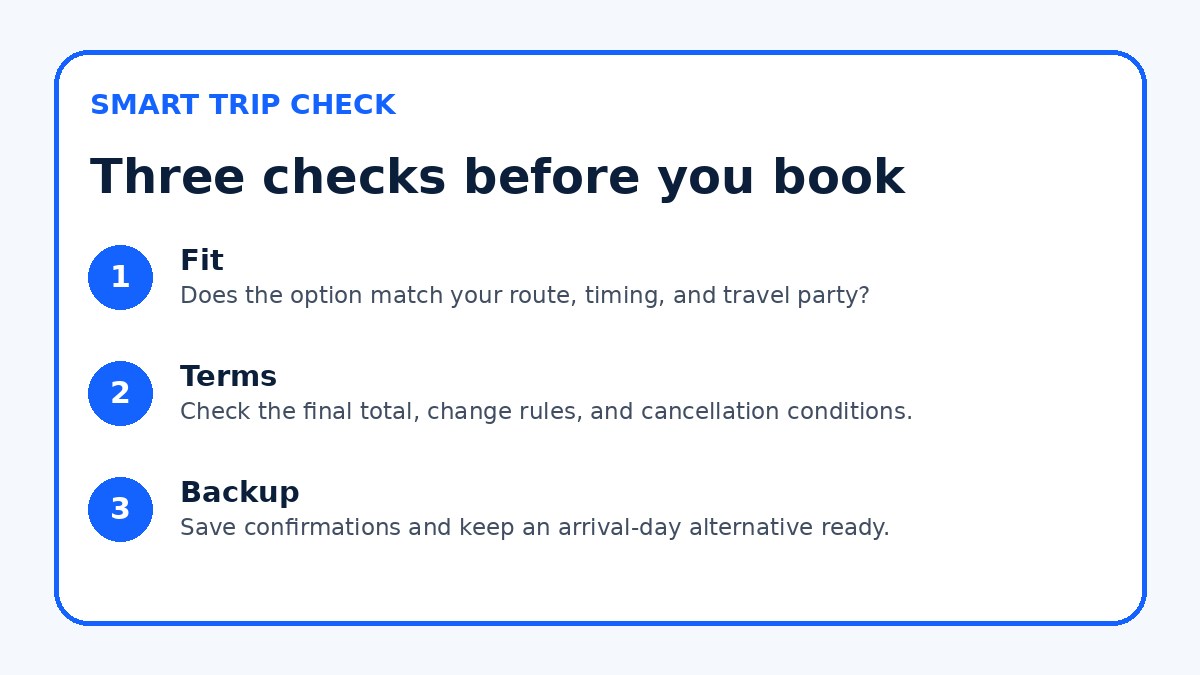
Before booking, verify the exact room type, included amenities, cancellation policy, and any resort or service fees on the provider’s final booking page — these details change and affect total cost and experience. If you want to compare live availability and conditions, you can check a provider such as Trip.com as one option, but always confirm details on the hotel’s official page. Finally, plan simple logistics like how you’ll get from the airport to the hotel and back, and whether rideshare pickup points or shuttle services add time or convenience to your schedule.
Frequently asked questions
Is it safer for a solo traveler to stay on the Strip or downtown?
Safety in Las Vegas varies by neighborhood and time of day, but both the Strip and downtown areas are heavily patrolled and busy, which can be reassuring for solo travelers. Personal safety is aided by planning: keep a charged phone, share your hotel details with someone you trust, use reputable rideshares or hotel-arranged transportation late at night, and avoid poorly lit side streets. Also check recent guest comments about neighborhood safety and contact the hotel concierge for local advice and recommended walking routes before you head out.
How much time should I allow to travel between off-Strip hotels and main attractions?
Allow extra time when staying off-Strip for rideshares, taxis, or walking; a five- to twenty-minute rideshare can be typical depending on traffic and distance. Factor in wait times for pickups during busy evenings and events. If real-time timing is important, compare direct transit options, rideshare estimates, and hotel shuttle availability on each provider’s booking page. Planning with a buffer ensures you won’t miss show start times or dining reservations, and it helps you decide if the quieter room is worth the additional transit time.
Can I get quieter rooms on the Strip without moving off-site?
Yes, many Strip hotels offer quieter room options such as higher floors, rooms facing interior courtyards, or ‘quiet’ room categories; you can request these when booking. Ask the hotel to note noise sensitivity on your reservation and verify whether soundproofing is specified. If a quiet room is essential, confirm the room location policy and request upper floors away from entertainment venues; follow up with the hotel closer to arrival to reinforce the request and check for any applicable fees or availability restrictions.
Final planning note
Choosing Las Vegas hotels as a solo traveler comes down to which daily moments you refuse to compromise: instant access to shows and nightlife, or better sleep and a more restful room. Make that choice explicitly before shopping so you compare apples to apples—look at exact room dimensions, amenity lists, noise mitigation measures, and any extra fees on the booking page. Consider a split stay if you want both experiences, but factor in the effort of moving. With a clear priority list and the actionable checklist above, you can book a room that supports the trip you planned rather than the one you guessed you'd have.
Continue planning
Check current options and final conditions
Use the provider page to confirm live availability, the final total, cancellation terms, and every condition that matters to your trip.
This evergreen planning guide was created with AI-assisted drafting and a structured quality review. It does not display live prices, schedules, availability, visa guidance, or provider rankings. Verify current details before booking. Some links are affiliate links; we may earn a commission at no additional cost to you.