
If you’re visiting Honolulu for the first time, start by testing flexible dates before you lock anything in. The practical step is simple: search flights and hotels across a window of dates—ideally plus or minus three to seven days from your ideal travel dates—and compare total trip cost, flight duration and hotel location together. Flexible-date searching often surfaces cheaper weekday departures, shorter connections, or hotels with free cancellation that let you refine plans later. Balance savings against convenience: a small price drop might mean an inconvenient overnight connection or a hotel farther from Waikiki. This guide focuses on what to compare, how to run flexible searches efficiently, and the decision tradeoffs first-time visitors should weigh when finalizing Honolulu travel deals.
See current options before you compare the details
Availability and final conditions change. Open Trip.com now or keep reading for the practical comparison.
How to run flexible-date searches for flights
Open an airfare calendar or flexible-date search and start with your preferred departure day, then expand the window to three to seven days each way. Keep the origin airport consistent and test alternative departure airports if they’re within reasonable driving distance. Look beyond the lowest fare: check total travel time, number and length of connections, and overnight layovers. For first-time visitors to Honolulu, an extra hour in transit can be fine, but overnight connections or very early arrivals can add fatigue that reduces your first days on the islands.
When comparing flight options, also note fare rules on the provider’s final booking page: baggage allowances, change and cancellation terms, and whether the itinerary includes long domestic or international layovers that might require rechecking luggage. If comparing a nonstop and a connecting option, add the value of arriving earlier versus the potential savings. For many first trips, a modest premium to avoid complicated connections and late arrivals is worth the added convenience—especially if you’re traveling with family or carrying surfboards or other bulky gear.
Using hotel flexibility to improve location and value
Search hotels with map view enabled and expand your date range to capture weekday vs weekend price swings. Neighborhood matters in Honolulu: staying in Waikiki puts you close to beaches, restaurants, and transit, while quieter neighborhoods like Kaimuki or Hawaii Kai can offer lower nightly rates but require more travel time. Flexible dates can expose nights with lower rates in your preferred zone; if the savings are small, prioritize location and walkability because first-time visitors gain a lot from easy beach access and short transfers after a long flight.
Also look for hotels that offer free cancellation or moderate change policies while you compare dates; this gives you the freedom to shift nights if a better flight shows up. Verify cancellation and deposit terms on the provider’s final booking page—don’t rely solely on summaries shown in search results. If you plan to split time between neighborhoods, use flexible dates to test combinations (for example, three nights in Waikiki and two nights elsewhere) and check whether moving hotels mid-trip increases transport costs or logistical complexity.
| Approach | Best for | Tradeoff to check |
|---|---|---|
| Search exact dates | Travelers with fixed schedules or nonrefundable leave | Simpler search and quick booking but may miss lower fares or better hotel locations nearby. |
| Use +/- 3-day flexibility | Most first-time visitors open to modest date shifts | Good balance of savings and convenience; may still miss deeper shoulder-season deals. |
| Use +/- 7-day flexibility | Travelers prioritizing cost savings and willing to adjust plans | Higher chance of savings but could introduce inconvenient flight times or different weekdays. |
| Split-stay with flexible dates | Visitors who want both Waikiki convenience and quieter neighborhoods | Adds logistics and potential extra transfer costs; can improve experience if planned carefully. |
Ready to check the option that fits your plan?
Use your exact dates and traveler details so the provider page can show the current total and conditions.
When flexible dates aren’t worth the tradeoff
Flexible dates aren’t always beneficial. If you have fixed vacation windows, reward schedule constraints, or limited leave approval, chasing marginal savings can stress your itinerary. Similarly, if a flexible date option requires an overnight connection, multiple airline carriers with separate tickets, or long red-eye flights that leave you exhausted on arrival, factor the personal cost into your decision. First-time visitors often value a smoother arrival and a central hotel more than a small price difference; the right choice depends on how you plan to spend your first 24–48 hours in Honolulu.
Another situation where flexibility helps less is during major local events or holidays when accommodation and flight availability fluctuate unpredictably; searching a wider window might not reveal useful alternatives because demand is high across many dates. Also be careful when comparing rates that exclude taxes, resort fees, or checked-bag costs—those add-ons can erase apparent savings. Always review the full cost and practical effects—transfer times, baggage, and cancellation policies—on the booking page before committing.
Before you book
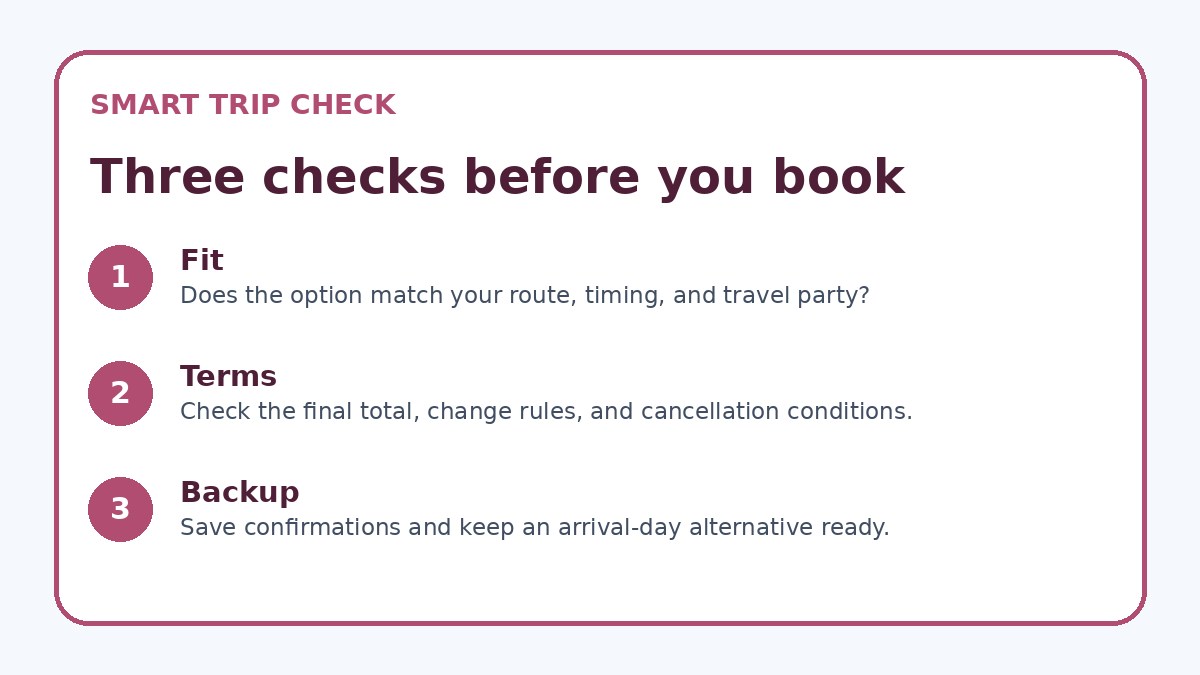
- Run three flight searches: exact dates, +/-3 days, and +/-7 days; note total duration and number of stops for each fare.
- Compare hotel map locations across your date windows and prioritize walkability over a small nightly saving when possible.
- Verify baggage rules, change and cancellation terms on the airline’s final booking page before purchasing.
- Choose hotel rates with free cancellation when possible to keep flexibility while monitoring fares.
- Set price alerts for both flights and hotels and check them at consistent times each day for real comparisons.
- Add a buffer night or central first-night plan if your arrival time is late or you expect jet lag.
Practical tools and a repeatable testing routine
Create a testing routine: pick your ideal travel dates, then run three searches—exact dates, +/- 3 days, and +/- 7 days—recording total flight time, number of stops, hotel location, nightly rate, and cancellation terms. Use the map view for hotels and a multi-calendar for flights. Set price alerts for both flights and hotels so you can detect meaningful dips instead of reacting to normal daily variation. If you prefer an all-in-one check, compare results on a booking site and then verify all provider-specific details on the airline or hotel pages before finalizing.
If you’re comparing different arrival times into Honolulu, think about your first evening and the logistics of airport transfer: arriving midday may let you check into your room and walk Waikiki, while late arrivals might require a simpler, closer hotel to avoid late-night transfers. Consider adding a buffer night in Waikiki if you value a stress-free first night. Trip.com can be used once to compare current availability, but always confirm baggage rules, connection times, and cancellation terms on the provider’s final booking pages before purchase.
Frequently asked questions
How much date flexibility should a first-time visitor to Honolulu allow?
Allowing three to seven days of flexibility each way is a practical starting point. A +/-3 day window often reveals weekday versus weekend savings without changing overall trip rhythm, while +/-7 days can expose shoulder-season deals. Balance potential savings with arrival convenience—if flexible dates lead to red-eye flights, overnight layovers, or arrival times that eat your first full day, the tradeoff may not be worthwhile. Use flexible searches to inform a decision, then prioritize options with reasonable travel times and clear cancellation terms.
Should I prioritize cheaper flights or a better hotel location when using flexible dates?
For first-time visitors, prioritize hotel location if it helps you start exploring quickly: proximity to Waikiki, public transit, and beach access can significantly improve those first days. Compare the actual time and cost to transfer from the airport to each property; a slightly higher nightly rate for a central hotel can be worth it if it saves long taxi rides or reduces logistics. If you find a steep flight saving that doesn’t add inconvenient stops or arrival times, the combined savings may be worth a farther hotel, but verify total door-to-door time before booking.
Can I rely on flexible-date search results shown by booking sites?
Flexible-date results are a helpful starting point but always verify provider-specific details on the airline or hotel’s final booking page. Booking sites may summarize fares without full baggage or change rules and can omit taxes or resort fees. When you find a promising fare or rate, open the airline or hotel page to confirm baggage allowances, cancellation penalties, connection details, and the exact property address. You can use Trip.com to compare current availability, but treat it like any aggregator—confirm the fine print before paying.
Final planning note
Using flexible dates is one of the most practical tools to improve Honolulu travel deals, but its value depends on what you prioritize: cost, convenience, or location. Run controlled tests—exact dates, +/-3 days, and +/-7 days—compare total travel time, stops, and hotel map location, and favor options that preserve a smooth arrival and easy access to the beach for your first days. Use free-cancellation rates while you watch prices, and always confirm baggage, change, and cancellation terms on the provider’s booking page before paying. With a short testing routine and clear priorities, you can find a smart balance between savings and the relaxed start every first-time Honolulu visitor hopes for.
Continue planning
Check current options and final conditions
Use the provider page to confirm live availability, the final total, cancellation terms, and every condition that matters to your trip.
This evergreen planning guide was created with AI-assisted drafting and a structured quality review. It does not display live prices, schedules, availability, visa guidance, or provider rankings. Verify current details before booking. Some links are affiliate links; we may earn a commission at no additional cost to you.