If you’re visiting Honolulu with family and considering a rental car, start by confirming where you’ll sleep and what you want to see. For many families the practical plan is to base in Waikīkī or nearby neighborhoods for easy access to beaches, groceries, medical care, and short drives to popular attractions. A car gives flexibility for exploring Oʻahu’s east and leeward coasts, visiting cultural sites, and managing strollers or gear that’s bulky on public transit. Before booking, compare vehicle size, pickup/drop-off convenience at Daniel K. Inouye International Airport versus city locations, and parking options at your hotel or rental. This article explains the tradeoffs that matter to first-time visitors and lays out actionable checks so you don’t get stuck with the wrong car, neighborhood, or route for a family road trip.
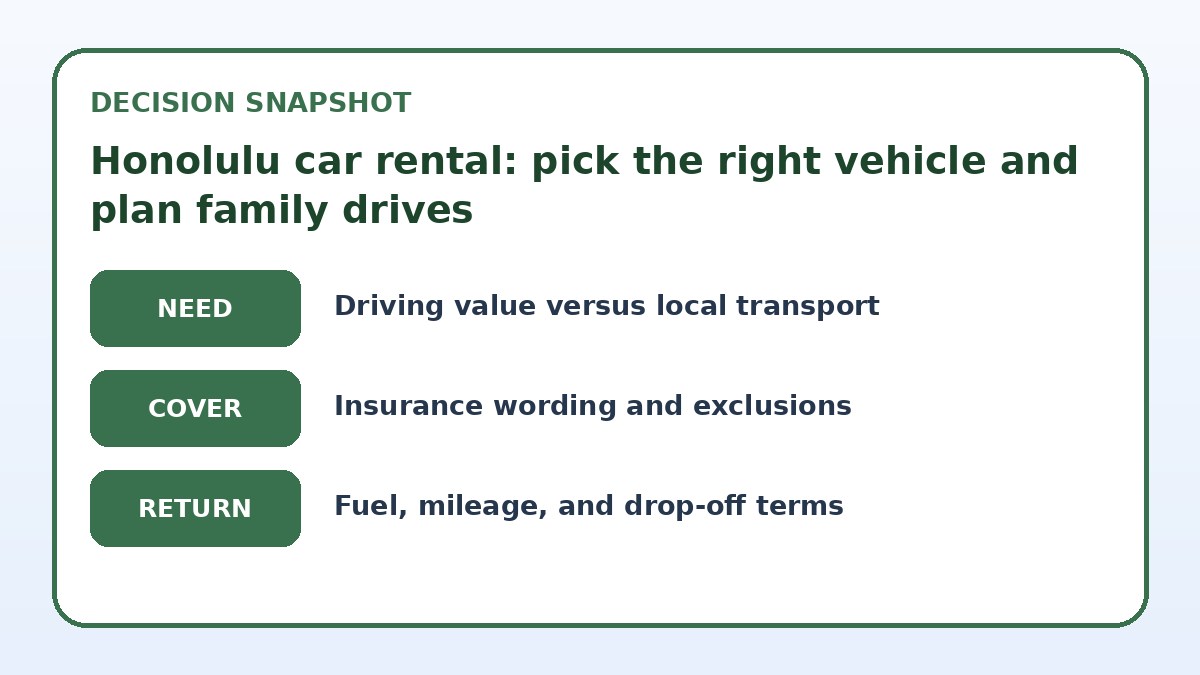
See current options before you compare the details
Availability and final conditions change. Open Trip.com now or keep reading for the practical comparison.
Where to stay and how it affects your rental choice
Selecting a neighborhood determines how you use a rental car. Staying in Waikīkī puts you within walking distance of beaches, restaurants, and many tourist services, so you might only need a car for day trips. If your lodging has limited parking or high daily parking fees, factor that into the total rental cost and consider a smaller vehicle to fit compact hotel spaces. Conversely, staying in residential neighborhoods like Kailua or near the airport makes a car more useful for everyday errands and offers easier parking but may add daily driving time to beach hubs.
Think about family needs: bringing or renting a car seat, extra cargo space for boogie boards, and the ease of loading a stroller will influence vehicle class. If you plan many short trips and beach days, an SUV or mid-size crossover can simplify handling gear and passengers. For mostly hotel-and-beach stays with a few planned excursions, a compact may reduce parking hassle and be easier to maneuver on narrow streets. Always confirm parking dimensions with your hotel and measure any bulky items at home to ensure they fit comfortably.
Choosing pickup location and timing
Decide between airport pickup at Daniel K. Inouye International Airport and an off-airport or in-town location. Airport pickups are convenient when you arrive with tired kids and luggage; they usually have shuttle or on-site counters for major brands. However, off-airport locations can sometimes be closer to Waikīkī and avoid airport queues. When comparing options, check each provider’s final booking page for pickup and drop-off hours, whether shuttles operate at your arrival time, and any after-hours policies that may affect late arrivals or early departures.
Timing matters for both traffic and child comfort. Early morning or late-afternoon airport pickups can coincide with rush hours, increasing drive time into Honolulu. If your flight lands late, confirm that staff will be available or that the location offers secure after-hours pickup procedures. Also plan pickup windows with enough padding to handle baggage claims, possible flight delays, and orientation to Hawaii driving differences like one-lane local roads and pedestrian-heavy areas.
| Approach | Best for | Tradeoff to check |
|---|---|---|
| Airport pickup at Daniel K. Inouye International Airport | Families wanting quickest arrival-to-drive transition with luggage and kids | Potentially longer queues, airport fees, and busy traffic into Waikīkī |
| Off-airport rental in Waikīkī | Visitors who will mostly stay local and want shorter hotel transfer times | May require shuttle or walk from desk and limited late-night hours |
| Hiring a larger SUV or minivan | Families carrying car seats, beach gear, or planning inter-coast day trips | Higher fuel use and sometimes tighter parking spaces in older lots |
| Choosing a compact car | Couples or small families focused on short trips and easier parking | Less cargo space and potentially less comfort on long drives |
Ready to check the option that fits your plan?
Use your exact dates and traveler details so the provider page can show the current total and conditions.
Selecting the right vehicle and safety equipment
For families, prioritize space and safety features over the smallest possible economy model. At minimum, ensure there’s room for child seats, beach equipment, and coolers. If bringing infants or toddlers, verify that certified child seats are available to rent from the agency or plan to bring your own and check installation points in the vehicle you choose. Confirm on the provider’s final page which seat types they supply, any age or weight restrictions, and whether a rental seat meets your child’s needs and certification standards.
Other safety and comfort features to compare include ABS brakes, electronic stability control, and reliable air conditioning—important in Honolulu’s tropical climate. If traveling with elderly relatives, look for vehicles with lower step-in heights and easy door openings. For long day trips to windswept or remote spots, check whether roadside assistance is included and read the provider’s terms about towing, battery jumpstarts, and emergency contacts so you know what to do if you have mechanical trouble.
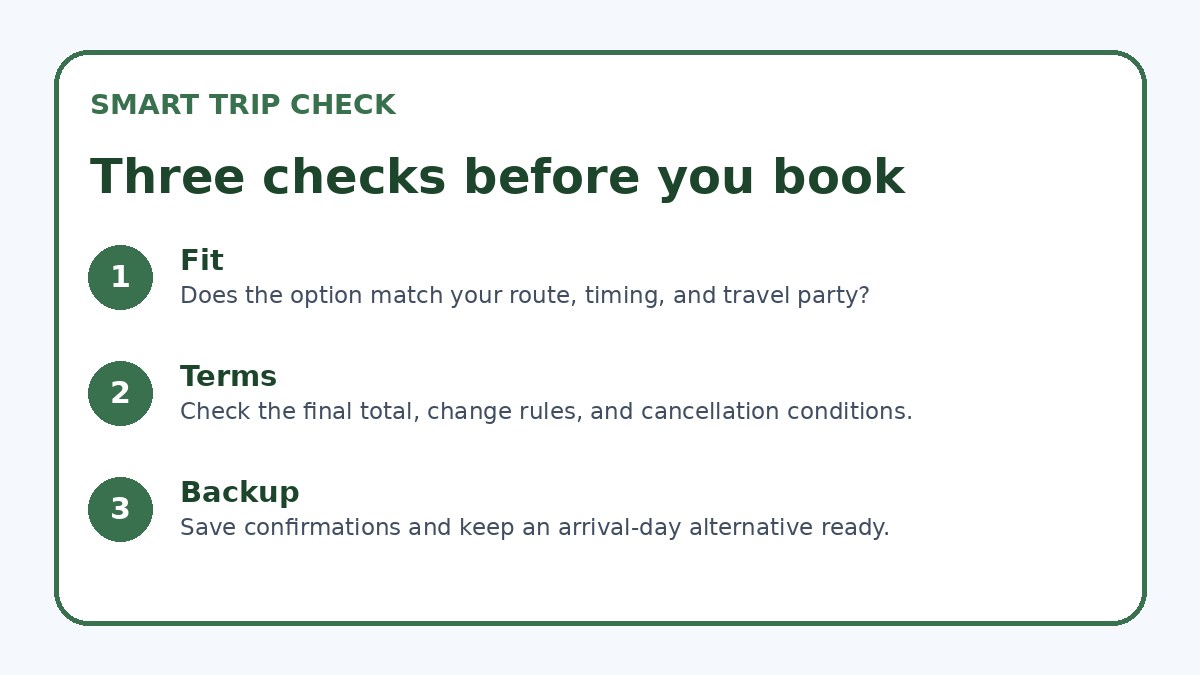
Before you book
- Confirm whether your hotel offers on-site parking, the daily cost, and any size or height restrictions for rental vehicles.
- Measure or list bulky items (stroller, car seats, surfboard) and verify on the provider’s final booking page that your chosen vehicle fits them.
- Reserve or request child seats through the rental provider if you cannot bring certified seats from home; check type and installation instructions.
- Compare pickup locations’ operating hours and shuttle details, paying attention to late arrivals or early drop-offs.
- Download offline maps and save key addresses (hotel, hospital, attractions) in case cellular service is spotty during island drives.
- Plan no more than one major stop per half-day and build buffer time for traffic, rest breaks, and unplanned photo stops.
Planning routes, time budgets, and realistic daily goals
Oʻahu’s attractions are compact but driving times can be longer than map distances suggest due to traffic, lower-speed coastal roads, and frequent stops. Plan one major destination per half-day and build in extra time for beach breaks, meals, and spontaneous stops like lookouts or markets. For example, combining a morning beach, a midday cultural site, and a leisurely late-afternoon stop may be ambitious—breaking that into two easier days keeps the trip enjoyable for young children.
Use a map to plot logical loops that minimize backtracking—group east-coast sites on one day and leeward or central attractions on another. Check provider pages for parking availability at popular sites, and be prepared to arrive early for high-demand beaches or parks. Keep alternative indoor plans (a museum or aquarium) in case weather or tired kids change the day, and always carry water, snacks, sunscreen, and a basic first-aid kit so short delays don’t derail your family’s comfort.
Frequently asked questions
Do I need a special driver’s license to rent a car in Honolulu?
Most visitors can rent in Honolulu using a valid driver’s license from their home country; however, some rental companies require an international driving permit for licenses not in Roman characters. Check the rental company’s eligibility rules on their final booking page before arrival. Also confirm age requirements and any young-driver surcharges—these vary between providers and can affect booking choices for family members who plan to share driving duties.
What should I know about parking at popular Honolulu beaches and attractions?
Parking availability and rules vary widely by site. Many popular beaches and lookouts have limited public lots that fill early, while some areas use metered parking or permit-only zones. Before you go, check the official site or the venue’s page for parking options, whether spaces suit larger vehicles, and any time limits. When staying in a hotel, ask the front desk for recommended arrival times or lesser-known nearby lots to avoid circling with tired children.
Are there driving rules or local conditions that first-time visitors should prepare for?
Driving in Honolulu is generally straightforward, but expect narrower two-lane coastal roads, frequent pedestrian crossings, and local traffic patterns like slow-moving vehicles and sudden stops at lookouts. Obey posted speed limits and watch for bicyclists and pedestrians in tourist areas. If you plan to drive rural stretches, be aware cell coverage may be intermittent; ensure you have fuel, water, and a basic emergency kit. Verify insurance rules and roadside assistance terms with the rental provider on their booking page.
Final planning note
Renting a car in Honolulu for a family road trip gives you flexibility to see the island at your own pace, but thoughtful planning reduces stress. Start by matching where you’ll stay with the right vehicle size, then choose the pickup location and timing that minimize hassle for luggage and car seats. Prioritize safety features, confirm child-seat availability or bring your own certified seats, and build conservative time budgets for each day to keep little travelers comfortable. Before you finalize a booking, read the provider’s final page for specific pickup hours, optional fees, insurance details, and roadside assistance policies. With those checks done, you’ll be ready to enjoy family-friendly beaches, cultural stops, and scenic drives without last-minute surprises.
Continue planning
Check current options and final conditions
Use the provider page to confirm live availability, the final total, cancellation terms, and every condition that matters to your trip.
This evergreen planning guide was created with AI-assisted drafting and a structured quality review. It does not display live prices, schedules, availability, visa guidance, or provider rankings. Verify current details before booking. Some links are affiliate links; we may earn a commission at no additional cost to you.