If you’re travelling solo to Brisbane, the smartest first step is to total every likely cost before you hit book. That means more than comparing headline prices for a flight and a room: add airport transfers, luggage and local transit, expected daily expenses, travel insurance, and any refundable or non-refundable booking terms. Once you have a realistic total, you can judge whether a deal truly saves money or just shifts costs into add-ons. This article focuses on practical checks you can do immediately—what to compare on booking pages, what fees to verify with providers, and how to weigh convenience against saving money. Use these steps to avoid surprises and pick an option that fits both your budget and the solo travel experience you want in Brisbane.
See current options before you compare the details
Availability and final conditions change. Open Trip.com now or keep reading for the practical comparison.
Flights and airport transfers: compare total door-to-door costs
When comparing flight prices for Brisbane, treat the quoted fare as only one line item. Before choosing, add the cost of checked baggage (if you need it), seat-selection charges, and the likely price of an airport transfer or taxi from Brisbane Airport into the city. Low fares with many add-ons can end up costlier and less convenient for a solo traveller who values simplicity and predictable timing. If multiple airlines or routes are available, write out a simple comparison: base fare, luggage, transfer, and estimated travel time to your first accommodation.
On the provider’s final booking page, verify baggage allowances, exact transfer options, and any rules on changes or cancellations—these can differ by fare class. If you might prefer public transport on arrival, check services that run from the airport and whether you can use the same payment method or need a transit card. Where you find bundled transfer offers, confirm the pickup point and any limits on wait times. For quick price checks, sites such as Trip.com can show availability, but always confirm details on the airline or transfer operator’s own page before paying.
Accommodation: factor location, extras and booking conditions
Choosing where to stay in Brisbane changes both cost and how you experience the city. A central location reduces daily transit time and cost, but central rooms might exclude complimentary amenities that save money, like a kitchenette or free breakfast. Check whether the nightly rate includes local taxes or service fees and whether cleaning or resort fees apply separately. For hostels or guesthouses aimed at solo travellers, confirm what communal facilities are included and whether there are single-occupancy discounts or mandatory occupancy fees.
Always review the host or hotel’s cancellation and payment rules on the final booking screen: some offers require full prepayment and are non-refundable, while others allow free cancellation until a set date. If flexibility matters to you, weigh the extra cost of a flexible rate against the risk of change. Also note any security deposit or ID verification requirements so there are no surprises at check-in. If you rely on public transit, check walking distance or bus/tram links and whether transfers will push you into busy travel times.
| Approach | Best for | Tradeoff to check |
|---|---|---|
| Lowest headline fare | Travellers who prioritise upfront savings and accept add-on complexity | May include many optional fees and tighter change/cancellation rules that increase final cost or risk |
| Flexible fare or refundable booking | Solo travellers valuing changeability and reduced stress | Higher upfront cost but lowers financial risk if plans change |
| Central but pricier accommodation | Those wanting to minimise daily transport time and feel safer at night | Higher nightly price that can be offset by saved transit costs and time |
| Cheaper out-of-centre stay | Budget-focused travellers who don’t mind longer commutes | Adds daily transport expense and extra time; may reduce solo social opportunities |
Ready to check the option that fits your plan?
Use your exact dates and traveler details so the provider page can show the current total and conditions.
Daily spending and activities: make a realistic day-by-day budget
Estimate how many days you’ll spend on paid activities, how much you’ll eat out, and any day trips you might take from Brisbane. Solo travellers often choose paid tours or guided experiences to meet people—include guided-tour fees, gear hire, or entry tickets in your budget. Don’t forget incidental costs like coffee, laundry, or SIM data. Build a simple daily budget with conservative and generous columns so you can see a realistic range of expected spending and add a buffer for one-off treats or unexpected needs.
When you book activities online, check the operator’s refund and rescheduling policy on the booking page because weather or personal plans can change. For multi-day excursions or high-demand attractions, look for cancellation windows and whether booking requires a deposit or full payment. If you plan to use pay-as-you-go public transport or an all-day pass, compare likely usage against pass prices to decide which saves money and time. Reserving some activities in advance can lock price and availability, but confirm final costs and voucher redemption steps on the provider’s site.
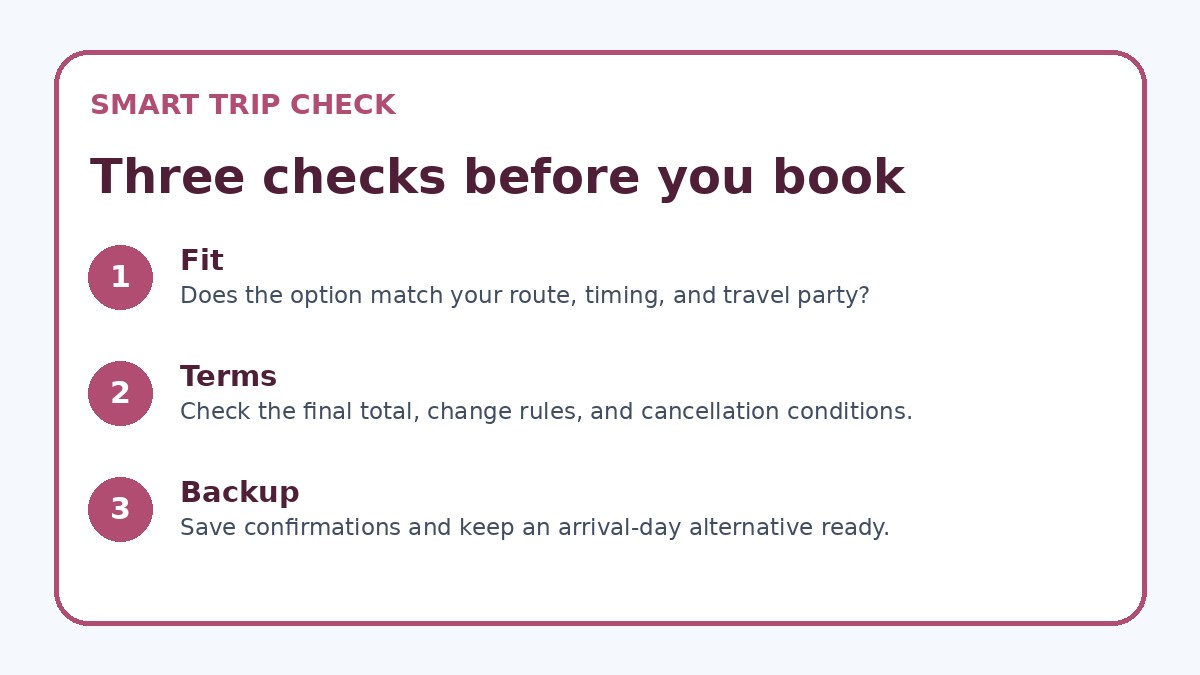
Before you book
- List all flight line items: base fare, baggage, seat selection, and airport transfer options before comparing airlines.
- Confirm on the hotel or host’s booking page whether taxes, cleaning fees, and deposits are included in the displayed rate.
- Write a daily spending plan covering food, local transit, activities, and a small emergency buffer; total it before booking.
- Compare cancellation and change conditions on every provider’s final booking screen and note any non-refundable components.
- Choose travel insurance that matches your prepaid, non-refundable costs and covers planned activities; save the policy number.
- Verify visa or entry requirements for your nationality and set aside funds and copies of documents in case of last-minute changes.
Insurance, visas and contingency costs: protect the trip value
Travel insurance is often an overlooked cost but goes straight to protecting your solo trip investment. Choose a policy that covers medical evacuation, trip cancellation, and baggage loss to avoid a large unplanned expense. When comparing policies, ensure coverage amounts match the total non-refundable costs you’ve actually pre-paid and that the policy covers activities you plan to do in and around Brisbane. Read exclusions carefully, particularly for adventure activities or pre-existing conditions.
Also factor in visa requirements and any documentation costs, plus contingency money for emergencies or schedule changes. If you’re likely to change flights or stay longer, include a flexible buffer for accommodation and transport. When a provider’s conditions could affect your insurance claim or refund rights, verify the exact wording on their official booking and policy pages. Keeping scanned copies of key documents and a clear list of emergency contacts helps you act quickly if you need to file a claim or rearrange plans.
Frequently asked questions
How do I realistically compare two Brisbane flight offers with different baggage and transfer rules?
Create a single comparison row for each offer listing base fare, baggage cost for your needs, and the likely airport transfer cost into Brisbane. Add those numbers to get a door-to-door figure and compare total travel time and convenience. Also check change and cancellation rules on the final booking page so you know what happens if plans change. If one option involves multiple connections, factor in the risk and cost of missed connections when comparing totals.
What accommodation extras should solo travellers always check before booking in Brisbane?
On the provider’s booking page, check whether the nightly rate includes local taxes, cleaning or service fees, and any mandatory occupancy or security deposits. Confirm what facilities are included—breakfast, laundry, kitchen access—and whether there are additional charges for late check-in. If you plan to meet other travellers, ask about common areas or social events. Finally, review the cancellation policy and whether you’ll be charged for early checkout or changes.
Can I rely on a low daily budget for Brisbane, or should I plan more conservatively?
Plan conservatively: solo travel budgets can underestimate incidental costs such as coffee, public transport to less central areas, occasional rideshares, and small purchases. Make a two-column daily budget—one conservative and one comfortable—and use the conservative column when deciding whether a deal is affordable. Also add a contingency buffer for unexpected events or spontaneous experiences. Check refund and change terms for prepaid items so you can recover costs if plans shift.
Final planning note
For solo travellers, the best Brisbane travel deal is the one you understand fully. Instead of letting a low headline price decide, total every predictable cost—flight add-ons, arrival transfer, accommodation extras, daily spending and insurance—then compare final door-to-door figures and cancellation rules. That approach clarifies tradeoffs between a cheaper but rigid option and a slightly costlier flexible plan that reduces stress. Use the checklist and comparison rows to structure your decision. Before paying, verify all charges and terms on each provider’s final booking page, and consider booking refundable options or insurance if you need flexibility.
Continue planning
Check current options and final conditions
Use the provider page to confirm live availability, the final total, cancellation terms, and every condition that matters to your trip.
This evergreen planning guide was created with AI-assisted drafting and a structured quality review. It does not display live prices, schedules, availability, visa guidance, or provider rankings. Verify current details before booking. Some links are affiliate links; we may earn a commission at no additional cost to you.