Practical answer first: set targeted price alerts for your exact travel dates, traveler count, and preferred times, then pair them with nonrefundable-deadline reminders and a short decision checklist so you don’t click “buy” on impulse. Business trips have constraints — meeting schedules, expense policies, loyalty programs, and the need for reliable arrival times — so alerts are a tool to surface options, not a signal to purchase immediately. Use alerts to watch price movement, identify realistic price ceilings, and trigger a structured review: confirm the same dates, same traveler names and baggage allowances, cancellation rules, and how changes affect meetings. Before booking, compare a bundled package to separate flight+hotel+car options using the same inputs. If you use a third-party alert service, verify final fare rules, baggage fees, upfront change fees, and corporate reimbursement eligibility on the provider’s booking page before confirming.

Test package value fairly
| Booking approach | Best for | Tradeoff to check |
|---|---|---|
| Prebuilt package (flight+hotel+transfer) | Travelers seeking a single checkout and simple itinerary coordination. | May restrict changes and reduce loyalty earnings; verify itemized receipts and change policies before purchasing. |
| Separate flight and hotel bookings | Business travelers needing maximum control and easier independent changes. | Requires more time to compare and manage; possible higher upfront effort but clearer refund/change rules per component. |
| Flight bundled with hotel but without transfers | Those prioritizing airfare+lodging convenience while handling local ground transport separately. | Can obscure baggage and seat fees and may still limit independent changes; calculate ground costs separately. |
| Book refundable or flexible-rate components | Trips with uncertain meeting times or high likelihood of last-minute changes. | Higher base cost but lower risk; confirm exact refund mechanics and whether corporate policy reimburses flexible fares. |
Check current package and separate options
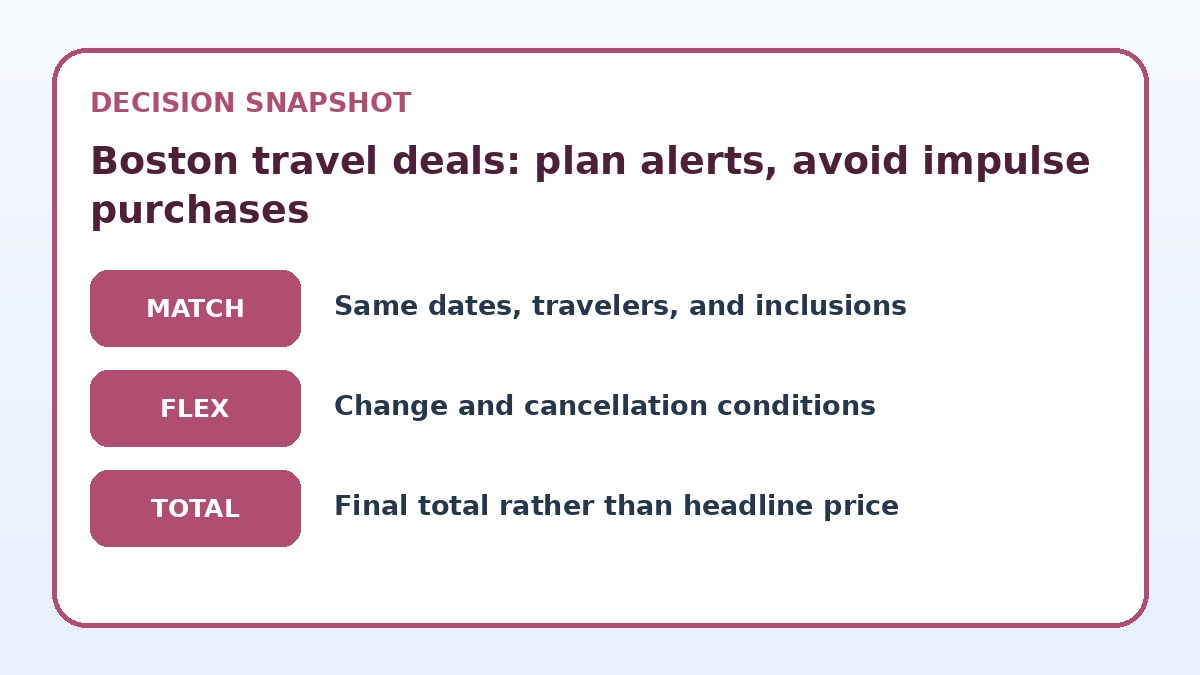
Use identical dates, travelers, room needs, baggage, and flexibility so the comparison stays meaningful.
What to compare before judging a bundle
Before you let a bundled fare or package sway you, compare the identical trip elements: same exact flight times or time windows, same passenger names, identical hotel room type, and the same number of nights. Bundles often bundle flexibility away or change how loyalty benefits and receipts are issued, which matters for business expense reports. Put the bundle and the a la carte combination side-by-side in a spreadsheet or comparison note to ensure you’re not comparing apples to oranges. Include the same baggage allowances, seat selection fees, and whether a bundle issues separate receipts for flight and hotel—critical for corporate reimbursement.
Next, inspect the change and cancellation terms for every component. A discounted bundled rate may restrict changes or require the whole package to be canceled and rebooked, whereas separate bookings can sometimes be adjusted independently. For business travel you’ll also want clarity on how refunds, credits, and rebooking fees are handled if meeting times change. Finally, confirm how loyalty points and elite benefits apply: some bundles do not earn miles or count toward status, which can negate perceived value for frequent business travelers.
Inclusions matter: baggage, breakfast, and transfers
An attractive bundled price can hide incremental costs. Check whether the fare includes carry-on and checked baggage because many basic fares exclude checked bags and charge for seat selection; these add up quickly for business travelers with suits, laptops, or presentation materials. For hotels, verify whether breakfast, Wi‑Fi, and business-center access are included or sold separately. A package that looks cheaper but omits breakfast or charges resort fees can become more expensive when you factor in per diem allowances and out-of-pocket expenses.
Ground transfers and airport shuttle inclusions also change the value proposition. If a bundle includes a private transfer, confirm pickup times and the provider’s cancellation policy; if not, compare taxi or rideshare costs and typical traffic into central Boston during your arrival window. For arrivals at Logan Airport, consider travel time variability, especially during peak commute hours. Document the total door-to-door travel time and any additional logistic requirements — like early check-in requests or luggage storage — so the bundle’s convenience is honestly weighed against pure price.
Look past the headline total
Compare inclusions and change conditions before deciding whether a package is genuinely useful for this trip.
Deal comparison checklist
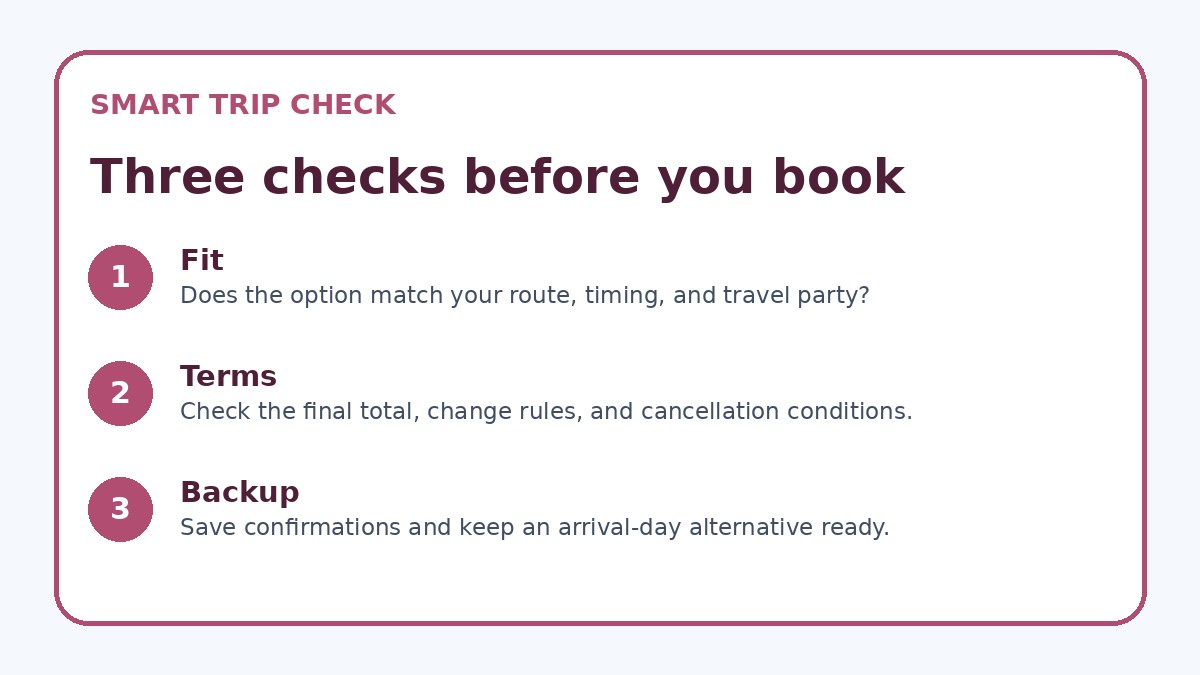
- Set price alerts only for the exact dates and time windows you can accept to avoid irrelevant deal notifications.
- When an alert triggers, compare the bundle and separate options on the same dates, same traveler count, and identical room type.
- Open the final booking page and read the fare rules: change fees, refund conditions, and who issues the receipt for expense reporting.
- Confirm baggage allowances, seat selection costs, and whether loyalty points or corporate negotiated rates apply to the booking.
- Estimate total door-to-door time from Logan to your meeting location and check hotel early check-in or luggage-hold options.
- Create a brief two-hour decision window after an alert to gather confirmations from your travel manager or expense approver if needed.
Flexibility and traveler-specific value
Business travelers need flexibility more than leisure travelers. An itinerary that saves money but forces rigid change fees or nontransferable tickets can cost more in lost time and stress. Evaluate whether a bundled option lets you rebook a single flight without canceling the hotel, or whether the hotel offers flexible check-in or a refundable rate. Also think about schedule-sensitive elements: arriving late the night before a meeting might justify a higher-priced flight with fewer connections, while a risk-tolerant return could use a cheaper, longer connection.
Factor in loyalty programs and corporate policies. If your company has preferred carriers or negotiated rates, verify whether a bundled supplier honors those agreements. Check whether the booking can be made under a corporate profile to accrue negotiated benefits or ensure proper invoicing. For frequent business travelers, the ability to earn miles, maintain status, or use elite perks like lounge access and priority boarding can outweigh modest upfront savings from a package that blocks those benefits.
Final terms: what to verify on the provider’s page
When an alert prompts action, don’t rely on the summary page. On the provider’s final booking page, verify exactly what you will be charged, the total refundable amount if you cancel before travel, any change fees or fare differences, and whether taxes and service fees are included. Confirm baggage allowances per passenger, seat-assignment policies, and whether a bundle issues separate receipts for each component to simplify expense reports. If you’re booking through a third party, check the provider’s amendment and refund process: will you contact them directly, or does everything go through the reseller?
Also validate the timing and format of documents you’ll need for reimbursement: e-receipts, itemized invoices, and the name shown on the reservation. If your meeting time is fixed, confirm that the arrival window accounts for likely ground travel and potential delays, and check the hotel’s early check-in and late checkout policies. If using Trip.com to compare current availability and terms, treat it as a comparison tool and still verify all fare rules and corporate compliance on the final supplier page before confirming.
Travel Deals & Booking Strategy questions travelers ask
How should I set price alerts so they’re useful but not tempting?
Limit alerts to the exact dates you can travel and include preferred time ranges (morning, midday, evening) to avoid irrelevant prices. Use a conservative target price based on recent searches and your company’s cost guidelines, then pair the alert with a small decision protocol: when the target is reached, run the same-dates comparison of bundle versus separate bookings, check fare rules on the seller’s final page, and consult your travel policy or manager if the fare requires pre-approval. This converts passive alerts into structured triggers, reducing impulse purchases.
If a bundled deal looks cheaper, what immediate checks stop false savings?
First, confirm the bundle covers identical flight times, passenger names, and the same hotel room category for the same number of nights. Next, add any excluded fees—checked bags, seat selection, resort or service fees, and implied ground transport costs—so you compare total landed cost. Verify change and cancellation rules on the final booking page and ensure the bundle issues itemized receipts or separate invoices if your expense system requires them. If loyalty earnings or corporate negotiated rates are important, confirm whether the bundle preserves those benefits.
Can I rely on third-party alerts like Trip.com for corporate bookings?
Third-party alert services, including Trip.com, are useful comparison tools but not definitive authorities for corporate compliance. Use them to surface options, then verify all final fare rules, refund policies, and invoicing procedures on the provider’s booking page. Make sure the booking can be recorded under any corporate profile required for negotiated rates or reporting. If your company requires bookings through a managed travel supplier, coordinate with your travel manager before confirming an alert-sourced booking to avoid reimbursement or policy conflicts.
Final decision note
Price alerts are a powerful tool for business travelers planning Boston travel deals, but they should trigger a short, methodical check rather than an automatic purchase. Treat alerts as prompts to run a side-by-side comparison using identical dates, passenger details, and inclusion lists so you avoid false savings. Prioritize flexibility, corporate policy compliance, and loyalty benefits when they matter more than a marginal price difference. Always verify the final fare rules, baggage policies, and who issues receipts on the seller’s booking page; consider a two-hour decision window and consult your travel manager if necessary. With that approach, you can capture genuine value from alerts while minimizing costly impulse bookings.
Continue planning
Check current options and final conditions
Use the provider page to confirm live availability, the final total, cancellation terms, and every condition that matters to your trip.
This evergreen planning guide was created with AI-assisted drafting and a structured quality review. It does not display live prices, schedules, availability, visa guidance, or provider rankings. Verify current details before booking. Some links are affiliate links; we may earn a commission at no additional cost to you.