
Practical answer first: for families looking to stretch budget and comfort, target Berlin’s shoulder seasons—late April to early June or September to mid-October—then compare weekday versus weekend rates, family-room availability, and refundable booking options. Those months still offer mild weather, museums and parks with shorter lines, and more apartment-style hotel inventory suited to families. When you search Berlin travel deals, prioritize accommodations with kitchenette or laundry, easy access to S-Bahn/U-Bahn stops, and flexible cancellation in case of school schedule shifts. Tradeoffs exist: fewer festival-driven crowds but potentially fewer child-specific events, and variable weather that requires layered clothing and backup indoor plans.
See current options before you compare the details
Availability and final conditions change. Open Trip.com now or keep reading for the practical comparison.
When to travel and why shoulder seasons work
Choosing a shoulder-season window for a family trip to Berlin is a practical compromise between peak-summer crowds and winter doldrums. Late spring and early autumn typically bring milder temperatures that make outdoor time in parks, playgrounds, and open-air markets more pleasant for children. Museums, aquariums, and family attractions are often less congested than July or August, letting you move at a child-friendly pace without waiting long for entry. Fewer crowds also reduce stress when using public transit with strollers or coordinating nap times.
However, shoulder seasons are not uniform—local school holidays, long weekends, or trade fairs can create short spikes in demand. Instead of assuming lower prices, check specific weeks against school calendars in both your home country and Germany. Weather can be changeable: plan flexible indoor alternatives for rainy days and pack layers. When comparing Berlin travel deals, weigh the value of quieter streets and more family-room options against the possibility of cooler or wetter days.
Where to stay: neighborhoods and lodging types
For families, staying in central but calm neighborhoods cuts commuting time and gives easy access to playgrounds and grocery stores. Areas like Prenzlauer Berg, Friedrichshain, Charlottenburg, and Kreuzberg each offer different balances of green space, cafés, and child-focused facilities. When comparing accommodation types, consider apartment rentals and family rooms in small hotels — they typically include a kitchenette, extra living space, and laundry options, which help with picky eaters and frequent outfit changes for kids.
When you review Berlin travel deals, filter for accommodations with clear descriptions of bed layouts, crib availability, and stroller access; verify any mobility or floor-level notes on the booking page before you finalize. Also look at the distance and convenience to U-Bahn or S-Bahn stations, since a 10–20 minute transit hop is often preferable to a long taxi ride with luggage. If you plan day trips, prioritize properties with easy access to regional train stations.
| Approach | Best for | Tradeoff to check |
|---|---|---|
| Travel in late spring (April–June) | Families wanting milder days and more daylight for parks | Unpredictable showers and occasional school holidays can raise demand briefly |
| Travel in early autumn (September–mid October) | Families preferring quieter city life and cultural events restarting | Temperatures can drop and some outdoor attractions may be less active |
| Book weekday arrivals and departures | Lower hotel and sometimes flight demand, smoother check-in logistics | May miss weekend-only markets, festivals, or child-focused events |
| Choose apartment rentals or family suites | Families needing kitchens, laundry, and separate sleeping areas | Fewer on-site services like daily housekeeping or front-desk child assistance |
Ready to check the option that fits your plan?
Use your exact dates and traveler details so the provider page can show the current total and conditions.
Travel logistics: flights, trains and transit with kids
Compare flight and train options by total door-to-door time rather than just price; for families, fewer connections and better departure times can be worth a small premium. If a direct air route is available, weigh the comfort of a single leg against potential savings from a connecting itinerary, and always confirm baggage rules, seat assignment policies, and minimum connection times on the carrier’s booking page. For train travel inside Europe, check seat reservations, the ability to store a stroller, and family discounts where applicable.
Once in Berlin, rely on the city’s public transit network for most travel: S-Bahn and U-Bahn lines cover central neighborhoods, while trams serve many family-friendly areas with predictable stops. Carry a lightweight stroller and a daypack for snacks and entertainment—some parents find a folded stroller easier than a bulky travel system for trains and crowded stations. Before booking transfers or airport trains, verify schedules and station access on operator pages; Trip.com can be used as one place to compare current availability, but confirm details with the provider you choose.
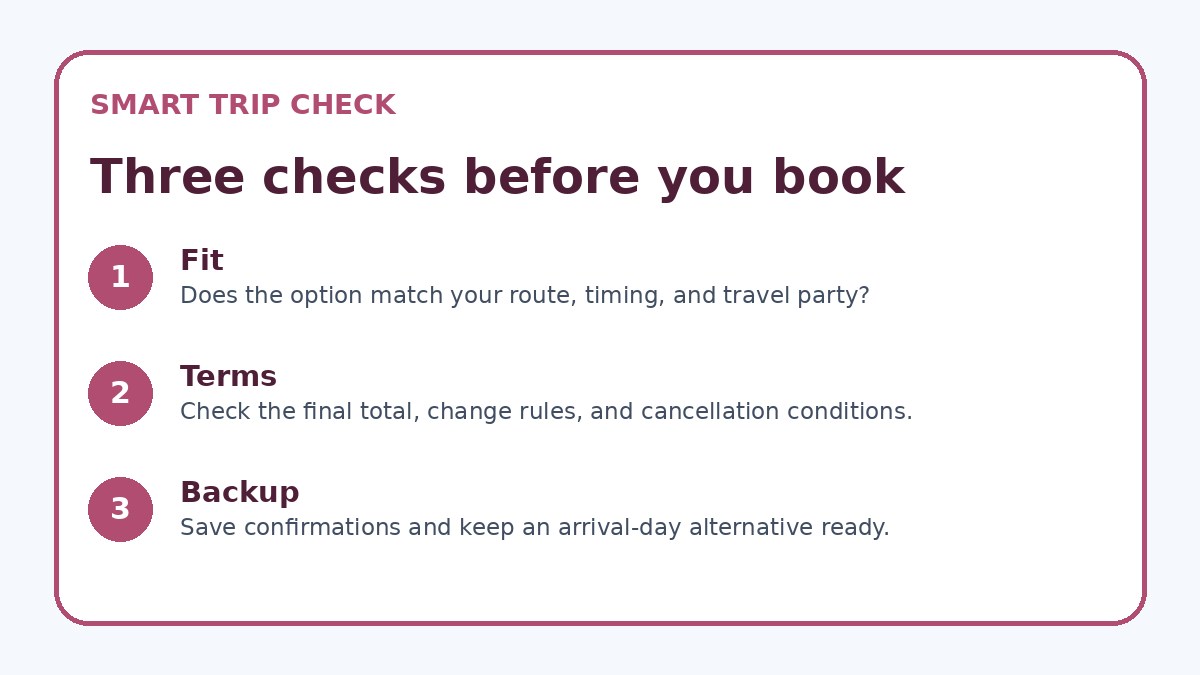
Before you book
- Check local school holidays in Germany and your home country to avoid unintended peak dates.
- Filter accommodation listings for explicit family amenities: crib, kitchenette, washing machine, and stroller access.
- Confirm transit connections and station access times on the provider’s site before buying tickets or passes.
- Prioritize refundable or flexible-rate fares for flights and accommodations if travel dates may change.
- Reserve timed-entry tickets for popular museums when the booking page shows limited family slots.
- Pack adaptable clothing layers and a compact umbrella; include favorite snacks and a small first-aid kit for quick emergencies.
Activities and pace: building a family-friendly itinerary
Design days with one major activity and several low-effort options nearby—this reduces stress and makes it easy to pivot if a child needs rest. Berlin’s mix of large parks, interactive museums, and riverfront promenades suits staggered plans: pair a museum visit with an afternoon playground and a relaxed café stop. Consider late-morning starts to accommodate jet lag, and book any timed-entry attractions in advance if the booking page shows limited windows for families.
Also factor in indoor backups for rainy shoulder-season days: aquariums, children’s museums, and indoor play centers can be lifesavers. When assessing Berlin travel deals, check whether tickets for top attractions offer reserved time slots or family bundles and confirm the refund and exchange policies before purchase. Keep daily transit time modest—aim for no more than 30–45 minutes of transit between your base and the primary attraction for the day.
Frequently asked questions
How do I find the best Berlin travel deals for a family without sacrificing convenience?
Start by searching shoulder-season windows to balance crowds and availability, then compare total travel time, accommodation layout, and family amenities rather than only price. Look for family suites or apartments near a frequent U-Bahn or S-Bahn line to reduce transfers and walking with luggage or strollers. When comparing offers, verify cancellation policies, bed configurations, and access to laundry or kitchen facilities on the provider’s final booking page. Consider weekday arrivals to lower demand, but check local event calendars so you don’t land on an unexpected busy weekend.
Are apartments better than hotels for families in Berlin during shoulder seasons?
Apartments often win on space, kitchen access, and the ability to keep routines—useful for young children or picky eaters—while hotels can provide consistent service and immediate support if something goes wrong. For shoulder-season trips, apartments may offer more availability and flexible lengths of stay, but you should confirm exact sleeping arrangements, building access, and any additional cleaning fees on the listing page. Factor in your tolerance for self-catering versus having front-desk help and weigh that against transit time to major sights when deciding.
What should we verify about transit and connections when booking?
Check the total door-to-door travel time, number of transfers, and minimum connection times; for families, a single longer leg often beats multiple short hops. Verify stroller access, elevator availability, and distance between platforms on station or operator pages for trains and subways. For airport transfers, compare scheduled airport train frequencies, signage for families, and how luggage is handled; if using a shuttle or private transfer, confirm pick-up details and whether child seats are provided. Always confirm schedules and rules on the operator’s official booking page before purchase.
Final planning note
Planning a family trip to Berlin around shoulder seasons is a practical way to balance cost, comfort, and crowd levels. Focus on late spring or early autumn windows, prioritize accommodations with family-friendly layouts near reliable transit, and build itineraries that mix one main activity with flexible nearby options. When comparing Berlin travel deals, verify cancellation terms, bed setups, and transit access on the provider’s final page rather than relying only on summary listings. With layered clothing, a few indoor backups, and a clear list of must-see spots, shoulder-season travel can give families a calmer, more relaxed Berlin experience without sacrificing essential conveniences.
Continue planning
Check current options and final conditions
Use the provider page to confirm live availability, the final total, cancellation terms, and every condition that matters to your trip.
This evergreen planning guide was created with AI-assisted drafting and a structured quality review. It does not display live prices, schedules, availability, visa guidance, or provider rankings. Verify current details before booking. Some links are affiliate links; we may earn a commission at no additional cost to you.