Practical answer first: for most couples staying inside central Brisbane and planning mostly city sightseeing, public transport plus occasional rideshares will usually be easier and less stressful than renting a car. If your plans include day trips to the Sunshine Coast, hinterland wineries, or flexible multi-stop exploring, a Brisbane car rental becomes more attractive. The real choice depends on where you want to sleep, how independent you want to be, how comfortable you are with on-street parking and local traffic, and whether you prefer fixed schedules or complete flexibility. Below you'll find a hands-on comparison of the main tradeoffs, clear decision checkpoints to help you choose, and exactly what to verify on provider booking pages before you commit.
See current options before you compare the details
Availability and final conditions change. Open Trip.com now or keep reading for the practical comparison.
Where you’ll stay and why it matters
Location shapes the whole travel decision. Couples who choose a hotel or apartment in the Brisbane CBD, South Bank, or Fortitude Valley are within walking distance of many restaurants, riverside walks, and cultural sites; that reduces the need for a vehicle. Also consider evening plans: nightlife and dinner across different suburbs are often easier without a car, since parking can be limited and you might prefer a relaxed drink without driving. Think about how much of your itinerary is inside a compact area versus spread across suburbs or regional destinations.
If your preferred accommodation is in suburban pockets, near airport hotels, or in rural hinterland properties, the calculus flips toward hiring a car. Outside the core the frequency of buses and trains drops, and timetables can shape — or limit — what you can do in a single day. Map your nightly base against planned day trips: calculate time windows for breakfast departures and evening returns, and factor in the convenience and comfort of a rental versus the predictability of public timetables.
Costs, convenience and hidden charges
Compare all costs, not just the headline rental rate. A car incurs fuel, parking, possible congestion or tolls, and optional insurance add-ons; central hotels sometimes charge for parking per night, which can be substantial. Public transport costs include tickets or passes and occasional rideshares for late nights; those may be cheaper when two people share a tram or train segment. Instead of relying on advertised rates, build a short spreadsheet or list: estimate parking fees where you’ll stay, likely distance-based fuel, and the transit fares for the days you will be using trains, ferries, and buses.
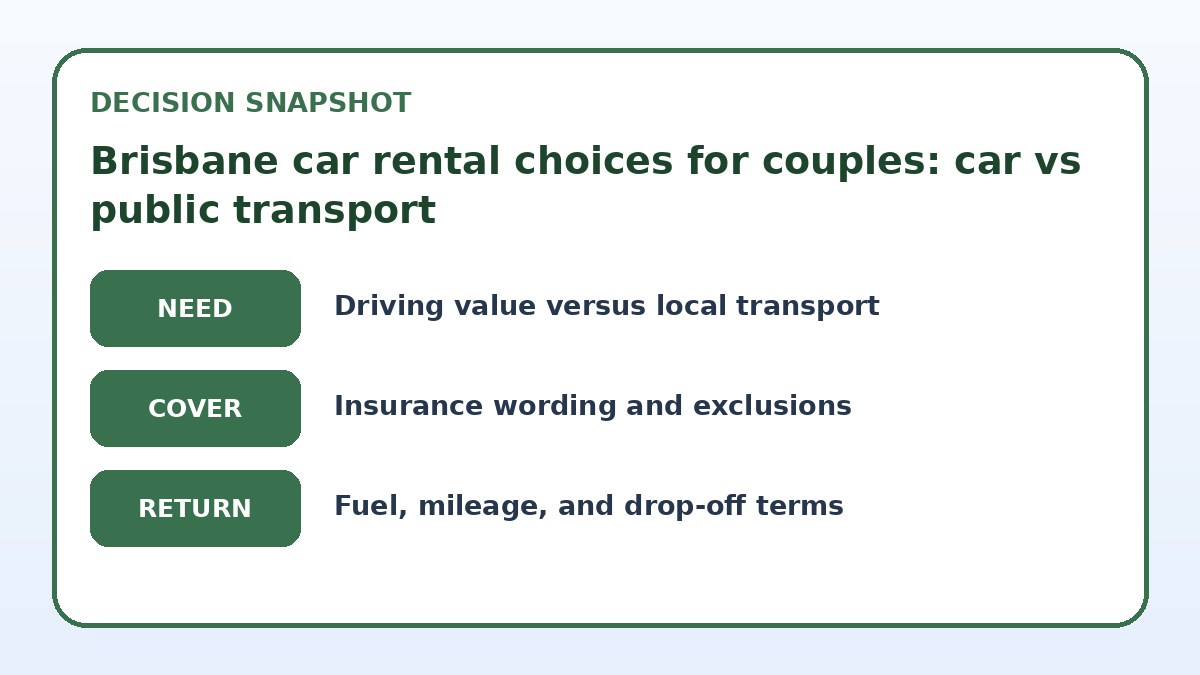
When provider details could change — for example, opening hours for rental desks, exact parking rules at accommodation, or specific insurance inclusions — verify each point on the provider’s booking page before payment. Look specifically for fuel policy, mileage limits, additional driver fees, and whether tolls are charged through a third-party transponder service. For public transport, check local ticketing zones and whether night services operate on your intended travel days; Trip.com can be used as one place to compare current rental availability, but confirm all operational details on the supplier or operator’s official pages.
| Approach | Best for | Tradeoff to check |
|---|---|---|
| Public transport focused | Couples staying centrally who prefer low logistical effort and more walking. | Less flexibility for early starts, late nights, or scattered rural day trips. |
| Rent a car for the whole trip | Couples planning multiple regional outings, coast drives, or rural stays. | Higher logistics burden: parking, fuel, tolls, and navigating unfamiliar roads. |
| Hybrid: transit plus short-term rental | Couples who want city ease and a few independent day trips without full rental costs. | Requires scheduling a rental day or two and checking pick-up/drop-off windows carefully. |
| Rideshare and taxis with no rental | Couples avoiding driving entirely but needing occasional door-to-door transport. | Costs can add up for frequent trips or long-distance day excursions outside the city. |
Ready to check the option that fits your plan?
Use your exact dates and traveler details so the provider page can show the current total and conditions.
Time, flexibility and stress factors
A rental gives you freedom to leave when you like, take scenic detours, and carry more gear—useful for extended coastal exploration or itineraries with several rural stops. Couples who value spontaneous photo stops, variable schedules, and the privacy of a car will appreciate that independence. However, driving in unfamiliar traffic, navigating one-way streets, and hunting for parking after dinner can add stress. Think about who will drive most of the time and whether both partners are comfortable driving in Brisbane traffic and on Australian roads.
Public transport, by contrast, removes parking worries and lets both people relax, drink, or enjoy the view on river ferries and trains. The city’s transit spine connects key tourist areas, but schedules constrain timing for early starts or late-night returns. For mixed plans, consider a hybrid approach: use transit for inner-city days and book a car for one or two dedicated day trips. That requires comparing day-rental options and drop-off flexibility to avoid awkward pick-up windows or extra fees.
Before you book
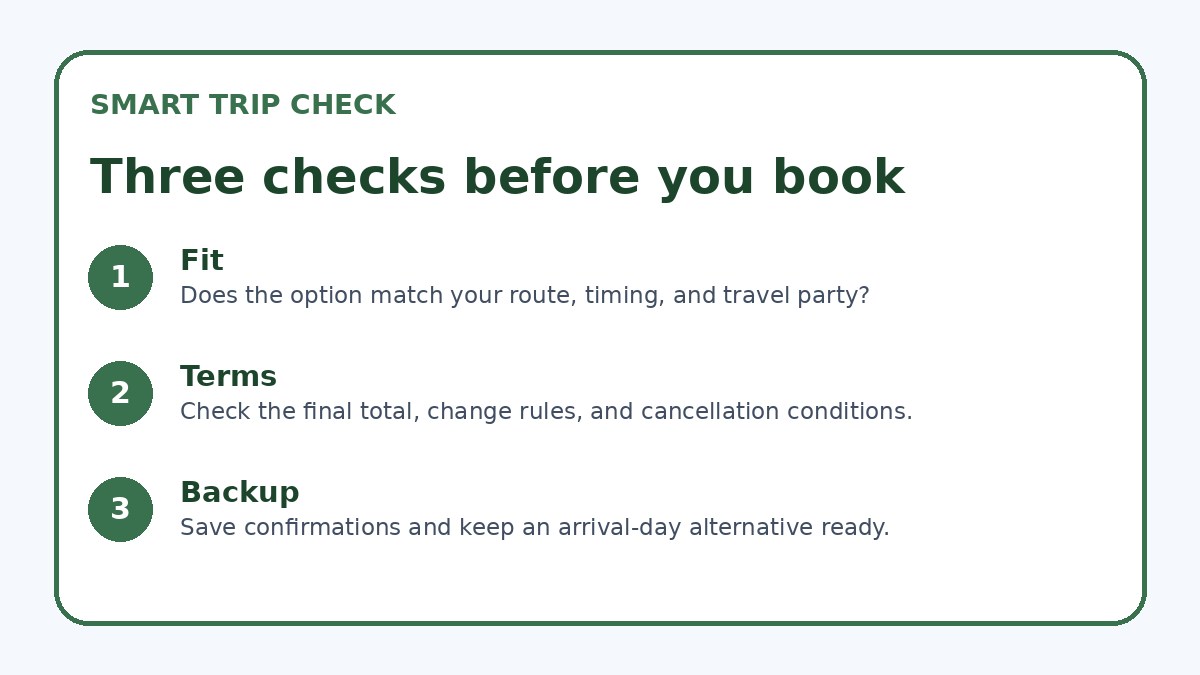
- Map your accommodation against your planned activities and mark which days require a vehicle for logistics.
- Estimate parking costs at your hotel and at top day-trip destinations and add them to the rental cost comparison.
- Compare transit travel times and night service frequency for your exact dates on official transport sites.
- On any rental page verify fuel policy, mileage limits, additional driver fees, insurance coverage, and roadside assistance terms.
- If planning toll roads, confirm how tolls are charged and whether the rental includes a transponder or post-trip billing.
- If mixing transit and rental days, check rental pick-up/drop-off windows and whether same-day returns are permitted without penalty.
Safety, environment and romantic considerations
Safety considerations for couples include local driving customs, the availability of well-lit public areas at night, and the density of late-night transport options. If you prefer minimized exposure to traffic incidents and want a relaxed evening stroll, a central stay plus transit and short rideshares is often the safer, more romantic choice. Ferries along the Brisbane River offer scenic, low-stress travel between districts, which can be part of the date-night experience without dealing with parking.
Environmental impact may matter if you’re a couple prioritizing lower carbon travel. Public transport and shared mobility reduce per-person emissions compared with individual driving. If you do rent, consider smaller vehicles and combine errands into single trips to reduce mileage. For decisions that hinge on sustainability or atmosphere, weigh the intangible benefits of a car-free city break — more time together walking and fewer logistics to manage — against the appeal of secluded coastal drives and remote picnic spots that are easiest accessed by car.
Frequently asked questions
How do I know if I should book a Brisbane car rental for day trips?
Decide by mapping each day: if a day requires reaching a place with few or no direct public services — for example, a remote lookout, multiple wineries, or a sequence of beaches along the coast — a car often saves time and adds flexibility. Count how many hours you would spend waiting for or transferring on buses and trains versus the driving time. Also weigh the cost of a single-day rental plus fuel and parking against round-trip fares or a rideshare estimate; include intangible benefits like privacy and the ability to carry picnic gear or photography equipment.
Can couples rely on public transit to get around Brisbane at night?
Public transit covers major corridors into the evening, and ferries and trains can be a pleasant way to go between districts early in the night. However, frequency decreases after core service hours and some suburbs have limited late services. For nights when you expect to be out late or are returning from areas with poor night service, plan a rideshare or taxi in advance as a safety and timing fallback. Always check official timetables for the exact dates of travel, and confirm any changes on the operator’s site before relying solely on transit for late returns.
What rental details should couples verify before booking?
Before you finalize a car reservation, verify the pick-up and drop-off times and locations, the allowed drivers on the contract, fuel policy (full-to-full versus other options), and any mileage limitations. Check insurance inclusions and whether your credit card or third-party insurer covers rental vehicles, and confirm roadside assistance terms. Also examine how tolls are handled and whether there are extra fees for young drivers, additional drivers, or returning the car after hours. Always review the supplier’s final booking page for these operational details because they can change.
Final planning note
For couples, the decision to rent a car in Brisbane comes down to itinerary shape, comfort level with parking and driving, and whether you prize flexibility over simplicity. If your nights and most attractions are clustered in the city, relying on public transport with an occasional rideshare will likely reduce hassle and free up time for walking, river cruises, and relaxed meals. If you imagine multiple coastal or hinterland days, or you value spontaneous detours and remote picnic spots, booking a Brisbane car rental for selected days — or for the whole stay — can be the better fit. Use the checklist items above, verify all rental and transit operational details on provider pages, and pick the plan that matches how you want to spend your time together rather than the lowest headline cost.
Continue planning
Check current options and final conditions
Use the provider page to confirm live availability, the final total, cancellation terms, and every condition that matters to your trip.
This evergreen planning guide was created with AI-assisted drafting and a structured quality review. It does not display live prices, schedules, availability, visa guidance, or provider rankings. Verify current details before booking. Some links are affiliate links; we may earn a commission at no additional cost to you.