If you’re traveling as a family from Ho Chi Minh City to Da Nang and prefer ground travel over flying, start by deciding whether you want a direct overland transfer, a two-leg trip combining train and bus, or a relaxed multi-stop itinerary that breaks the journey into child-friendly segments. The practical choice balances travel time, comfort, kid-friendly facilities, and how many overnight stops you want. For many families, splitting the trip into manageable days—one overnight stop halfway and a second short stop for sightseeing—makes the travel easier and more enjoyable than trying to push through in a single long leg. This article gives the quick planning answer up front, then walks you through tradeoffs, how to compare options, and an actionable checklist for booking and prepping your family for a safe, comfortable ground-based transfer between these two cities.
See current options before you compare the details
Availability and final conditions change. Open Trip.com now or keep reading for the practical comparison.
Choosing the overall route: direct versus staged ground travel
Start by deciding on the overall shape of your trip: a direct ground transfer (if available as a single service), a two-leg plan combining train and bus, or a staged journey that breaks the trip into multiple day segments. Families with young children often prefer staged travel because it reduces continuous travel time, allows for regular breaks, and turns transit into part of the vacation. Staged plans let you select stops that offer child-friendly attractions, parks, or quieter towns where a tired toddler can recharge. If you prefer fewer handoffs and quicker door-to-door time, aim for the fewest possible legs and choose higher-comfort services.
When comparing route shapes, factor in how you’ll move between stations and lodging. A staged route can require extra transfers—taxi or rideshare trips from train stations to hotels—so choose overnight spots with stations or intercity terminals near family-friendly neighborhoods. Also consider travel times that align with your children’s sleep schedules; overnight train berths can double as sleeping arrangements, while daytime travel with regular stops helps restless kids burn energy. Map the door-to-door itinerary so you can compare total transit hours and transfer complexity before booking anything.
Comparing trains, buses, and private cars for families
Trains often give families more space to move, walk around, and use dedicated sleeping berths on longer overnight legs. Evaluate train car classes and berth types on the provider’s booking page; look for family or couchette options if available and confirm whether meals or linens are included. Buses can be more numerous and flexible for intermediate stops, but coach seats may be tighter and transfers more frequent. If you consider private car hire for part or all of the journey, count the benefit of door-to-door convenience against often higher costs and longer single-leg driving times, especially when traveling with safety seats or bulky luggage.
Think about practical needs: restroom access, easy boarding with strollers, and space for snacks and entertainment. On trains you can usually stand and move between carriages and visit dining areas; on buses, plan for scheduled bathroom breaks and pack travel-friendly toilet supplies and hand sanitizer. If you plan multiple legs with different operators, verify luggage allowances and whether you must collect bags at transfers. When choosing services, visit the provider’s official booking pages to confirm seat configurations, family seating policies, and any child fare rules.
| Approach | Best for | Tradeoff to check |
|---|---|---|
| Fewer legs (direct or two-leg) | Families prioritizing shorter total travel time | Less flexibility for sightseeing and fewer restful stopovers for young children |
| Staged multi-day route with overnight stops | Families wanting relaxed pacing and sightseeing en route | More transfers and higher logistical complexity when switching operators |
| Train-focused plan | Families who value onboard space and ability to move | Fixed schedules and potential limits on station proximity to attractions |
| Bus or car-mix plan | Families needing flexibility and access to off-route stops | Smaller seats for long periods and more frequent bathroom or rest breaks |
Ready to check the option that fits your plan?
Use your exact dates and traveler details so the provider page can show the current total and conditions.
Designing kid-friendly stopovers and activities en route
Pick stopover towns that reduce transfer friction and offer easy access to family-friendly activities. Look for stops with parks, calm beaches, simple museums, or short walking streets where kids can expend energy after a day on the move. Rather than maximizing sightseeing, prioritize conveniences for families: accommodation with family rooms, simple meal options, and proximity to the station. Keep daily travel legs to durations your children can handle—splitting a long journey into two or three shorter days often improves everyone’s mood and keeps the trip feel like a vacation instead of a marathon.
Be realistic about how much you’ll do during stopovers. Young children may need early beds and predictable meal times, while older kids may enjoy a short guided walk, a beach break, or a kid-oriented museum stop. Research whether popular attractions require advance tickets or have timed entry, and schedule your travel so that arrival times leave enough daylight to check in and do at least one easy activity. Confirm local taxi or shuttle options from the station to your hotel before arrival to avoid long waits with tired children.
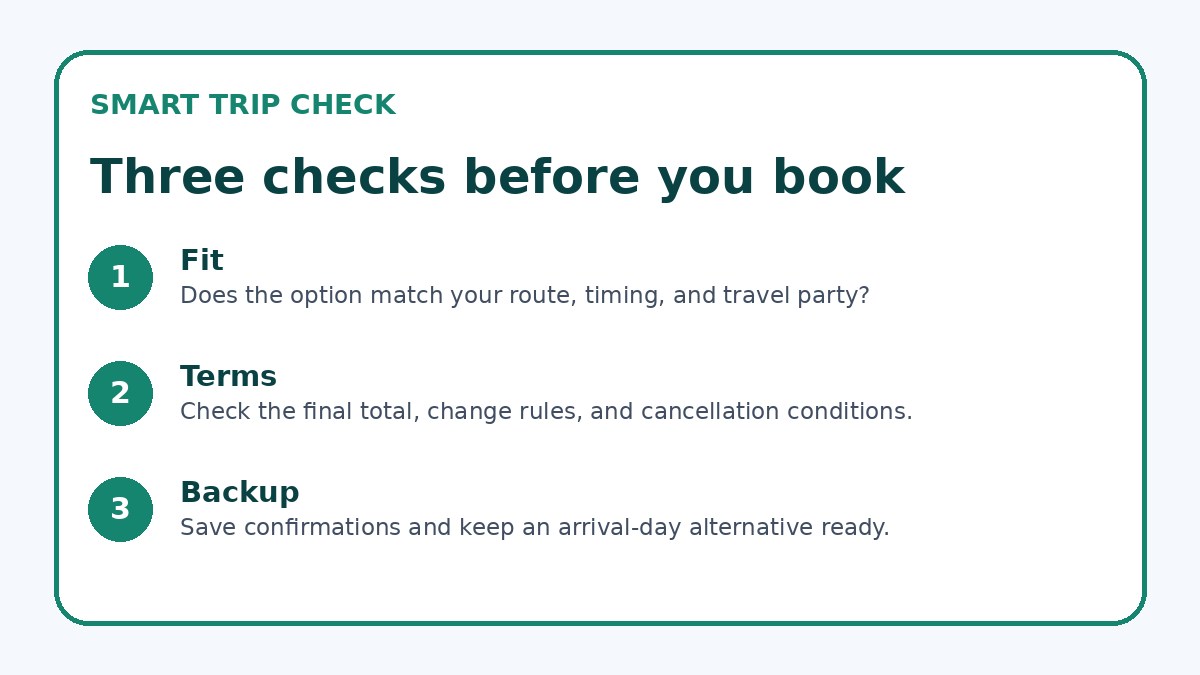
Before you book
- Map door-to-door travel times for each leg, including transfers between stations and hotels.
- Confirm seat/berth types and family seating policies on each provider’s official booking page.
- Reserve accommodation near stations or terminals to minimize transfer time with children.
- Pack a transit kit with snacks, medication, wipes, spare clothes, and quiet activities for each child.
- Measure luggage and confirm allowances for each operator to avoid re-packing at transfers.
- Arrange local transfers from station to hotel in advance, and save driver contact details where possible.
What to verify and book before you travel
Before you finalize bookings, confirm the operative details on each provider’s official booking page: seat or berth availability, luggage allowances, family seating options, cancellation and change policies, and whether infant or child fares apply. When combining services from different operators, check transfer points carefully—note station names, likely pickup/drop-off locations, and how far terminals are from the town center. If you plan to use child safety seats or a stroller, verify the vehicle or operator’s policies and whether you must bring your own restraints.
Also check practical logistics: the earliest check-in times for trains or coaches, whether overnight services include bedding, and how refunds or rebookings are handled if you need to change plans. Confirm any special assistance for families, such as priority boarding or accessible restrooms, through the provider’s customer service or booking notes. For convenience, compare current options on a booking aggregator like Trip.com as one of several sources, but always verify critical terms and final totals on the operator’s own site before payment.
Frequently asked questions
Is ground travel between Ho Chi Minh City and Da Nang practical for families?
Ground travel can be practical, especially if families prefer space and the chance to stop en route. Practicality depends on how you structure the trip: a two-leg or staged multi-day plan reduces continuous travel time and lets children rest and explore, while a direct long ground leg minimizes handoffs but increases uninterrupted sitting time. Consider your children’s ages, tolerance for sitting, and whether overnight train berths or family rooms at intermediate towns make staged travel more attractive. Verify service details and comfort options on operator booking pages before committing.
How do I choose between train and bus legs for my family?
Choose trains when you want room to move, sleeping berths on overnight legs, and a more relaxed onboard environment; choose buses when you need more flexible schedules or need to reach locations off the rail corridor. Compare seat widths, restroom access, and how often buses stop for breaks. Also factor in luggage rules and stroller policies, which vary by operator. For mixed itineraries, check transfer logistics to ensure station locations and timing match your family’s needs.
What are the most important booking checks for family ground travel?
Before booking, check seat or berth availability, luggage and stroller policies, child fares, and cancellation/change terms on the provider’s booking page. Confirm station names and transfer points, and whether any overnight services provide bedding. If you’ll need car seats, verify vehicle policies or plan to bring your own. Finally, ensure accommodation is close to stations and has family rooms; prebook local transfers if arrival times fall outside regular public transport hours.
Final planning note
Planning ground travel from Ho Chi Minh City to Da Nang for a family requires balancing comfort, time, and the number of transfers. Decide first whether you want speed or relaxed stops, then match transport modes to your family’s needs—trains for space and overnight berths, buses or car legs for flexibility and off-route stops. Choose stopovers that minimize transfer friction and prioritize family conveniences like nearby hotels and simple meal options. Before you book, verify seat types, luggage rules, and transfer logistics on each operator’s booking page, and follow the checklist to reduce surprises. With a clear route shape and realistic expectations, a multi-city ground plan can make the journey part of the family adventure rather than a rush to the next destination.
Continue planning
Check current options and final conditions
Use the provider page to confirm live availability, the final total, cancellation terms, and every condition that matters to your trip.
This evergreen planning guide was created with AI-assisted drafting and a structured quality review. It does not display live prices, schedules, availability, visa guidance, or provider rankings. Verify current details before booking. Some links are affiliate links; we may earn a commission at no additional cost to you.