
If your family is weighing when to visit Macau, aim your planning at the shoulder seasons—the weeks just outside the busiest summer and holiday peaks. Practically speaking, that means prioritizing travel dates when hotels may have more family-room options and venues are less crowded, while still keeping fair weather and full attraction hours. Start by narrowing your school-break windows and then compare week-by-week availability and cancellation flexibility. Use the shoulder-season approach to balance quieter days at family attractions with a wider selection of accommodation types and better on-the-ground ease: easier restaurant bookings, shorter queues at ferries and museums, and more flexible dining times for young children. This guide explains how to spot useful Macau travel deals for families, tradeoffs to expect, and the exact details you should verify on supplier pages before you commit.
See current options before you compare the details
Availability and final conditions change. Open Trip.com now or keep reading for the practical comparison.
Why shoulder seasons suit families in Macau
Shoulder seasons are valuable for families because they hit a middle ground: you avoid the heaviest crowds and summer heat while still enjoying largely normal operating hours at major attractions. For families with young children, this often means calmer hotel lobbies, shorter lines at kid-focused sites, and more available times for kid-friendly shows or character dining experiences. Unlike peak periods, when many activities sell out or require strict timed tickets, shoulder periods often let you book closer to travel dates and still secure family-friendly rooms.
That said, shoulder seasons are not identical every year and can differ between weekdays and weekends within the same window. A weekday shoulder stay can feel markedly quieter than a weekend in the same month. For practical planning, treat shoulder-season bookings as flexible opportunities: make reservations that allow simple date changes and confirm any family benefits—free child stays, rollaway beds, or suite configurations—directly with the hotel on the booking page before finalizing.
How to compare Macau travel deals for families
Start your comparison on a few major aggregator pages and the properties’ own sites, then narrow by three family criteria: room configuration (connecting rooms or suites), meal inclusions (breakfast or half-board), and cancellation flexibility. For each result, open the provider’s final booking page and verify total fees, child-age rules, and the exact wording of any refundable terms. If you use Trip.com or another platform, treat its listings as a starting point and then confirm policy details with the hotel or activity operator because those specifics change more often than promotional labels.
Also compare the practical timing of your travel: arriving mid-week can reduce transit queues and give your family a relaxed first day, while departing on a weekday can avoid weekend ferry or border congestion. When flights or ferries list both direct and connecting options, weigh the convenience of shorter travel against the possible upside of cheaper connecting itineraries; always re-check total travel time and layover convenience rather than assuming cost equates to time saved.
| Approach | Best for | Tradeoff to check |
|---|---|---|
| Mid-week shoulder stay | Families wanting quieter days and flexible daytime plans | Fewer evening entertainment options; need to confirm weekday attraction hours |
| Weekend shoulder stay | Families constrained to weekend travel or combining with local events | Higher crowds than mid-week and possibly fewer discounted rates |
| Shoulder stay with flexible cancellation | Families who need date flexibility for school or health reasons | Often higher upfront cost or less promotional extras included |
| Short shoulder break (2–3 nights) | Families with limited leave who want a low-stress intro to Macau | Less time for rest between activities and ground transport delays |
Ready to check the option that fits your plan?
Use your exact dates and traveler details so the provider page can show the current total and conditions.
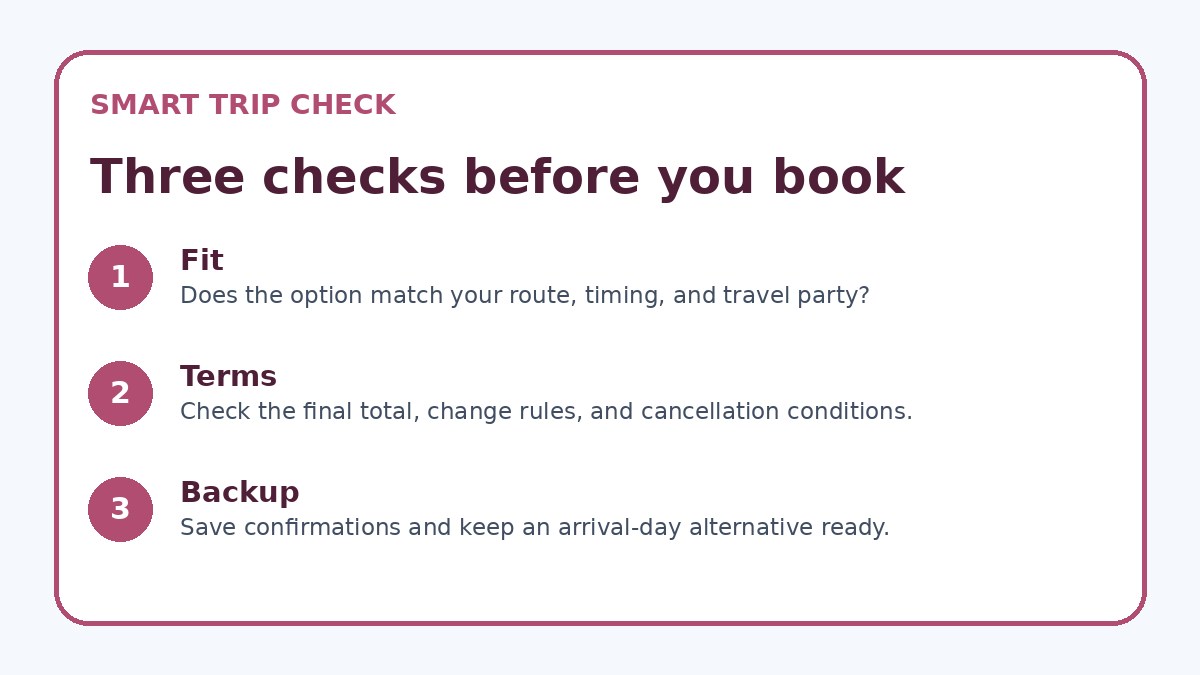
Tradeoffs families should expect in shoulder periods
Choosing a shoulder season reduces crowds but may narrow specific entertainment options—special seasonal shows or limited-run exhibits sometimes run only during peak months. Restaurants geared toward tourists also adjust hours based on demand; you may find fewer late-night family dining choices than at peak times. For families that value a full slate of seasonal programming, this means accepting simpler daily itineraries in exchange for less waiting and more relaxed mornings.
Another tradeoff is availability of child-specific perks. Hotels occasionally stack promotions—free breakfasts for kids or discounted attraction tickets—into peak or promotional windows, so a shoulder-season rate isn’t always the cheapest net value once extras are counted. To judge the real cost, add up the per-person benefits and compare two full packages: a shoulder-season room with standard inclusions and a peak-period deal that bundles child perks.
Before you book
- Choose two alternative date ranges within the shoulder window and compare availability for family rooms on each date.
- Open the hotel’s final booking page and verify child-age definitions, crib/rollaway policies, and any extra bedding fees.
- Confirm cancellation and change fees for both accommodation and major activities before placing a deposit.
- Check attraction operating days and whether timed-entry tickets must be booked in advance for family visits.
- Compare direct versus connecting transport options and verify total door-to-door travel time for each choice.
- Purchase travel insurance that covers family-specific scenarios and confirm how to change dates if a child’s illness forces rescheduling.
What to verify before you book
On every booking page, confirm the room configuration and any child-age rules—some properties treat under-3s differently than older kids for breakfast or bedding. Double-check the cancellation window and whether refunds are full or partial. Look for explicit statements about crib or rollaway availability, whether those items incur a charge, and whether family breakfast is complimentary. If the hotel lists shuttle or ferry services, verify schedules and whether seats must be reserved separately; do not assume transport details are fixed.
For activities and attractions, confirm operating days and whether advance timed tickets are required; some family attractions shift to reduced hours in shoulder periods. If you plan to use public ferries or express services, compare direct and connecting options and confirm boarding procedures, baggage rules, and recommended arrival times. Finally, if you need visas, travel insurance, or specific medical documentation, verify those entry and health requirements with official government or carrier pages rather than depending solely on deal descriptions.
Frequently asked questions
How can I tell if a hotel family room listed in a deal will actually fit our needs?
Don’t rely only on the promotional room title. Open the hotel’s full description and look for bed maps, photos showing sleeping arrangements, and explicit notes on connecting rooms or suites. If those details aren’t clear, contact the property through the booking platform or by phone to request exact room dimensions, bed types, and whether a rollaway or crib is included or needs separate booking. Also verify any extra-person fees and whether those apply to children of specific ages on the booking page.
Are shoulder-season deals safe for families who need consistent attraction hours?
Shoulder seasons generally preserve normal attraction hours, but some venues reduce evening or weekday services. For family-sensitive plans—shows with set times or attractions that close early—check the attraction’s official schedule and any notice about seasonal hours before you book. If a key activity has limited hours in your chosen shoulder window, consider shifting dates or selecting a different day-of-week to ensure the experience fits your family’s routines and nap times.
Should I use an aggregator to find Macau travel deals or book directly with hotels and ferries?
Aggregators are good for initial comparisons and spotting date flexibility; however, always open the provider’s final booking page to confirm cancellation policies, child rules, and total charges. Use an aggregator like Trip.com as a starting point if you wish, but validate the details on the hotel or ferry operator’s site before you finalize payment. Direct booking can simplify changes and special requests, while aggregators may show package options—so weigh convenience against the need for clear, up-to-date policy language.
Final planning note
For families, shoulder seasons in Macau offer a practical way to reduce stress without sacrificing core attractions—quieter mornings, more room choices, and easier dining arrangements make for relaxed days with kids. The right approach is to lock in flexible reservations, verify child-specific policies on the provider’s live booking page, and compare weekday versus weekend tradeoffs. Use a short checklist to confirm room layout, cancellation terms, attraction hours, and transport options before paying. When you plan with those checks in mind, shoulder-season travel becomes a dependable strategy for smoother family trips to Macau.
Continue planning
Check current options and final conditions
Use the provider page to confirm live availability, the final total, cancellation terms, and every condition that matters to your trip.
This evergreen planning guide was created with AI-assisted drafting and a structured quality review. It does not display live prices, schedules, availability, visa guidance, or provider rankings. Verify current details before booking. Some links are affiliate links; we may earn a commission at no additional cost to you.