If you’re traveling Bangkok to Chiang Mai, the most useful start is to decide which transport mode fits your priorities: speed, comfort, scenery, or budget. For most first-time visitors the tradeoffs are simple — flights save time but need airport transfers and security windows; trains offer a relaxed, scenic day or overnight option with varying seat classes and sleeper choices; buses are often the most flexible for schedules and pick-up locations but can be longer and less comfortable for overnight travel. Use this article to prepare the travel day itself: what to pack, when to leave your hotel, how to confirm tickets and seat assignments, and what to check on the operator’s final booking page before you commit. I also explain how to compare direct versus connecting options and what to expect at stations and airports so your travel day runs more smoothly.
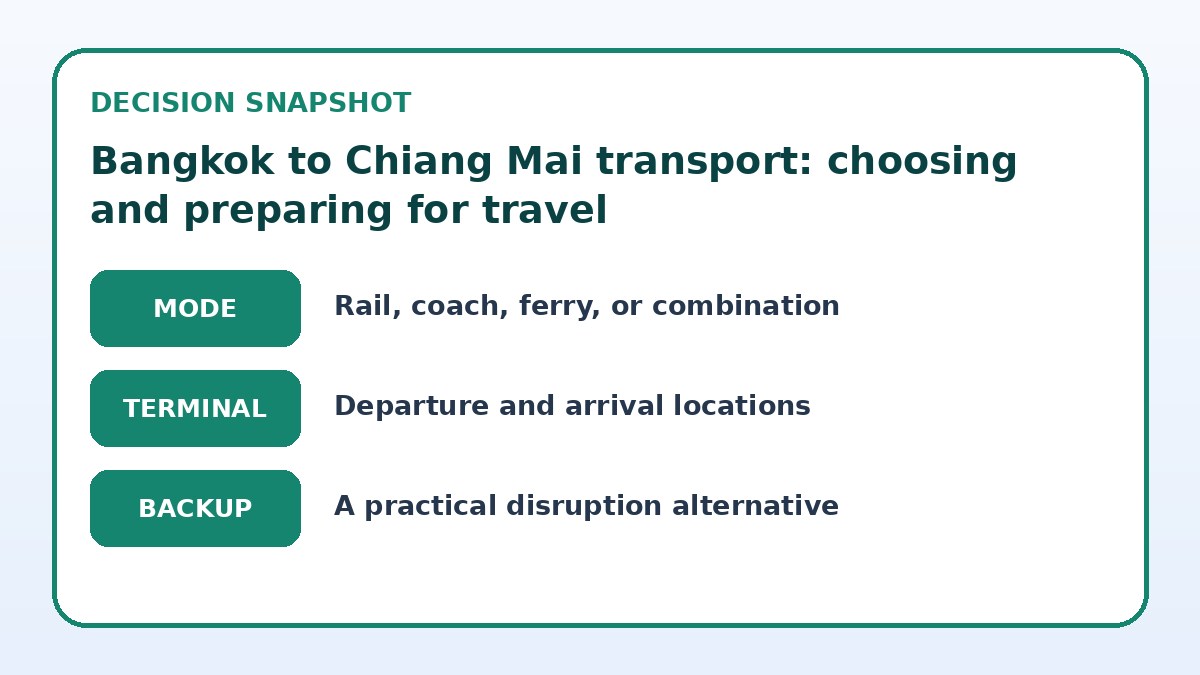
See current options before you compare the details
Availability and final conditions change. Open Trip.com now or keep reading for the practical comparison.
Choosing between flight, train, and bus
Start by ranking what matters to you most: time, comfort, scenery, or cost flexibility. Flights between Bangkok and Chiang Mai are the fastest way to cover the distance and make sense if you have limited days. Trains offer daytime routes with views or overnight sleepers where you can rest; they suit travelers who enjoy moving nights or who want a more scenic, relaxed pace. Buses tend to have the most departure options across the day and can drop you closer to neighborhood hubs, which helps if your hotel isn’t near major stations. Each mode has different boarding procedures and luggage allowances, so pick the option that matches how you want to spend the travel day rather than only the lowest fare.
When comparing direct and connecting options, look at total door-to-door time and what each leg requires: extra transfers, terminal changes, or overnight layovers. Some cheaper air fares include a connection that adds significant time and complexity; similarly, some long-distance bus routes include mid-route transfers. For trains, verify whether a service is direct to Chiang Mai or requires a change at an intermediate station. If you’re uncertain about schedules or seat classes, check operator pages or a comparison site such as Trip.com for current availability, then verify the final details on the provider’s official booking page before you pay.
Preparing for the travel day logistics
Plan your pre-departure timing with realistic buffers for Bangkok traffic, security checks, and boarding times. If you’re leaving from an airport, allow extra time for transportation to the terminal and airline check-in procedures; if you’re traveling by train or bus, factor in local traffic and time needed to find the correct platform or bay. Confirm the exact station or airport terminal on the provider’s booking page and map it relative to your accommodation. Arrange onward transport at your Chiang Mai destination in advance when possible; a pre-booked taxi or hotel transfer can remove uncertainty after arrival, particularly late at night.
Check luggage rules and seat assignments before you leave for the station or airport. Rail and long-distance bus companies may have strict size limits, and some cheaper fares on flights exclude checked baggage. If you need to reserve a sleeper bed or a window seat, do it as early as possible. Print or screenshot tickets, and keep ID and passport accessible during boarding. Make contingency plans for potential delays: know the local emergency numbers, the location of the station help desk, and where to charge your devices if your transfer runs late.
| Approach | Best for | Tradeoff to check |
|---|---|---|
| Flight | Travelers prioritizing speed and saving daytime for activities | Requires transfers to/from airports, security time, and possible luggage rules |
| Day train | Passengers who want scenery and a relaxed daytime journey | Longer travel time than flying and variable seating comfort |
| Overnight sleeper train | Those who prefer to sleep en route and save accommodation costs | Bedding and berth quality vary; verify sleepers and linens on booking page |
| Long-distance bus | Travelers seeking flexible schedules and more drop-off points | Often less legroom and comfort on overnight runs compared with trains or flights |
Ready to check the option that fits your plan?
Use your exact dates and traveler details so the provider page can show the current total and conditions.
Packing and comfort for the travel day
For a comfortable travel day pack a carry bag with travel essentials you’ll need during the journey: passport and ID, printed or digital tickets, a portable charger, noise-cancelling earphones or earplugs, an inflatable neck pillow for longer trips, and basic first-aid items. Include a lightweight layer because temperatures can vary widely on aircraft, in train carriages, and on buses. Bring refillable water and compact snacks so you aren’t dependent on irregular service stops—this is particularly useful for overnight journeys when food options may be limited. Keep valuables and medications in your carry bag rather than checked luggage.
If you plan to sleep en route, prioritize items that improve rest: an eye mask, warm socks, and a clean travel blanket or large scarf. For longer daytime train journeys, a slim daypack that fits under the seat keeps essential items within reach without blocking aisles. Label your luggage clearly and take a photo of bags and valuables before departure; this simplifies reporting if something gets misplaced. Finally, learn a few basic Thai phrases for station announcements and taxi directions—it makes interactions smoother and can help if you need to alert staff to a delay or change.
Before you book
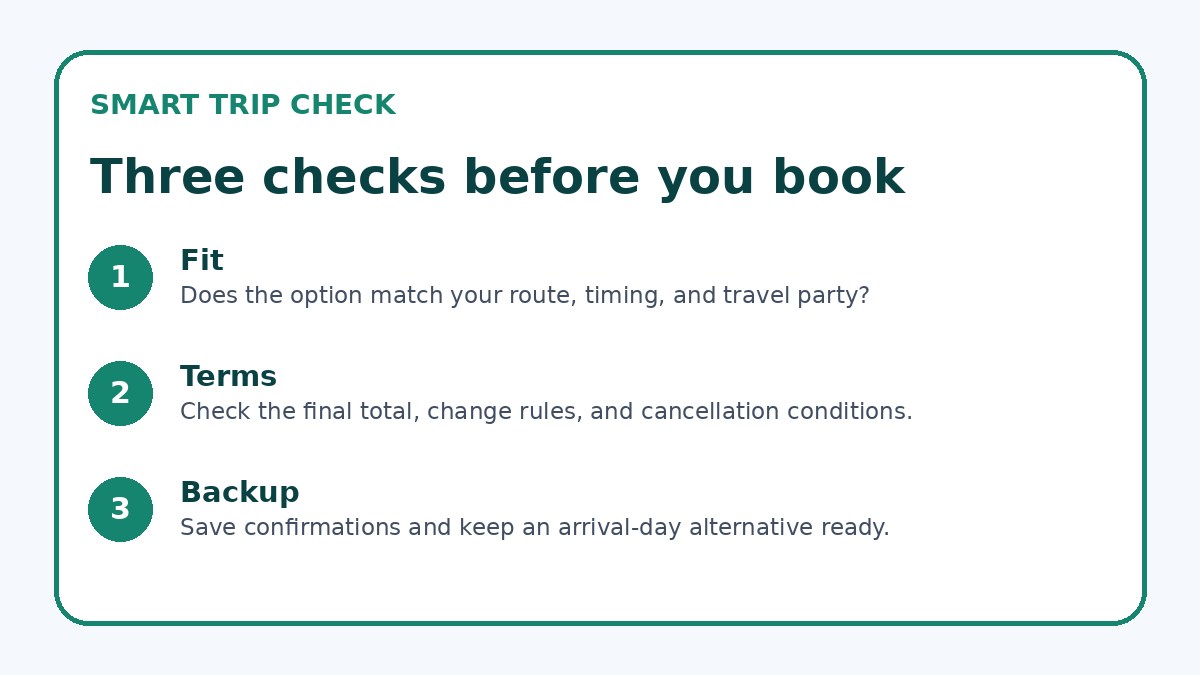
- Confirm exact departure/arrival station or airport and note terminal or platform details on your phone and a hard copy.
- Verify baggage allowance and whether your fare includes checked luggage, seat or sleeper assignment, and onboard amenities.
- Book or arrange reliable transport to your departure point with extra buffer time for Bangkok traffic.
- Pack a carry bag with passport, tickets, charger, snacks, refillable water, medications, and a small travel blanket.
- Screenshot or print the provider’s final booking page showing terms, cancellation policy, and contact details.
- Pre-arrange onward transport in Chiang Mai or save local taxi contact options to avoid searching on arrival.
What to verify on the final booking page
Before you complete any booking, verify the exact departure and arrival points, including terminal, station name, and platform or gate conventions. Confirm baggage allowances, any seat or berth numbers, and whether meals are included. Read the cancellation and change policies so you understand penalties or restrictions if your plans shift. Look for any required documentation such as national ID or passport presentation at check-in, and check whether the fare includes extras like priority boarding or transfers. If a provider’s final page lists additional surcharges or optional fees, evaluate whether those are necessary for your comfort and schedule.
Double-check pick-up times for any included transfers and the instructions for meeting point procedures, especially if your transfer is a shared shuttle with specific departure windows. If you’re booking a connecting service, verify minimum connection times and whether you must collect and re-check luggage between legs. For overnight trains, confirm whether the booking assigns a specific sleeper compartment or only a berth class, and whether linens are provided. For flights, read the boarding time window and airport arrival recommendations. If you used a comparison site like Trip.com to narrow options, return to the operator’s official page for the definitive terms and to complete payment.
Frequently asked questions
How far in advance should I arrive for a train or bus departure in Bangkok?
Aim to arrive earlier than you might expect because Bangkok traffic, ticket counters, and station layouts can add extra time. For trains, arriving at least 30–60 minutes before departure gives you space to find platforms, check luggage if needed, and locate your carriage. For long-distance buses, 20–40 minutes is a reasonable minimum for ticket checks and boarding, but if you have large bags or are unfamiliar with the station, allow more time. If you’re traveling during public holidays or peak travel seasons, err on the side of earlier arrival and confirm boarding instructions on the operator’s booking page.
Is it better to take an overnight sleeper train or fly during the day?
The choice depends on your priorities. An overnight sleeper train saves daytime hours and can feel part of the journey if you enjoy train travel and want to wake up near Chiang Mai. It may also reduce accommodation costs for the night. Flying during the day returns travel time to a fraction of rail travel, giving you more time for sightseeing in Chiang Mai, but factor in airport transfers and security. Compare total door-to-door time, comfort needs, and whether you prefer to sleep on the move or arrive well-rested in daylight, and verify sleeper berth details or flight transfer requirements on the booking page.
What should I do if my onward connection in Chiang Mai is late at night?
If your arrival is late, plan a safe and simple arrival strategy: pre-book a reputable taxi or arrange a hotel transfer so you don’t need to find transport from an unfamiliar location. Confirm where official taxis queue at the station or airport and save the hotel’s address and phone number in Thai, as well as a map pin. Keep emergency cash and a charged phone with local SIM or roaming enabled. If you’ll be traveling with luggage, prioritize services that can pick you up directly from the arrivals area. Always re-check the provider’s guidance about late arrivals and any after-hours contact numbers on the booking confirmation.
Final planning note
Preparing your Bangkok to Chiang Mai travel day lets you control what matters: time saved, comfort, or a scenic experience. Decide first on the travel mode that matches your priorities, then verify exact departure and arrival points, baggage rules, and any seat or sleeper assignments on the provider’s final booking page. Pack a thoughtful carry bag, arrange timely transfers, and create contingency plans for delays or late arrivals. Use comparison tools to shortlist options, and when you’re ready to book, confirm the detailed terms with the operator. These steps make the travel day predictable and let you enjoy Chiang Mai sooner.
Continue planning
Check current options and final conditions
Use the provider page to confirm live availability, the final total, cancellation terms, and every condition that matters to your trip.
This evergreen planning guide was created with AI-assisted drafting and a structured quality review. It does not display live prices, schedules, availability, visa guidance, or provider rankings. Verify current details before booking. Some links are affiliate links; we may earn a commission at no additional cost to you.