Practical answer first: if you’re solo and carrying more than a carry-on, prioritize a high-speed rail or private transfer that explicitly allows and stores large suitcases; if you travel light, intercity buses and standard trains are usually easier on the wallet and still convenient. Decide by comparing door-to-door convenience, luggage allowance and handling, mobility during the journey, and how comfortable you are moving large bags across stations and transfers. In short, match your bag size and number, walking tolerance, and appetite for transfers to the transport option: fewer transfers and guaranteed luggage space mean higher convenience; lower fare and more frequent departures mean more walking and bag juggling. The rest of this guide explains tradeoffs, what to verify before booking, packing tips, and a practical checklist so you can book the right option with confidence.
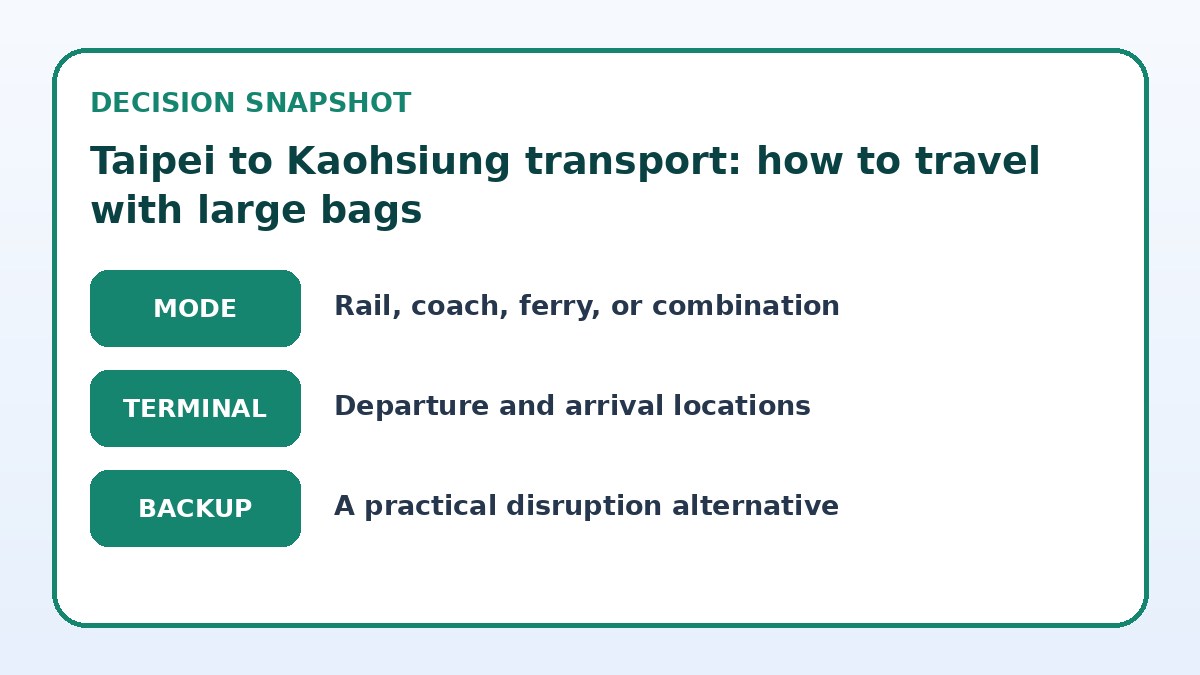
See current options before you compare the details
Availability and final conditions change. Open Trip.com now or keep reading for the practical comparison.
Choosing the transport type: convenience versus effort
When deciding between high-speed rail, conventional trains, intercity buses, and private transfers, think in terms of handling and transfers. High-speed rail services often provide more luggage-friendly carriages and simpler station layouts, so you spend less time lifting bags up stairs or across crowded platforms. Conventional trains and buses may have looser luggage rules but can mean aisle storage, limited overhead space, or luggage racks that require you to lift heavier items. If your itinerary includes connections, add the effort of moving luggage between modes: each transfer multiplies the hassle.
Private transfers remove virtually all transfers and the physical carrying—pick them if you value door-to-door convenience and need reliable space for oversized items. They can also be cost-effective for larger groups or when time is tight, but you must confirm vehicle capacity and any limits on the number or size of bags before booking. For solo travelers on a budget, balancing fewer transfers with manageable luggage and a short taxi from station to accommodation often presents the best compromise.
Station access and last-mile considerations
Look beyond the route itself and map how you’ll get from your lodging to departure and from arrival to where you stay. Some stations have elevators, escalators, and level access while others require stairs or longer walks between platforms and exits. A station with clear signage and elevators reduces the effort of moving suitcases. If the station lacks convenient vertical transport, factor in extra time and possibly a helper or porter. Confirm arrival station locations—some cities have multiple railway stations that serve different routes; arriving at the right station saves a taxi or extra transit.
Also consider where taxis and ride-hailing pick up passengers; in many cases the most convenient taxi rank is near a specific exit or requires a short walk. If you plan to use public transit after arrival, ensure your luggage fits on that mode. If you need assistance, many stations offer porter services or luggage storage—verify availability and exact pickup/drop procedures on the operator’s booking page before you finalize travel plans.
| Approach | Best for | Tradeoff to check |
|---|---|---|
| High-speed rail or premium train | Solo travelers with one large suitcase who want minimal handling and a fast, direct option. | May require booking a seat with luggage allowance and can be less frequent at off-peak times; check luggage rules. |
| Conventional intercity train | Travelers comfortable carrying bags a short distance and looking for frequent departures and flexible fares. | Storage may be limited to racks or overhead bins and stations can involve stairs or longer walks. |
| Intercity bus | Those prioritizing lower cost and direct routes with underfloor luggage bays for standard suitcases. | You may need to wait while luggage is loaded and unloaded; internal aisle space can be tight for large items. |
| Private or shared transfer | Travelers wanting door-to-door service without carrying heavy bags between modes. | Higher outlay and variability in vehicle size—confirm vehicle capacity and exact pickup details before booking. |
Ready to check the option that fits your plan?
Use your exact dates and traveler details so the provider page can show the current total and conditions.
Packing and luggage handling tips for solo travelers
Pack so you can move quickly and confidently: use a single medium-sized roller or wheeled suitcase plus a comfortable daypack rather than multiple large bags. Balance weight so you can lift your main bag into racks or car trunks without assistance. Use packing cubes to compress clothing and keep essentials accessible. Place travel documents, a phone charger, medication, and a small towel or a lightweight rain layer in your daypack; that way you can manage short walks and platform waits without bringing the larger suitcase into crowded areas.
Bring a luggage strap with an ID tag and consider a simple cable lock for peace of mind during short stops. If you have fragile or oddly shaped items, add a protective cover or padding and verify whether the transport option allows oversized luggage. For long layovers or city stops, check whether the arrival station offers short-term luggage storage; using station lockers can reduce the burden while you explore, but confirm size limits and access hours directly with the station operator.
Before you book
- Measure and photograph your bags; note dimensions and weight limits to compare with operator luggage policies.
- Confirm exact departure and arrival station names and the nearest station exit to your hotel or pick-up point.
- Contact the carrier or check the booking page for explicit luggage allowance rules and whether you must reserve space.
- Reserve or plan a short taxi transfer from the station to avoid carrying bags long distances if station access is poor.
- Pack a compact daypack with essentials so you can leave the main suitcase at a locker or in the luggage hold if needed.
- Save booking confirmation, luggage policy screenshots, and a local contact number in an easy-to-access place on your phone.
What to check and confirm before booking
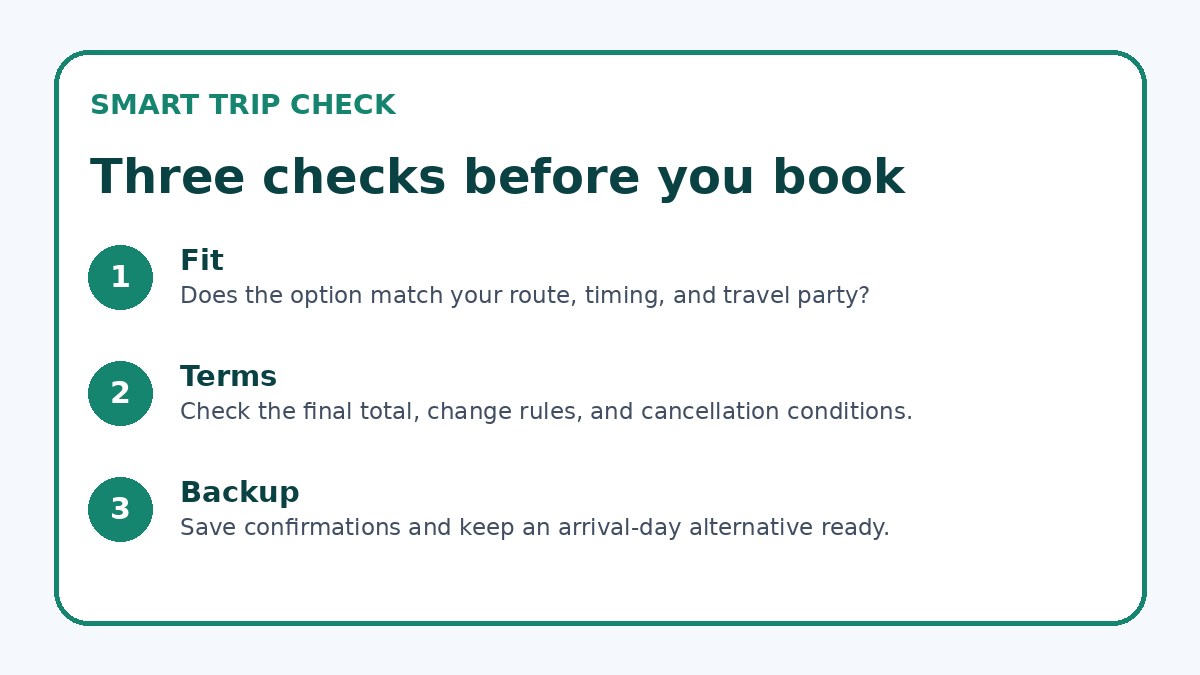
Before you finalize any booking, verify four key things: the exact departure and arrival stations, luggage allowances and dimensions, transfer or platform procedures, and how refunds or changes work if you need to switch plans. Providers sometimes display rules in terse language—look for the fine print about baggage size, weight, and number of items allowed, and whether you need to reserve a luggage slot. When providers list services that might change, consult the operator’s final booking page or customer service to confirm current conditions.
If you’re using third-party booking platforms like Trip.com to compare options, treat them as a comparison tool and double-check the carrier’s official page for final luggage rules and boarding instructions. Also check whether seats or luggage storage must be reserved (some rail services require this) and what identification you must present when collecting checked luggage. Making these confirmations before you pay will avoid surprises at departure and give you time to arrange a taxi or short transfer if the station layout is awkward for heavy bags.
Frequently asked questions
Can I bring oversized luggage on trains between Taipei and Kaohsiung?
Most rail and coach operators accept standard suitcases but define oversized items differently. Before traveling, check the operator’s baggage guidelines on the booking page: they will state size and weight limits, whether oversized items require prebooking, and any additional handling procedures. If the policy is unclear on the booking page, contact customer service directly and ask how they handle items that exceed normal dimensions, what additional fees or restrictions apply, and where such items are stored during the journey.
What’s the easiest way to move a heavy suitcase through busy stations alone?
Use a wheeled suitcase with a telescoping handle and sturdy wheels, and position heavier items near the base. Choose routes with fewer transfers and station exits with elevators or ramps when possible. Allow extra time so you can move at a comfortable pace, and if needed request assistance at station information desks—many stations can offer help or direct you to an elevator. If the last-mile is short, consider booking a taxi to the station entrance to avoid carrying the bag through crowds.
Is it worth using luggage storage at the station during a long layover in Kaohsiung or Taipei?
Luggage storage can be very useful if you want to explore without hauling bags, but sizes, hours, and security options vary by station. Check the station or carrier’s site for locker dimensions and access times. If you plan to use storage, avoid leaving valuables, note retrieval procedures and opening hours, and budget time to return and reclaim bags before your next departure. Confirm these details on the operator’s final booking or station information page to avoid surprises.
Final planning note
Choosing how to travel from Taipei to Kaohsiung with luggage comes down to a simple equation: how much handling you tolerate versus how much door-to-door convenience you want. High-speed rail and private transfers minimize lifting and transfers; conventional trains and buses require more carrying but can be flexible and cost-effective. Before you book, confirm station locations, luggage allowances, whether luggage space must be reserved, and last-mile access for taxis or elevators. Take a measured approach—pack efficiently, verify policies on the provider’s booking pages, and use the checklist here to turn a potentially stressful transfer into a smooth and manageable part of your solo trip.
Continue planning
Check current options and final conditions
Use the provider page to confirm live availability, the final total, cancellation terms, and every condition that matters to your trip.
This evergreen planning guide was created with AI-assisted drafting and a structured quality review. It does not display live prices, schedules, availability, visa guidance, or provider rankings. Verify current details before booking. Some links are affiliate links; we may earn a commission at no additional cost to you.