
Practical answer first: for most couples planning a trip to Singapore, aim to start locking in flights 2–5 months before travel and hotels and key experiences 1–3 months ahead, adjusting for weekends, major holidays, or specific events. Those ranges balance price sensitivity with the flexibility couples often value when coordinating two schedules. If you need firm plans—time off work, passport renewals, or a special anniversary—move those bookings earlier. If you prefer spontaneity and flexible change policies, later bookings may be acceptable but expect narrower availability and fewer room types or seating choices. Read final provider pages carefully for cancellation, change fees, baggage rules, and exact inclusions. Compare options on several booking sites (Trip.com can be one of them) and verify the provider’s final booking page before confirming.
See current options before you compare the details
Availability and final conditions change. Open Trip.com now or keep reading for the practical comparison.
How to choose a flight booking window as a couple
Couples deciding when to buy international flights to Singapore should weigh schedule certainty against the desire to shop for lower fares. If both partners can lock in travel dates, searching and tracking fares about five months out gives a useful baseline; set price alerts and monitor weekday and red-eye options for additional variety. If one partner’s work schedule or event obligations are uncertain, keep flexibility by choosing refundable or changeable fare classes, or a light initial reservation with minimal penalties that you can adjust later.
When comparing itineraries, consider the total trip cost—not just the headline fare. Factor in baggage, seat selection, connection risk, and arrival times that match your hotel check-in or planned activities. If you see a fare that fits your budget and travel rhythm, verify the carrier’s change and cancellation policy on the provider’s final booking page before you commit. For reservations involving different carriers or separate legs, check minimum connection times and confirm how changes affect the whole itinerary.
Timing for hotels and accommodation choices
Couples often prioritize room type and location, so book hotels once dates are fixed and you know the kind of experience you want—central convenience, quieter neighborhoods, or a staycation-style luxury. For standard hotels, a booking window of one to three months is usually enough to secure your preferred room. But if you want particular room views, suites, or boutique boutique properties with limited inventory, lock them in earlier. Always check the property’s cancellation terms on the final booking page; a flexible rate gives peace of mind for couples whose plans may shift.
Consider splitting nights between different neighborhoods if you want a varied experience—useful for balancing nightlife and quieter daytime exploration. If you’re combining hotel choices with flights and local transfers, coordinate arrival and check-in times to avoid paying for an extra night or long daytime waits. When comparing rooms, confirm what’s included—breakfast, Wi‑Fi, and additional resort fees—on the official booking page rather than relying solely on summary listings.
| Approach | Best for | Tradeoff to check |
|---|---|---|
| Early booking (4–6+ months) | Couples with fixed dates or special events | Higher upfront cost or limited price movement but better selection of flights and rooms |
| Moderate window (2–4 months) | Most couples balancing cost and certainty | Good availability for mainstream options; may miss the absolute lowest fares for certain dates |
| Short window (under 2 months) | Flexible couples or last-minute planners | Fewer room types and peak-time options; risk of higher fares or inconvenient flight times |
| Staggered booking (book flights early, hotels later) | Couples who value itinerary backbone but want hotel choice | Flights secured while accommodation availability may narrow later, requiring compromise |
Ready to check the option that fits your plan?
Use your exact dates and traveler details so the provider page can show the current total and conditions.
When to book activities, restaurants, and special experiences
For couples who plan celebrations, private tours, or high-demand dining, reserve experiences as soon as your travel dates are fixed. Small-group tours, sunset cruises, and popular restaurants can fill ahead of time, particularly on weekends. If an experience is location- or time-sensitive—think Singapore River sunset cruises or a specific performance—choose the earliest reasonable booking to avoid disappointment. Check the provider’s cancellation and rescheduling policy so you can adapt if one partner’s work or health forces a change.
If you prefer more spontaneity, build a shortlist of must-do experiences and book only the most important ones early; leave flexible time for discoveries on the ground. For paid experiences, compare provider pages for exact inclusions, meeting points, and required arrival times. Confirm whether vouchers or mobile tickets are acceptable and what ID or documentation each provider requires at redemption. Always verify the final booking page to avoid surprises about what the ticket covers.
Before you book
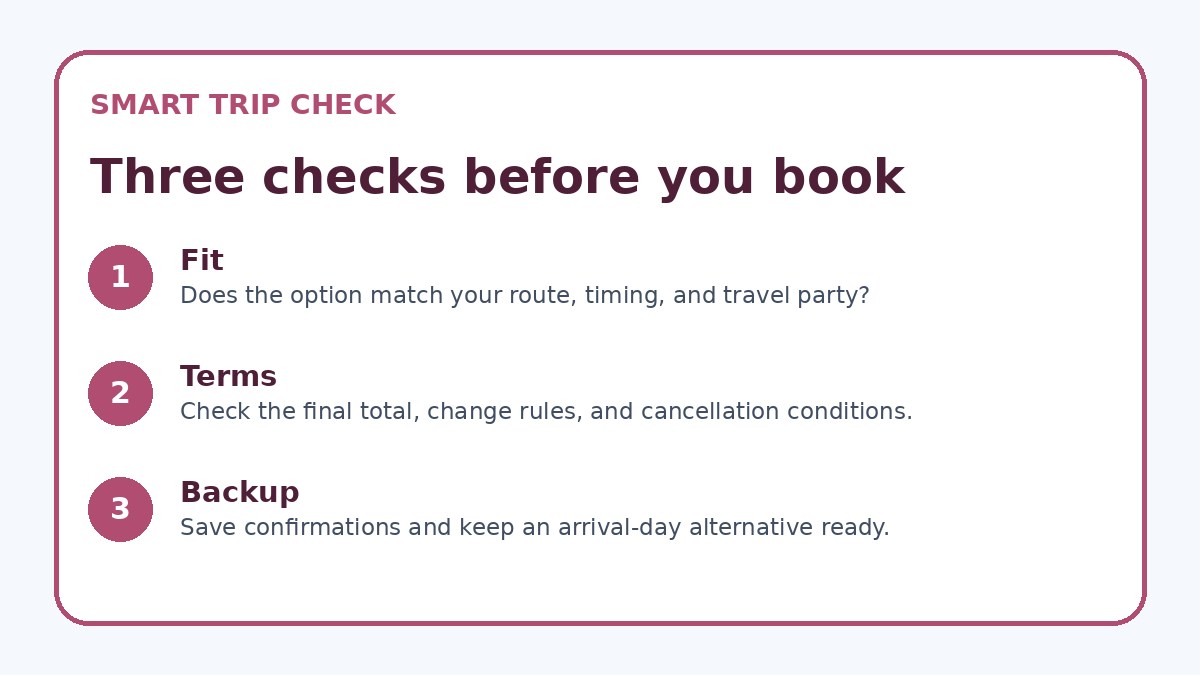
- Agree on fixed travel dates or a date range before shopping flight prices together.
- Set fare alerts on two booking platforms and compare policies on the carrier’s final booking page.
- Choose hotel rates with clear cancellation terms and verify what is included on the provider’s page.
- Book high-priority experiences and special dinners as soon as your dates are confirmed.
- Buy travel insurance if either partner needs coverage for work changes, illness, or cancellations.
- Collect and save all confirmation emails, voucher codes, and the provider’s stated change policy.
Balancing flexibility and savings: risk tolerance and insurance
Couples with low risk tolerance—those traveling for honeymoons, anniversaries, or strict work schedules—should prioritize refundable rates, comprehensive travel insurance, and bookings that permit date changes. That extra flexibility typically costs more, but it safeguards both partners’ investments if a sudden conflict arises. When you buy travel insurance, check whether it covers reasons relevant to your situation: work cancellations, family emergencies, or provider insolvency. Read policy documents fully and confirm coverage limits before relying on them.
If saving money is the primary goal and both partners can be flexible about exact travel days, accept some nonrefundable bookings but spread risk: keep at least one flexible element like a refundable flight or insure higher-cost reservations. For any nonrefundable items, document all confirmation numbers and the provider’s stated refund or change procedures on the final booking page. Regardless of approach, couples should communicate clearly about acceptable tradeoffs—price versus flexibility—so both feel comfortable with the plan.
Frequently asked questions
How far ahead should couples book flights to Singapore to balance price and flexibility?
A commonly practical range is to start monitoring fares five months before travel and consider booking between two and five months out once both partners can lock dates. This balances fare opportunities with the need to align two schedules. If you require absolute date certainty—say for an anniversary or fixed leave—book earlier and choose tickets with flexible change options. Conversely, if both partners can adapt and prioritize saving, watch for fare dips and be prepared to accept less convenient departure times or connections.
Should couples book hotels before flights or the other way around?
Most couples benefit from securing flights first to fix arrival and departure times, then choosing hotels that match those logistics. Flights often dictate your first and last nights in destination, so reserving flights clarifies when you need hotel check-in or late arrivals. However, if a specific hotel or room is the trip’s focus, reserve the accommodation early and then align flight options. In every case, confirm cancellation and change terms on the supplier’s booking page before finalizing to avoid unexpected penalties.
Can booking later help couples find better deals, or is that riskier?
Booking later can sometimes yield last-minute discounts, especially in soft demand periods, but it’s riskier for couples who need specific room types, seating, or synchronized time off. Late booking reduces selection and increases the chance of inconvenient flight times or sold-out attractions. If you choose to wait, keep flexible travel windows and set alerts for both flights and hotels; have a fallback plan for key experiences. For critical dates or once-in-a-trip meals, early booking remains the safer approach.
Final planning note
Choosing a realistic booking window for a couple’s trip to Singapore hinges on how much flexibility you need and how fixed your dates are. Aim to book flights two to five months out and hotels one to three months ahead as a useful rule of thumb, but adjust earlier for peak dates, boutique properties, or special celebrations. Prioritize refundable options or travel insurance when one partner faces uncertain work commitments. Always verify cancellation, change, baggage, and inclusion details on the provider’s final booking page before paying. Communicate openly about acceptable tradeoffs—cost versus certainty—and you’ll plan a trip that feels fair and manageable for both partners.
Continue planning
Check current options and final conditions
Use the provider page to confirm live availability, the final total, cancellation terms, and every condition that matters to your trip.
This evergreen planning guide was created with AI-assisted drafting and a structured quality review. It does not display live prices, schedules, availability, visa guidance, or provider rankings. Verify current details before booking. Some links are affiliate links; we may earn a commission at no additional cost to you.