If you’re planning a family trip to Brisbane and intend to rent a car, the practical move is to focus on the wording of the insurance before you book. Insurance terms determine how much you pay after a mishap, who is covered to drive, and which incidents are excluded — all crucial when you have kids, luggage, car seats and a tight schedule. Start by confirming the collision damage waiver (CDW) or loss damage waiver (LDW) limits, the excess amount (sometimes called deductible), who counts as an authorised driver, and whether child seats and personal effects are covered. Read the supplier’s policy page carefully and compare the total out-the-door cost: base rate plus any optional waivers or third-party insurance. If you prefer, use Trip.com once to compare current availability and the exact wording suppliers display at checkout, but always verify final terms on the rental company’s booking page before you commit.
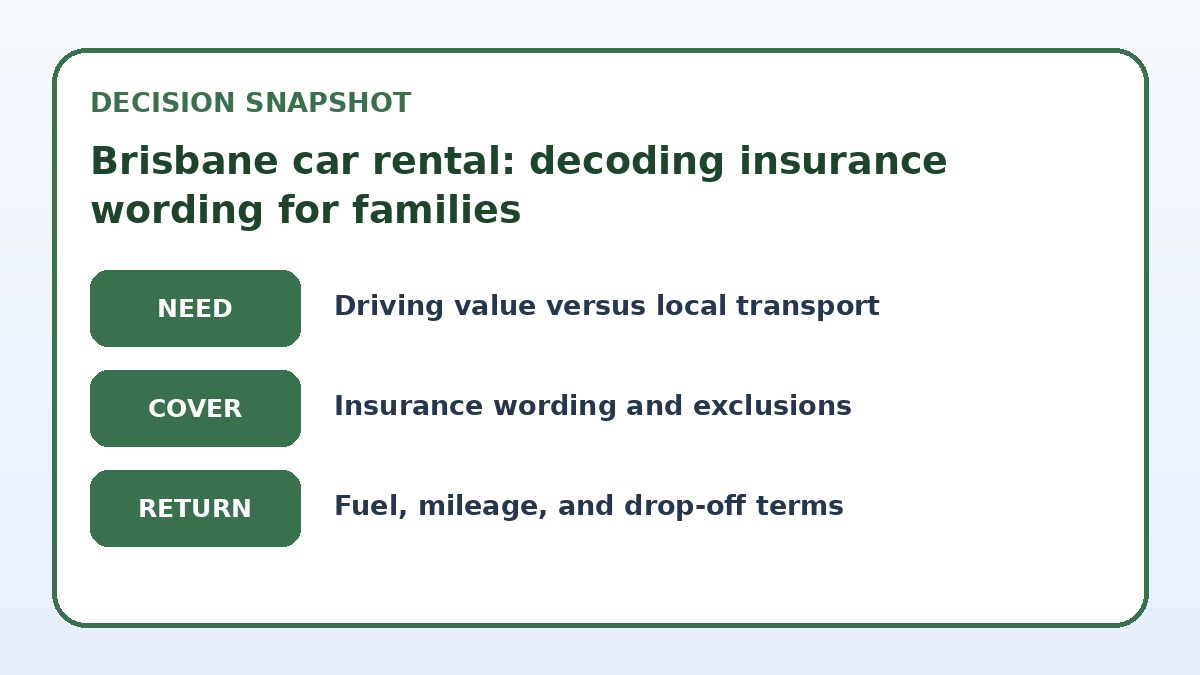
See current options before you compare the details
Availability and final conditions change. Open Trip.com now or keep reading for the practical comparison.
Key terms to understand before you book
Start with a short glossary. Collision damage waiver (CDW) or loss damage waiver (LDW) typically limits your liability for damage to the rental vehicle but does not always remove it completely — the policy will state an excess (deductible) you’re responsible for. Theft protection covers theft of the vehicle but may exclude items stolen from inside the car unless you can show it was locked. Third-party liability covers damage or injury you cause to others; minimums vary by policy and local law. A super or zero excess reduction is an optional add-on that lowers or removes your out-of-pocket expenses, but it usually increases your daily rate.
Also check operational terms that affect families: authorised driver rules, age restrictions, and driver licence requirements. Many family plans require all drivers to be named and sometimes to pay an additional fee for additional drivers or younger drivers, which affects who can take over the wheel on long day trips. Look for wording about cross-border travel if you plan to drive outside Brisbane region, and read the policy for exclusions around off-road use, beach driving, and driving on unsealed roads. These practical definitions determine what you can safely plan for during your family holiday.
How to compare insurer wording and optional waivers
When you compare offers, don’t look only at the headline price. Open the rental provider’s insurance section and read the exact policy language that applies to your booking dates. Note the excess amount, whether it’s per incident or per claimable item, and whether it applies to theft and glass or only to collision. Check whether a zero-excess option is a third-party insurance product sold by the rental desk or administered by the rental company itself; third-party waivers sometimes have complicated claim processes and separate contact details.
Compare practical scenarios rather than abstract promises. For example: who pays if a tyre is punctured on a rural drive? Does the main cover handle child-seat damage, or is that treated as wear-and-tear? What proof does the company require for a theft claim (e.g., police report, keys not left in ignition)? These scenario checks reveal how the wording translates into real out-of-pocket cost and stress, and help you decide whether to accept on-desk waivers, bring cover from home, or buy independent travel insurance.
| Approach | Best for | Tradeoff to check |
|---|---|---|
| Pay on-desk zero-excess waiver | Families who want immediate peace of mind and minimal out-of-pocket stress at the time of an incident. | Higher daily cost and sometimes limited refund if you cancel; check exactly what is and isn’t covered before buying. |
| Rely on credit-card rental cover | Cardholders who already have strong rental benefits and want to avoid extra fees at pickup. | Coverage wording varies; may exclude certain drivers, vehicle types, or require paperwork after a claim. |
| Travel insurance with excess reimbursement | Families seeking broader trip protection (medical, cancellation) alongside rental excess reimbursement. | You must usually pay rental company first then claim back; reimbursement can take time and needs full documentation. |
| Self-insure (accept base cover only) | Short urban hires with a low perceived risk and families confident in their own ability to avoid incidents. | Potentially large out-of-pocket costs if something happens; risky on rural or coastal drives where damage claims are common. |
Ready to check the option that fits your plan?
Use your exact dates and traveler details so the provider page can show the current total and conditions.
Deciding between rental waivers, credit-card cover, and travel insurance
Many credit cards offer primary or secondary rental cover; however, coverage varies widely in scope and wording and often excludes certain vehicle types, business rentals, or drivers under a certain age. Before relying on card benefits, confirm whether the card’s policy applies in Australia, whether it covers families (named or unnamed drivers), and what exclusions exist for off-road or long-distance driving. Always get the card’s insurance booklet or certificate and compare its excess, inclusions and exclusions against the rental company’s waivers.
Travel insurance can include excess reimbursement for rental vehicles, but these policies generally require you to pay the rental company first, then submit a claim for reimbursement. Check time limits for filing claims, required documentation such as the rental agreement and police reports, and whether reimbursement covers child-seat replacement or personal effects. Factor in ease and speed: on-the-spot zero-excess waivers reduce immediate stress at the rental desk, while third-party travel or credit-card policies may save money but add paperwork after an incident.
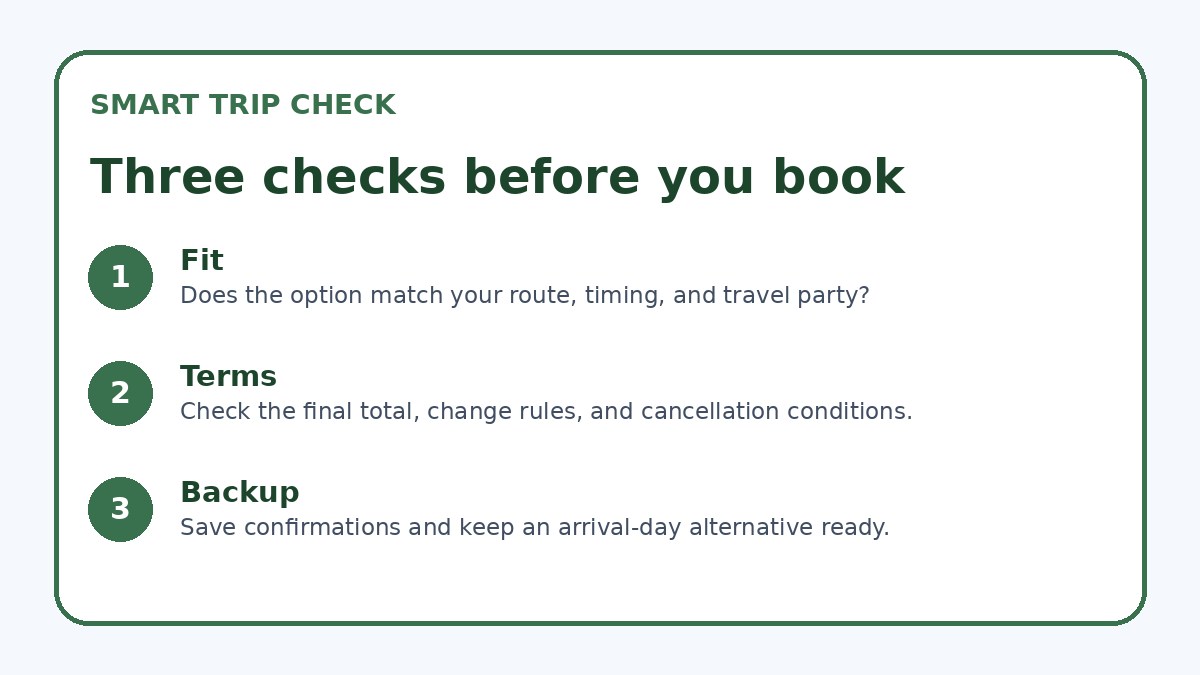
Before you book
- Read the rental company’s insurance policy page for your exact booking dates and save a screenshot of the final terms at checkout.
- Confirm the excess amount and whether a zero-excess option removes it fully or only partially; ask what incidents remain your responsibility.
- Verify which drivers must be named, any age restrictions or young-driver fees, and add everyone who may drive during the hire.
- Inspect and photograph the vehicle (tyres, glass, roof, interior) with the agent present and ensure all pre-existing damage is signed onto the agreement.
- Check whether child seats are listed on the rental agreement and documented for condition; bring your own if you prefer known standards.
- Keep contact details for roadside assistance, the rental desk and your insurer with the rental agreement, and know the claims filing steps.
Practical family-focused checks at pickup and during the hire
At collection, take time to walk the vehicle with the agent, ideally with photos and short video clips of existing scratches, dents, and tyre and windscreen condition. Confirm that any pre-existing damage is recorded on the rental agreement. Ask the agent to spell out exactly which incidents would trigger the excess and which would be handled under waived liability; get contact numbers for roadside assistance and the insurer. If your booking included child seats or extras, inspect them for damage and make sure the rental agent records any issues so you won’t be billed later.
During the hire, keep the rental agreement and emergency contact information in the glovebox, and store valuables out of sight or in a locked boot. If you intend family day trips to national parks or coastal areas, check whether the policy excludes driving on unsealed roads or across beaches, and plan routes accordingly. In case of an incident, prioritise safety, report to police where required, and follow the rental company’s claims procedure exactly to avoid disputes when you return the car.
Frequently asked questions
Does a child seat affect the rental insurance terms in Brisbane?
Child seats themselves are usually treated as hired equipment, not as part of the vehicle, so damage to or loss of a child seat may be covered differently to vehicle damage. Rental agreements often list child seats under extras, and the wording will specify if damage or theft of those items is included, excluded, or subject to a separate excess. If you bring your own seat, check the main vehicle policy and travel insurance for coverage of personal items or accidental damage, and inspect any hired seat for condition at pickup to avoid disputes.
If I have credit-card rental insurance, what wording should I check before relying on it?
Request the card’s rental insurance certificate and read the sections on geographic limits, vehicle type exclusions, named driver requirements, and the excess handling process. Confirm whether the card provides primary or secondary cover (primary pays first, secondary reimburses after you’ve paid the rental company), and check if claims require you to decline the rental company’s waivers at the desk. Also note any age restrictions, whether commercial use is excluded, and the timeframe for filing claims — these details determine how useful card cover will be for your family hire.
What should a family do immediately after minor damage or theft in Brisbane?
Prioritise safety and record the scene with photos and notes, then call emergency services if anyone is injured. For minor damage or theft, follow the rental company’s incident procedure: contact roadside assistance and the rental desk, obtain a police report if required by the insurer, and keep receipts for any emergency repairs or purchases. Report the incident promptly to your travel insurance or credit-card insurance provider, keeping copies of the rental contract, photos, and police or incident numbers; timely and complete documentation usually makes any later claim smoother.
Final planning note
Families renting a car in Brisbane can reduce stress and unexpected costs by focusing on the precise insurance wording before they book. Start by checking the excess amount, who counts as an authorised driver, and which incidents are explicitly excluded — windscreen, tyre and off-road damage are common pitfalls. Compare the practical outcomes of on-desk waivers, credit-card benefits and travel insurance rather than headline prices alone. At pickup, document the car carefully and keep all policy contact details handy. If you want a quick availability check, Trip.com can show current offers, but always verify the final insurance terms on the rental company’s booking page before you confirm.
Continue planning
Check current options and final conditions
Use the provider page to confirm live availability, the final total, cancellation terms, and every condition that matters to your trip.
This evergreen planning guide was created with AI-assisted drafting and a structured quality review. It does not display live prices, schedules, availability, visa guidance, or provider rankings. Verify current details before booking. Some links are affiliate links; we may earn a commission at no additional cost to you.