If you need to travel from Tokyo to Kyoto for work, the practical answer is to decide first whether you want to prioritize speed, cost predictability, or flexibility, then prepare the travel day around that choice. For most business travelers that means booking a train or flight that fits a clear meeting schedule, packing a carry-on optimized for laptop use, and building buffer time for transfers and potential delays. On the travel day, manage communications and power, know exactly which station exits connect to taxis or hotel shuttles, and confirm your return or onward plans. This article focuses on the tangible pre-departure steps and on-the-day routines that reduce stress and keep you productive, comparing tradeoffs and listing specific checks to make before you book or leave the office.
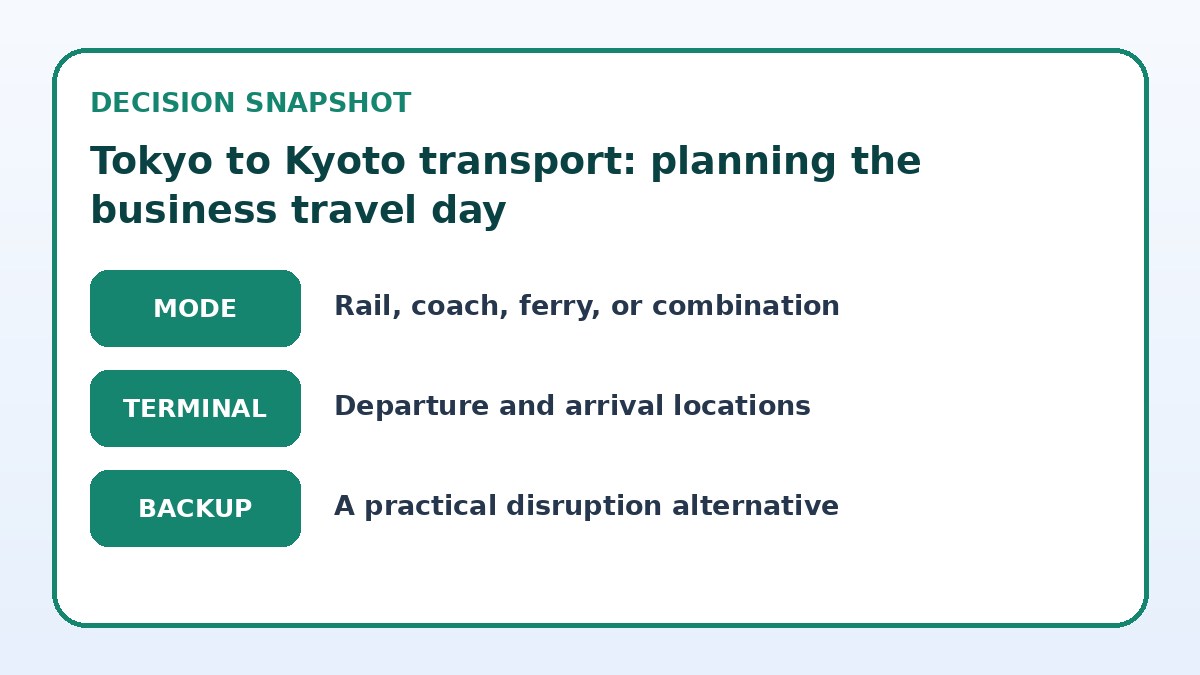
See current options before you compare the details
Availability and final conditions change. Open Trip.com now or keep reading for the practical comparison.
Choose the approach: speed, flexibility, or cost
Start by clarifying the main constraint of your trip: is arrival time non-negotiable, or do you value flexibility to change plans? Direct high-speed train options generally offer predictable city-center to city-center travel, which minimizes last-mile time and is ideal when meetings start soon after arrival. Alternatively, flights may shave minutes in the air but require airport transfers that can erase the time saved, and they often introduce more variables like check-in windows and security lines. If cost flexibility matters, regional trains or slower express options give cheaper fares with more booking windows, but at the expense of longer travel times and potentially less reliable schedules for tight business itineraries.
When comparing options, look beyond advertised durations: add transfer times, check luggage handling implications, and assess how each option affects your ability to work en route. Trains frequently allow more reliable mobile connectivity and a stable workspace, while flights often limit on-board device charging and time to work. Also consider the effect of delays: a single transfer multiplies risk, so direct routes reduce the chance of cascading schedule issues. Use provider booking pages to verify connection count, seat reservation rules, and change or cancellation policies before you finalize any ticket.
Pack and prepare like you’ll need to work on the move
For a productive travel day, pack a compact carry-on optimized for business use: laptop, charger, USB-C power bank, earbuds with noise isolation, and a small pouch with essential cables and a travel adaptor. Include printed or offline-access copies of itinerary details, meeting addresses, and local contact numbers in case mobile service is interrupted. Choose clothing that will keep you presentable with minimal effort—layers that travel wrinkle-resistant and a lightweight shoe option for walking between stations or to last-minute meetings. A slim toiletry kit that complies with any security rules will help if you must freshen up between legs.
Prepare digital materials too: save presentations and documents offline, set automatic email replies for long segments of travel if needed, and ensure your calendar reflects realistic arrival time plus buffer. Check battery levels and enable power-saving modes where appropriate; many trains have power outlets but do not rely on them. If the route allows seat reservations, reserve a seat with a table or extra legroom for working comfortably. Finally, confirm your accommodation or meeting pick-up arrangements the evening before to remove uncertainty on arrival.
| Approach | Best for | Tradeoff to check |
|---|---|---|
| Direct high-speed train (reserved seat) | Travelers prioritizing predictable door-to-door timing and on-board workspace | Less flexibility with changes and potential higher upfront fare compared with flexible tickets |
| Flight via regional airport | Those who value airtime speed and prefer flying over long train rides | Airport transfers and security add uncertainty and often lengthen overall door-to-door time |
| Slower express or local trains | Budget-conscious travelers who can accept longer travel time and more transfer options | Longer journey increases risk of delays affecting fixed business schedules |
| Flexible open-ticket or changeable fare | Travelers with uncertain schedules who need the option to shift plans last minute | Higher flexibility fees or fare premiums and sometimes less predictable seat availability |
Ready to check the option that fits your plan?
Use your exact dates and traveler details so the provider page can show the current total and conditions.
Manage stations, transfers, and local transport on the travel day
On travel day, arrive at the departure station or airport with time to clear ticket gates, find your platform, and locate a suitable waiting area. Identify the exact exit number you’ll need at Kyoto and map the shortest route to your hotel or meeting point; stations often have many exits and similar names. If you plan to take a taxi, note local taxi queue locations and have the meeting or hotel address written in Japanese as well as English. If relying on public transport in Kyoto after arrival, check the nearest subway or bus links and their operating hours so you know whether a taxi is necessary.
During transfers, keep essentials in an accessible compartment: passport or ID, ticket or mobile boarding pass, phone, and charging cable. If you expect to change trains, allow generous transfer time—tight connections increase stress and reduce your ability to respond to last-minute requests. Use luggage storage services at major stations only if absolutely necessary and after confirming security and retrieval times. For final confirmation, verify directions and any provider-specific instructions on the booking page or station information displays shortly before departure.
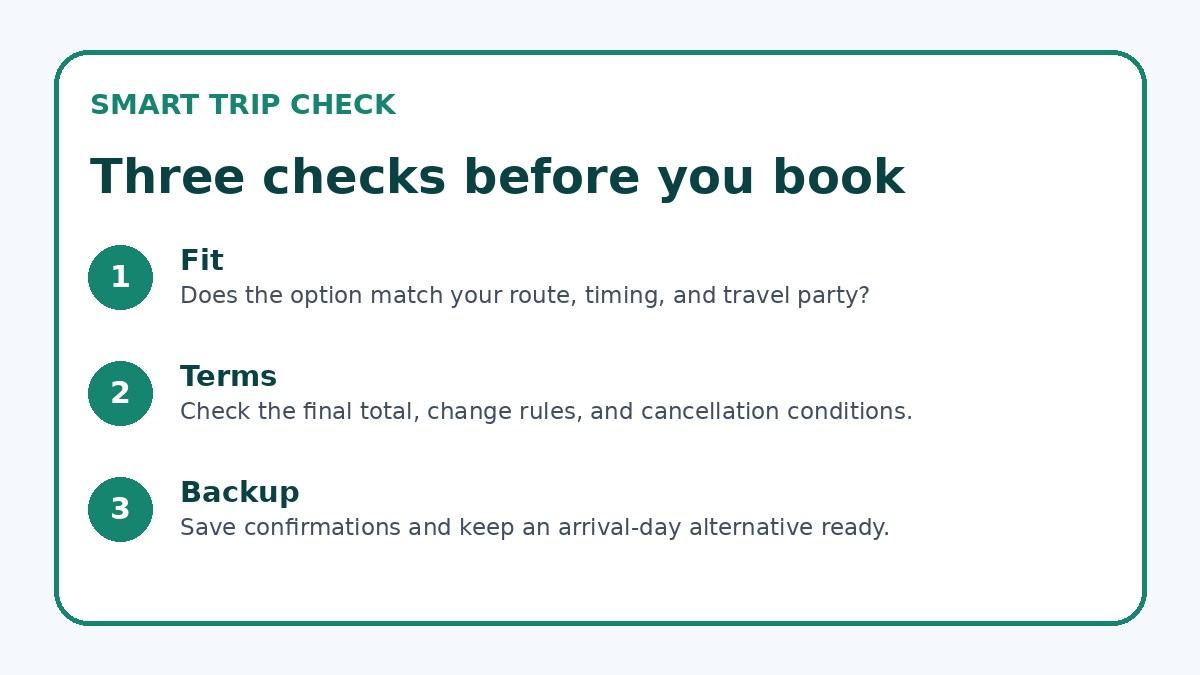
Before you book
- Confirm your priority (speed, flexibility, or cost) and choose transport options accordingly before comparing schedules.
- Reserve a seat with workspace if available, and verify any seat-selection rules on the provider’s booking page.
- Pack a carry-on with laptop, chargers, noise-isolating earbuds, and offline copies of essential documents.
- Identify the exact departure and arrival station exits and map the shortest route to your hotel or meeting.
- Inform colleagues of your arrival window and share a backup contact method in case data drops.
- Verify transfer times and cancellation/change rules on the final booking page before completing payment.
Communication, contingencies, and post-arrival actions
Keep colleagues and hosts informed of your planned arrival window and share alternative contact methods in case you lose mobile data. Build contingency scenarios: if you miss a connection, know the next reasonable alternatives and their likely impacts on meeting times. Have local payment methods ready for last-mile transit or an unexpected overnight stay, and store emergency contact numbers for your company or travel support. If you rely on a rented pocket Wi-Fi, verify pickup and drop-off points beforehand; if you use local SIM or roaming, confirm data plans on the booking page or with the provider.
Upon arrival, prioritize a quick check-in routine: confirm meeting logistics, freshen up, and set a clear time to be online for colleagues who expect updates. If your arrival allows, reserve recovery time—short periods to decompress reduce mistakes in early meetings. Finally, review your return or onward booking before leaving Kyoto: verify any seat reservations, change rules, and refund restrictions on the provider’s final booking page so you can adjust plans efficiently if your schedule shifts.
Frequently asked questions
How do I decide between a high-speed train and a flight for Tokyo to Kyoto transport?
Choose based on door-to-door time and predictability rather than advertised airtime. Trains typically deliver you city-center to city-center, reducing last-mile travel. Flights can feel faster in the air but require airport transfers, security, and earlier check-in—factors that may negate air speed. Consider your meeting start time, tolerance for transfers, and whether you need to work en route; if steady connectivity and workspace are important, trains often win. Always confirm transfer options and total journey time on the provider’s booking page before booking.
What should I pack to stay productive and presentable during the travel day?
Pack a single carry-on with a charged laptop, compact charger, USB-C power bank, noise-reducing earbuds, and essential cables. Include a small travel garment that resists wrinkles and a minimal toiletry kit for quick freshening. Save documents and presentations for offline use and carry printed addresses for final destinations in both English and Japanese. Ensure your calendar reflects arrival plus a buffer so you don’t schedule back-to-back meetings that leave no room for delays.
How much buffer time should I allow around my Tokyo to Kyoto journey for business meetings?
Build a practical buffer based on chosen transport: for direct high-speed train arrivals, allow at least 45 minutes from platform exit to an in-city meeting; flights typically need 60–90 minutes or more because of airport transfers. If you have connecting legs or early-morning departures, add extra time for unexpected delays and navigation between platforms or terminals. Communicate the buffer to meeting hosts and monitor provider pages for last-minute changes to connections or platform information.
Final planning note
A calm, productive Tokyo to Kyoto travel day for business comes from making three deliberate choices: select the approach that matches your priority (speed, flexibility, or cost), pack and prepare to work on the move, and build realistic buffers for station-to-meeting transfers. Verify connection counts, seat reservation rules, and change or cancellation policies on the provider’s final booking page before you commit. For live availability and comparative options, you can check services such as Trip.com, but always confirm details with the transport provider’s own booking system. With a clear priority, the right kit, and confirmed logistics, you can turn the travel day into functional, low-stress time rather than a scramble.
Continue planning
Check current options and final conditions
Use the provider page to confirm live availability, the final total, cancellation terms, and every condition that matters to your trip.
This evergreen planning guide was created with AI-assisted drafting and a structured quality review. It does not display live prices, schedules, availability, visa guidance, or provider rankings. Verify current details before booking. Some links are affiliate links; we may earn a commission at no additional cost to you.