
If your family is deciding when to book Hanoi travel deals, aim for a clear planning goal: prioritize weather comfort, fewer crowds, or lower transport and accommodation demand — you can’t optimize everything. Shoulder seasons (the periods between peak and low travel times) often give families a good compromise: milder weather than the hottest months, fewer tourists than peak holiday periods, and more flexible availability than deep low season. For practical booking, pick a primary objective (sleep comfort, child-friendly activities, or saving on flexible tickets) and a secondary one. Use that to compare flight routing and schedule options, neighborhood choices for family-friendly lodging, and refundable versus nonrefundable rate rules. Below I explain tradeoffs, which dates to compare for typical school calendars, and the exact booking checks to do so your family’s Hanoi trip feels predictable, comfortable, and appropriately budgeted.
See current options before you compare the details
Availability and final conditions change. Open Trip.com now or keep reading for the practical comparison.
What 'shoulder season' means for family travel to Hanoi
Shoulder season refers to the transitional periods between peak tourist months and the quietest time of year; for families this often means better weather and quieter attractions without the service limitations that can happen in off-peak months. In Hanoi the shoulder windows typically fall just before and after the busiest travel stretches. That translates to lower crowding at museums, easier seating for group meals, and more leeway when arranging child-friendly tours and day trips outside the city.
For parents planning with school schedules, the advantage of these windows is flexibility: hotels and tour operators are more likely to offer family rooms and adaptable start times, and restaurants that fill during peak months will have clearer options. The tradeoff is that shoulder-season weather can be variable—occasional showers or a cool snap—so packing layered clothing and having indoor backup plans for kids is sensible.
How to weigh flight options and timetable flexibility
When scanning Hanoi travel deals for families, treat flight timing and connection patterns as a decision about child comfort and logistics. Direct flights reduce complexity but may be higher in demand; connecting flights can offer cost savings or better schedules but increase the risk of missed connections and longer travel days. For families with young children, favor itinerary combinations that minimize overnight layovers and long waits; consider arrival times that let you settle into accommodation during daylight.
Also compare fare rules carefully: look at change and cancellation terms, the cost of upgrading seats for extra space, and whether infant or child fares include seats or just lap travel. If you plan to bring a stroller or car seat, check baggage policies and whether pre-boarding is allowed for families. On any provider’s booking page verify the exact baggage allowance, seat selection fees, and connection protection so you know what’s included and what adds to the final cost.
| Approach | Best for | Tradeoff to check |
|---|---|---|
| Book early for preferred seats and rooms | Families needing specific room types or nonstop flight times | Less flexibility if plans change and may require more cancellation protection |
| Book last-minute in shoulder season | Flexible families aiming to capitalize on lower demand | Risk of limited options for family rooms or suitable flight times |
| Choose refundable/flexible fares and rates | Families who prioritize schedule adaptability and reduced stress | Higher upfront cost compared with restricted, nonrefundable deals |
| Prioritize lowest upfront fare | Budget-focused families comfortable with rigid plans | Less room for changes; additional fees can erase initial savings |
Ready to check the option that fits your plan?
Use your exact dates and traveler details so the provider page can show the current total and conditions.
Picking neighborhoods and accommodation for family needs
Hanoi’s neighborhoods offer different benefits for families. The Old Quarter is walkable and convenient for many attractions and food options but can be noisy and busy; book a room facing away from the main street or a higher floor if noise matters. Tây Hồ (West Lake) and Ba Đình present quieter, greener alternatives with parks and longer promenades better suited to toddlers and early school-age kids. When comparing Hanoi travel deals, look for family-room configurations, connecting rooms, kitchens or kitchenettes, and services like laundry and babysitting that make longer stays easier.
Evaluate transit time realistically: short taxi rides in Hanoi can vary with traffic, so proximity to your primary interests (museums, parks, or day-trip meeting points) can save tiring journeys. Also check accommodation cancellation and modification policies; shoulder seasons often mean better room availability, but families benefit from refundable or adjustable stays in case of illness or schedule changes. Confirm on the booking page whether the property enforces quiet hours or has child-safety features you require.
Before you book
- Compare at least three flight itineraries for total travel time, number of connections, and arrival time that suits your child’s routine.
- Confirm baggage allowances, stroller/car-seat policies, and any pre-boarding options on the airline’s final booking page.
- Verify the accommodation’s family-room layout, bed configuration, and noise exposure by asking the property directly if details aren’t clear.
- Check cancellation and change fees for both flights and hotels; choose refundable options or trip insurance if your family needs flexibility.
- Plan one low-effort day per every two active sightseeing days to accommodate jet lag, naps, and unpredictable weather.
- If booking day trips or private transfers, confirm child seat availability and exact pickup/drop-off logistics before paying.
Activities, pacing and practical checks before you book
Plan an itinerary that balances outdoor exploration with restorative downtime. Hanoi has kid-friendly museums, lakeside walks, puppet shows, and day-trip options that are easier to enjoy in shoulder seasons when heat and humidity are not extreme. Schedule morning or late-afternoon outdoor activities and reserve the midday for rest, indoor attractions, or a relaxed meal. If you’ll hire guides or book day tours, check their child policies and flexibility for shorter outings.
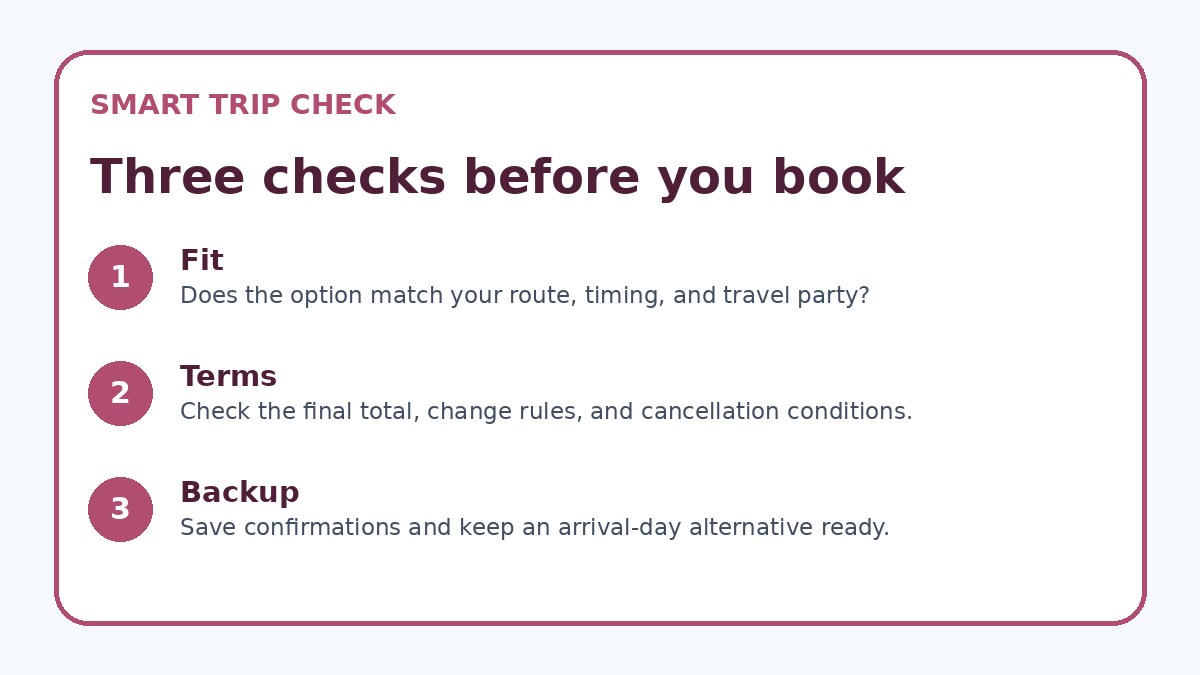
Before completing any purchase, verify a short checklist on the provider's final booking page: exact refund and change windows, whether taxes and surcharges are included, baggage and stroller policies, and whether transfers or child seats are available for private transport. If you use Trip.com or other aggregators to compare deals, remember to confirm the final conditions on the supplier page linked from the listing rather than relying solely on summary text.
Frequently asked questions
When are Hanoi’s shoulder seasons best for families with school-age children?
Shoulder seasons are best when they align with your family’s tolerance for variable weather and school schedules. For families, they usually provide milder conditions than the hottest months and fewer crowds compared with peak holiday periods, making museums and outdoor attractions easier to enjoy. If you must travel during a school break, compare dates just before or after the busiest stretches to avoid the highest demand. Always confirm school holiday overlaps at home and check the provider’s booking conditions for flexibility in case you need to shift dates.
How should we compare Hanoi travel deals if one itinerary has a lower fare but longer travel time?
Treat the lower fare versus longer travel time as a value tradeoff: calculate the nonrefundable costs you’ll avoid by saving money, but weigh them against potential extra expenses (meals, transit) and the toll on children’s patience and comfort. For young kids, a shorter day with a slightly higher fare may be worth the premium. Look at seat comfort, layover length, and the number of transfers. Also check change and refund terms—if your cheaper option is rigid, a mid-price flexible itinerary might be more practical for a family.
Should we book tours and activities in advance or wait until arrival in Hanoi?
For families, prebooking key activities you definitely want—like a popular performance or a day trip with limited capacity—reduces stress, especially if your travel windows are short. In shoulder seasons many operators have more availability than peak season, but popular options can still sell out. For more flexible or weather-dependent outings, leaving some items unbooked allows you to adapt based on local conditions and energy levels. When you do book, confirm child pricing, pickup logistics, and refund/cancellation policies on the provider’s final page.
Final planning note
Planning family travel to Hanoi around shoulder seasons gives a practical balance of better weather, lighter crowds, and more accommodation choices than peak times, while avoiding some service reductions of low season. Decide what matters most for your family — shorter travel days, refundable booking conditions, or quieter neighborhoods — and let that priority guide which deals you compare and which tradeoffs you accept. Always inspect final fare rules, baggage and child policies, and property details on the supplier’s booking page before you commit. With those checks done, shoulder-season travel can deliver a smoother, more enjoyable Hanoi experience for families.
Continue planning
Check current options and final conditions
Use the provider page to confirm live availability, the final total, cancellation terms, and every condition that matters to your trip.
This evergreen planning guide was created with AI-assisted drafting and a structured quality review. It does not display live prices, schedules, availability, visa guidance, or provider rankings. Verify current details before booking. Some links are affiliate links; we may earn a commission at no additional cost to you.