If you’re traveling solo between Tokyo and Osaka and worried about lugging bags through stations, the simplest practical approach is to choose the transport and luggage strategy that matches how much you want to carry, how mobile you want to be at either end, and how comfortable you are handling transfers. For most solo travelers, that means deciding between taking a regular train (with a focus on trains that tolerate luggage), boarding an express Shinkansen-style service with luggage rules to check, using highway buses to avoid transfers, or sending baggage ahead with a door-to-door luggage service. Each choice shifts where you expend time: packing light and carrying everything, paying for a checked luggage option, or spending an extra hour arranging delivery. Read on to learn the tradeoffs, what to verify before booking, and a simple checklist to make the trip between Tokyo and Osaka as smooth as possible.
Choosing transport by luggage load and mobility needs
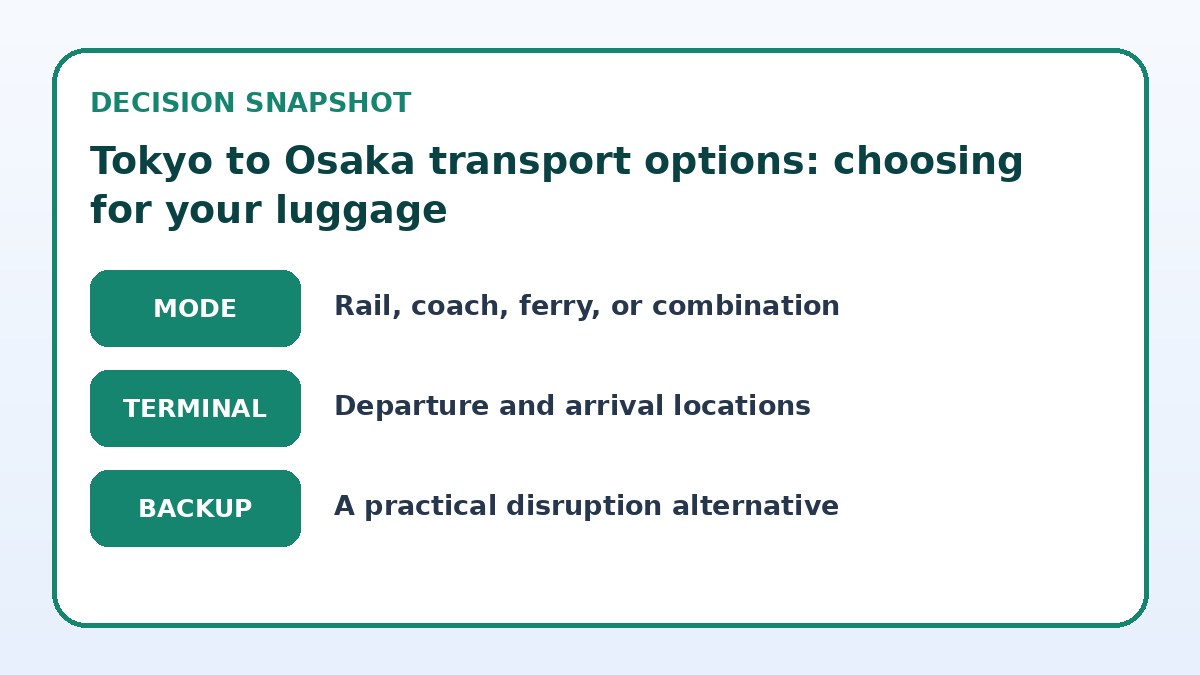
Start by classifying your luggage: a single carry-on backpack, one medium checked suitcase, or multiple large bags. If you travel light, prioritize services with frequent departures and minimal advance coordination so you can be flexible with departure times. If you have one medium suitcase and want faster travel, pick a direct high-speed train option where you can reserve seats and store bags in designated spaces. For multiple large pieces, look for services that either allow checked baggage or consider combining public transport with a luggage delivery service to avoid carrying heavy items through stations and between accommodations.
Think about mobility at each end of the trip. Do you want to walk with your bags between station and hotel, or prefer a short taxi? High-speed rail usually delivers you close to central stations, which helps if your accommodation is nearby, but you must be able to manage the final short haul. If your arrival or departure point is awkward for public transport, a luggage forwarding service can reduce the hassle of finding accessible storage or handling heavy bags on stairs and crowded platforms. Always confirm where the service will drop off the bag and whether it can reach your exact address.
Comparing speed, comfort, and luggage handling tradeoffs
Faster options typically require more attention to luggage rules. High-speed trains cut travel time significantly but sometimes enforce cabin luggage size rules, limit numbers of large items per passenger, or require specific storage in carriers or behind seats. This can mean carrying bags up and down stairs to reach platforms or paying for a seat reservation that guarantees storage space. Slower services like highway buses are often more lenient with oversized items and let you stow heavy cases under the bus, which reduces the physical burden during the journey but increases travel time and may mean fewer departures to choose from.
Comfort also depends on the station layout and crowding. Busy Tokyo or Osaka stations can add stairs, long walks between platforms, and crowded trains during peak periods. If you want to avoid this friction, choose services with fewer transfers, reserve seats where possible, and plan arrival and departure times outside peak commuting windows. Regardless of the chosen transport, verify baggage rules and allowed sizes on the provider’s final booking page, and check whether you’ll need to tag, pre-book, or pay extra for larger items.
| Approach | Best for | Tradeoff to check |
|---|---|---|
| High-speed train with reserved seat | Travelers who prioritize speed and station-to-station simplicity | May require strict luggage sizing, possible extra steps to store bags on board |
| Highway bus | Those carrying bulky items who prefer stowing luggage under the vehicle | Longer journey time and fewer departure choices to match your schedule |
| Door-to-door luggage delivery | Solo travelers who want hands-free travel and minimal station handling | Requires advance booking and awareness of pickup/drop-off windows |
| Station lockers or left-luggage counters | Short visits or staggered check-ins when you need temporary storage | Size limits and availability vary; may not accept oversized or heavy bags |
Using luggage delivery and short-term storage strategically
Door-to-door luggage delivery services let you send large suitcases from your Tokyo hotel or a nearby counter to your Osaka hotel, freeing you to travel light. These services can be especially valuable for solo travelers who want to explore without bulky baggage for a day or two, or when moving between multiple cities. Verify pickup deadlines—many services require early-day collection for next-day delivery—and confirm that the drop-off can reach your exact accommodation. If your arrival is late at night, check evening delivery options or plan a short stay where a desk can accept the bag.
Short-term station lockers and left-luggage counters offer flexibility if you need temporary storage while sightseeing or during staggered check-in times. Large mechanical lockers are convenient but limited by size; oversized bags may need a staffed counter and can have length or weight restrictions. Locate lockers or baggage counters at both your departure and arrival stations in advance and note opening hours. If you plan to use lockers, have alternative plans in case they are full—either a luggage delivery option or a nearby hotel that will hold your bag for a fee.
Before you book
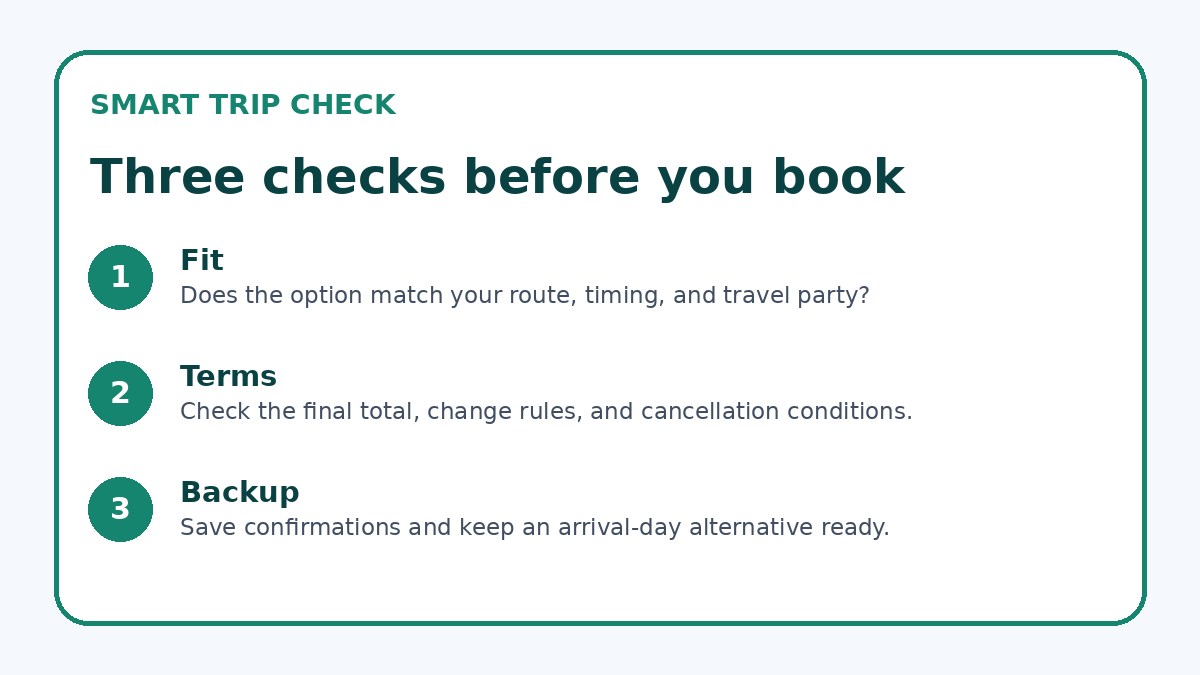
- Measure and weigh each bag; compare dimensions and weight to the transport or delivery provider’s exact limits before booking.
- Reserve a seat or book a luggage delivery slot in advance when possible, and keep the provider’s booking confirmation accessible on your phone.
- Identify elevator routes and locker locations at your departure and arrival stations using station maps or official station websites.
- Pack a compact daypack with valuables, medications, and an extra layer, so you can leave larger bags unattended when necessary.
- Confirm pickup and drop-off addresses and time windows with any luggage delivery service, and verify staff acceptance at your Osaka accommodation.
- Allow extra transfer time at each station to manage stairs, ticket gates, and potential crowds—plan for at least 20–40 minutes buffer.
Practical packing and station navigation tips for solo travelers
Pack for efficient handling: use a wheelable suitcase with sturdy handles and a comfortable daypack for valuables and items you’ll need during the journey. Distribute weight so one hand can manage the larger bag while the other carries a small item or your phone. Use luggage tags, lockable zippers, and a clear travel list so you can find essentials quickly at transfer points. Consider collapsible bags or a foldable duffel to carry on the return trip if you pick up purchases or gifts.
At stations, plan extra time to reach platforms, especially if you’re unfamiliar with the layout. Look for elevators and escalators if you have heavy bags; map apps and station guides often show accessibility routes. When reserving a seat or buying a ticket, check whether the platform or carriage has dedicated luggage areas. Finally, if you need assistance, ask station staff—many counters can advise on the best route, elevator locations, or luggage services; confirm any advice on the provider’s official booking or information page before relying on it.
Frequently asked questions
Can I send my suitcase ahead from Tokyo to my Osaka hotel?
Yes—many luggage delivery services operate between major Japanese cities and offer hotel delivery. Before you choose this route, confirm pickup and delivery time windows, size and weight restrictions, and whether the hotel will accept parcels without a guest present. Book the pickup on the provider’s official booking page and retain the tracking number. If your arrival is late or your hotel has limited front-desk hours, verify the hotel’s ability to receive a delivered bag or choose a delivery slot that aligns with the hotel’s stated acceptance hours.
What luggage is practical for taking a high-speed train between Tokyo and Osaka?
Aim for one wheeled suitcase you can lift into overhead space or store behind a seat, plus a small backpack for essentials. Check the carrier’s stated luggage policies—some services have designated areas for larger items or limits on the number of large pieces per passenger. If your bags are bulky, consider pre-booking a seat and arriving early to secure space. For those with mobility concerns, request accessible routes at stations and plan transfers to avoid stairs; verify these options on the train operator’s website or booking confirmation.
Are station lockers a reliable way to store large bags for a few hours?
Station lockers are convenient for short-term storage but vary in size and availability, especially in major hubs. Large mechanical lockers may not fit oversized suitcases; staffed left-luggage counters can handle bigger items but may have different hours and rules. Check station maps and locker size guides in advance, and have a backup plan if lockers are full—such as a nearby luggage service or arranging to leave bags at your hotel if they offer early or temporary storage. Confirm any service limitations on the station’s or provider’s official page before travel.
Final planning note
Solo travel between Tokyo and Osaka is straightforward once you align your luggage strategy with your comfort level and schedule. Speedier transport options reduce travel time but may impose stricter luggage rules; slower buses or luggage delivery services trade travel time for easier handling. Before you book, measure and weigh your bags, check the provider’s baggage policy on the booking page, and decide whether you’ll manage bags yourself or send them ahead. A short planning checklist—measure, reserve, verify pickup or locker availability, and map elevator routes—keeps the trip low-stress and helps you focus on enjoying both cities rather than wrestling with suitcases.
Continue planning
Check current options and final conditions
Use the provider page to confirm live availability, the final total, cancellation terms, and every condition that matters to your trip.
This evergreen planning guide was created with AI-assisted drafting and a structured quality review. It does not display live prices, schedules, availability, visa guidance, or provider rankings. Verify current details before booking. Some links are affiliate links; we may earn a commission at no additional cost to you.