
If your family is flexible, planning Taipei travel deals around the city’s shoulder seasons is the single most effective way to improve comfort, lower stress, and increase choice without chasing unpredictable bargains. For families that prefer milder weather and shorter lines at kid-friendly museums, parks, and night markets, the weeks just before and after the busiest travel peaks often offer the best trade-offs: gentler crowds, more room choices, and more freedom to change plans. This guide shows how to decide which shoulder window matches your family’s priorities, which parts of a Taipei itinerary move most if you shift dates, and what to check on booking pages for flights, hotels, and attractions so you aren’t surprised by restrictions or extra fees.
Which shoulder windows make sense for families
Families picking shoulder-season dates should weigh school calendars and weather tolerance first. A shoulder window means days just before a high-season surge or just after it falls away; those weeks usually bring pleasant daytime temperatures and lower humidity than the hottest months, and they avoid heavy holiday travel. Consider how important peak-season-only events are to your family—if a festival or school-break program is essential, shoulder timing may not help—and factor in your children’s tolerance for longer travel days and variable weather when choosing the exact weeks.
Also think about weekday versus weekend travel within shoulder windows. Midweek arrivals and departures in shoulder seasons often see lower flight occupancy and easier hotel check-in sequences, which can mean an easier first day with kids. If your family prefers structured days, shoulder weeks often give more availability for morning timeslots at popular, child-friendly museums or guided experiences, so you can spread activities across several days rather than cram them into a single busy weekend.
How to compare Taipei travel deals for a family
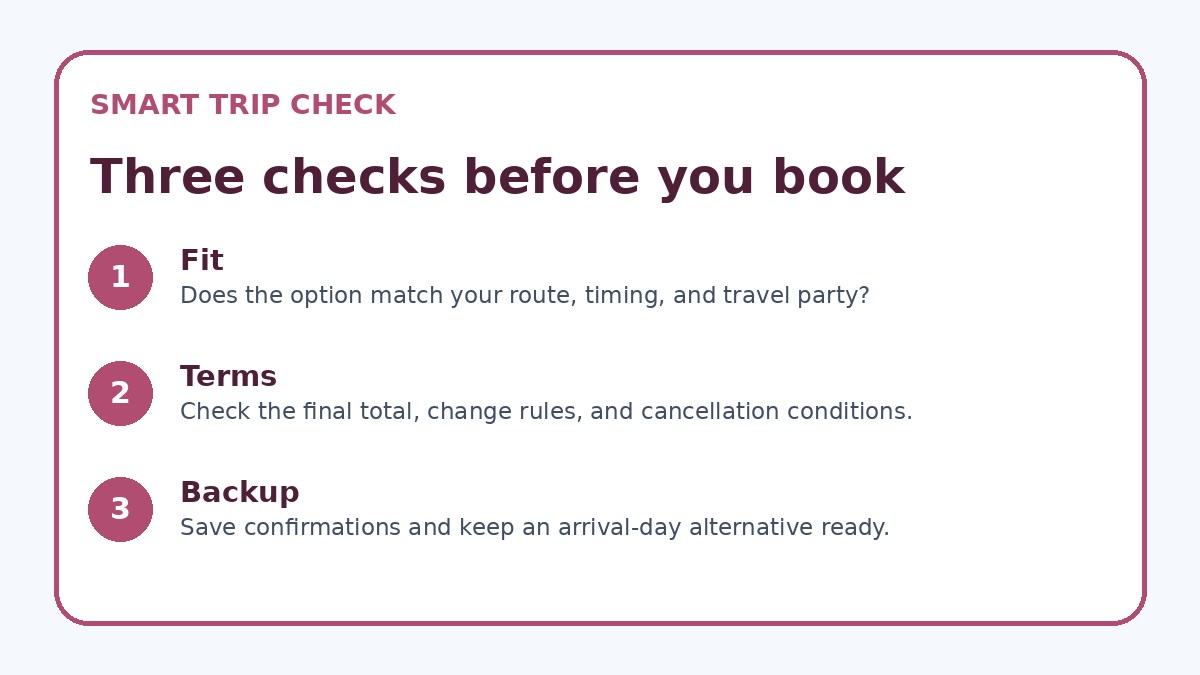
Comparing deals means comparing flexibility and total cost, not just the headline fare. For families, the practical difference between a low upfront fare and a slightly higher flexible ticket can be a child’s sudden illness or a school-schedule change. When reviewing flight options, compare change and cancellation fees, seat assignment rules for family seating, and baggage allowances for strollers and car seats. On hotel pages, verify family-room definitions, extra-bed policies, and whether a refundable rate truly refunds the full amount or carries a penalty.
Don’t forget to read the fine print for bundled extras like breakfast or attraction vouchers; these can be convenient but sometimes exclude children or require advance reservation. If an offer includes transfers or tickets, check who must present ID and whether times are fixed. When provider-specific facts could change—schedules, included services, or refund rules—verify the exact terms on the airline or hotel’s final booking page before paying. Trip.com can be one place to compare availability, but always confirm the current terms directly with the provider if you need guarantees.
| Approach | Best for | Tradeoff to check |
|---|---|---|
| Book flexible flight tickets and refundable hotels | Families needing date-change options or traveling with unpredictable schedules | Higher upfront cost but less stress and easier rebooking if plans shift |
| Choose nonrefundable flights with flexible hotel rates | Families prioritizing lower airfare but wanting some on-the-ground flexibility | Lower ticket cost but riskier if travel dates change unexpectedly |
| Lock both flights and hotels early for the best availability | Families with fixed school holidays or event-driven travel | Better selection but limited ability to change plans without fees |
| Book minimal commitments and decide activities locally | Families who value spontaneity and can adapt itineraries on the go | Potentially higher last-minute costs and reduced availability for popular experiences |
Neighborhood choices that matter for families
Where you stay in Taipei affects daily rhythm more than a few dollars in savings. Families often prefer short commutes to major sites: stay near a main MRT line to cut transfers, or pick a neighborhood with parks and easy meal options so late evenings and early mornings are manageable. Prioritize lodging that offers larger rooms or connecting rooms, kitchenette facilities, and laundry—small conveniences that reduce packing stress when traveling with young children. Consider noise levels around markets or transport hubs if your kids need early bedtimes.
If your family plans to split days between indoor and outdoor activities, choose a base with both. Neighborhoods within easy reach of museums, a major park, and a family-friendly night market make it simple to mix weather-dependent plans. When comparing hotel listings, check whether the property provides adaptors, baby cots, or highchairs and whether those items need advance request—these are the kind of provider-specific details to confirm on the booking page. Shorter daily transfers increase flexibility on shoulder days when weather or energy levels fluctuate.
Before you book
- Check school and work calendars, then pick two shoulder-week windows to compare prices and availability before locking anything.
- Compare ticket flexibility: list change and cancellation fees, seat selection rules, and baggage allowances for each flight option.
- Verify hotel family-room policies, extra-bed rules, and whether cots or crib requests require advance confirmation on the booking page.
- Identify your primary neighborhood and three backup hotels within a short MRT ride to reduce daily transit time with kids.
- Reserve one essential activity or transfer that fills a fixed time slot, and leave secondary activities flexible until closer to travel.
- Confirm any provider-specific terms (meals included, transfers, age rules for child discounts) on the final booking page before payment.
Booking strategy: balancing price, flexibility, and peace of mind
A practical family booking strategy is to lock one major element—usually the flight—on a flexible fare, then secure a family-friendly hotel with a refundable or flexible policy. Flexible airfares reduce stress if dates slip; refundable or partially refundable hotel rates buy time to finalize daily activities. For big-ticket activities like a day trip out of the city, consider reserving a few must-do experiences in advance while keeping lower-priority items open. Mix refundable and nonrefundable items intentionally: commit to what must be secured and leave less essential bookings adjustable.
Use a short list of decision criteria when offers appear: total out-of-pocket cost after fees, how changes are handled for each passenger, and how transportation time affects a child’s day. If you are comparing direct and connecting flight options, weigh added travel time and airport transfers against possible savings and the stress of extra connections—especially with young children. Always confirm the final cancellation and change terms on the provider’s booking page before purchase, and consider travel insurance that covers family-specific risks if you want additional protection.
Frequently asked questions
Are shoulder seasons in Taipei noticeably cheaper than peak months for families?
Shoulder-season pricing often lowers the cost of accommodation and can reduce activity crowds, but exact savings vary by date and provider. For families, the practical value is less about a guaranteed price drop and more about easier availability of family rooms, earlier check-in possibilities, and less-crowded attractions. Always compare refundable and nonrefundable rates and read cancellation terms on the provider’s booking page. Consider checking a few platforms, including Trip.com if you like, then confirm the final rate and conditions directly with the airline or hotel.
How should families decide whether to prioritize direct flights or cheaper connecting options?
Weigh total door-to-door travel time, the number of transfers, and the stress of layovers with children. Direct flights reduce transfer complexity and the chance of missed connections, which matters with infants, toddlers, or tight schedules. Cheaper connecting options may be worthwhile for older children who handle longer travel comfortably. Compare total travel time, likely layover length, and baggage transfer handling, and check change or rebooking policies on the flight booking page before choosing.
What local logistics should a family confirm before booking Taipei activities?
Confirm whether activities require advance reservations, child age or height restrictions, and whether times are fixed or refundable. Check pickup locations and whether transfers are included if the activity is outside the city, and verify language options for tours if you need an English-speaking guide. If you rely on equipment—strollers, car seats, or special seating—confirm availability and any extra fees on the provider’s page. These are provider-specific details you should verify at the final booking step to avoid surprises.
Final planning note
Planning a family trip to Taipei around shoulder seasons is about tuning the trade-offs: slightly lower crowds and more comfortable days in exchange for variable pricing and occasional limited service. Decide which is more important—flexibility or the lowest possible upfront cost—then structure bookings so at least one major element is changeable. Pick a neighborhood that minimizes daily transfers, confirm family-specific hotel and activity policies on final booking pages, and mix refundable and nonrefundable reservations deliberately. With a short checklist and a clear decision framework, shoulder-season timing can make a Taipei family trip smoother, more relaxed, and easier to manage for everyone.
Continue planning
Check current options and final conditions
Use the provider page to confirm live availability, the final total, cancellation terms, and every condition that matters to your trip.
This evergreen planning guide was created with AI-assisted drafting and a structured quality review. It does not display live prices, schedules, availability, visa guidance, or provider rankings. Verify current details before booking. Some links are affiliate links; we may earn a commission at no additional cost to you.