
If you need a practical short answer: families should weigh refundable or changeable tickets when flexibility matters—especially with kids—versus lower‑fare non‑refundable options when travel dates are firm. For many families doing Melbourne to Adelaide travel, a moderately flexible ticket that permits free name changes, inexpensive date changes, and holds seats is the best compromise. That reduces stress if illness, school events, or unexpected plans arise, while still keeping headline fares reasonable.
Deciding which flexibility features to buy means thinking about three things: how likely your plans will change, how many passengers and ages are involved, and whether you'd prefer to pay a modest premium for easier exchanges or manage risk with travel insurance and cheaper tickets. Below I explain the tradeoffs, the decision criteria families use, and a practical checklist of what to verify on provider booking pages before you confirm anything.
Understanding the flexibility spectrum
Ticket flexibility falls on a spectrum from fully refundable and freely changeable fares at one end to deeply restricted, non‑refundable fares at the other. Ticket types are often named differently by operators — for example “flexible”, “standard”, “economy” or “promotional” — but the practical differences you care about are the ability to change travel dates, how much a cancellation refund is worth, whether name or passenger swaps are allowed, and whether seat reservations are included. Families benefit from mapping those features to real scenarios: illness, school events, or delayed connecting journeys can all force changes.
When comparing options for Melbourne to Adelaide transport, treat each ticket attribute separately. A fare that allows free date changes but offers no refunds may suit a family likely to reschedule but not cancel; a refundable fare helps if cancellation is a realistic possibility. Also check if changes are processed online or require phone contact, and whether there are blackout periods or seasonal restrictions. Small operational details — like whether a child fare requires proof of age at boarding — can turn a seemingly flexible ticket into a source of last‑minute headaches.
Key tradeoffs for families: cost versus certainty
Paying more for flexibility is essentially buying certainty: the ability to alter plans without losing most of your fare. For parents travelling with infants or several children, the peace of mind from flexible tickets often outweighs the price premium because the real cost of a forced cancellation can be high in stress and logistics. However, if your dates are tied to immovable commitments such as school term dates or booked accommodation, a lower‑flex fare paired with travel insurance and a strict cancellation plan may make financial sense.
Evaluate how likely changes are and whether you prefer simplicity. Flexible fares reduce the time spent calling support lines and juggling refunds, which can matter when you’re managing car seats, baggage, and tired kids. Conversely, booking the cheapest non‑refundable option can work for families who prioritise saving money and are confident in their schedule; just be disciplined about checking change fees, passenger limits, and any family seating guarantees before you commit.
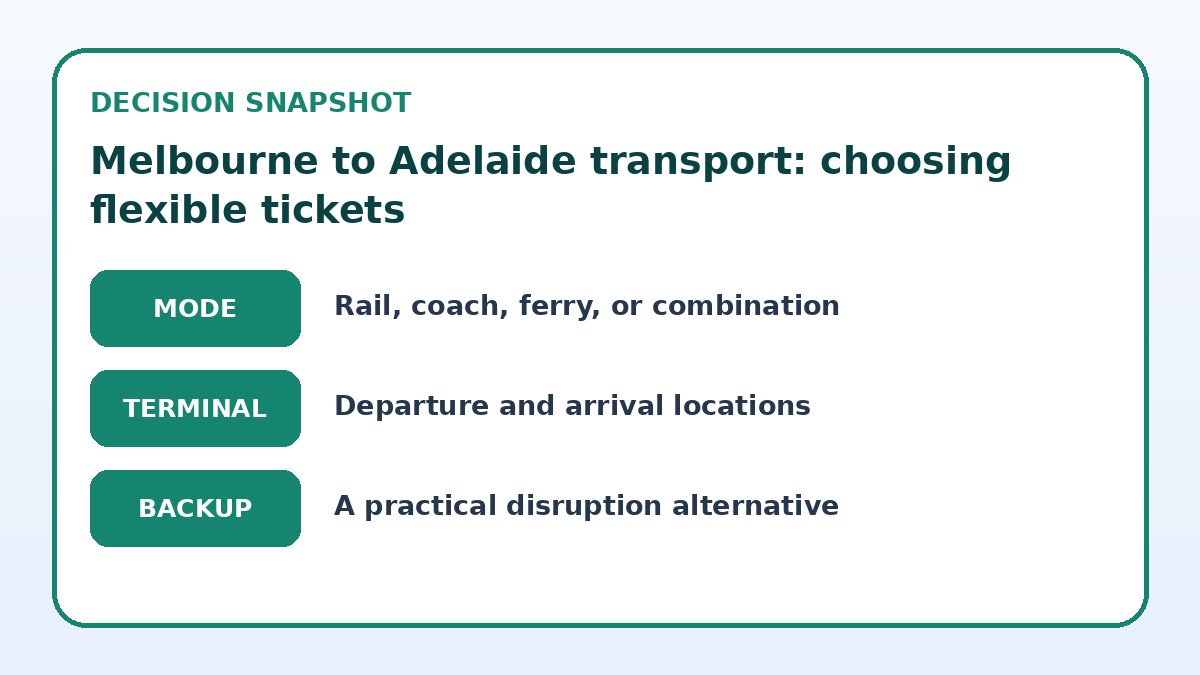
| Approach | Best for | Tradeoff to check |
|---|---|---|
| Buy fully refundable/flexible tickets | Families with uncertain schedules or young children prone to sudden changes | Higher up‑front cost but minimal stress and easier last‑minute changes or cancellations |
| Buy semi‑flexible tickets (low change fees) | Families who want a balance between cost savings and the ability to reschedule | Moderate savings with some fees and possible fare differences when changing dates |
| Buy non‑refundable lower‑fare tickets | Families with fixed plans seeking the lowest fare and willing to risk changes | Lowest price but heavy penalties or no refund if plans change |
| Buy cheap fares + travel insurance | Families wanting cost control while protecting against illness or specific cancellations | Insurance can reimburse some losses but adds complexity and may not cover all scenarios |
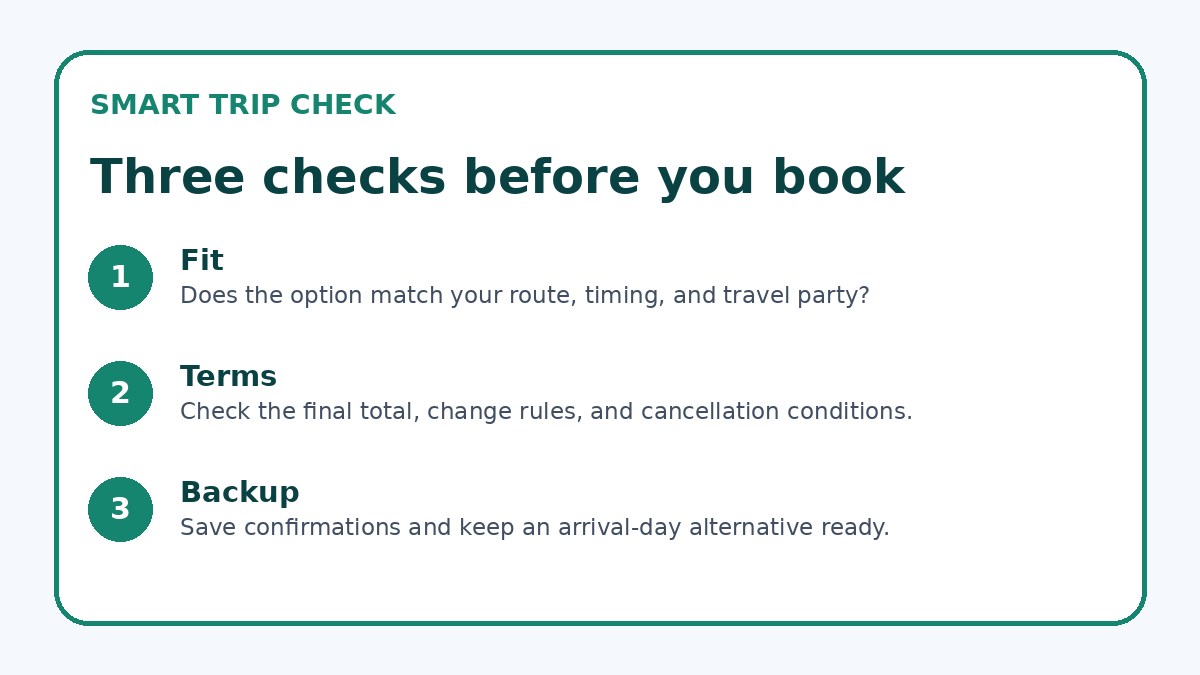
Practical criteria to compare when booking
When comparing tickets, use a simple checklist of features: permitted change types and their fees, refundability, family or child fare rules, seat reservation policy, baggage allowances, and how changes are administered. Look for phrases like “free changes within X days” or “name changes permitted” on the booking page; these are operational details you must verify before purchase because provider wording and processes vary. If a ticket offers a voucher instead of a cash refund, decide if that suits your family’s future travel plans.
Also consider connection risk: if your Melbourne to Adelaide journey involves transfers or different carriers, confirm whether a single ticket covers all segments and protects you if a connection is missed. If connections are booked separately, flexibility to change one leg without affecting the other becomes crucial. Finally, check whether child discounts or infant rules require ID at boarding, and whether seat selection for family groups is included or costs extra—being together can be more valuable than the small fare difference.
Before you book
- Confirm whether the fare is refundable, refundable as a voucher, or non‑refundable on the operator’s final booking page.
- Check exact change fees, whether fare differences apply, and whether changes can be made online or require phone support.
- Verify child and infant ticket rules, needed ID at boarding, and whether family seating or contiguous seats are guaranteed.
- Confirm baggage allowance and whether seat reservations are included or sold separately for each passenger.
- If your journey includes connections, confirm whether a single ticket covers all legs and protects you for missed connections.
- Capture and save the booking page that shows fare rules and contact details for rapid customer service if you need to change plans.
How to verify flexibility and avoid surprises
Before you finish booking, scan the provider’s final terms and conditions for key phrases and limits: refund method (cash, credit, voucher), exact change fees, the time window for free changes, and any age‑based rules for child fares. If the provider offers a fare comparison tool during booking, use it to display the change and cancellation rules side by side. If you rely on an agent or third‑party site, confirm the operator’s rules on the operator’s official booking page — third parties sometimes add their own non‑refundable fees or different change processes.
Keep documentation of your booking confirmation and the page that shows the fare rules. If you might need to change travel dates, check whether the provider requires fare differences plus a change fee, or only one or the other. Finally, consider travel insurance to cover illness or last‑minute cancellations, but read the policy carefully to ensure it covers the specific ticket restrictions and the reason for likely changes.
Frequently asked questions
Should I buy flexible tickets for two adults and two young children?
For many families with young children, flexible tickets reduce the stress and hassle of last‑minute changes; they let you swap dates or cancel with reduced penalties. Consider how likely a disruption is: if a child has a health condition or you have unpredictable commitments, flexibility is worth the extra fare. If dates are firmly fixed and you’re comfortable buying travel insurance to handle illness, a lower‑flex fare plus a robust policy can be a cost‑effective alternative. Always compare the net cost after expected change fees and insurance premiums.
How do I compare flexibility between trains, planes, and buses on the Melbourne to Adelaide route?
Treat each mode by the same checklist: change and cancellation rules, how refunds are issued, baggage and seat policies, and whether a single ticket covers connections. Trains and buses sometimes have different name‑change and group seating rules than airlines. If comparing providers, open each operator’s fare rules on their official booking page and note whether changes are processed immediately online. For complex itineraries, ask whether a single carrier will rebook you if a connection fails — that reliability can make a less flexible fare acceptable.
Can travel insurance replace the need for a flexible ticket?
Travel insurance can cover many unexpected cancellations or medical emergencies, but policies vary in what they reimburse and often exclude routine changes of mind. Insurance typically won’t cover penalties for schedule changes you could have avoided by buying a flexible fare, and claims can take time to settle. Use insurance to manage major, insurable risks (illness, hospitalisation, or severe weather) while choosing ticket flexibility to manage operational or small‑scale changes efficiently. Check policy exclusions and how refunds interact with the operator’s own refund process.
Final planning note
Picking the right ticket flexibility for Melbourne to Adelaide transport comes down to matching risk tolerance with real‑world family needs. If your plans are tentative, flexible or refundable fares reduce hassle and let you rebook quickly; if your schedule is locked in, lower‑flex fares plus careful planning and insurance can save money. Always read the operator’s final fare rules before you pay, confirm child seating and baggage details, and weigh whether the cost premium for flexibility is worth the stress it prevents. When in doubt, compare live options on provider pages or Trip.com and save screenshots of the terms so you can change plans without surprises.
Continue planning
Check current options and final conditions
Use the provider page to confirm live availability, the final total, cancellation terms, and every condition that matters to your trip.
This evergreen planning guide was created with AI-assisted drafting and a structured quality review. It does not display live prices, schedules, availability, visa guidance, or provider rankings. Verify current details before booking. Some links are affiliate links; we may earn a commission at no additional cost to you.