Practical answer first: for solo travelers, the shoulder seasons (late summer-to-autumn and late winter-to-spring) often offer the best balance of milder weather, smaller crowds, and more flexible deals — but only if you compare package inclusions, change policies, and actual travel dates before booking. Start by lining up identical dates and traveler numbers across bundled and separate options so you can spot true savings. Check what’s included (transfers, baggage, cancellations, breakfast) and what’s not (city taxes, public-transport passes, optional tours). Solo travelers should weigh single-room supplements, minimum-stay rules, and how bundles handle schedule changes. Below you’ll find straightforward comparison criteria, a four-way bundling comparison, an actionable checklist, and answers to common solo concerns. When a provider’s specific terms matter, verify the full cancellation, name-change, and baggage rules on their booking page — Trip.com is one place to see current availability but always confirm directly with the supplier.
Test package value fairly
| Booking approach | Best for | Tradeoff to check |
|---|---|---|
| Full package (flight + hotel + transfers) | Travelers who prefer a single checkout and minimal day‑of logistics. | May hide single-room supplements or firm flight choices; verify each supplier’s change and refund policies before assuming savings. |
| Flight-only then separate hotel | Solo travelers wanting control over accommodation type and room occupancy. | You lose bundled transfer savings and coordination; compare total costs for identical dates to avoid false savings. |
| Hotel-first plus on-arrival transport and tours | Travelers who prioritize accommodation and want flexibility arranging activities locally. | Individual bookings can be pricier or scarce during event-heavy weekends; check cancellation rules for each provider. |
| Self-build with refundable flight or flexible hotel | Solo travelers willing to manage bookings for maximum flexibility. | Refundable fares or flexible rates cost more upfront; calculate worst-case loss vs. locked-in bundle penalties. |
Check current package and separate options
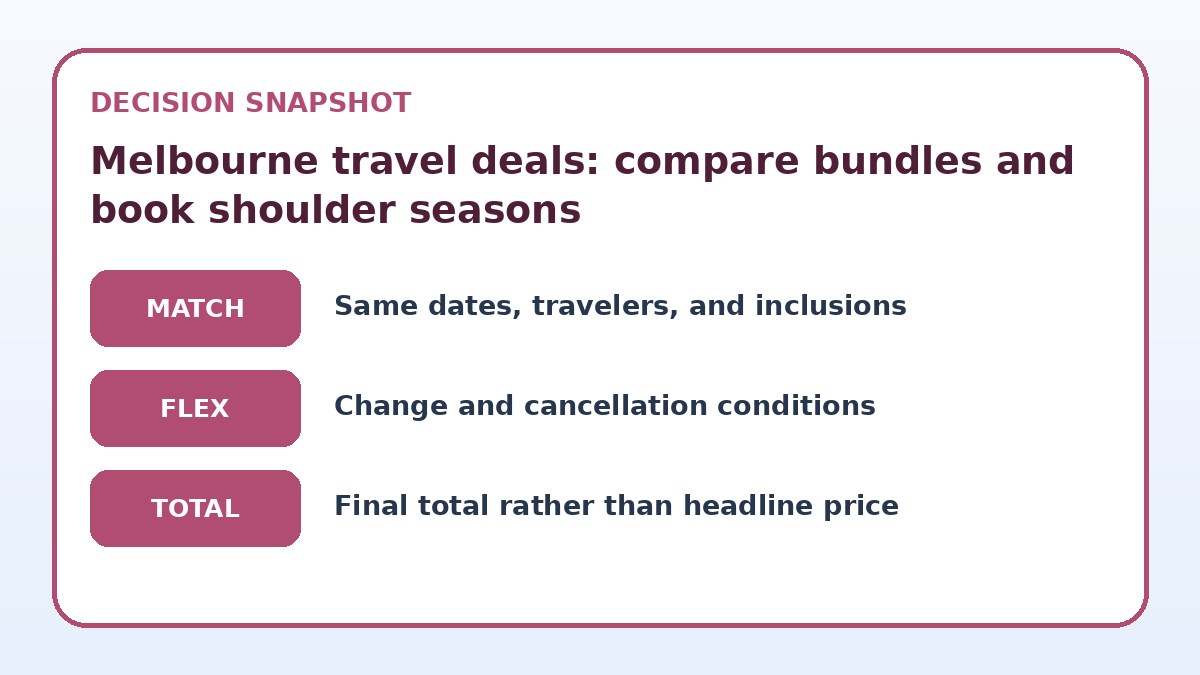
Use identical dates, travelers, room needs, baggage, and flexibility so the comparison stays meaningful.
What to compare before judging a package
Before you accept a bundled deal as a money-saver, compare the same travel dates and the same passenger count across every option you consider. That means lining up identical arrival and departure days, the same flight search class (economy, premium), and confirming the room type and occupancy that apply to a solo traveler. Some packages advertise low per-person rates but assume double occupancy; when you enter a single room, the quoted rate may not apply. Also check which taxes, resort fees, city charges, or mandatory local levies are included — those extras can add up and are often omitted in headline pricing.
Next, inspect inclusions item by item. Confirm whether airport transfers, baggage allowances, seat selection, breakfast, and any sightseeing or attraction tickets are included or merely available as paid add-ons. If a package bundles a guided tour, read the tour provider’s cancellation and minimum-participant clauses. For solo travelers, an included group activity can be a benefit for socializing, but it can also lock you into rigid schedules. Finally, document every refundable and non-refundable component so you can compare the true refundable value of each booking option.
Inclusions and traveler-specific value for solos
Solo travelers should examine how inclusions translate into real value. A package that includes daily breakfast might matter less if you plan street-cafe mornings, but included airport transfers reduce stress on arrival, especially after a long flight. For solos, the most meaningful inclusions are those that replace a service you would otherwise buy alone — private transfers, a welcome meeting, or a multi-attraction pass you’ll use. Conversely, inclusions designed for couples (romantic dinners, twin-share upgrades) often do not translate into real solo value and can hide single supplements.
Also evaluate social and safety benefits. Packages that incorporate small-group city walks or curated day tours can accelerate meeting people and make navigation easier, which is useful when you’re traveling alone in Melbourne. But if those group components have tight schedules or long transfer times, they may reduce your flexibility to explore neighborhoods like Fitzroy or St Kilda at your own pace. Balance the convenience of organized elements with the freedom to change plans on a whim — something many solo travelers prize during shoulder-season trips when weather and local events can shift daily.
Look past the headline total
Compare inclusions and change conditions before deciding whether a package is genuinely useful for this trip.
Deal comparison checklist
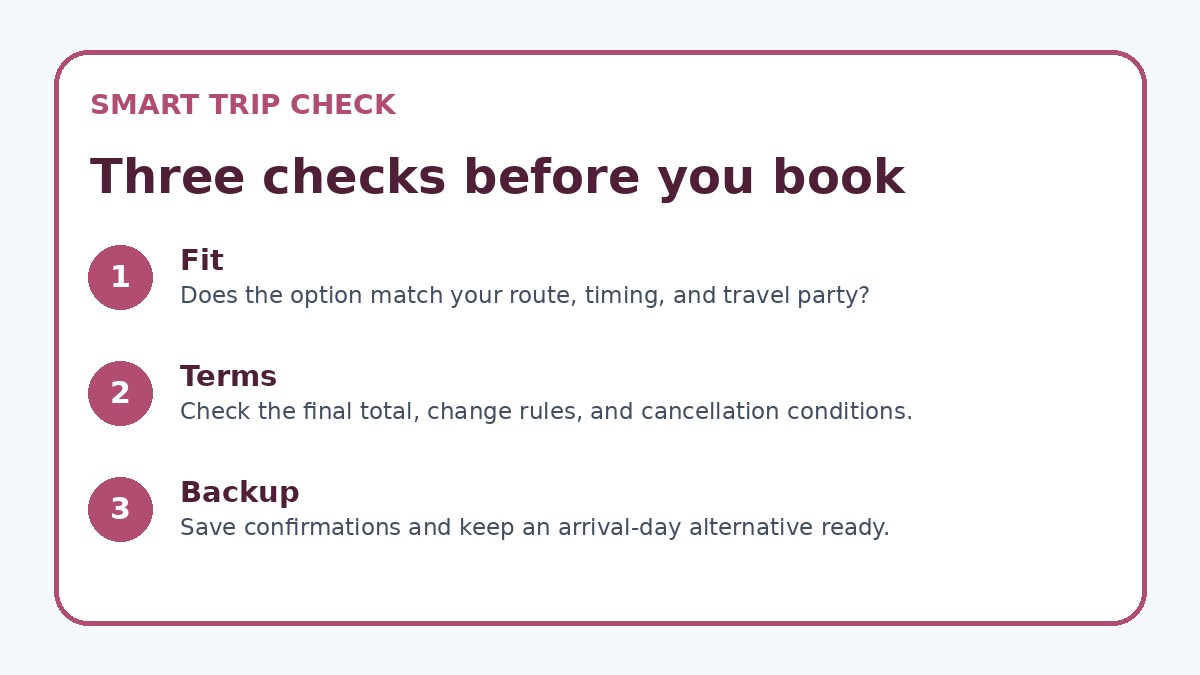
- Line up identical travel dates and single-occupancy room types before comparing package versus separate prices.
- Download and read the supplier cancellation and change policy on the booking page, not just the summary shown in search results.
- Check whether single-room supplements or minimum-stay rules apply to your selected hotel rate.
- Verify baggage allowances, seat selection rules, and airport transfer inclusion for every quoted flight or package.
- Confirm which extras (city taxes, attraction fees, transport passes) are charged at booking versus on arrival.
- Note event dates, university term breaks, and public holidays in Melbourne that could affect weekend availability and prices.
Flexibility, cancellation rules, and what to verify
The fine print matters more in shoulder seasons because weather and event schedules can alter demand quickly. Before booking, map out change fees, the window for free cancellations, and whether refunds are cash or credit. Check whether only certain elements are refundable — flights might be non-refundable while hotels allow free cancellation up to a date. If a package mixes refundable and non-refundable parts, work out the worst-case financial exposure for the solo traveler. Also verify name-change policies and documentation requirements if there’s a chance you’ll switch transport legs or supplier channels.
When provider-specific facts matter, go straight to that supplier’s final booking page and read the full terms before completing payment. Look for explicit clauses about delays, force majeure, and rescheduling windows. If you rely on a third-party platform to compare offers, remember that the platform may not show the supplier’s most recent policy updates; always confirm with the airline, hotel, or tour operator listed in the package. Trip.com can be a useful comparison tool, but treat its listings as a starting point, not a substitute for supplier confirmation.
How shoulder-season timing shifts value and availability
Melbourne’s shoulder seasons typically bring milder crowds and temperate weather, which both reduce friction and change what you should book. Lower demand often means more choice in room types and easier bookings for popular small-group activities. That said, shoulder-season calm can be punctuated by local festivals, university terms, or public holidays that push certain weekends into high demand. For a solo traveler, that means weekday stays may offer better availability and lower single supplements compared with weekend arrivals tied to events.
Also consider transport rhythm: shoulder seasons may result in fewer nonstop options from some international gateways, so compare direct and connecting flights when you search. If a package locks in a specific flight routing, verify whether acceptable alternative routings would still be available at a similar price. Finally, use shoulder-season flexibility to build in buffer days for unpredictable weather or a sudden must-see exhibit — less crowding makes spontaneous local experiences more rewarding for solo travelers, provided your bookings allow that spontaneity.
Travel Deals & Booking Strategy questions travelers ask
Are shoulder-season Melbourne travel deals actually cheaper for solo travelers?
Shoulder seasons often reduce crowding and increase choice, which can lower prices or improve availability. For solo travelers, the key is to check if advertised per-person rates assume double occupancy — a common source of confusion. Compare identical dates and single-room rates across package and separate options, and include single-room supplements in your calculation. Also weigh non-price benefits like included airport transfers or small-group activities; those can be especially useful when traveling alone even if the headline fare looks similar.
How much flexibility should I expect from bundled deals during shoulder seasons?
Flexibility varies by supplier and by which components are bundled. Flights typically have stricter change rules than hotels; some packages mix refundable and non-refundable parts. Look for explicit change windows, the size of change fees, and whether changes allow rebooking within a credit window. If you need high flexibility, compare refundable or flexible-rate options for the most critical components — usually flights and the first night’s hotel — and confirm any rebooking or cancellation fees on the provider’s final booking page.
What’s the best way to avoid false savings when comparing packages?
Avoid false savings by comparing apples to apples: match dates, traveler count, room occupancy, flight cabin class, baggage, and included services. Write down each inclusion and its standalone price if bought separately, then total the costs. Check for single supplements and mandatory fees that might not appear in headline pricing. If a bundle includes activities, confirm minimum-participant clauses and their refund rules. Use a consistent comparison spreadsheet or notes so you can see the actual financial difference, including change and cancellation exposures.
Final decision note
For solo travelers, shoulder seasons in Melbourne can deliver both quieter streets and more booking flexibility — but only if you compare like with like. Start by matching dates, occupancy, and inclusions across packages and separate bookings so you don’t mistake headline savings for real value. Prioritize refundable or flexible options for the elements you can’t replace easily, and pay attention to single-room supplements and event-driven weekend surges. Use the comparison rows and checklist above when you evaluate offers, and always verify cancellation, name-change, and baggage rules on the supplier’s final booking page before you pay. Trip.com can help surface current availability, but confirm the terms shown with the airline, hotel, or tour operator listed in the package.
Continue planning
Check current options and final conditions
Use the provider page to confirm live availability, the final total, cancellation terms, and every condition that matters to your trip.
This evergreen planning guide was created with AI-assisted drafting and a structured quality review. It does not display live prices, schedules, availability, visa guidance, or provider rankings. Verify current details before booking. Some links are affiliate links; we may earn a commission at no additional cost to you.