If you travel to Sydney for work, shoulder seasons can quietly change what’s worth booking and what to buy separately. The practical answer: always compare the same dates, traveler count, and refund/flexibility terms when weighing a bundled package versus separate flight-plus-hotel bookings, and plan meetings around local demand peaks like conferences and school holidays. Shoulder seasons—usually the months just before or after the busiest summer and winter periods—can offer lower occupancy and more flexible hotel terms, but they can also mean reduced schedules on certain routes and fewer airport transfer options. That matters for tight meetings. This guide tells you what to check on provider pages, how to read inclusions and cancellation clauses, and which bundling approach usually fits different business needs. Use the checklist at the end before you book to avoid comparing apples to oranges.

Test package value fairly
| Booking approach | Best for | Tradeoff to check |
|---|---|---|
| All-in-one package (flight + hotel + transfers) | Travelers who prefer a single point of purchase and minimal logistical coordination. | May mix flexible and nonflexible components and can obscure whether loyalty benefits and corporate expense rules apply. |
| Book flight and hotel separately | Travelers who need maximum flexibility, loyalty accrual, and the ability to swap suppliers. | Requires more time to compare and may miss bundled perks like included transfers or breakfasts. |
| Package the hotel with local transfers only | Short trips where arrival logistics are critical but flight options are fixed by corporate policy. | Saves coordination at arrival but leaves flight flexibility and seat choices handled separately. |
| Buy refundable airfare and reserve hotel with flexible cancellation | Business travelers with unpredictable schedules who value changeability above initial savings. | Typically higher upfront cost but lowers risk of large fees if plans change. |
Check current package and separate options
Use identical dates, travelers, room needs, baggage, and flexibility so the comparison stays meaningful.
What to compare before deciding on a package
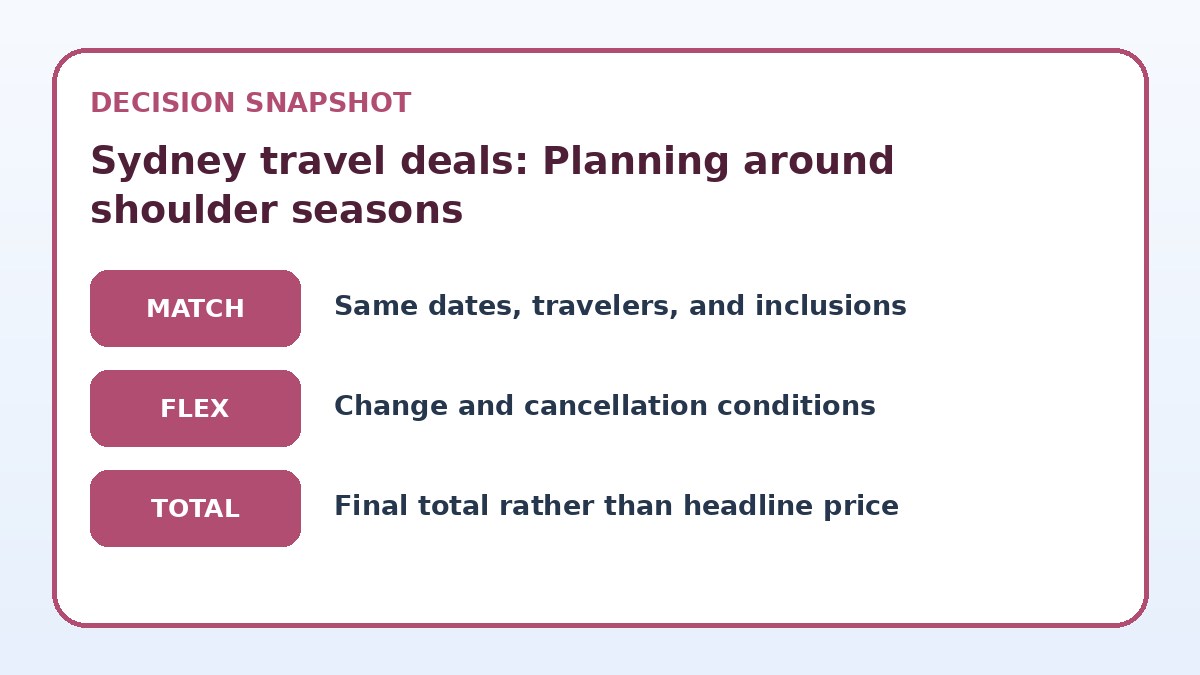
Start by aligning the fundamentals: identical travel dates, the same number of travelers, arrival and departure times that fit your meetings, and the same room type and bed configuration. If a package advertises breakfast or airport transfers, verify whether that applies to every traveler in your reservation and whether timings match your agenda. Packages sometimes bundle nonrefundable fares with refundable hotel rooms or vice versa; that mix can reduce clarity about overall flexibility. A fair comparison isolates inclusions so you can see the pure fare plus extras, rather than letting bright marketing copy distort total cost and convenience.
Next, match cancellation and change conditions line-by-line. A seemingly small change fee on a flight can exceed an entire hotel night saved by a bundle. Check whether the package’s change policy is governed by the airline, the hotel, or the package seller; which entity has to approve reimbursement; and how refunds are handled. Look at add-ons such as lounge access, early check-in, or guaranteed late checkout, and confirm these on the final booking page—if they’re not spelled out there, treat them as unconfirmed until you see the provider’s terms.
Inclusions and flexibility: what matters most for business travelers
For business travelers flexibility often trumps headline savings. Key inclusions to prioritize are refundable or changeable fares with low change fees, hotel rates that allow free cancellation until late, and options to select or change seats. Also consider whether the package includes airport transfers timed to your meetings or whether you’ll need to rely on variable taxi or ride-share availability during shoulder-season schedule changes. If meetings can shift at short notice, make sure conference or meeting cancellation protection and refundable room deposits are explicit in the booking terms.
Be wary of packages that lock you into specific flight times to secure a cheap rate but then pair that fare with a cancellable hotel; the least flexible component often dictates overall risk. For multi-day visits, prioritize hotels with easy Wi-Fi, business center access, and flexible check-in if your flight times might change. Always verify the provider’s stated inclusions and the exact wording about refunds and changes on their final booking page—if a travel seller refers to a third-party policy, open that policy and confirm its application to your reservation.
Look past the headline total
Compare inclusions and change conditions before deciding whether a package is genuinely useful for this trip.
Deal comparison checklist
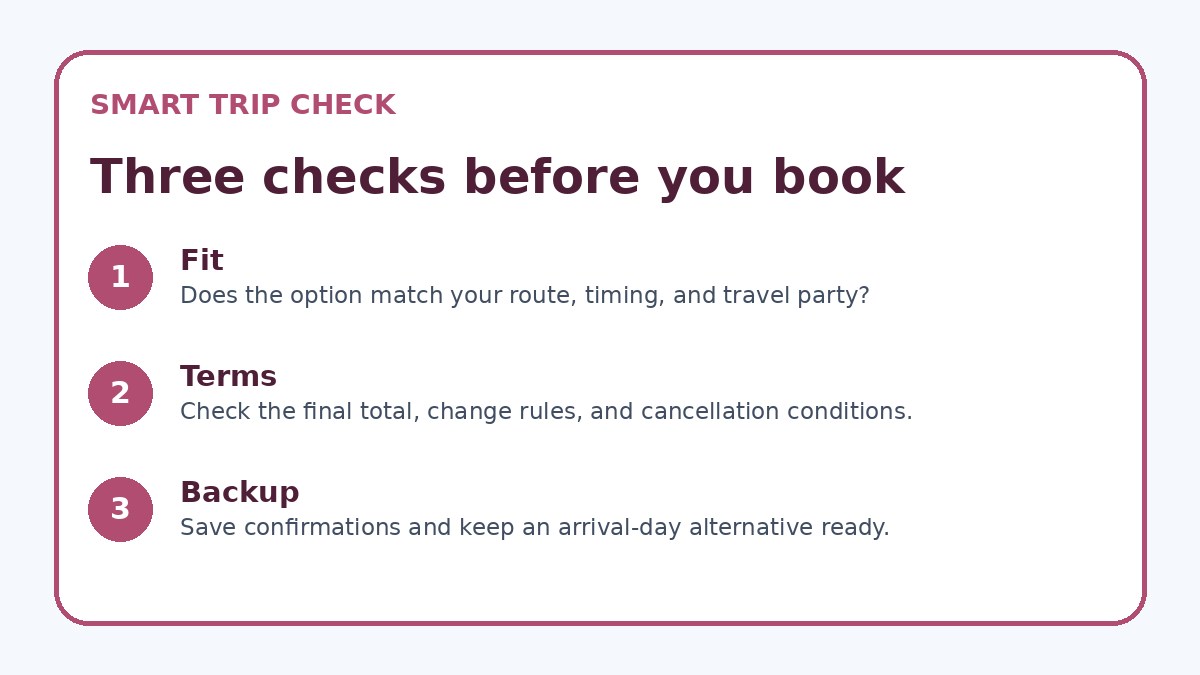
- Match travel dates, traveler count, and room type when comparing package and separate prices to avoid false savings.
- Open and read the airline fare rules and hotel cancellation policy on the seller’s final booking page before paying.
- Confirm whether airfare and hotel reservations will accrue loyalty points or corporate benefits and request written proof if unclear.
- Verify included transfers’ operating hours and pickup/drop locations and whether advance reservation is required.
- Ask for a detailed invoice splitting flight, hotel, taxes, and fees to satisfy corporate expense reporting needs.
- Get written confirmation of change and refund procedures from the seller and save all correspondence for potential claims.
Traveler-specific value: corporate cards, loyalty, and expense rules
Corporate travelers should add loyalty and corporate-card benefits into the comparison. Bundles sometimes exclude individual frequent-flyer accrual or hotel points, or they credit stays differently, which can affect long-term value. Confirm whether the package fare earns points and whether hotel status benefits (room upgrades, late checkout) will apply. Expense policy matters too: if your company requires separate receipts for airfare and accommodation, a single-package invoice may complicate reporting unless the seller provides detailed receipts that split line items clearly.
Also check credit card protections and corporate insurance coverage. Some corporate cards offer travel protections that kick in only when flights or hotels are booked directly with airlines or hotel chains; bundling through a third-party seller could change claim eligibility. If your employer has preferred suppliers or negotiated rates, compare those directly with package terms. When in doubt, request screenshots or a written confirmation from the seller that the booking will qualify for your company’s expense rules before finalizing payment.
Final terms and verification: what to confirm before checkout
Before you click purchase, confirm these concrete items on the provider’s final booking page: exact fare or rate breakdown, refund and change policies for each component, whether baggage and seat selection are included for each passenger, and how and when any included transfers operate. If a package includes shuttle service, verify pickup/dropoff locations and whether they require pre-booking or have limited operating hours. Don’t accept summary language alone—open the full fare rules, the hotel’s cancellation policy, and any third-party transfer terms.
If anything is ambiguous, use the provider chat, email, or phone to get written confirmation and save that correspondence. Trip.com is one place you can check current availability and conditions but treat it like any other seller: confirm final terms on the booking page before paying. Finally, ensure that contact details for changes or cancellations are clear and that you can access credits or refunds without onerous steps—if the seller’s support is limited or the refund path is unclear, that increases the cost of convenience even if the upfront price is lower.
Travel Deals & Booking Strategy questions travelers ask
Are shoulder-season Sydney travel deals typically cheaper for business stays?
Shoulder seasons often mean lower hotel occupancy and more flexible room policies, which can reduce nightly rates or secure upgrades. However, business travel value depends on flight schedules, meeting demand, and corporate rules. Flights into Sydney during shoulder months can have reduced frequency on some routes, which may force inconvenient connections and add risk to tight itineraries. For corporate travelers, the right approach is to price a refundable fare plus a flexible hotel against any package, checking the actual travel days and meeting times rather than assuming shoulder-season blanket savings.
How do I ensure a package allows airline loyalty and corporate expense compliance?
Before purchasing, inspect the package terms on the booking page for statements about miles, points, or status benefits. If the seller’s page is unclear, contact them and request a written confirmation that the booking will be eligible for loyalty accrual and that the invoice will itemize flight and hotel charges separately for expense reporting. If your company has preferred suppliers or rate codes, compare those offers directly and confirm whether they can be combined with any advertised package. Don’t rely on verbal assurances—get the promise in writing.
What should I verify about transfers and local transport during shoulder seasons?
Confirm pickup/dropoff locations, scheduled operating hours, and whether transfers run on-demand or at set times; shoulder seasons can mean fewer services or modified schedules. If a package includes transfers, verify whether they accommodate late arrivals or early departures and whether reservations are required in advance. Also check alternative options—ride-hailing apps, airport shuttles, and metro services—so you have a backup. Ensure transfer terms, including any waiting-time limits or extra-fee rules, are visible on the final booking page.
Final decision note
For business travelers, planning Sydney travel deals around shoulder seasons can unlock better hotel availability, more amenable room policies, and potential savings—but only if you compare like for like. Start by matching dates, passenger counts, and inclusions, then prioritize flexibility that aligns with corporate expense and loyalty rules. Read final booking pages carefully for fare rules, cancellation and change policies, and transfer specifics; get written confirmation when anything is ambiguous. Use the checklist to avoid overlooked fees or compliance issues, and treat any bundle as a convenience choice rather than an automatic bargain. When in doubt, price a refundable flight plus a flexible hotel separately and compare total risk-adjusted cost before you book.
Continue planning
Check current options and final conditions
Use the provider page to confirm live availability, the final total, cancellation terms, and every condition that matters to your trip.
This evergreen planning guide was created with AI-assisted drafting and a structured quality review. It does not display live prices, schedules, availability, visa guidance, or provider rankings. Verify current details before booking. Some links are affiliate links; we may earn a commission at no additional cost to you.