Practical answer first: when booking Seoul to Jeju flights as a couple, prioritize ticket flexibility that matches your risk tolerance and travel plan. If your dates are firm, choose the lowest-fare nonrefundable option and add only the protections you need. If there’s any chance your plans will shift, pick a fare or add-ons that allow free or low-cost date changes and reasonable refunds. Always verify the carrier’s final change and cancellation conditions on the booking page before paying — that page is the contract. For couples, compare how each policy treats name changes, seat reassignments together, and family-friendly exceptions, and weigh those against any fare premium. These decisions determine cost and stress more than small fare differences.
Understand the basic fare types and who they suit
Most carriers on the Seoul to Jeju route sell fares in tiers: deeply restricted, semi-flexible, and refundable or flexible. Deeply restricted fares are cheapest but usually charge fees for date or name changes and do not refund the ticket if you cancel. Semi-flexible fares allow changes for a fee or include one free change depending on the carrier’s rules. Refundable or fully flexible fares cost more but typically allow cancellations or date changes with minimal penalties — they suit couples with uncertain schedules or those booking flights around other vendors like ferries, tours, or special events.
Choosing between these depends on how locked-in your trip is. If you have fixed wedding dates, family events, or confirmed hotel reservations, flexibility reduces risk. For short, low-cost trips with a reliable schedule, a restricted fare might save money. For couples coordinating different work calendars, the ability to change dates or split the ticket without heavy fees often outweighs the extra fare. Always check what each fare type includes on the booking page: baggage allowances, seat selection, and whether bundled ancillaries follow the same rules.
How change and cancellation rules are written — what to verify
Read three key items on the provider’s final booking page before you click pay: what constitutes an allowable change, the fee structure for changes, and whether taxes and fare differences apply. An allowable change might be moving the same passenger to a different flight on the same route or changing the travel date entirely; some tickets permit only same-day changes. Carriers can list a flat fee, a percentage of the fare, or only require you to pay the fare difference; any of these can be combined with nonrefundable portions of taxes and fees.
Also check specifics that matter for two travelers: whether you can change one passenger without cancelling both tickets, whether seat assignments stay together after changes, and what happens to bundled items like priority boarding. If the policy mentions name changes, confirm the degree of flexibility — minor corrections are often permitted while transferring a ticket to another person is usually prohibited. When in doubt, screenshot the fare rules and save the confirmation containing those terms; the booking page is the contractual source if disputes arise.
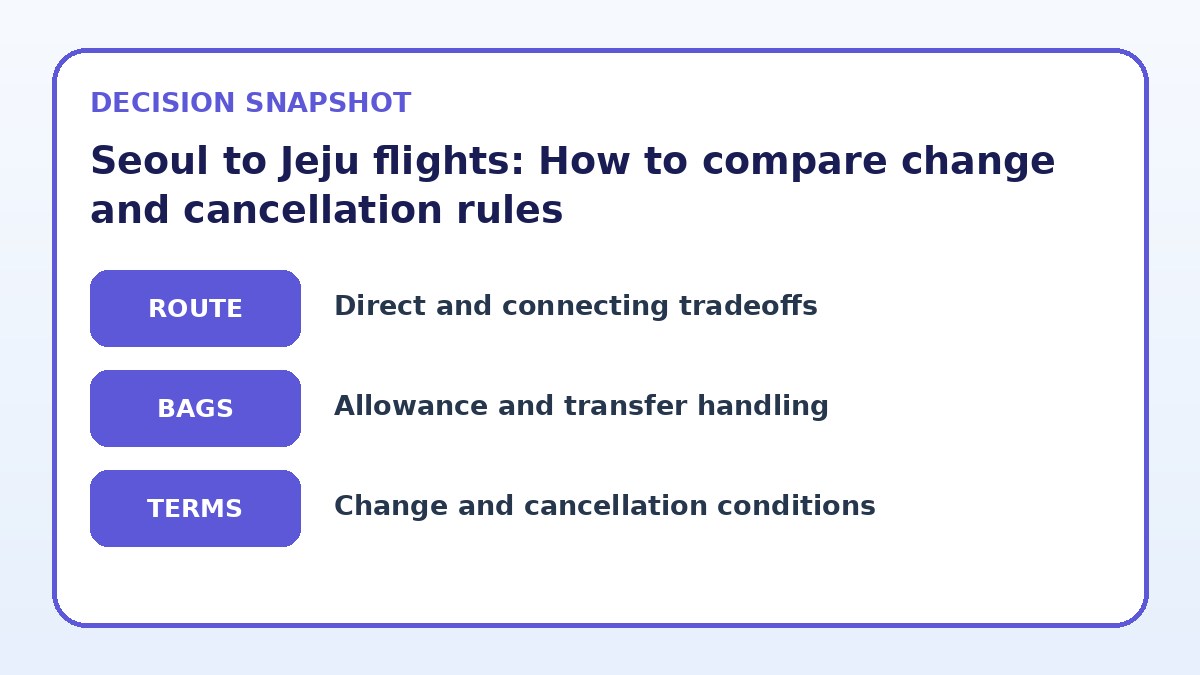
| Approach | Best for | Tradeoff to check |
|---|---|---|
| Book cheapest nonrefundable fares | Couples with fixed, certain travel dates | Lowest upfront cost but higher risk of losing fare if plans change |
| Buy semi-flexible fare or add free-change option | Couples who might adjust dates but want lower cost than full flexibility | Moderate extra cost; may still incur fare differences on busy flights |
| Purchase fully refundable/flexible tickets | Couples needing maximum schedule certainty and minimal hassle | Higher upfront fare; often unnecessary if changes are unlikely |
| Use nonrefundable fare plus travel insurance | Couples seeking cost control with contingency for specific covered reasons | Insurance adds cost and has exclusions; claims require documentation and processing time |
Tradeoffs: price vs flexibility for couples
Flexibility often means paying more up front, but the right balance depends on how likely you are to change plans and how much stress you want to avoid. Paying a premium for refundable or change-fee–free fares can protect couples dealing with unpredictable work, family obligations, or medical situations. On the other hand, if both travelers’ schedules are fixed and you can’t anticipate changes, a nonrefundable fare plus a small travel insurance policy may be the most economical route.
Another tradeoff concerns bundled extras: some low-cost tickets let you add a bundle that includes seat selection and baggage at a reduced combined price, but those bundles can become nonrefundable and complicate partial refunds. If your priority is sitting together, invest in seats at booking and verify the seat reallocation policy for changes — you may need to repurchase seats if automatic seat assignments are released when a ticket is changed. For couples, the intangible benefit of reduced stress and preserved seat assignments often justifies moderate additional cost.
Before you book
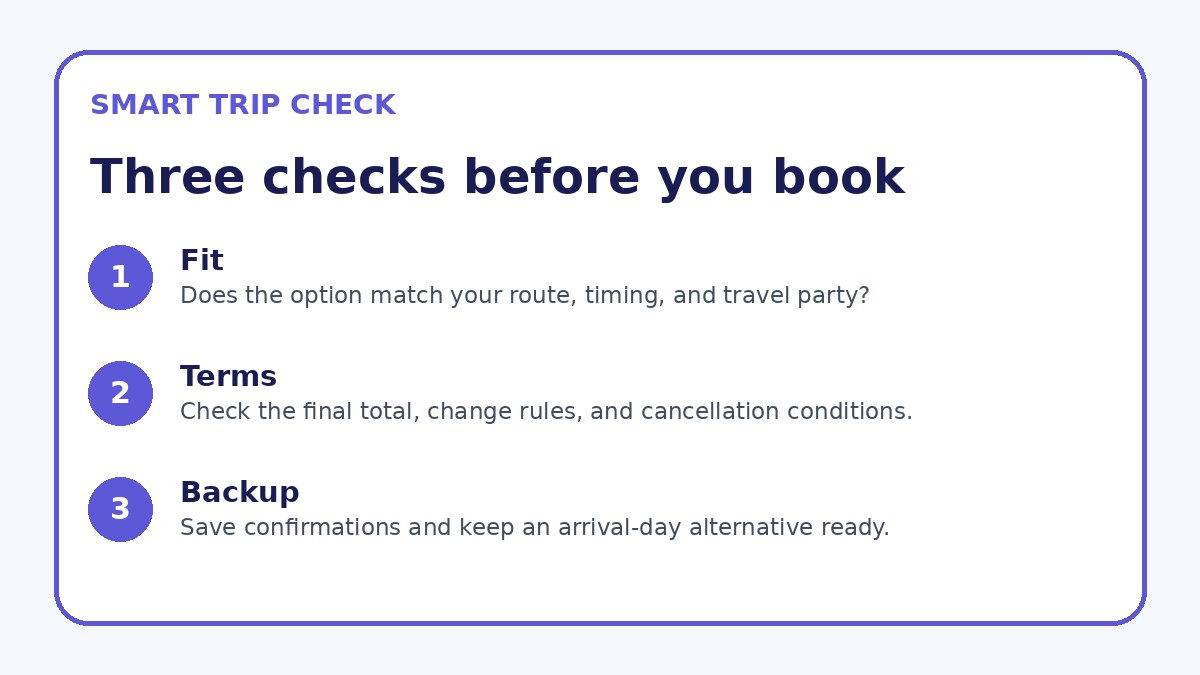
- Before paying, open and read the airline’s full fare rules on the final booking page and save a screenshot of the terms and price summary.
- Confirm whether you can change or cancel one passenger’s ticket independently without voiding the other passenger’s reservation.
- Check if seat assignments remain together after a change or if seats must be repurchased; note the seat-change policy on the confirmation.
- Verify how bundled ancillaries (bags, seat, priority boarding) are treated for refunds and changes and whether removing them affects refundability.
- If booking via a third-party agent, read the agency’s change/cancel fee policy and compare it with the airline’s official rules.
- If considering insurance, read the policy exclusions and claim process; note whether it requires airline rejection before an insurer pays.
What to check from third parties and at the time of boarding
Beyond the carrier’s fare rules, confirm how third-party booking agents, travel insurance policies, and credit-card protections interact with the airline’s rules. If you book through an agent, the agency may add its own cancellation terms or service fees for making changes. Travel insurance can cover certain cancellations but typically requires the airline to first apply its own refund or credit; read insurance exclusions and verify if ‘cancel for any reason’ coverage is necessary for your situation.
At check-in and boarding, practical matters can affect whether a change is smooth: confirm whether both travelers must be present for same-day changes or rebooking at the airport, how refunds or credits are issued (voucher vs ticket credit), and whether baggage checked on the original flight transfers automatically to rebooked flights. Keep contact numbers and screenshots of your booking rules handy. If you want an independent check, you can compare current availability and conditions on Trip.com, but always treat the airline’s final booking page as decisive.
Frequently asked questions
Can we change dates for only one person on a two-person Seoul–Jeju booking?
Possibly, but it depends on the fare rules and how the booking was issued. Some carriers allow individual passenger changes on the same reservation; others treat paired itineraries as linked and require altering both tickets or reissuing separate tickets. If you anticipate staggered travel plans, consider booking separate tickets or confirm on the carrier’s final booking page whether single-passenger changes are permitted and whether separate change fees apply. Keep screenshots of the fare rules and agent communications.
Will I get a full refund if we cancel our Seoul to Jeju flight together?
A full refund is only available for refundable fares or when the airline’s published policy allows refund for that specific ticket. Many low-cost or restricted fares are nonrefundable but may offer a voucher or credit instead. If you booked through an agent, the agency’s refund policy also matters. Always verify refundability on the final booking page and save proof. If you have travel insurance, check whether your reason for canceling is covered and what documentation the insurer requires.
How do seat selections and baggage add-ons affect changes and refunds?
Seat selections and baggage can follow different rules than the base fare: some bundles become nonrefundable or nontransferable when you change the base ticket. Changing travel dates might release pre-assigned seats and require repurchasing them, or the carrier might reassign seats together depending on availability. Baggage bought as an add-on is often refundable only under certain fare types. Confirm the carrier’s ancillary refund and reissue policy on the booking page so you know if you’ll recover any of those costs when changing or cancelling.
Final planning note
For couples booking Seoul to Jeju flights, the smart move is to match ticket flexibility to real uncertainty—not emotion. If your itinerary is firm, a restricted fare can save money; if either partner may shift plans, prioritize change-friendly fares or add protections that limit fees. Read and save the carrier’s full fare rules on the final booking page, confirm how policies treat two passengers on one reservation, and note how ancillaries behave under changes or cancellations. Use travel insurance only after comparing what the airline covers versus the insurer’s exclusions. When you verify these items before paying, you reduce the risk of surprise costs and protect yourselves from most common disruptions.
Continue planning
Check current options and final conditions
Use the provider page to confirm live availability, the final total, cancellation terms, and every condition that matters to your trip.
This evergreen planning guide was created with AI-assisted drafting and a structured quality review. It does not display live prices, schedules, availability, visa guidance, or provider rankings. Verify current details before booking. Some links are affiliate links; we may earn a commission at no additional cost to you.