Practical answer first: for most couples wanting comfort and variety, build a mixed ground plan that combines an overnight train for the scenic, relaxed leg and short intercity coaches or private transfers to reach coastal towns between Hanoi and Da Nang. That approach balances sleeping time, less time spent changing hotels, and flexible stopovers without adding complicated baggage handling. If you prefer fewer transfers, a single long-distance train or an express coach may be simpler — but expect tradeoffs in timing and door-to-door convenience. Start by listing the exact towns you want to visit on the way, then match each leg to one mode based on terminal locations, luggage friction, daily schedules, and how much buffer you want for delays.
Choosing modes: rail, coach, or a combination
Start by matching what you want from the journey to each mode’s strengths. Trains are usually more spacious for couples, letting you stretch out or sleep overnight; they also let you arrive in city centers, which saves taxi time. Coaches can be more frequent and allow more flexible stop patterns — useful if your itinerary includes smaller towns en route. Private cars or rides with a driver offer door-to-door convenience and the easiest luggage handling, making them attractive when you value time over cost.
When you plan a mixed itinerary, use one long rail leg where trains are comfortable and convenient, then pick shorter coach or car transfers for regional hops. This reduces the number of times you unpack while still giving you scenic rail travel. Compare starting and ending terminals: if a train station is centrally located it often beats a coach depot positioned on the city outskirts. Think of the trip as door-to-door travel rather than purely a ride: how you get from your lodging to the terminal and from the terminal to the next hotel matters as much as the segment itself.
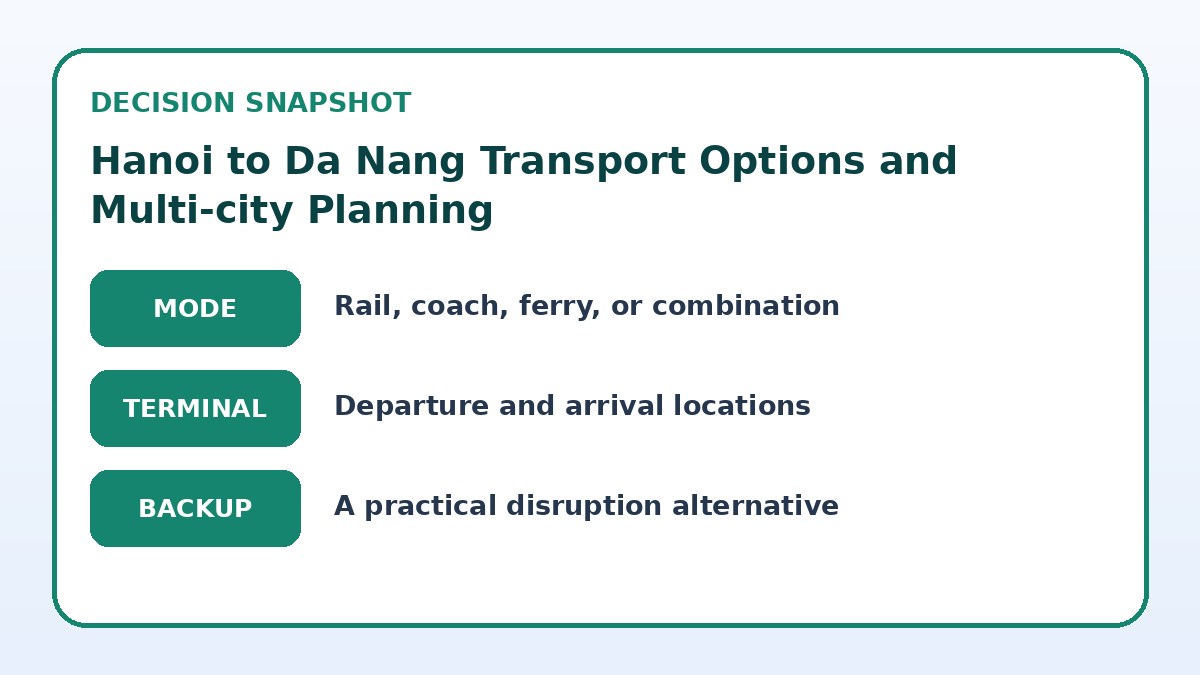
Choose the end-to-end journey plan
| Journey approach | Best for | Friction to check |
|---|---|---|
| Single long-distance train | Couples who want minimal transfers and a comfortable, scenic seat or sleeping berth. | Less flexibility to stop en route; may require late-night arrival or earlier check-in logistics. |
| Coach-only itinerary | Travelers who prefer frequent departures and potentially lower per-leg coordination. | Some depots may be outside city centers, increasing transfer time and luggage handling. |
| Mixed train + coach/car | Couples seeking scenic overnight travel plus flexible day stops without unpacking often. | Requires planning to sync terminals and allow ample buffer time for connections. |
| Private transfers for all legs | Those prioritizing door-to-door convenience and minimal luggage friction. | Higher cost and less opportunity for spontaneous local travel on public services. |
Check live intercity options
Look beyond the ride itself and compare terminals, transfers, luggage, and arrival fit.
Terminal fit and luggage/transfer friction
Assess both ends of every leg for how easy they are to reach from your accommodation. A centrally located train station lets you walk or take a short ride, saving time and the hassle of moving heavy bags. By contrast, some long-distance coach stations sit outside urban cores and require additional transfer time and cost. If your plan includes scenic stops, consider whether each town’s station or depot is near recommended neighborhoods and attractions so you aren’t spending your sightseeing time on transfers.
Luggage handling is a practical constraint for couples traveling together. If you prefer not to manage large bags on multiple hops, favor longer single-leg services or private transfers even if they cost a bit more. When you must change modes, aim for connections with at least 60–90 minutes between scheduled arrivals and departures to allow for taxi rides, bathroom breaks, and unexpected delays. If you intend to use local buses for short hops, pack a small daypack with essentials to avoid hauling full luggage on every move.
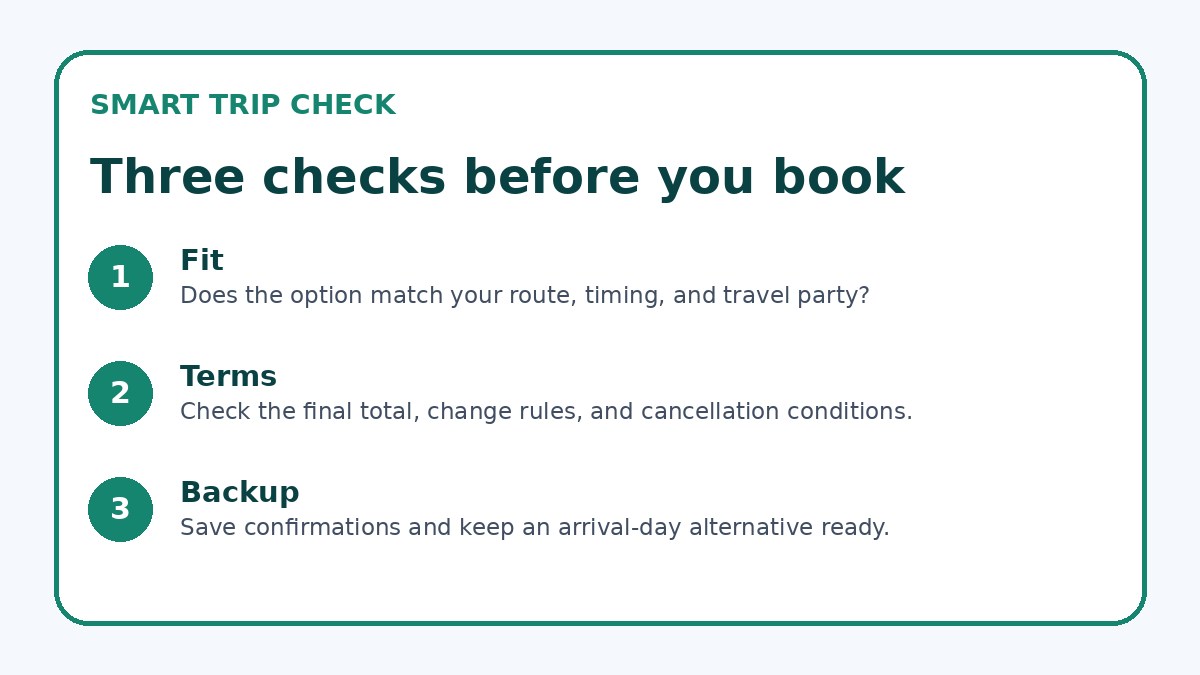
Timing flexibility and building buffers
Couples planning multi-city ground travel should prioritise daily rhythm: decide which parts of the day you prefer to travel and which you prefer to reserve for exploring. Overnight travel frees daytime for sightseeing but requires you to be comfortable sleeping on a moving vehicle. Daytime trains and coaches give you a view of the landscape and simpler ramps for getting on and off, but they eat into sightseeing hours. Check typical departure windows and choose options that match how you like to spend your travel days.
Always build time buffers between connections and between arriving from a long leg and hotel check-in. Allow extra time not only for delayed services but also for the time it takes to find a taxi or transfer driver, check luggage into a hotel, and have a relaxed meal together. If a planned connection involves switching modes at a large station, identify the platform or depot area in advance and factor in walk times. For peace of mind, schedule the most critical or tightest connections earlier in the day when help and transport options are more plentiful.
Compare the practical alternatives
Use the final page to confirm what is actually offered on your dates and save a workable fallback.
Intercity travel checklist
- List the towns you want to visit between Hanoi and Da Nang and mark which require central arrivals versus acceptable outskirts depots.
- Check exact terminal addresses and typical transfer options (taxi, ride-hail, shuttle) on the operator’s booking page for each leg.
- Decide whether you’ll sleep on a train or in hotels and choose legs accordingly to minimize uncomfortable overnight transfers.
- Allocate at least 60–90 minutes between scheduled arrivals and departures for all transfers unless you have an arranged private pickup.
- Pack a small daypack with essentials and documents so you can leave main luggage in one place when making short hops.
- Book one flexible backup (later coach, daytime train, or private transfer) for any critical connection and note cancellation/change terms.
Disruption backup and what to verify before booking
Build at least one reliable backup for each multi-leg day. That can be a later coach, a daytime train, or a private transfer option you can call if a scheduled service is delayed or canceled. For couples traveling together, pick contingencies that involve the fewest additional transfers and the least luggage juggling. Decide in advance under what circumstances you will switch to your backup — for example, missed connection times of more than 45 minutes or delayed overnight arrival — so you can make quick choices under stress.
Before you book, verify a few concrete items on the provider’s final page: terminal addresses and how central they are, baggage allowances and any size/weight limits, change and cancellation policies, and whether the service requires travelers to check in at a desk or can validate e-tickets on a phone. If you plan to use a private transfer company, confirm their pickup meeting point and local contact number. You can compare current availability and conditions on Trip.com as one of several sources, but always follow the operator’s booking page for the definitive terms.
Rail & Intercity Transport questions travelers ask
Can couples comfortably split the Hanoi–Da Nang route between train and car?
Yes — many couples combine an overnight train for the longer, scenic segment with short private-car or coach hops for regional stops. This method reduces hotel-check frequency and keeps a comfortable sleeping option on longer legs. When splitting modes, verify terminal locations and how transfers will work: are taxis easy to find, is the depot outside town, and how long are expected walks between platform and pickup point? Also confirm baggage rules and whether the car service can handle the size and number of bags you’ll bring.
How much buffer time should couples leave when planning multiple ground connections?
Aim for a minimum of 60–90 minutes between planned arrival and the next departure for most public mode switches; for unfamiliar or large stations, allow extra time. If you must change terminals across a city or rely on a single on-call taxi service, build additional padding to account for traffic and queuing. For overnight-to-day transitions, add time for checking into hotels and freshening up. Choosing daytime critical connections when services and staff are most available will reduce stress and make buffer times more dependable.
What are the main luggage considerations for couples doing multi-leg ground travel?
Think in terms of frequency: fewer legs means less handling; more stops means more chances to move bags. If you dislike repeated transfers, prefer longer single-leg options or private transfers for door-to-door movement. For multiple short hops, bring luggage that’s manageable by two people and use a daypack for essentials during short excursions. Always verify baggage allowances and any required check-in procedures on the operator’s booking page, and have a plan for securely storing luggage if you want to sightsee between services.
Final decision note
For couples traveling Hanoi to Da Nang, the most practical multi-city ground plan balances comfort, luggage ease, and flexible stopovers. A mixed approach — pairing an overnight train for the long scenic stretch with short coaches or private transfers for local hops — often gives the best door-to-door practicality: you sleep through long mileage, retain central arrivals, and still stop at towns without unpacking repeatedly. Prioritize terminal locations, build realistic buffers, and set at least one reliable backup for each critical connection. Before you commit, verify terminal addresses, baggage rules, and change policies on the provider’s booking page — and compare availability on Trip.com or similar sites to see current options.
Continue planning
Check current options and final conditions
Use the provider page to confirm live availability, the final total, cancellation terms, and every condition that matters to your trip.
This evergreen planning guide was created with AI-assisted drafting and a structured quality review. It does not display live prices, schedules, availability, visa guidance, or provider rankings. Verify current details before booking. Some links are affiliate links; we may earn a commission at no additional cost to you.