If you and your partner are deciding how to travel from Hanoi to Ho Chi Minh City, start by choosing the balance you want between schedule flexibility and day-of convenience. For many couples, that balance influences whether you pick an early direct flight that keeps your itinerary simple, a later direct that offers time to linger, or a connecting itinerary that can be cheaper or better-timed but adds baggage and missed-connection risk. The practical answer: pick the minimum number of connections you can tolerate while matching the departure and arrival times that keep your joint plans relaxed. Before searching live fares, confirm your exact travel dates, preferred airport times, any checked-bag needs, and whether one of you requires special assistance or seat assignments. With those details set, you can compare direct versus connecting options, the fare rules on changes and cancellations, and the baggage allowances that impact both comfort and cost.
See live routes for your exact travel day
Compare direct and connecting choices with the same baggage and traveler details.
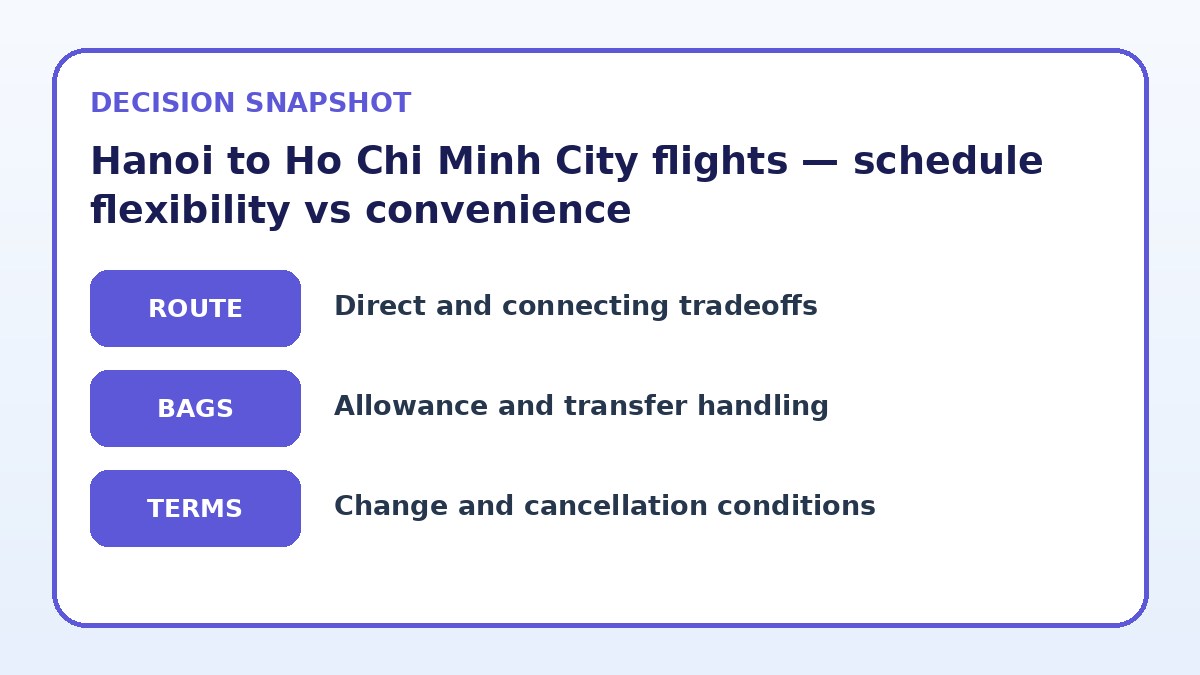
Routing: direct versus connecting and what each gives couples
Direct flights simplify the day and lower the number of touchpoints when you travel together. For couples who value predictable arrival times for hotel check-ins, tours, or evening plans, a nonstop option usually reduces stress: fewer boarding passes, no gate changes, and a single takeoff and landing. If your schedule is tight—arriving before dinner or reaching an event—prioritize the simplest routing that meets your time window. That said, direct service may only be available at specific times, and choosing one could mean sacrificing a preferred departure or a slightly later wake-up.
Connecting itineraries can open more time choices and occasionally lower fares, but they introduce transfer hassles that couples should weigh honestly. Each connection adds a chance for a delayed arrival, missed luggage, or rushed movements between gates or terminals. If you consider a connecting option, allow generous layovers, verify minimum connection times at the transit airport, and ensure you’re comfortable handling a connection together. For couples with flexible schedules who want to save on fares or who prefer a particular departure time, a single connection with a comfortable layover can be a reasonable compromise.
Baggage and connection risk: matching luggage needs to itinerary style
Baggage rules often swing the value equation between convenience and cost. If you plan to check luggage, low-fare connecting tickets may charge separate fees per segment or per passenger, which can erase any headline fare savings. Couples traveling light with carry-ons can more easily accept connections because there’s no checked luggage to be delayed or transferred. Verify on the airline’s final booking page whether carry-on dimensions, weight limits, and checked-bag fees are included in the fare class you select; those particulars determine whether a cheap connection remains cheaper after baggage is counted.
Connection risk isn’t just about delays; it’s about coordination. If one partner needs extra time to board, requires wheelchair assistance, or prefers to avoid cramped gates, choose longer layovers or direct flights. Also check whether the connection requires changing terminals and whether immigration or recheck of bags is involved; those steps increase the minimum time you should plan. When evaluating options, compare the same itinerary for both travelers—mixed itineraries with different airlines can complicate baggage handling and rebooking if disruption occurs, so prioritize paired reservations.
Compare flight-selection strategies
| Flight strategy | Best for | Risk to check |
|---|---|---|
| Direct morning flight | Couples who want reliable arrival times and minimal travel hassle. | Less departure time flexibility and sometimes higher fares compared with connecting options. |
| Direct late-afternoon flight | Couples who prefer a relaxed morning in Hanoi and still arrive with usable evening time. | May limit evening options in Ho Chi Minh City if delayed; fewer scheduling choices than connections. |
| Single-connection itinerary with long layover | Couples seeking lower fares or specific departure times while keeping connection stress low. | Longer door-to-door time and additional airport waiting, but less risk than a short connection. |
| Tight-budget multi-segment itinerary | Couples prioritizing lowest headline fare and willing to accept higher disruption risk. | Increased chance of missed connections, separate baggage fees, and limited or costly changes. |
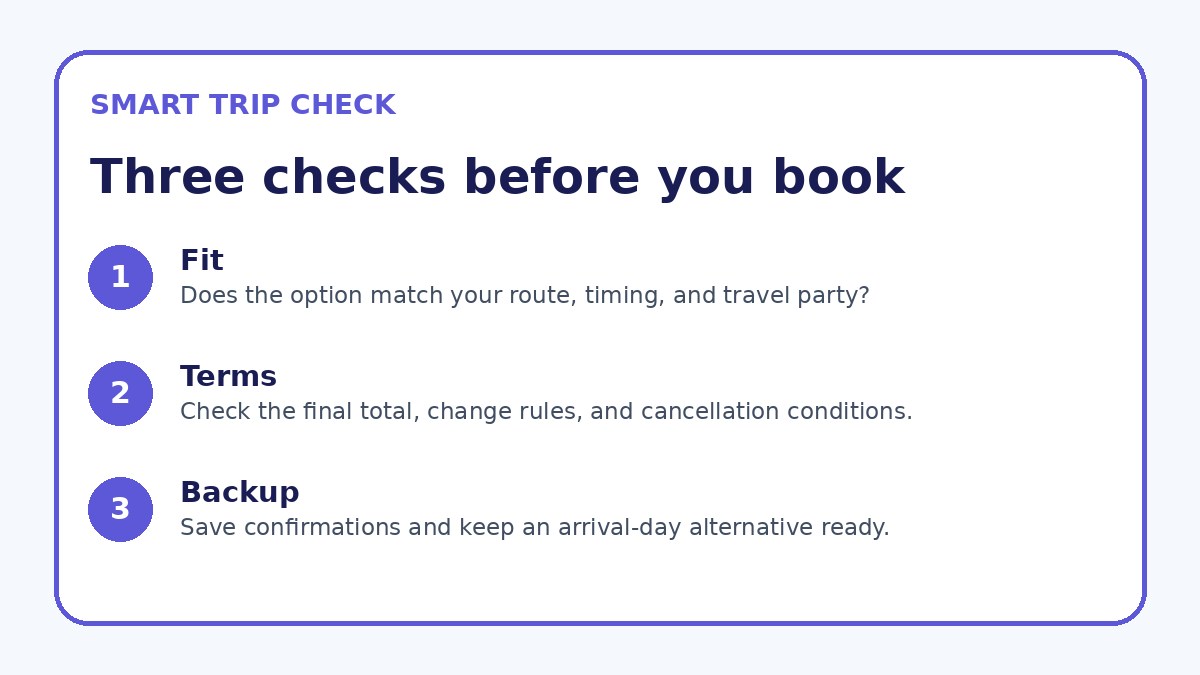
Recheck the complete itinerary
Confirm airports, connection handling, baggage, and change conditions before deciding.
Schedule fit: when flexibility beats strict timing for couples
Think about how your morning and evening preferences affect the trip. If you both want to maximize sightseeing time on arrival, an early arrival may win even if it involves waking early for the outbound flight. Conversely, if you prefer a relaxed morning in Hanoi, a mid-day or late-afternoon departure that still arrives in Ho Chi Minh City with usable evening time may be worth a slightly higher fare. Flexibility matters differently for each couple—some will trade schedule rigidity for lower cost, while others prioritize comfort and predictable timing above savings.
Also consider how on-the-ground plans interact with flight times: hotel check-in and check-out policies, tour start times, and restaurant reservations. If you have reservations that can’t be shifted, prioritize schedule certainty and pick flights with buffer time for possible delays. If your plans are fluid, fare flexibility that allows free or low-cost changes might serve you better. Balance convenience and flexibility by choosing a flight whose arrival window aligns with your main activities and whose fare conditions let you adjust plans without prohibitive fees.
Flight details to verify
- List your exact travel dates, preferred departure windows, and acceptable arrival times before searching fares.
- Decide whether you need checked baggage and confirm the baggage allowance included with each fare class on the booking page.
- Check change and cancellation rules for the fare you’re considering; note any fees and refund timelines on the provider’s final page.
- Compare direct and connecting itineraries side-by-side for total travel time, layover length, and terminal transfer needs.
- Confirm seat-assignment options and whether seats for both travelers can be booked together without extra cost.
- If you need assistance or have mobility concerns, contact the airline to confirm support availability and processing time before booking.
Fare conditions and what to verify on the booking page
Fare rules determine how easily you can change or cancel plans together. Before finalizing purchase, check if the ticket class includes free changes, the fee structure for modifications, and whether refunds or credits are issued. Some fares allow name corrections or same-day standby for a fee; others are non-refundable and restrict changes entirely. On each airline or travel site booking page, verify the change and cancellation policy, the timeline for refunds, and whether taxes and airport fees are included in the quoted fare.
Also confirm ancillary services offered at booking: seat selection, priority boarding, bundled checked baggage, and any options for travel insurance or flexible-date credits. If you rely on a specific seat or aisle preference for comfort, ensure seat assignments are available and whether they carry a charge. Finally, if you see a fare described as non-changeable or heavily restricted, compare it to a slightly higher flexible fare—sometimes the convenience and peace of mind of a more flexible ticket outweigh the immediate savings.
Flight Guide questions travelers ask
Should couples always choose direct flights between Hanoi and Ho Chi Minh City?
Not always. Direct flights reduce coordination points and generally lower the chance of disruptions, which is helpful for couples with tight plans or who prefer a stress-minimized travel day. However, connecting flights sometimes match a preferred departure time or offer a cheaper headline fare. Weigh how much you value arrival certainty versus potential savings. If you consider a connection, choose one with a comfortable layover and verify whether checked bags are included so the savings hold up.
How much turnaround time should we allow for connections when booking together?
Allow more buffer than the minimum displayed if you want a low-stress transfer: consider extra time for deplaning, moving between gates or terminals, and any security or immigration steps. If either partner needs mobility assistance, factor in the time it takes for staff to meet and help. When comparing options, look for layovers that give you room to use amenities, grab food, and move without hurrying. If you’re unsure, favor longer layovers or direct flights to keep the trip pleasant.
What fare conditions should couples prioritize when planning flexible travel?
Prioritize tickets that allow free or low-cost changes if you expect plans to shift. Look specifically for whether the fare includes date-change credits, refundable options, or a clear fee schedule for modifications. Also check whether seat selection and baggage are bundled or sold separately—these extras affect total cost and convenience. On the final booking page, confirm the exact rules, timelines for refunds or credits, and whether changes require contacting customer service or can be managed online.
Final decision note
For couples traveling between Hanoi and Ho Chi Minh City, the practical choice comes down to how much you value day-of convenience versus flexible scheduling and cost savings. Start by locking in exact travel dates, baggage needs, and any assistance requirements; then compare direct flights for predictability and single-connection options for better time choices or lower headline fares. Verify fare rules, baggage inclusions, and seat-assignment availability on the provider’s booking page before you pay. If you want a quick place to compare live availability and fare conditions, consider checking Trip.com alongside airline sites, but always finalize your purchase with the carrier or booking platform that shows the exact rules and protections you need.
Continue planning
Check current options and final conditions
Use the provider page to confirm live availability, the final total, cancellation terms, and every condition that matters to your trip.
This evergreen planning guide was created with AI-assisted drafting and a structured quality review. It does not display live prices, schedules, availability, visa guidance, or provider rankings. Verify current details before booking. Some links are affiliate links; we may earn a commission at no additional cost to you.