If you’re traveling London to Paris for meetings, practical day-of preparation beats last-minute stress. Start by picking the transport style that matches your priorities: fastest door-to-door, most predictable timings, or greatest flexibility for same-day changes. Once you’ve chosen train, air, or car+ferry/channel tunnel, focus on the handful of checks that will determine whether your travel day goes smoothly: departure and arrival stations or airports, transfer times on both ends, baggage handling and security processes, passport and entry checks, and contingency plans for delays. This article gives the exact checks and trade-offs to weigh, plus a simple checklist you can follow the morning of travel. Read it to decide what to verify before booking and what to confirm the night before and the morning of departure.
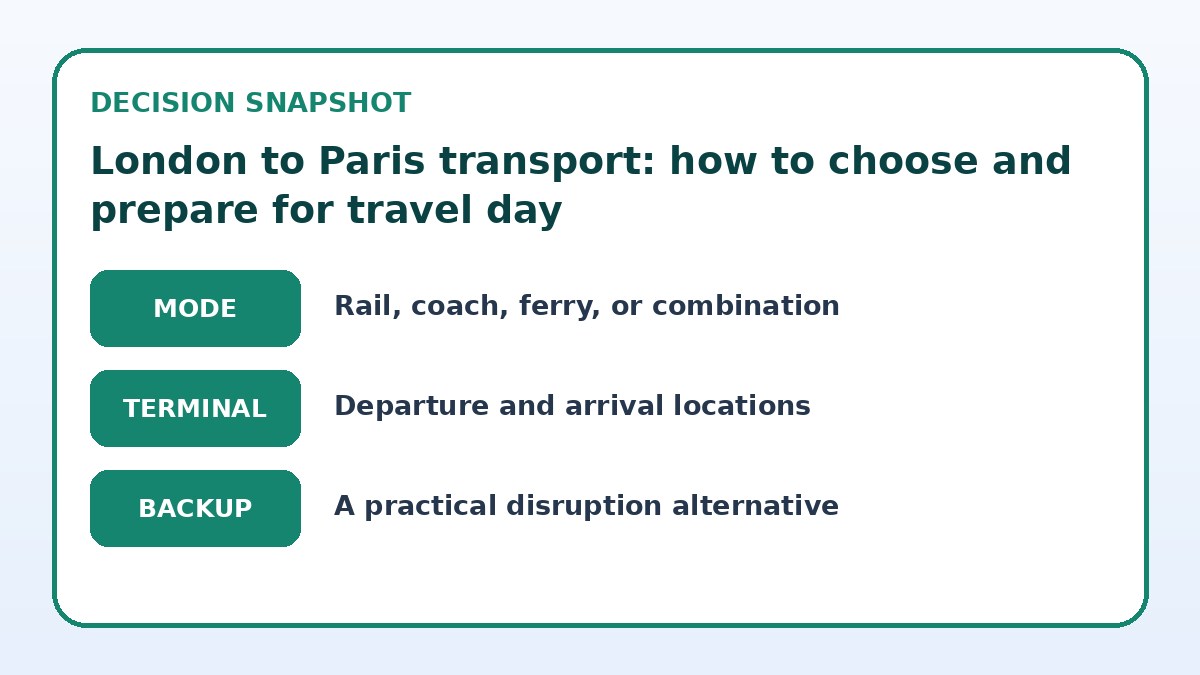
See current options before you compare the details
Availability and final conditions change. Open Trip.com now or keep reading for the practical comparison.
Choosing the right transport mix for business priorities
Business travelers commonly weigh three priorities: travel time, predictability, and flexibility. High-speed trains often win on predictability because they use central stations, limiting additional transfers and giving straightforward walking or taxi connections at both London and Paris city centers. Flights can be faster in air time but introduce airport transfers, security, and more variables that add to total door-to-door time. Driving or private transfer can offer door-to-door control in certain circumstances but may be affected by road congestion and cross-border formalities. Think about whether missing a meeting would be catastrophic; if yes, lean toward the option with the fewest moving parts, even if it costs a bit more.
When comparing options, build a realistic door-to-door estimate instead of relying on advertised journey times. Add time for leaving your accommodation, commuting to the departure hub, security or passport checks, any required early check-in, and the transfer from arrival hub to your meeting location. If your schedule includes a tight onward connection in Paris, compare the minimum recommended connection times and whether those are comfortable given your tolerance for risk. This is also the moment to consider ticket flexibility: refundable or changeable tickets reduce stress but often come with trade-offs in cost and availability.
Document, security, and border choices to verify
Before you book, verify entry requirements and passport validity for UK–France travel for business. Although specific rules can change, typical checks include passport control at airports and certain international rail services. Confirm whether you’ll pass through passport controls before departure, on board, or on arrival, as this affects how early you must arrive at the station or airport. If you’re carrying sensitive documents or expensive equipment, ask how they will be screened and whether you need additional paperwork for corporate gear.
Also confirm identification and ticket presentation policies for your chosen service. Some trains may accept mobile or digital tickets while others recommend printing certain documents. For flights, check ID and additional verification such as business travel letters only where required. When provider-specific facts could change, verify on the carrier’s final booking page or official communications for up-to-date guidance on border controls, required documents, and any day-of guidelines you must follow.
| Approach | Best for | Tradeoff to check |
|---|---|---|
| High-speed train | Predictable city-center to city-center travel with easy last-mile transfers | Less flexible if you need to change at short notice and variable onboard work comfort |
| Flight | Short air time and availability of multiple daily services from major airports | Longer door-to-door time due to airport transfers, security, and variable delays |
| Private car or chauffeur | Door-to-door control and privacy for working en route | Susceptible to road congestion and cross-border checks; less predictable travel duration |
| Mixed (drive to airport or station) | Combining flexibility of personal vehicle with speed of train/flight | Adds parking or drop-off logistics and extra steps that increase chance of delay |
Ready to check the option that fits your plan?
Use your exact dates and traveler details so the provider page can show the current total and conditions.
Packing, timing, and day-of logistics
Pack to minimize friction on the travel day: keep a compact work bag with laptop, chargers, power bank, headphones, and a portable travel adapter. Include a lightweight blazer or wrinkle-resistant shirt for quick changes after travel, and put essential business items and medication in your carry-on so they’re not checked. If you travel with large equipment, consider a protective case and label items clearly. Also prepare a small ‘meeting kit’—copies of presentations, business cards, and a small set of toiletries—so you can freshen up before the meeting.
Time management on the day matters as much as the transport mode. Set alarms for when to leave your accommodation, and schedule check-ins on your calendar including buffer time for security or passport queues. Use live transit apps for real-time updates and have one pre-planned alternate route or earlier service in mind in case of cancellations. If you expect to work during transit, confirm Wi-Fi availability or ensure your mobile data and roaming are set up; download materials for offline access in case connectivity is poor.
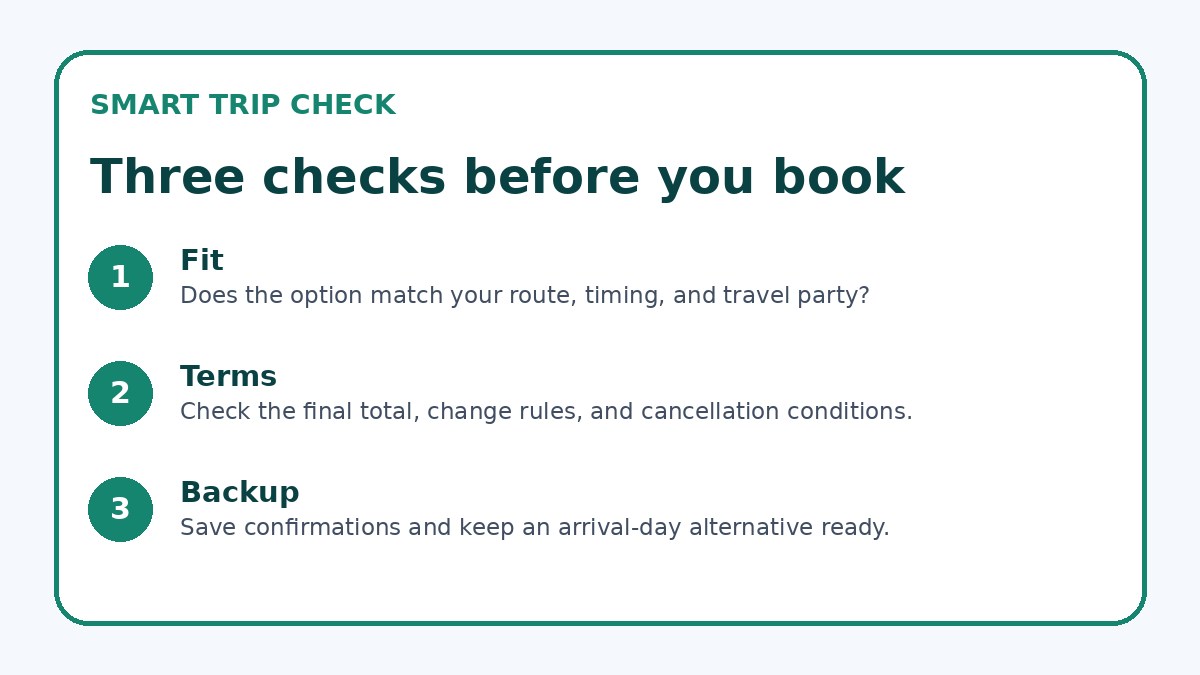
Before you book
- Confirm your departure and arrival hubs and write down expected door-to-door travel times including transfers.
- Verify passport validity, entry rules, and required travel documents on the carrier or government booking page.
- Choose a ticket with change or refund terms that match your meeting flexibility needs and note amendment procedures.
- Pack a carry-on with laptop, chargers, power bank, meeting materials, and a small freshening kit for immediate use.
- Set calendar alerts for when to leave, and pre-book a reliable transfer or taxi for the final leg in Paris.
- Save contact details for your company travel coordinator, carrier booking reference, and local meeting contacts in one place.
Contingency planning and communication strategies
Build a simple contingency plan tailored to how critical your meetings are. Identify one earlier service you could take the night before or the same morning, and a realistic backup (late-evening accommodation near your Paris meeting, a backup train or flight route, or a reliable private transfer). Keep contact information for your company’s travel coordinator, local transport providers, and the venue where you’ll meet. If you foresee a high chance of delay, consider informing meeting attendees proactively and propose a backup time or remote option to preserve goodwill.
On travel day, communicate proactively: share your chosen service details and expected arrival time with colleagues, set automated email replies if you’ll be offline, and provide a phone number where you can be reached. If traveling with a team, agree on a single messaging thread to report delays so decisions are centralized. Finally, know how changes affect your bookings—check refund and change policies on the booking confirmation page and consider flexible options when your schedule is tight. Trip.com can be used as one place to compare current availability and conditions but always verify final terms with the service provider before finalizing.
Frequently asked questions
How early should I arrive at the station or airport for London to Paris travel?
Arrival timing depends on your chosen transport and comfort level. For train services that run direct between central stations, many business travelers arrive 20–45 minutes before departure to allow time for ticket checks and boarding; if you prefer extra buffer or must clear passport controls before boarding, arrive earlier. For flights, allow more time for check-in, security, and passport control—this often means arriving at the airport significantly earlier than a city rail departure. Always check the carrier’s recommended arrival time on their booking page and adjust for rush-hour traffic or planned security alerts.
Can I work effectively while travelling between London and Paris?
Working en route is possible but depends on the transport mode and your tasks. Trains typically offer more stable working conditions—plain tables, power outlets, and a calmer cabin—so they suit document editing and video calls (subject to onboard Wi-Fi availability). Flights restrict movement during takeoff and landing and offer limited table space; connectivity varies. Private car travel allows privacy but can be bumpy and makes focused work difficult. Always download materials for offline use and carry noise-cancelling headphones and a power bank to keep productivity intact when connections are intermittent.
What’s the smartest contingency if my transport is delayed?
Pick one clear contingency before you travel: book a slightly earlier service, identify a practical alternate route, or reserve a flexible ticket that permits same-day changes. Communicate early with meeting hosts and colleagues if you anticipate delay and propose a backup plan such as a short remote start or reschedule window. For high-stakes meetings, consider having an overnight contingency so you can travel the previous day. Always check the provider’s change and refund policies on the booking confirmation page to know your options if delays occur.
Final planning note
Successful London to Paris business travel starts with a few decisive checks: select the transport mode that aligns with how critical your timing is, verify document and entry procedures, pack for immediate meetings, and commit to a single, simple contingency plan. Focus on door-to-door timing and realistic buffers rather than advertised journey times, and confirm provider-specific arrival windows and ticket-change rules on the carrier’s final booking page. With clear communication to your team and one ready backup, you reduce the chance of last-minute surprises and keep your priorities—arriving on time and prepared—squarely in control.
Continue planning
Check current options and final conditions
Use the provider page to confirm live availability, the final total, cancellation terms, and every condition that matters to your trip.
This evergreen planning guide was created with AI-assisted drafting and a structured quality review. It does not display live prices, schedules, availability, visa guidance, or provider rankings. Verify current details before booking. Some links are affiliate links; we may earn a commission at no additional cost to you.