If you're traveling from Singapore to Bangkok and want a comfortable connection on a long-haul itinerary, start by deciding whether to fly direct or connect through another hub. For many first-time visitors the priority is minimizing transfer stress: choose flights with single-bag tagging, generous minimum connection times, and airlines or alliances that allow protected connections. Consider seat type, cabin class for extra legroom, and whether an overnight connection or a same-day layover suits your tolerance for flying and local time adjustments. Ground logistics matter too: check which terminals you’ll use and whether a transfer requires clearing immigration. Read provider pages for up-to-date baggage, seat selection, and connection protection policies before purchasing. Trip.com can be a convenient place to compare availability, but verify exact policies on the airline’s booking page so you know how your connection is handled and what protections you’re buying.
See current options before you compare the details
Availability and final conditions change. Open Trip.com now or keep reading for the practical comparison.
Choose direct versus connecting itineraries
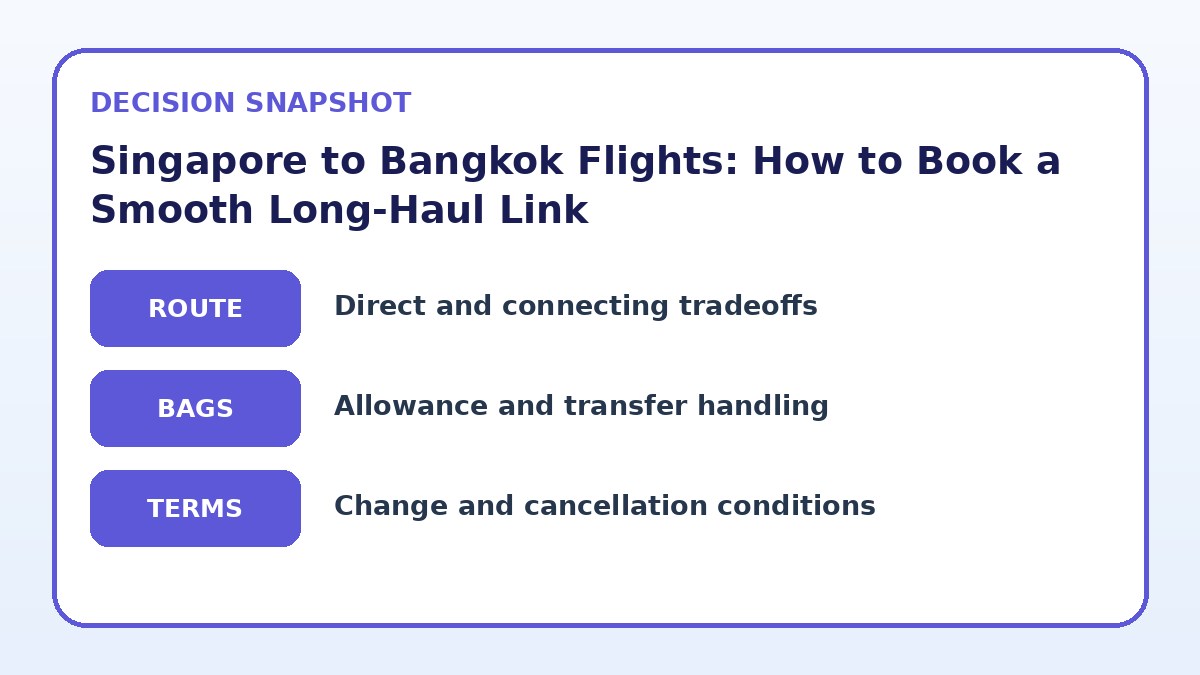
First-time visitors often assume a direct flight is always best, but the decision depends on priorities. Direct flights reduce transfer complexity and the risk of missing a connection, which is particularly valuable if you have limited experience with international transfers. However, direct options may depart at inconvenient times, use older aircraft, or have limited seat availability in preferred cabins. Connecting itineraries let you choose a more convenient departure, split the travel into manageable segments, or pick a hub with better lounge and transit facilities. Balance the convenience of fewer flight changes against the benefits of a planned layover that aligns with your rest needs and sightseeing plans.
When comparing options, treat connections as part of a single journey rather than two separate tickets whenever possible. Same-ticket connections are generally protected by the operating airline or alliance, which can rebook you if the inbound flight is delayed — but verify that protection when booking. If you must book separate tickets, allow generous buffer time for delays, and budget extra time to recheck baggage and pass immigration. Also consider the mental and physical impact: longer single-day travel can be draining; a well-timed overnight layover may improve comfort and reduce jet lag for first-time flyers.
Timing, layovers, and how to reduce transfer stress
Plan connection timing to reduce the chance of running between gates. Minimum connection times published by airports are a baseline, not a comfort guideline; add extra time if you need to change terminals, collect and recheck luggage, or clear immigration. For early-morning or late-night arrivals, confirm whether airport services like transfer desks, lounges, or transit buses operate at those hours. If you prefer to recuperate between flights, look for an overnight layover that allows a short hotel stay near the airport, or select a daytime layover long enough to visit a nearby attraction without risking the next flight.
Practical steps lower stress: pre-book seat assignments, purchase priority transfer or fast-track services if you need them, and place essentials in a carry-on for quick access. Keep digital and printed copies of your itinerary, passports, and any required travel documents. If your connection involves different airlines, check whether baggage will be tagged through to Bangkok; if not, plan for the extra time to collect and recheck bags. Also check lounge access options to rest comfortably during a longer connection — lounges can make an otherwise busy transfer feel much smoother.
| Approach | Best for | Tradeoff to check |
|---|---|---|
| Direct non-stop flight | Travelers who value simplicity and minimum transfers | Fewer schedule options and possibly less flexible timing |
| Single same-ticket connection | Those who want more scheduling choices with transfer protection | More ground time and potential terminal changes |
| Separate tickets with a planned long layover | Travelers who prefer a rest stop or local excursion between flights | Higher risk of missed connections and need to clear immigration |
| Overnight layover with hotel near airport | Passengers prioritizing sleep and recovery before onward travel | Extra cost and time off-route, but lower fatigue during final leg |
Ready to check the option that fits your plan?
Use your exact dates and traveler details so the provider page can show the current total and conditions.
Seat selection, cabin class, and in-flight comfort
For long-haul segments or flights over several hours, seat choice greatly affects comfort. Exit rows and bulkhead seats offer extra legroom but may have restrictions for stowing carry-ons or limited recline. If you want guaranteed space to stretch, consider booking an economy seat with additional legroom, premium economy, or business class for greater recline and amenities. Noise-cancelling headphones, an inflatable lumbar pillow, and a compact travel blanket can make economy travel much more comfortable. Also factor in the seat map layout — a single-seat window in a 2-4-2 or 2-3-2 configuration can be more private than a middle of a 3-3-3.
When you select seats, verify them on the operating carrier's official page because seat maps on third-party sites may not reflect last-minute equipment changes. For overnight travel, choose a seat away from high-traffic areas like galleys and lavatories. If you have a long layover, think about whether to splurge on a short upgrade to a seat with more recline so you can sleep on the long-haul leg and use the layover to move around. Finally, confirm in-flight meal options for dietary needs and bring snacks if your connection leaves limited food-service windows.
Before you book
- Confirm whether baggage will be checked through to Bangkok when booking on multiple carriers.
- Verify minimum connection times and terminal transfer requirements for each airport on your itinerary.
- Check the operating aircraft and update seat selections on the carrier’s official site after ticketing.
- Pack essentials and valuables in carry-on luggage for easy access during transfers.
- Plan for immigration and visa rules if your connection requires leaving the transit area.
- Buy travel insurance that covers missed connections if booking separate tickets or tight layovers.
What to verify before you hit book
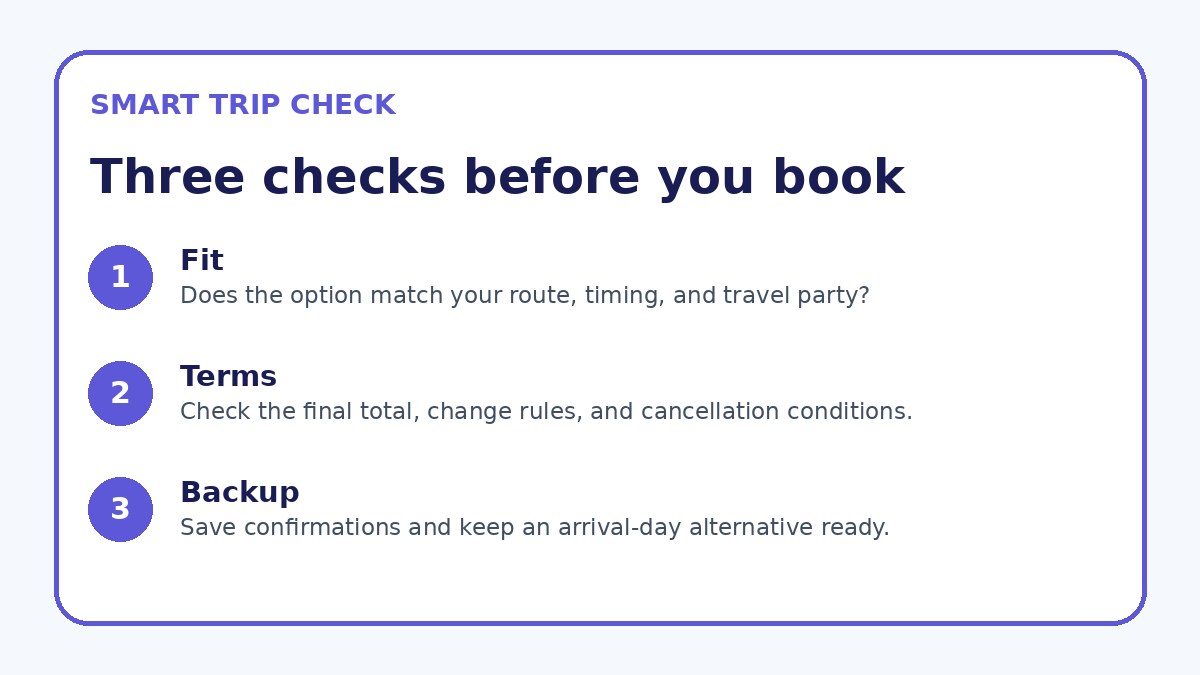
Before you finalize purchase, confirm the nuts and bolts that affect real-world comfort and risk. Check the airline’s baggage policy for through-checking on connections, any fees for seat selection, and the terms for changes or cancellations on the fare type you’re choosing. If your itinerary involves an overnight or long daytime layover, verify visa requirements for the transit country and whether you’ll need to pass immigration to collect luggage. Where provider-specific facts could change, like lounge access rules or transfer bus schedules, verify them on the operating carrier’s final booking page rather than relying solely on third-party listings.
Also confirm minimum connection time recommendations for each airport and whether the airlines involved publish guaranteed connections or protected transfers. If you plan to book separate tickets, consider buying travel insurance that covers missed connections and follow the carrier’s guidance for rebooking. Finally, check aircraft type for main sectors so you can select seats accordingly; if the carrier swaps equipment, double-check the airline’s seat map after ticketing to make last-minute adjustments if needed.
Frequently asked questions
Is a connecting flight worth it when flying from Singapore to Bangkok?
A connection can be worth it if it gives you better departure times, more comfortable aircraft, or an opportunity for a recovery stop. Evaluate the total elapsed travel time, terminal changes, and whether baggage is through-checked. For first-time visitors, the convenience of a direct flight may outweigh small time savings if it reduces transfer complexity. If you choose a connection, aim for a same-ticket option or a deliberately long layover to reduce stress, and always confirm transfer policies on the airline’s booking page before purchasing.
How much layover time should I allow for a comfortable transfer?
Comfortable layover time depends on whether you need to change terminals, collect and recheck bags, or clear immigration. Use published minimums as a starting point but add extra buffer: at least 90–120 minutes for same-airport terminal changes and longer if you must exit and re-enter immigration. If you prefer relaxed transfers, schedule 3–6 hours so you can use lounges or explore a nearby area briefly. For separate tickets, allow several hours or an overnight to absorb any delay risk and re-ticketing needs.
What should first-time travelers check about seats and cabins for long legs?
First-timers should compare seat pitch and layout, not just seat class names. Look for extra-legroom options, bulkhead or exit-row seats, and cabin configurations that offer fewer middle seats. Consider upgrading to premium economy or business if you need lengthier sleep or have mobility concerns. Confirm seat maps on the operating carrier’s site after booking because equipment swaps can change availability. Bring small comfort items and noise control aids, and choose seats away from lavatories and galleys for a quieter experience.
Final planning note
Planning a comfortable Singapore to Bangkok connection for your first trip is about managing time, selecting suitable seats, and verifying transfer protections before you buy. Decide whether you need the simplicity of a direct flight or the scheduling flexibility and rest opportunities that a connection can offer. Always confirm baggage-through-checking, terminal transfer rules, and seat assignments on the operating carrier’s final booking page, and allow extra buffer time beyond published minimums for novice travelers. With a little advance planning—choosing the right itinerary type, preparing essentials in your carry-on, and securing a buffer for transfers—you can reduce transfer stress and arrive in Bangkok relaxed and ready to explore.
Continue planning
Check current options and final conditions
Use the provider page to confirm live availability, the final total, cancellation terms, and every condition that matters to your trip.
This evergreen planning guide was created with AI-assisted drafting and a structured quality review. It does not display live prices, schedules, availability, visa guidance, or provider rankings. Verify current details before booking. Some links are affiliate links; we may earn a commission at no additional cost to you.