If you need to book a business trip to Hanoi, price alerts can save time and catch legitimate opportunities — but they also tempt impulse purchases that disrupt budgets and schedules. The practical approach is to set targeted alerts, attach clear decision rules (deadline, refundability, preferred carriers or hotels), and use a short checklist before you press buy: confirm meeting dates, check change/cancel policies on the provider’s final booking page, and compare with your loyalty and expense policies. This keeps alerts working for you rather than against you. Below you’ll find step-by-step rules for alert setup, a decision flow you can use at 24, 72, and 120 hours before departure, and tradeoffs to evaluate when an alert looks attractive. The goal is a repeatable, low-stress process that preserves professional flexibility while taking advantage of genuine value.
See current options before you compare the details
Availability and final conditions change. Open Trip.com now or keep reading for the practical comparison.
Create focused alerts that match business needs
Generic alerts with broad dates and multiple airports produce noisy signals that encourage impulse booking. For a Hanoi trip, narrow your alerts to the dates that cover work commitments rather than a wide window. Filter flights by departure time windows that fit your meeting schedule, choose refundable or semi-flexible fare buckets where possible, and limit hotels to neighborhoods near your meetings or your company’s preferred properties. Use a short label for each alert (for example: “Hanoi – Client X – refundable”) so you immediately recognize the context when a notification arrives.
Also consider setting two parallel alerts: one conservative (refundable fares or flexible rates) and one opportunistic (nonrefundable or lower-category hotels) with a lower price threshold. That way you see genuine bargains but only one requires immediate decision under your primary business rules. If you use a third-party service for alerts, ensure it shows the provider before you click through so you can confirm corporate policy compliance and compare loyalty benefits on the provider’s booking page.
Decision rules to stop impulse buys
Turn an alert into action by applying a simple decision rule with three components: a price threshold, a policy threshold (refund/change rules), and a time cutoff for internal confirmation. For example: buy if the roundtrip fare is at or under your X benchmark, allows at least partial refund or free change within 24–72 hours, and you can confirm with your manager or travel approver within the time you set. Writing these criteria down and saving them in your phone or travel notes reduces snap decisions driven by fear of missing out when the alert pings.
When alerts present a tempting but nonconforming option, document it and set a short review alarm (4–24 hours) instead of buying immediately. Use that time to check the provider’s final booking page for baggage and change fees, confirm the meeting schedule, and review loyalty or corporate rates. If the alert’s advantage disappears after these checks, you’ve avoided an unnecessary nonrefundable purchase while still having captured the market signal.
| Approach | Best for | Tradeoff to check |
|---|---|---|
| Conservative alerts (refundable/flexible only) | Business travelers with rigid schedules or strict expense controls | Higher fares but lower disruption risk and easier approval |
| Opportunistic alerts (nonrefundable, lower fares) | Travelers with flexible plans or clear backups in place | Lower cost but greater chance of penalties if plans change |
| Dual-alert strategy (both conservative and opportunistic) | Frequent travelers who want visibility without committing instantly | More notifications to manage but clearer options when booking |
| No alerts — manual monitoring | Those who prefer complete control and fewer interruptions | Risk of missing short windows of lower fares or sudden hotel availability |
Ready to check the option that fits your plan?
Use your exact dates and traveler details so the provider page can show the current total and conditions.
Comparing direct and connecting options
Price alerts often flag both direct and connecting flights; business travelers must weigh time versus cost. Direct flights reduce risk of missed connections and are usually preferable for tight itineraries, while connecting itineraries can be cheaper but add stress and lengthen travel time. When an alert favors a connection, compare total travel time, minimum connection times, and the likelihood of delays that could affect meeting arrival. Also check if the ticket is on one itinerary or two separate tickets — the latter increases risk if a delay causes you to miss a connection.
If an alert shows a lower price on a connecting itinerary, include buffer rules in your decision threshold: require at least one extra hour for international-to-domestic transfers and ensure connections are on the same ticket when possible. Verify on the carrier’s booking page whether the carrier offers protection for missed connections and what the rebooking rules are. These specifics change frequently, so confirm them on the provider’s final page before you buy.
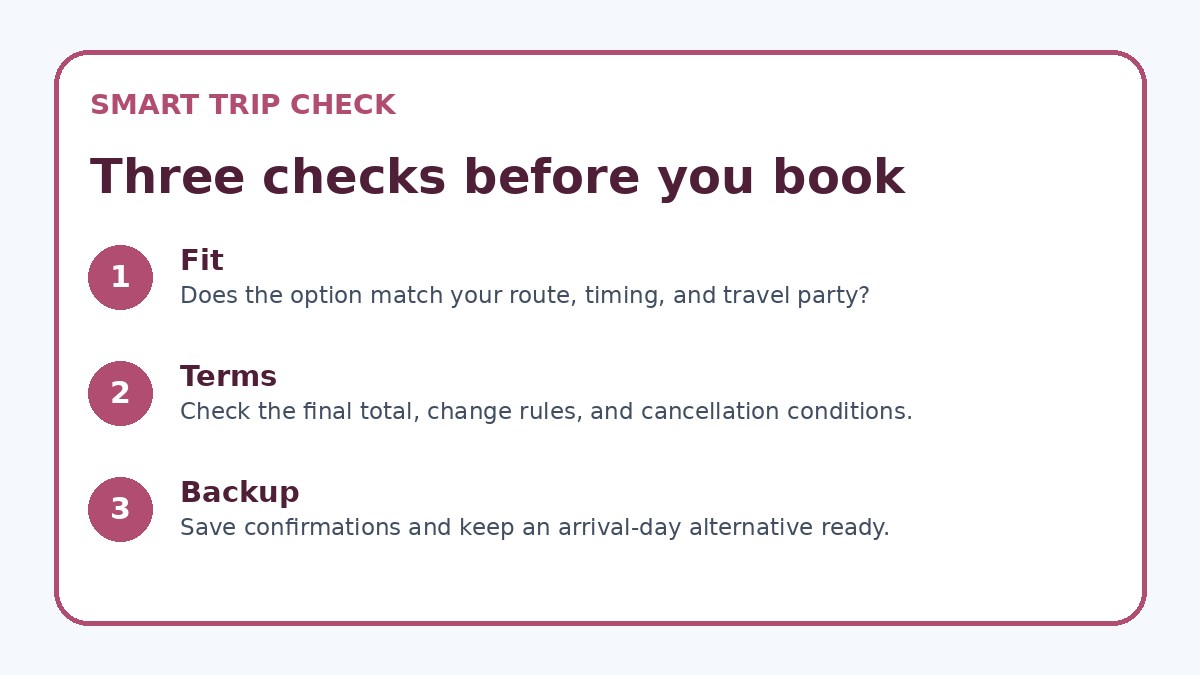
Before you book
- Confirm meeting dates, times, and locations in Hanoi before acting on any alert.
- Open the provider’s final booking page to verify fare rules, baggage allowances, and change/cancellation terms.
- Check whether the fare or rate accrues loyalty points or uses corporate-negotiated rates on the reservation page.
- Decide on a pre-set price threshold and policy threshold (e.g., refundable or free change within 48 hours) and apply it consistently.
- Document any nonconforming alert for review and set a short timer (4–24 hours) before purchasing.
- After booking, save the confirmation, forward to approvers, and pause or delete related alerts for those dates.
Managing corporate policy, loyalty, and post-booking steps
Align alert decisions with your employer’s travel policy and your personal loyalty programs. A cheaper third-party fare might save money upfront but limit accrual of elite benefits or corporate protections — check the booking page to see if the fare is eligible for your program and whether the supplier’s corporate rate applies. For hotels, compare member rates and corporate negotiated rates on the provider’s final booking page; sometimes the alert price won’t include corporate benefits or points accrual, which can change the true value for a business traveler.
After booking, immediately save the booking reference, forward confirmations to your travel approver or assistant, and add the itinerary to your calendar with buffer times for travel to meetings. If your employer requires pre-trip approval, capture a screenshot of the alert and the provider’s final page showing fare conditions before submission. Finally, pause or delete alerts for the booked dates so you don’t receive conflicting notifications and accidentally double-book.
Frequently asked questions
How should I set price thresholds for Hanoi travel deals when alerts keep changing?
Set thresholds based on your historical spend on similar trips, corporate expense limits, and the value of flexibility. Calculate a floor that includes likely extra costs (baggage, airport transfers) and a ceiling where paying more is acceptable for convenience. If you lack past data, use a percentage band below current average fares you’ve seen (for example, 10–20% below) and tighten that band for last-minute bookings. Adjust thresholds by trip type: client-facing meetings may justify higher thresholds for direct flights or flexible rates.
What should I verify on the provider’s final booking page before completing a purchase?
On the provider’s booking page, confirm the complete fare or room conditions: change and cancellation fees, baggage allowance, seat selection rules, whether the ticket is on one ticket or multiple, and whether the rate earns loyalty points or qualifies for corporate programs. Also inspect arrival and departure airport terminals and any required transit visas or entry notes relevant to transfers. Because these details can change, use the provider’s final page to confirm exactly what you’re buying before you enter payment.
Can I use price alerts alongside corporate travel tools without creating conflicts?
Yes, but coordinate alerts with your company’s booking policy to avoid duplicate bookings or noncompliant fares. Route alerts to your personal account but require pre-trip approval when a competitive alert appears. If a cheaper option contradicts the corporate tool’s rate, capture screenshots of the alert and the provider’s booking page and present them to your travel manager for a fast exception. Some companies allow booking outside the corporate tool with prior approval if it demonstrably saves money and meets policy conditions — verify this on your employer’s policy.
Final planning note
Price alerts are a practical ally for business travel to Hanoi when you pair them with disciplined decision rules. Focus alerts on your exact dates and needs, require a short verification checklist before buying, and always confirm conditions on the provider’s final booking page. Use a dual-alert approach if you want visibility on bargains without sacrificing flexibility, and integrate alerts into corporate approval workflows so savings don’t create policy conflicts. With clear thresholds and a short calm review period, alerts help you capture value while avoiding impulsive purchases that complicate your schedule or expense reporting.
Continue planning
Check current options and final conditions
Use the provider page to confirm live availability, the final total, cancellation terms, and every condition that matters to your trip.
This evergreen planning guide was created with AI-assisted drafting and a structured quality review. It does not display live prices, schedules, availability, visa guidance, or provider rankings. Verify current details before booking. Some links are affiliate links; we may earn a commission at no additional cost to you.