
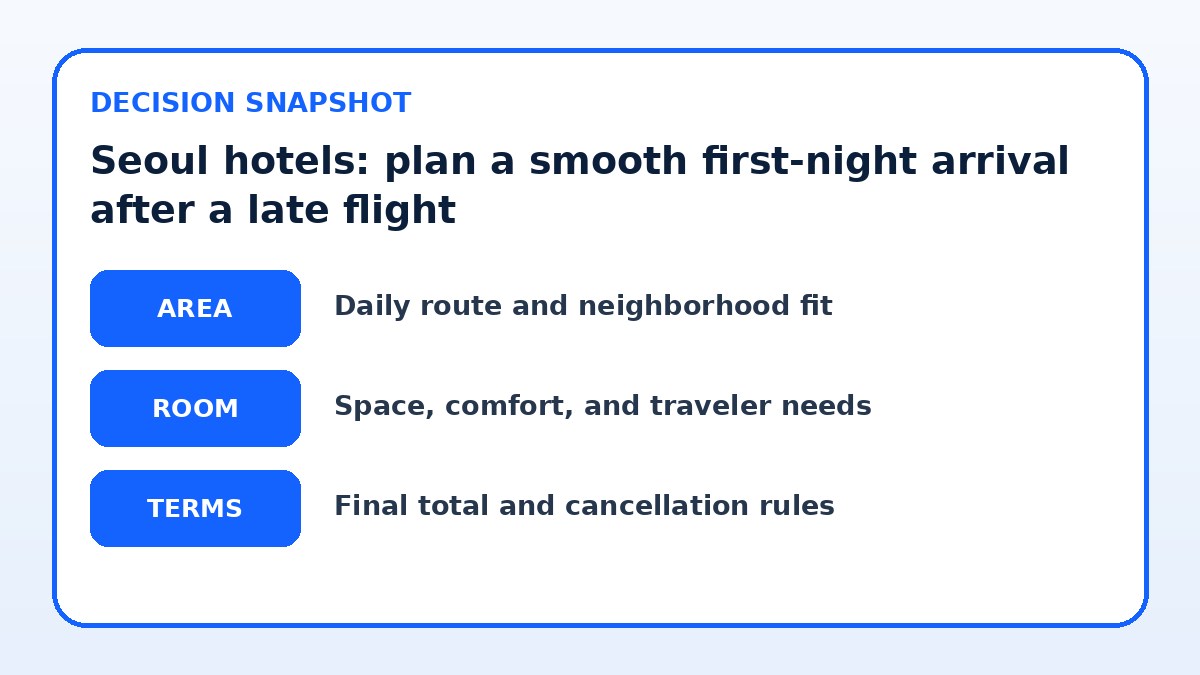
If your first night in Seoul starts after a late flight or delayed train, prioritize two things: a confirmed, flexible arrival plan and a hotel that accepts late check-in and makes getting there simple. For many first-time visitors that means choosing between staying near an airport or major station for a short, low-stress transfer, or booking centrally in places with 24-hour desks and reliable late-night transport. Which option fits depends on your energy level, luggage, early morning plans, and appetite for navigating metro transfers at night. This guide gives a quick practical decision path, then explains the tradeoffs — how to compare hotels' check-in policies, transit links, luggage storage, safety, and neighborhood conveniences — so you can book with confidence and start Day One in Seoul ready rather than exhausted.
See current options before you compare the details
Availability and final conditions change. Open Trip.com now or keep reading for the practical comparison.
Decide first: rest vs. city-first
Your choice between staying near the airport or downtown determines almost every other decision. An airport-area hotel reduces transfer time and the unknowns of nighttime transit, which is helpful after a long international flight or significant jet lag. If your arrival is very late and you have morning plans that include early tours, reserving a hotel near the airport or a nearby subway hub can be the simplest, lowest-stress option. You sacrifice immediate city atmosphere but gain convenience, more predictable transfers, and often a quieter room for rest.
On the other hand, if you’re energetic or plan to use morning hours to maximize sightseeing, staying in a central neighborhood such as Myeongdong, Hongdae, or Jongno means you can drop your bags and start exploring quickly in the morning. This option requires that the hotel accepts late arrivals without hassle and that you are comfortable with potentially more complex late-night transit or a slightly longer taxi ride from the airport. Weigh your fatigue level, luggage, and first-day itinerary when making this decision.
How to compare Seoul hotels for late arrivals
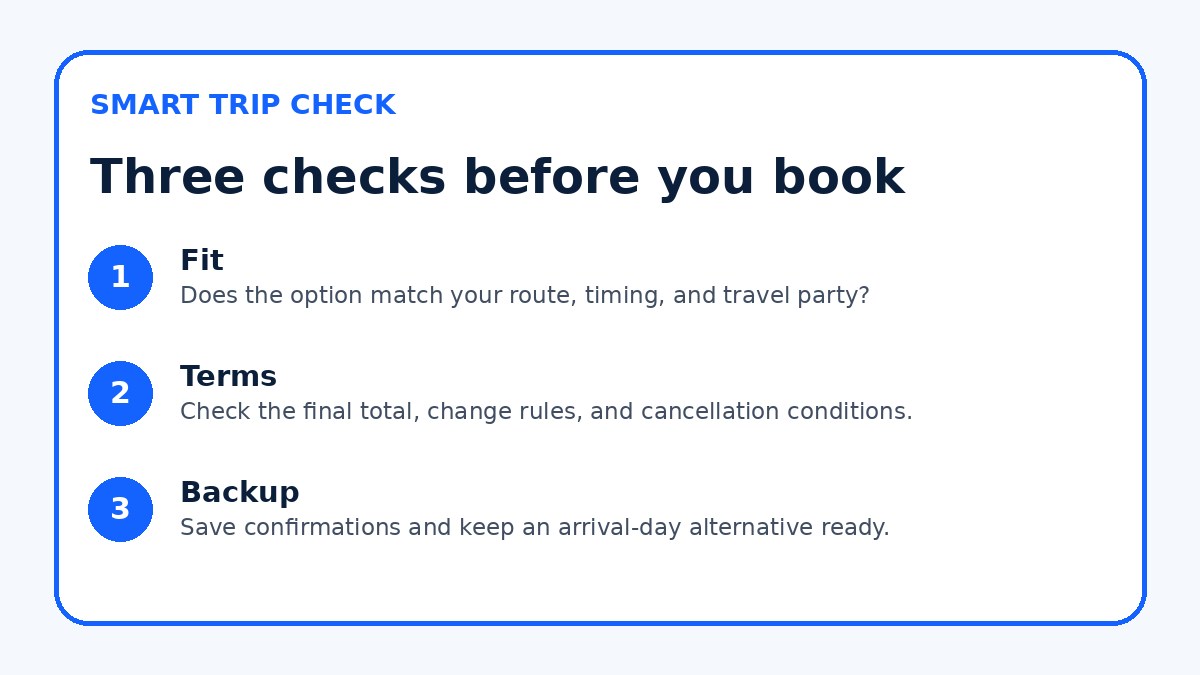
Don’t rely on passive booking notes — verify specific late-check-in details with the hotel before you pay. Look for explicit statements about 24-hour reception, after-hours entry codes, or staff availability. If the listing mentions “late check-in,” confirm whether that includes a formal check-in desk, key-drop procedures, or a door code. Always check the final booking page for the hotel’s cancellation and modification rules, and ask the hotel directly via email or messaging to confirm any special arrival instructions so you aren’t surprised by how to get your key or where to go at 1–3 a.m.
Also compare transport links: how easy is the transfer from Incheon or Gimpo by late-night airport bus, subway (if it runs), or taxi? A central hotel with no late-night subway access may still be fine if airport buses run, but buses and subway schedules change; verify current late-night and first-morning services on provider pages. Finally, check for luggage storage policies if you plan to arrive before official check-in time or want to explore immediately the next morning; some hotels offer complimentary holds, others charge or have limited space — confirm this directly.
| Approach | Best for | Tradeoff to check |
|---|---|---|
| Airport-area hotel (Incheon/Gimpo) | arrivals late at night, minimal transfer stress, early flights next day | less immediate access to central Seoul sights and nightlife |
| Central hotel near a major station | starting sightseeing quickly in the morning, access to restaurants and shops | may require longer or more complex late-night transfer from the airport |
| Hotel with guaranteed 24-hour reception | peace of mind for unpredictable arrival times and easy check-in | could cost more than smaller properties without overnight staff |
| Budget hotel or guesthouse with key-drop | low-cost stays when you can accept self check-in and limited staff help | less immediate assistance on arrival and fewer services at night |
Ready to check the option that fits your plan?
Use your exact dates and traveler details so the provider page can show the current total and conditions.
Neighborhoods and practical late-night transfer options
Airport hotels cluster near Incheon and Gimpo and offer predictable shuttle or short taxi rides. Inside the city, choose hotels near major transport hubs — Seoul Station, Express Bus Terminal, Myeongdong, and Hongdae — for simpler night transfers and early-morning connections. If you prefer a calm first night but still want reasonable access to the center, look for hotels with easy taxi access from the expressway; a short cab ride might be faster and simpler than a convoluted late-night subway transfer with heavy luggage.
When calculating transfers, remember taxis at night are widely available in Seoul, but you should check whether your hotel provides a reliable pickup service or detailed directions to a recognized taxi stand. If you arrive on public transport late, map the last subway and bus times for your route, then plan fallbacks such as station-area night buses, a reputable taxi app, or arranging hotel pickup. Save the hotel’s address in Korean characters so a taxi driver can find it quickly, and keep a local SIM or portable Wi‑Fi so you can communicate on arrival.
Before you book
- Confirm the hotel’s late check-in policy and staff availability by emailing or messaging before booking.
- Save the hotel address in Korean characters and a clear landmark or phone number for taxi drivers.
- Verify late-night public transport and airport bus schedules for your arrival time on official provider pages.
- Ask the hotel if they offer airport pickup, an after-hours entry code, or secure key collection procedures.
- Ensure the hotel can store luggage if you plan to arrive early or want to explore the city before check-in.
- Carry a printed reservation confirmation and a local SIM or portable Wi‑Fi to communicate on arrival.
Safety, comfort, and small conveniences that matter
A late arrival is not the time to experiment with unknown guesthouses or pushy walk-up options. Prioritize hotels with clear, responsive communication and visible on-site staff at night. Well-lit neighborhood streets, easy access to food or 24-hour convenience stores, and secure luggage storage can make a big difference when you’re tired. If you’re nervous about language, pick a hotel that indicates English support or contact them in advance to ask about late-night procedures and whether a staff member will meet you.
Think about immediate comfort items: late arrivals often mean you’ll need a quick meal, toiletries, or a small cash withdrawal. Confirm whether the hotel has a late-night snack option or is within walking distance of open convenience stores. If you require an airport transfer, ask for an estimate of the vehicle type and luggage capacity rather than relying on general terms. These small checks reduce friction and help your first hours in Seoul feel controlled rather than chaotic.
Frequently asked questions
Can I expect Seoul hotels to accept check-in after midnight?
Many hotels in Seoul have 24-hour reception and accept very late check-ins, but policies vary. Before you book, check the hotel’s official booking page and contact the property directly to confirm their after-hours procedures, whether a staff member will meet you, or if there is a key box or entry code. If a hotel lists ‘late check-in,’ ask exactly what time staff are present and what documentation or arrival details they need. This avoids surprises like unattended lobbies or complex check-in processes late at night.
What’s the safest and simplest transfer option from Incheon after a late flight?
A taxi or prearranged hotel pickup is often the simplest late-night transfer from Incheon, since some rail or bus services may not run at the hour you arrive. If you consider taxi, save the hotel’s Korean address and confirm the driver knows the exact location. For hotel pickups, verify the pickup point and any additional fee with the hotel on the booking page. If you prefer public transport, confirm last bus or airport railroad schedules for that night and have a fallback plan in case of delays.
Should I book a central Seoul hotel or an airport hotel for a short trip?
If your trip is short and your arrival is late, think about your priorities: airport hotels offer convenience and minimal transfer time, which can preserve energy for the rest of your trip. Central hotels give you more morning flexibility to explore without long commutes. Consider your morning plans, number of nights, and tolerance for late-night navigation. Check each hotel’s late-check-in details, transport links, and luggage storage options before booking to align the choice with your itinerary and energy level.
Final planning note
Handling a late arrival in Seoul is mostly about aligning your first-night choice with how tired you'll be and what you want to do first thing the next morning. Decide whether convenience or immediate access to the city matters more, then confirm the hotel’s late check-in procedure, transport links, and luggage options directly on the provider’s booking page or with the property. Keep clear Korean address details and at least one reliable fallback transfer. With a few simple checks and a plan for arrival, your first night in Seoul can be restful and straightforward, setting you up to enjoy the city from Day One.
Continue planning
Check current options and final conditions
Use the provider page to confirm live availability, the final total, cancellation terms, and every condition that matters to your trip.
This evergreen planning guide was created with AI-assisted drafting and a structured quality review. It does not display live prices, schedules, availability, visa guidance, or provider rankings. Verify current details before booking. Some links are affiliate links; we may earn a commission at no additional cost to you.