If you want to spend your time in Queenstown hiking, dining, or joining evening activities, prioritize a central hotel; if you need rest, workspace, or longer solo stays, prioritize room comfort and quieter locations. Both choices make sense for different trip styles—this guide helps you weigh the tradeoffs so you can book the right room for your priorities. I’ll outline the neighborhood factors, room features to insist on, and how to compare options when listings mix both strengths. Practical checks you should run on the booking page are highlighted, plus a quick decision grid for three common solo travel profiles: active day-tripper, digital nomad, and wellness-focused traveler. Use these steps to make a confident choice, not just chase photos or location pins.
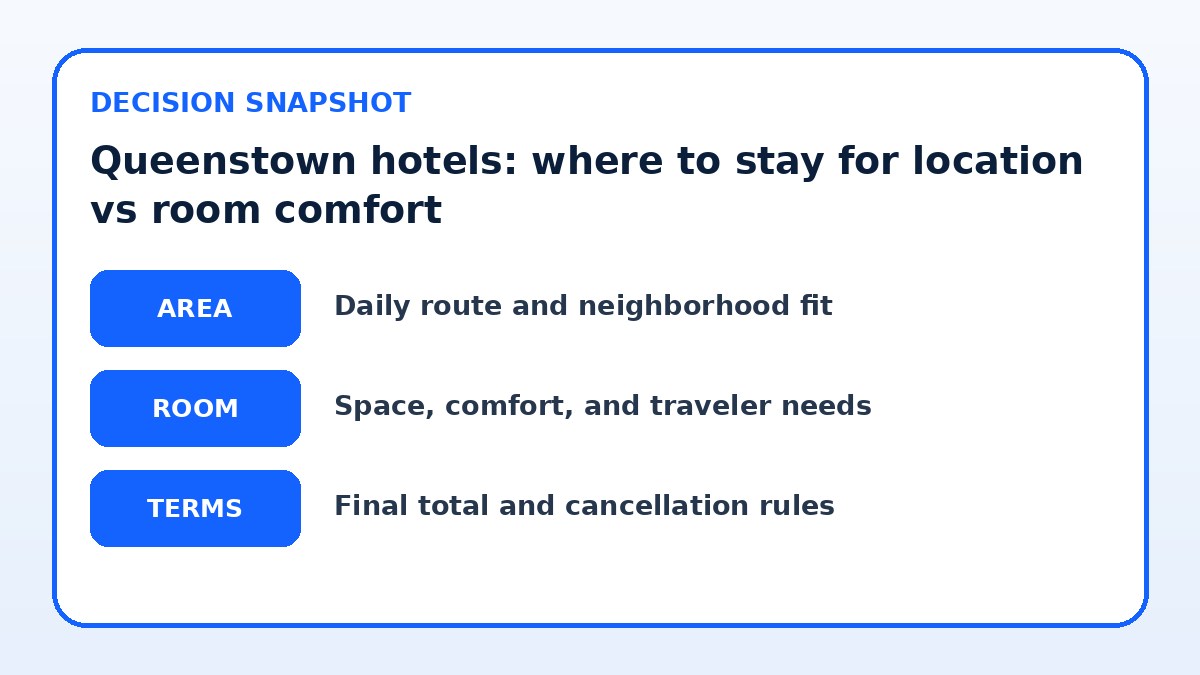
See current options before you compare the details
Availability and final conditions change. Open Trip.com now or keep reading for the practical comparison.
Deciding what matters: activity tempo vs restful space
Start by clarifying your daily tempo. If your days will be packed—shuttle pickups for Milford Sound, full-day hikes, or multiple adventure bookings—minimizing transit time matters. A hotel in or very near the main town centre means you can walk to tour meeting points, restaurants, and nightlife, reducing taxi costs and stress around schedule changes. For short stays where you want to do as much as possible, that central convenience often outweighs a slightly smaller room or more street noise.
If your travel style is slower—working remotely between afternoon walks, or booking spa and recovery time—room comfort plays a larger role. Look for a room with a proper workspace, good lighting, reliable heating, and a comfortable bed. Even solo travelers who expect active days sometimes relish a calm, well-appointed room to unwind. Decide whether a room that supports sleep and privacy will deliver more value than a shorter walk to the action.
Neighborhoods and practical tradeoffs in Queenstown
The town centre places you within easy reach of waterfront trails, restaurants, and the ferry terminal, but accommodations there vary from compact hotel rooms to larger serviced apartments. Expect steadier foot traffic and more nightlife noise nearer the main strip—useful if you like late dinners or organized evening events. If you depend on early breakfasts for day trips, a centrally located hotel minimizes the chance of missing shuttles and gives you flexibility for last-minute bookings.
Staying a short distance uphill or toward quieter residential pockets buys you more room for the same budget and reduces street noise, but it adds walking or short taxi rides back at night. For solo travelers, this tradeoff often means better rest and a more homely room for reading or remote work. When comparing listings, check maps for walking time, ask about public transport links or hotel shuttle options, and verify whether the room faces the street or the quieter side.
| Approach | Best for | Tradeoff to check |
|---|---|---|
| Stay in the town centre | Solo day-trippers who prioritize walkable access to tours and restaurants | Smaller rooms and more street or nightlife noise |
| Stay slightly uphill/residential | Travelers who want quieter nights and more room for remote work | Short walk or taxi needed to reach central activities |
| Choose a serviced apartment | Longer-stay solo travelers or those who like self-catering | Often farther from the main strip and may cost more per night |
| Book a boutique guestroom with soundproofing | Solo travelers valuing sleep quality and privacy over instant centrality | Fewer on-site services and possibly higher per-room rates |
Ready to check the option that fits your plan?
Use your exact dates and traveler details so the provider page can show the current total and conditions.
Room features to prioritize for solo travelers
Prioritize a comfortable bed, adequate heating, and a desk or table if you plan to work or plan trips. A double bed and blackout curtains make a huge difference for recovery after long days. Verify whether the room includes a kettle, minibar, or small fridge if you like making tea or keeping snacks. A proper closet and luggage stand help when you have multiple gear items like hiking boots and layering options.
Noise control matters: ask if rooms have double glazing and whether the property has been refurbished recently. Check whether housekeeping is daily or flexible—some solo travelers prefer less frequent entry for privacy. Bathroom layout is also key: an ensuite is standard, but check whether showers are roomy and whether toiletries are provided or require you to bring essentials. On the booking page, look specifically for room type photos, amenity lists, and any guest-supplied images that show the actual layout.
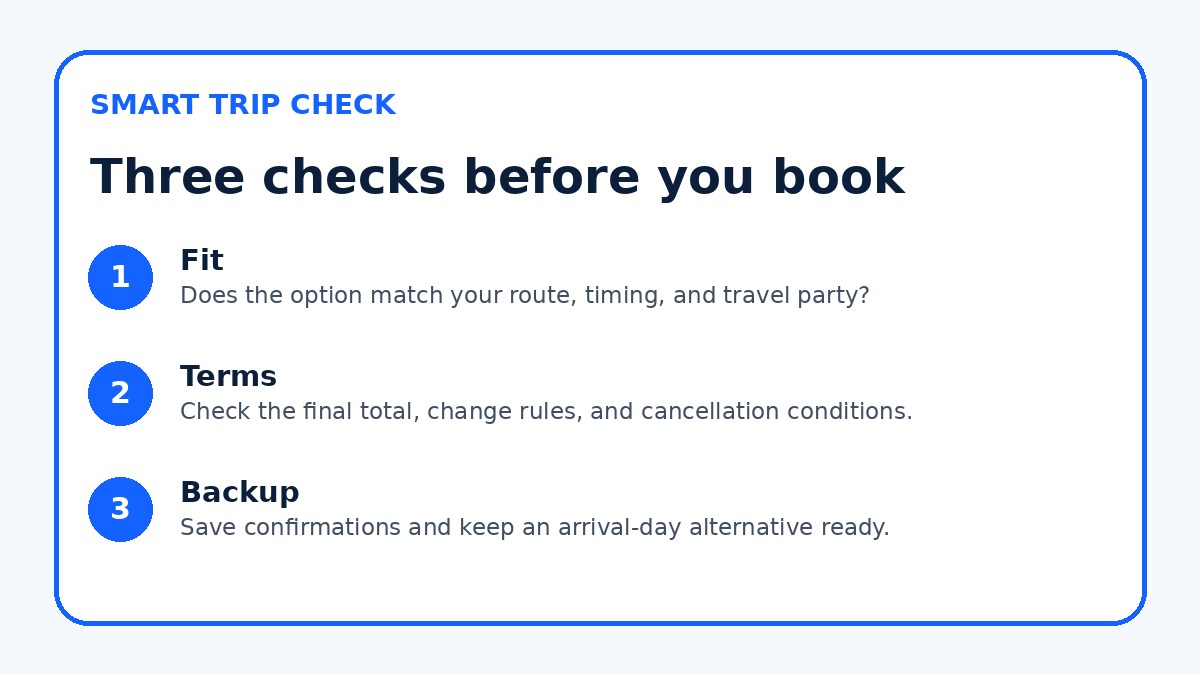
Before you book
- Map your must-visit spots and measure walking time from each hotel on the booking map view
- Confirm exact room type name, bed size, and whether the photographs match that specific unit
- Check for soundproofing details, window type, and floor level in the room description or reviews
- Verify wifi speed or ask the property if you need reliable remote-work connectivity
- Confirm cancellation and change terms for the exact room you select before paying
- Message the property to ask about late arrivals, luggage storage, and shuttle or taxi help
How to compare listings and verify what you book
When comparing Queenstown hotels, open the map view to confirm walking distances to places you’ll use most: the waterfront, shuttle pickup points, and evening dining spots. Read the room description carefully—booking pages sometimes show multiple room types under one property, so note the exact name of the unit you’re reserving. Verify bed type, floor (lower floors can be louder), and whether the picture matches that specific room type.
Before finalizing your booking, confirm three things on the provider page: the cancellation or change policy that applies to your room type, the exact amenities included (wifi speed if you’ll work), and whether any additional fees apply at check-in. If those details aren’t explicit, message the property or booking platform for clarification. Trip.com can be a convenient place to compare current availability and conditions, but always confirm final details on the hotel’s booking page before paying.
Frequently asked questions
Is it better to stay right in Queenstown town centre or a short walk away?
Staying in the town centre is convenient if you plan packed days, want to be near shuttle pick-ups, or prefer immediate access to restaurants and nightlife. A short walk away typically gives you larger, quieter rooms and a slightly more local feel, useful for solo travelers who value sleep and workspace. Weigh how many mornings you'll need early transfers versus how much time you'll spend in your room. Use the booking map to compare actual walking times rather than just distance.
What room features should solo travelers insist on for comfort?
Prioritize a comfortable bed, blackout curtains, and a proper desk or table if you’ll work. Reliable heating and good ventilation matter for rest, and an ensuite bathroom with a roomy shower improves recovery after outdoor days. Look for photos that show the room layout, and check whether amenities like a small fridge or kettle are included. If the listing is vague, message the property to confirm those specifics before booking.
How can I check noise levels and actual room size before booking?
Noise level clues come from room photos (window orientation), property location on the map, and recent guest comments about nightlife or street sounds. Look for terms like double glazing or soundproofing in the description and ask the property which side of the building your room faces. For size, compare square footage if listed or check for photos showing both bed and seating area; serviced-apartment listings often include floorplans you can request if they aren’t shown.
Final planning note
For solo travelers in Queenstown, the right hotel balances how you plan to spend your days with the quiet and functionality you need at night. Choose central locations for maximum convenience when your itinerary is activity-heavy, and opt for quieter or slightly removed properties when rest, space, or a workspace is paramount. Use the checklist to verify room details, noise control, and transport links on the booking page before paying. By matching your tempo to the hotel’s strengths—convenience versus comfortable private space—you’ll spend more time enjoying Queenstown and less time troubleshooting your stay.
Continue planning
Check current options and final conditions
Use the provider page to confirm live availability, the final total, cancellation terms, and every condition that matters to your trip.
This evergreen planning guide was created with AI-assisted drafting and a structured quality review. It does not display live prices, schedules, availability, visa guidance, or provider rankings. Verify current details before booking. Some links are affiliate links; we may earn a commission at no additional cost to you.