If you’ll be travelling from Sydney to Auckland with extra luggage, get the luggage questions out of the way before you book. Start by confirming baggage allowances and fees for the specific fare you plan to buy, then compare direct versus connecting itineraries for how baggage handling and transfer rules differ. Look up dimensions and weight limits (carry-on and checked) on the airline’s official booking page, and note whether your ticket includes free checked pieces or only pay-as-you-go options. Finally, factor in airport transfer options in both cities and whether oversized or sports equipment requires advance notice — these influence carrier choice and total cost more than the base airfare. The checklist below is designed so you can answer these points quickly and make an informed booking decision.
See current options before you compare the details
Availability and final conditions change. Open Trip.com now or keep reading for the practical comparison.
Why baggage rules matter more than ticket fare
A low headline fare can look attractive until you add extra-baggage charges, overweight penalties and special-handling fees. Airlines vary widely: some include a checked piece in standard international fares while others charge for every bag or only allow a small checked weight. Even with similar weight allowances, different carriers apply different fees for overweight or oversized luggage and have varying tolerances for measurement discrepancies. For travellers carrying extra luggage, these policy differences typically add more to total trip cost than a small difference in base fare. That’s why the first step is always to open the carrier’s baggage policy page for the exact fare type you’re considering and copy the key numbers into your checklist.
When you compare flights, check the fine print on baggage allowances for both the outbound and return sectors; they are sometimes different if different airlines operate each leg or if the ticket combines fare classes. Also check how connecting itineraries allocate baggage responsibility: on some codeshare or interline tickets the transfer airline enforces its own limits, or you may need to reclaim and re-check bags through immigration. For oversized, heavy, or irregular items — bicycles, musical instruments, ski gear — carriers usually require advance notification and special booking lines. Confirming these details before purchase prevents surprises and helps you choose the flight that handles your extra luggage most sensibly.
Comparing direct versus connecting options
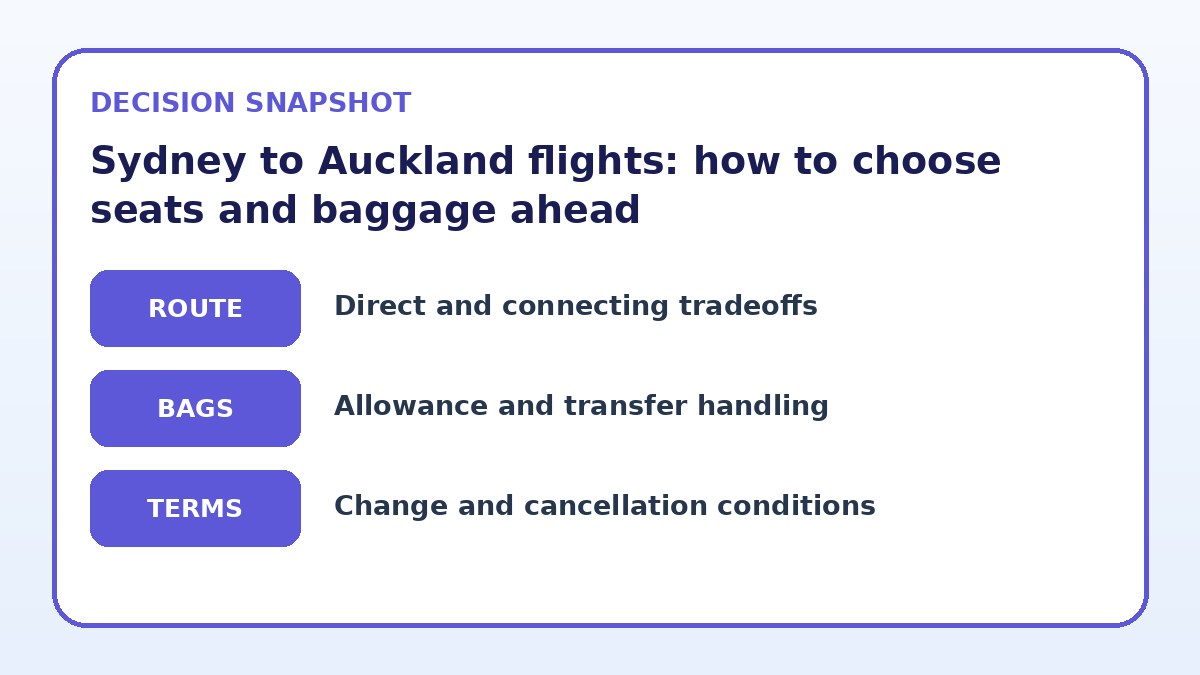
A direct flight is often the simplest option for extra luggage: fewer transfers mean less chance of mishandled bags, and you usually avoid the need to collect and re-check items. However, direct flights may be less frequent or offered at different fare structures that don’t include checked baggage. Connecting itineraries can sometimes offer cheaper base fares but may introduce complex baggage rules, especially if connections cross different alliances or use regional partners. If you prefer minimal handling, prioritise itineraries marketed as nonstop; if you accept a connection to save money, verify whether your baggage is checked through to Auckland or if you’ll need to reclaim and re-check.
When evaluating a connecting route, check minimum connection times and the ease of transfer at the connection airport. Short layovers increase the risk your checked luggage will miss the next flight; they also reduce options if airline staff request a bag to be remeasured or repacked. If you have bulky items that require gate-checking or special handling, a longer connection gives staff more time to process them properly. For every connecting option you consider, note who operates each segment and confirm baggage liability on the booking confirmation page before you finalize payment.
| Approach | Best for | Tradeoff to check |
|---|---|---|
| Prioritise nonstop flights | Minimising handling and missed-bag risk | May be more expensive or have fewer schedule choices |
| Choose a higher fare with baggage included | Predictable total cost when carrying multiple bags | Higher upfront fare compared with bare-bones tickets |
| Book a connecting itinerary to save on base fare | Lower headline price if you can manage transfers | More complex baggage rules and higher chance of extra fees |
| Buy add-on baggage only for specific legs | Tailoring cost if only one direction needs extra bags | Risk of paying more overall if both legs require extra allowances |
Ready to check the option that fits your plan?
Use your exact dates and traveler details so the provider page can show the current total and conditions.
Ticket types, add-ons and seat choices to ease baggage handling
Different fare buckets often bundle baggage allowances, seat selection and flexibility differently. A fare that includes one or two checked pieces might cost more up front but save money compared with buying two separate add-on bags later. Look at the price delta between the lowest fare and the next tier that includes baggage; do the math for your specific number of bags and expected weights. Also check the airline’s rules on how purchased baggage can be changed or refunded, and whether promotional or basic fares are eligible for online upgrades during check-in.
Seat selection matters when you travel with extra luggage that you want to keep close by — for example, carrying a fragile item as carry-on or a mobility aid. Seats with extra under-seat space or bulkhead seats may better accommodate delicate items as carry-on, though bulkheads sometimes have restrictions on stowing certain bags. If you are transporting heavy or oversized checked baggage, inform the airline in advance so ground-handling staff can prepare. Many airlines list “special baggage” booking steps on the same page as fares — always follow those steps and retain confirmation numbers for any special-item bookings.
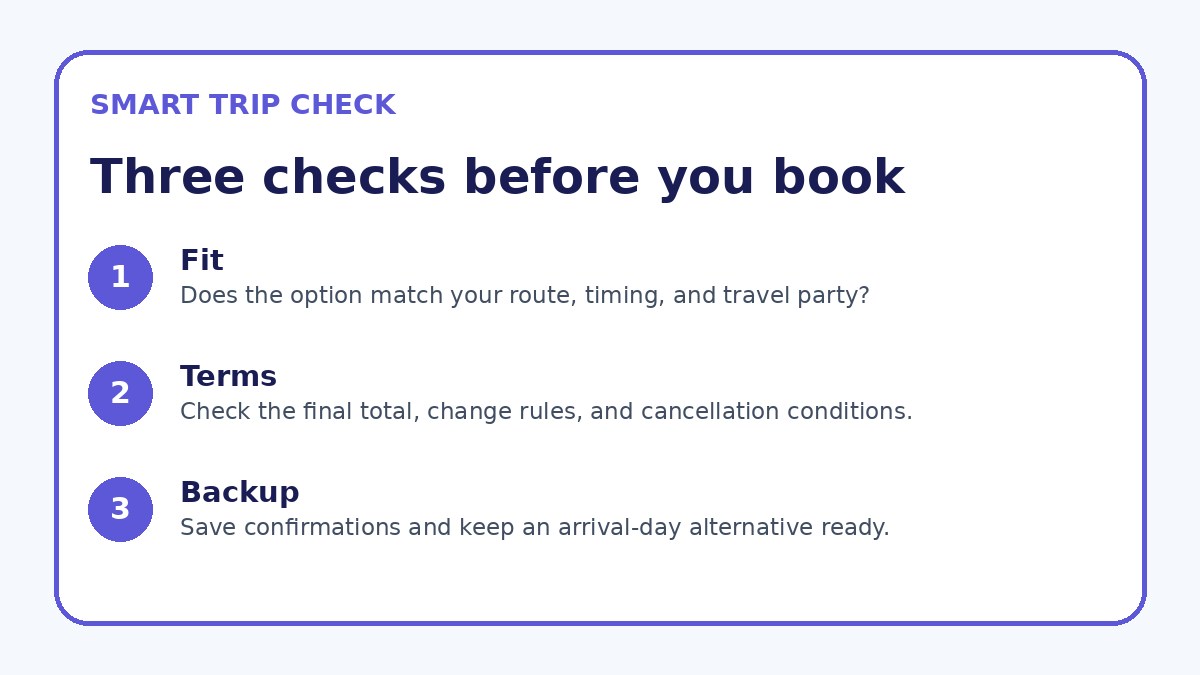
Before you book
- Open the airline’s official baggage policy page for the exact fare class and copy the allowed pieces, weights, and linear dimensions into your notes.
- Measure and weigh every suitcase and special item at home; photograph measurements and pack lists for reference at check-in and in case of a dispute.
- If transporting oversized or sporting equipment, use the carrier’s special-item booking flow and save the confirmation number or email for gate staff and ground handlers.
- Pre-purchase extra checked bags online where possible; confirm the refund/change rules shown on the airline’s final booking page before paying.
- Confirm terminal and drop-off procedures at Sydney and baggage release/inspection steps at Auckland; add 45–90 minutes to your airport arrival time for oversized items.
- At online check-in, select seats with the storage configuration you need and reconfirm any special-handling notes so they appear on the boarding pass and baggage tag.
Airport logistics: from Sydney departures to Auckland arrival
Sydney’s domestic and international terminals have different check-in desks and drop-off procedures; verify which terminal your airline uses and whether you must check in online before arriving. Some carriers require you to drop oversized or sporting equipment at a dedicated handling desk well before departure time, and airport terminals can have separate counters for excess-baggage payments. Factor in the time needed to get to the correct terminal, complete any oversized-baggage declarations, and pass security, especially at peak hours. Allow more time if you plan to purchase excess-baggage fees at the airport rather than pre-paying online.
On arrival in Auckland, be aware that customs and quarantine procedures can affect how quickly you can collect, declare and possibly forward baggage. If you’re arriving with food items, plants or other regulated goods in checked luggage, check New Zealand’s biosecurity requirements and whether special inspection will delay the baggage release process. If your itinerary requires re-checking baggage through a connecting flight in Auckland, confirm whether you need to clear customs first. These practical airport steps influence whether you should add cushion time between flights or prefer a direct routing to simplify baggage flow.
Frequently asked questions
Should I pre-pay for extra checked bags on Sydney to Auckland flights or wait until the airport?
Pre-paying for extra checked bags is usually the smarter option if you already know how many pieces you’ll carry. Many airlines display lower fees for online purchases than for same-day airport transactions, and pre-purchase avoids long check-in counters. However, policies vary by airline and fare class; always verify the exact extra-baggage price, whether it is refundable, and how to modify booked baggage on the airline’s final booking page. If you expect weight uncertainty, weigh at home and consider buying an extra allowance in advance to avoid overweight penalties at the counter.
How do connecting flights affect handling of heavy or oversized luggage between Sydney and Auckland?
Connecting flights can complicate baggage flow: some itineraries transfer baggage seamlessly to the final carrier, while others require you to reclaim and re-check items, especially if a carrier change or immigration step is involved. This affects the risk of delays or mishandling, and whether you need to budget time to re-declare oversized items. For any connection, confirm on the booking confirmation who is responsible for each segment and whether your baggage is checked through to Auckland. If in doubt, choose longer connection times or a direct flight to reduce handling risk.
What special considerations apply to sports equipment and musical instruments on this route?
Sports equipment and musical instruments are often treated as special baggage and may require advance notification, separate booking, or different fees from standard checked luggage. Airlines typically have published size and weight limits for specific items and may insist on hard cases or additional padding. Before booking, check the carrier’s special-item rules and whether you need to arrange a dedicated booking slot; save any confirmation or waiver. On the day of travel, arrive earlier than usual to allow staff to tag and process the item securely, and retain all receipts and tag numbers until you’ve retrieved the item at destination.
Final planning note
For travellers carrying extra luggage on Sydney to Auckland flights, the booking decision hinges on clear, confirmable baggage facts rather than just the base fare. Use the checklist to gather the fare-class baggage allowance, measure and weigh all items, decide if pre-purchasing extra allowance makes sense, and follow the carrier’s special-item booking steps for oversized gear. Compare direct and connecting itineraries with baggage handling in mind, and verify terminal procedures at both airports. Before you click purchase, copy any baggage confirmations and policy screenshots into your trip folder. That small effort up front will reduce stress, unexpected fees, and the chance of baggage delays during your journey.
Continue planning
Check current options and final conditions
Use the provider page to confirm live availability, the final total, cancellation terms, and every condition that matters to your trip.
This evergreen planning guide was created with AI-assisted drafting and a structured quality review. It does not display live prices, schedules, availability, visa guidance, or provider rankings. Verify current details before booking. Some links are affiliate links; we may earn a commission at no additional cost to you.