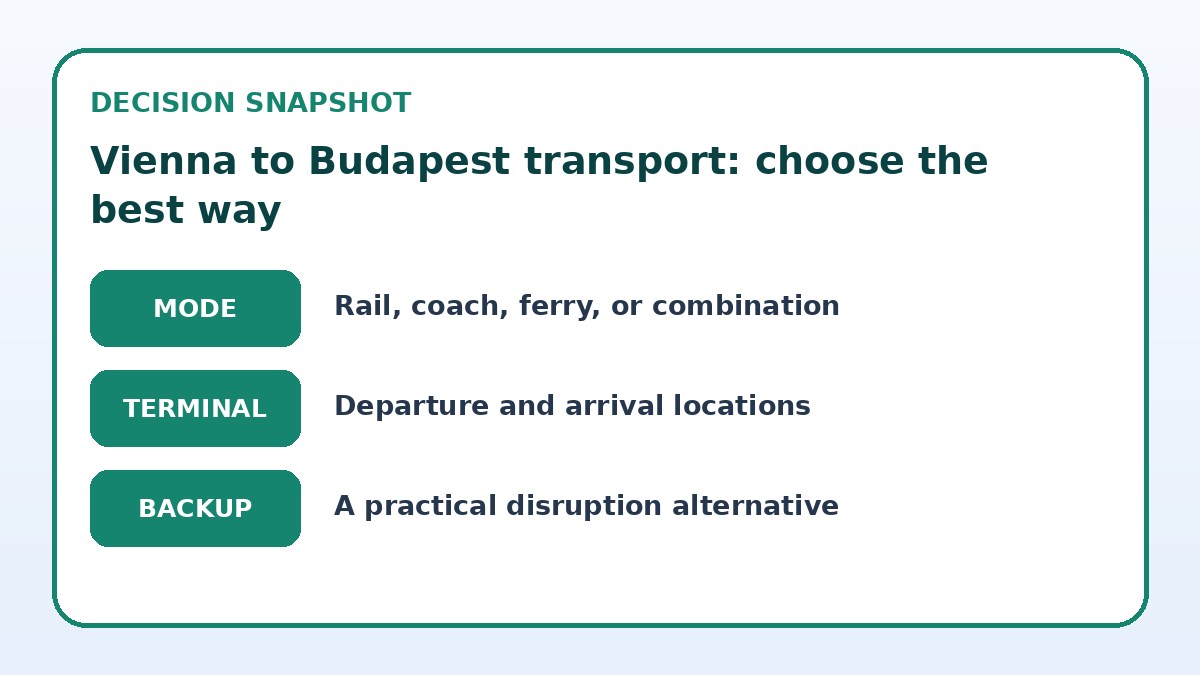
If you want the straightforward answer: take the direct train if you value speed, station-to-station convenience, and minimal fuss; choose a coach for the lowest-friction budget option; consider driving for flexibility with luggage and side trips; and treat the river ferry or combined boat+rail routes as scenic alternatives rather than primary transport. Which is right depends on your priorities: travel time, cost, luggage, accessibility, comfort, and how much city-center vs port-to-port transfers you accept. Below you’ll find clear tradeoffs and decision criteria to help first-time visitors decide, plus a short checklist for booking. For current schedules and to compare availability, you can check the operators’ official pages or comparison platforms such as Trip.com, but always verify final fares, ticket conditions, and exact departure/arrival stations before you pay.
See current options before you compare the details
Availability and final conditions change. Open Trip.com now or keep reading for the practical comparison.
Train: fastest city-to-city comfort for most visitors
Trains between Vienna and Budapest are typically the most straightforward option for first-time visitors who want a comfortable, predictable journey that lands in major stations. Trains usually offer legroom, the ability to move around, and straightforward luggage storage. For decision-making, compare door-to-door time (including getting to and from stations), ticket flexibility, and whether a direct or a connecting train best matches your schedule. When you book, check exactly which stations you’ll use in Vienna and Budapest—some services stop at the main central stations while others may call at smaller intercity stops.
On the practical side, verify the ticket conditions on the provider’s final booking page: refund rules, seat reservations, and whether there are different fare classes. If you value immediate arrival in the city center, a direct train that lists the main central stations is preferable. If schedules list connections, compare total travel time including transfer buffers and platform changes. Always bring a printed or digital ticket and allow extra time at busy stations; if you have mobility needs, confirm station accessibility details before you travel.
Coach: budget-friendly with tradeoffs in time and comfort
Coaches can save money and sometimes depart from convenient terminal locations, but they usually take longer than trains and are more susceptible to traffic delays. For first-time visitors on a tight budget who don’t mind reclining for a longer journey, coaches are a sensible choice. Evaluate seat pitch, onboard toilets, Wi‑Fi reliability, and luggage allowances when comparing providers. If your itinerary is time-sensitive—for example, an onward flight or a timed check-in—factor in generous buffer time to accommodate road delays.
When you compare coach options, check final booking pages for exact boarding and drop-off addresses; some terminals are farther from the city center than the main train stations. Also verify luggage rules and whether priority lanes or express routes are used. If comfort and predictable arrivals are important, a coach with fewer intermediate stops and clear on-board amenities may be worth a modest extra cost. For groups, a single coach ticket could be simpler than multiple train reservations, but still confirm cancellation policies.
| Approach | Best for | Tradeoff to check |
|---|---|---|
| Train | Travelers prioritizing speed, comfort, and central arrivals | Higher base fares than some coaches and need to check seat reservations |
| Coach | Budget-conscious travelers and flexible schedules | Longer travel time and vulnerability to road traffic and comfort variability |
| Driving / Rideshare | Those needing flexibility, luggage space, or detours | Parking, border rules, and city-center transfer complexity |
| Ferry / Mixed boat+rail | Sightseeing travelers who enjoy scenic, relaxed journeys | Slower, season-dependent services and extra transfers to reach city centers |
Ready to check the option that fits your plan?
Use your exact dates and traveler details so the provider page can show the current total and conditions.
Driving and rideshares: flexibility versus urban complexity
Renting a car or using a rideshare for Vienna to Budapest gives maximum route flexibility and the chance to visit smaller towns en route. Driving suits travelers who plan side trips or carry bulky gear. Key decision factors include border crossing procedures, required documents, insurance coverage, and potential tolls or vignette systems—confirm these on the rental company’s final booking page. Also consider where you’ll park in Budapest and costs for city-center parking, which can be expensive and limited.
If you opt to drive, plan your route and realistic driving time including stops; remember that congestion around city centers can add time. For airport-to-city transits, compare total door-to-door time with public transport alternatives, especially at peak hours. If using a rideshare for the entire route, compare the cost and the driver’s willingness for cross-border trips, and always verify that the provider permits international journeys on the booking page. For solo travelers, weigh the stress of driving abroad against the convenience of controlling your own schedule.
Before you book
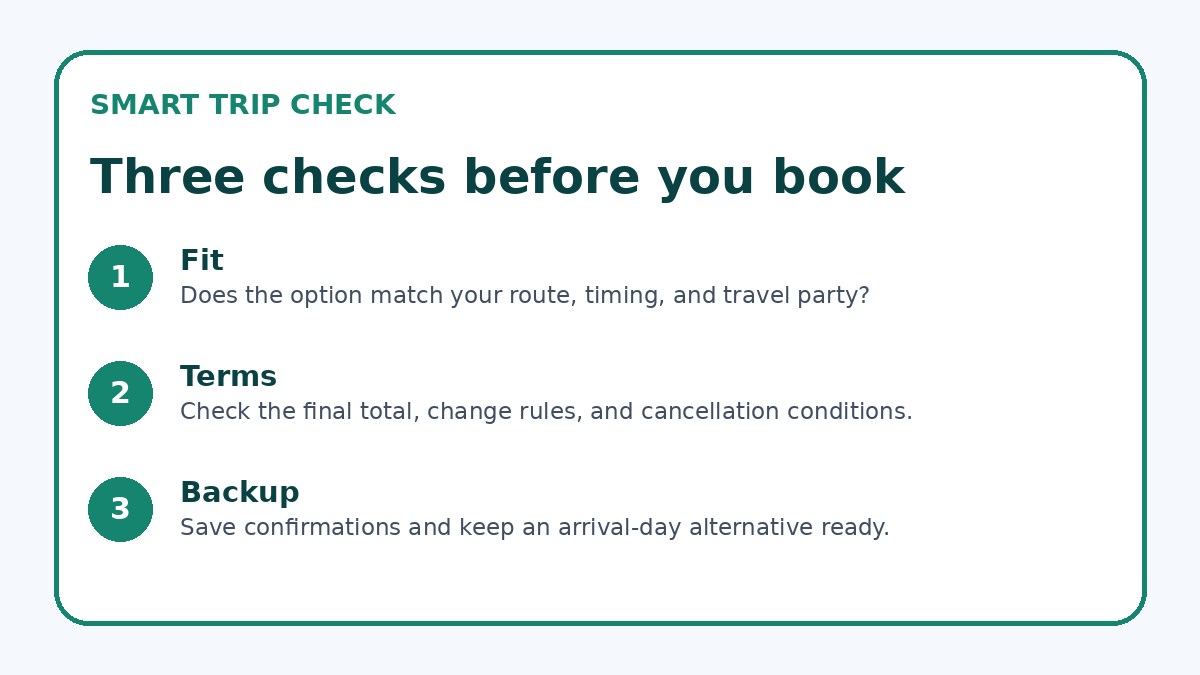
- Confirm departure and arrival station or terminal names and their exact addresses before booking any ticket.
- Compare door-to-door travel time (including transfers, city transit, and check-in buffers) rather than just in-vehicle duration.
- Verify luggage allowances, seat reservations, and refund or change policies on the provider’s final booking page.
- If driving, check vehicle cross-border permission, insurance coverage, and local parking options in Budapest.
- For coaches or boats, look up where the terminal connects to public transport and how long the onward trip to your hotel will take.
- Allow extra time for border controls, traffic, or seasonal schedule changes and build a buffer into onward plans.
Ferry and mixed boat+rail: scenic choices, slower logistics
River ferries and mixed itineraries that combine boat segments with rail offer a scenic, leisurely way to travel the Danube corridor, but they are rarely the fastest or most convenient choice for first-time visitors focused on simple transfers. These options appeal to travelers who prioritize the journey itself—views, photography and relaxed pacing—over speed. Check seasonal schedules, whether services run daily, and how transfers are handled at embarkation and disembarkation points. Verify final timetables and baggage rules on operator pages before booking.
Practical tradeoffs include transfer complexity (boat terminals are not always in the city center), longer overall travel times, and sometimes limited onboard facilities compared with trains or coaches. If you plan a multi-day trip combining sightseeing with transport, a boat segment can be a pleasant addition. For a single transit between Vienna and Budapest, however, expect added logistics: confirm where the boat docks, whether you need onward ground transport to the city center, and exact boarding times to avoid missed connections.
Frequently asked questions
Is the train between Vienna and Budapest direct and faster than the coach?
Many rail services operate direct or with minimal stops and are typically faster than coaches because they avoid most road traffic. However, some train itineraries include connections—so check whether a listed service is direct or requires a transfer. For any specific train option, verify the total travel time and whether you need to reserve seats on the operator’s booking page. Also compare door-to-door time, since station access and transfers at either end can affect which mode is quicker for your exact itinerary.
Can I bring a lot of luggage on coaches or ferries between Vienna and Budapest?
Coaches and ferries usually accept luggage, but allowances and fees vary by operator and ticket class. Some coaches have generous underfloor storage for larger items while ferries have different rules depending on whether you board a river cruise or a scheduled transport service. Always check baggage size limits and any extra charges on the operator’s final booking page. If you have unusually large or fragile items, driving or booking a private transfer may be simpler, assuming cross-border transportation is permitted by the provider.
When should I consider driving instead of taking public transport?
Drive if you plan multiple stops between Vienna and Budapest, need to transport bulky equipment, or value flexible departure times not tied to fixed timetables. Also consider driving if traveling with a group where splitting rental costs makes sense. However, include time and cost for parking in central Budapest and verify cross-border rental terms and insurance. For short stays focused on city-center exploration, public transport often eliminates parking headaches and can be more relaxing than managing a rental car in an unfamiliar city.
Final planning note
Choosing how to travel from Vienna to Budapest comes down to a few clear priorities: speed and central arrival (train), cost-conscious simplicity (coach), flexibility and side trips (car), or scenic, relaxed travel (ferry/mixed). First-time visitors should weight door-to-door time, luggage needs, and how much transfer complexity they’re willing to accept. Before booking, confirm station or terminal addresses, exact timetables, luggage policies, and ticket change/refund rules on the provider’s final booking page. Use comparison tools like Trip.com for an overview, but trust the operator’s page for definitive booking conditions and last-minute practicalities.
Continue planning
Check current options and final conditions
Use the provider page to confirm live availability, the final total, cancellation terms, and every condition that matters to your trip.
This evergreen planning guide was created with AI-assisted drafting and a structured quality review. It does not display live prices, schedules, availability, visa guidance, or provider rankings. Verify current details before booking. Some links are affiliate links; we may earn a commission at no additional cost to you.