If you’re planning Seoul to Singapore flights for your family, start by deciding whether you value shorter door-to-door time or lower out-of-pocket cost and more flexibility. A nonstop gets you from the Seoul area to Singapore with the fewest touchpoints — fewer transfers, simpler baggage handling and less coordination for young children. Connecting itineraries can open up cheaper carriers, daytime schedules that suit nap cycles, and extra route choices if nonstop seats or family-friendly fares are limited. Before you book, gather concrete details: total travel time including connections, number and length of layovers, baggage rules for each fare, seat-assignment options, and any change or cancellation policies. Verify those details on the airline’s or booking agent’s final page; if you use Trip.com to compare options, treat it like a search tool and confirm provider rules at checkout.
See current options before you compare the details
Availability and final conditions change. Open Trip.com now or keep reading for the practical comparison.
Time and travel rhythm: how nonstop and connections affect family days
Choose nonstop if minimizing total travel-related stress is the priority. Nonstop Seoul to Singapore flights remove the need to move between gates or terminals, which reduces the risk of missed connections and the hassle of carrying stroller or baby gear across unfamiliar airports. For school-age children and infants, nonstop routing keeps the travel day compact — fewer schedule surprises and less planning for layover care. Also consider departure and arrival times: a nonstop that departs at an awkward hour may still be worse overall than a well-spaced connecting itinerary that preserves family sleep routines.
Connecting flights let you shape the travel rhythm more deliberately. A daytime connection can break a long trip into two predictable segments, allowing younger children to nap in airport lounges or on the ground instead of the plane. But that benefit depends on layover length and airport facilities: a rushed hour-long connection can be more stressful than a nonstop, while a three- to four-hour daytime stop can restore calm. Factor in transfer distances, whether you must change terminals, and whether you need to re-check bags — these practicalities determine how restful a multi-leg journey will be for family members.
Cost, seats and baggage: where connecting options often differ
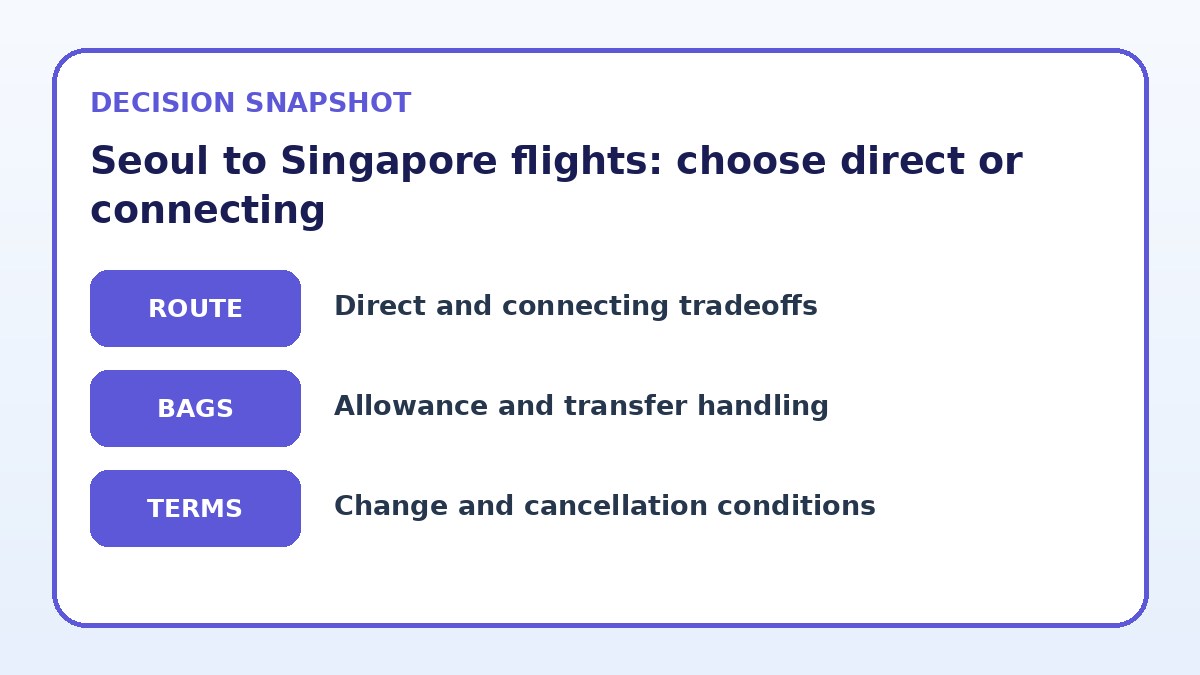
Connecting flights sometimes cost less, but price is only one part of the family equation. Low-cost carriers or mixed-carrier itineraries may come with restrictive baggage rules, charges for checked bags, and different seat-assignment policies per segment. If your family travels with car seats, strollers, or large checked items, add up all baggage fees for a connecting itinerary; multiple fares can quickly erase any ticket savings. Also check whether lap infants require separate bookings or fees on each leg, and whether assigned seats are guaranteed through to the final destination when code-sharing is involved.
Nonstop tickets often bundle baggage and seating in ways that simplify planning, though fare classes vary by carrier. Prioritize seat choice on longer flights to keep children comfortable — an aisle seat for quick aisle access, or a window to distract a child during cruise. When comparing itineraries, calculate the full cost of travel including baggage, preferred seats, and potential lounge access if you need a calmer preflight environment. Always confirm these details on the airline’s official booking page, since third-party search results may not reflect the final rules or charges.
| Approach | Best for | Tradeoff to check |
|---|---|---|
| Direct nonstop flights | Families prioritizing minimal transfers and predictable total travel time | Often less flexible on schedule and potentially higher base fares or fewer timing options |
| Connecting flights with short layovers | Families wanting the quickest possible total flight time but with specific carrier choices | Higher risk of missed connections and stress when moving between gates or terminals |
| Connecting flights with long daytime layovers | Families who prefer to split the day and rest between legs, useful for younger children | Longer door-to-door time and need to plan activities or rest space during layover |
| Multi-carrier or mixed-fare connections | Families seeking lower ticket cost or specific loyalty benefits across legs | Complex baggage rules, separate refund/change policies, and extra verification at booking |
Ready to check the option that fits your plan?
Use your exact dates and traveler details so the provider page can show the current total and conditions.
Airport experience and layover practicality for families
Seoul’s main international airports offer different transfer experiences, and Singapore’s Changi is known for family-friendly amenities — but don’t assume uniform facilities across all connection points. For connecting itineraries, research the specific transit airports: look for family restrooms, play areas, nursing rooms, and short transfer routes between gates or terminals. If a connection requires immigration and re-checking bags, the time and stress involved will be higher than an airside transfer. Note which airports provide stroller loans or family lanes at security to reduce queue time.
If you choose nonstop travel to minimize airport complexity, you still need to manage preflight routines: early arrival for check-in and security, entertainment and snacks for kids, and a plan for moving through immigration quickly. For longer layovers chosen deliberately, identify child-friendly lounges, quiet zones, or nearby short-stay transit hotels so your family can stretch and recharge. Confirm what’s available directly with the airport or airline website before relying on a facility mentioned in search summaries.
Before you book
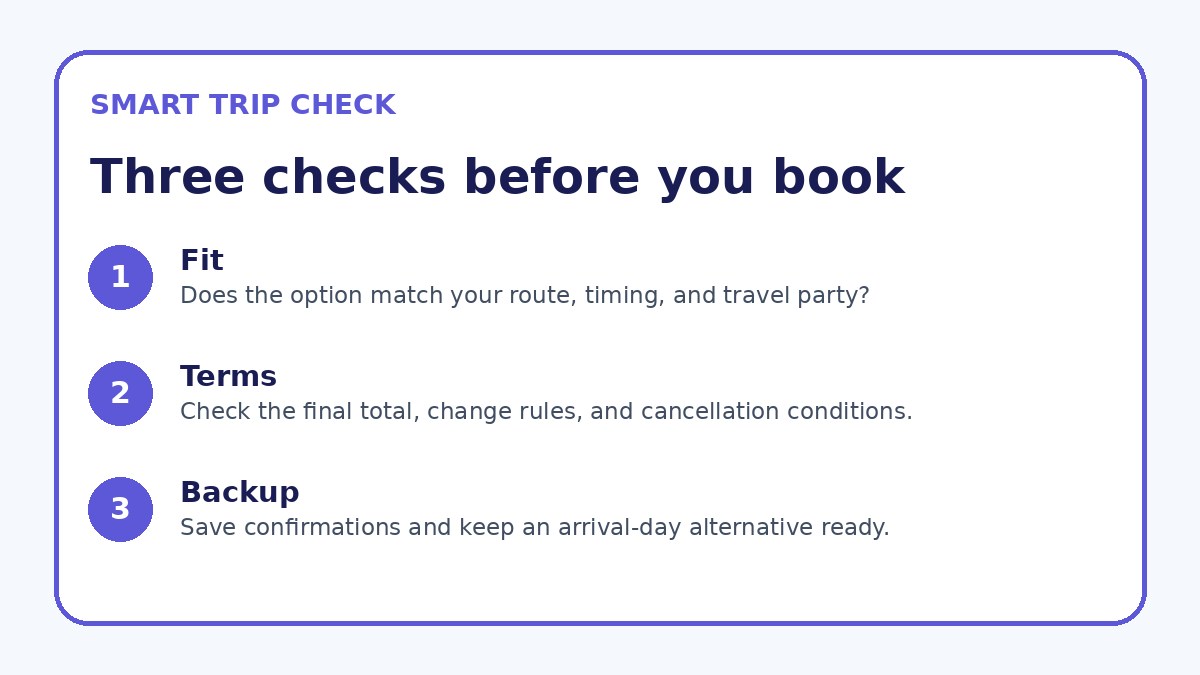
- Calculate total door-to-door time including transfers, airport transfer time, and likely layover durations before choosing an itinerary.
- Confirm baggage allowances, infant/child policies, and seat assignment rules on the airline’s official booking page for every carrier on the itinerary.
- Check transit visa and entry requirements for any countries on your route and whether airside transit avoids additional checks.
- Plan arrival and departure times around your child’s sleep schedule where possible; avoid late-night departures if your family needs predictable sleep routines.
- Pack a clear carry-on with snacks, medicines, chargers, spare clothes and small toys for immediate access during flight and connections.
- Save the airline’s customer-service numbers and the nearest consulate contact for Singapore in case you need assistance during travel.
Health, visas and contingency planning for families
Check health requirements that affect departure or arrival, such as documentation for minors traveling with one parent, and requirements for carrying prescription medications and medical supplies. For connecting itineraries, verify whether you’ll pass through any country that requires transit visas or documentary checks even for airside transfers. Keep digital and printed copies of passports, health records, and contact information for your home country’s consulate in Singapore, and save the airline’s emergency contact details so you can reach help quickly if plans change.
Build contingency time into your schedule: add buffer hours between the last activity and departure, and choose flexible fares or changeable tickets when possible. Pack an easily accessible travel health kit, snacks and entertainment, spare clothing for children, and small comforts like a familiar blanket or toy. If you rely on childcare equipment like car seats, confirm airline policies for carriage and installation, and whether you can gate-check items to reduce terminal carrying. Always verify special assistance or child-friendly services on the airline’s final booking page before purchase.
Frequently asked questions
Is a nonstop Seoul to Singapore flight always better for families?
Not always. Nonstop flights reduce transfers and are simpler logistically, which benefits toddlers and families with a lot of gear. However, if nonstop departures fall at inconvenient hours or are much more expensive, a connecting itinerary with sensible layover timing can be less disruptive. Weigh the nonstop’s convenience against total door-to-door time, departure/arrival clock time relative to your children’s routines, and the full cost after baggage and seat fees. Verify final rules and schedules on the airline’s booking page before deciding.
How much layover time should we allow with children?
Allow enough buffer to move between gates, handle security if required, and give kids a chance to eat and stretch without rushing. For simple airside transfers an hour to 90 minutes can suffice with known airport layouts; when terminal changes, immigration or bag re-checking are involved, plan two to three hours. If you prefer a calmer pace for toddlers, a longer daytime layover with a lounge or transit hotel may be worth the extra travel time. Confirm transfer requirements on the airline or airport website for the specific airports you’ll use.
What should we check about baggage and car seats for connecting itineraries?
Check whether each carrier on a connecting ticket allows through-checked baggage to the final destination or requires you to reclaim and re-check at the connection point. Confirm rules for car seats and strollers — some airlines gate-check strollers, others allow them in addition to checked luggage allowances. Verify lap infant policies, any fees for infant equipment, and whether preferred seats are confirmed across all flight segments. Always confirm these specifics on the operating airline’s booking page, because third-party summaries may not reflect final baggage or equipment rules.
Final planning note
Families choosing Seoul to Singapore flights should balance the practical comfort of nonstop travel against the potential savings and scheduling flexibility of connections. Start by listing what matters most to your household — minimizing transfers, keeping consistent sleep schedules, saving money, or using a preferred carrier — and compare total door-to-door time, baggage rules, seat availability, and airport transfer complexity. Use a comparison tool like Trip.com to surface options, but confirm fare rules, baggage allowances and seat assignments on the airline’s final booking page before paying. With clear priorities and a careful check of policies, you can pick the itinerary that keeps your family calmer and better rested on arrival.
Continue planning
Check current options and final conditions
Use the provider page to confirm live availability, the final total, cancellation terms, and every condition that matters to your trip.
This evergreen planning guide was created with AI-assisted drafting and a structured quality review. It does not display live prices, schedules, availability, visa guidance, or provider rankings. Verify current details before booking. Some links are affiliate links; we may earn a commission at no additional cost to you.