If you’re making the trip from Kuala Lumpur to Singapore for the first time, the practical point to start with is this: choose your transport mode early, confirm border and arrival requirements, and plan timing so the crossing or arrival fits your onward plans. On travel day you’ll juggle tickets, luggage limits, immigration, and local transfers at both ends — and small decisions made now save hours and stress later. This article focuses on preparing for the travel day itself: packing, documents, timing, on-the-ground transfers, and how to compare direct and connecting options. Use the guidance to decide where to sleep the night before, what to check on booking pages, and how to build contingency time into your schedule. If you want to compare live schedules or fares before you book, Trip.com is one convenient place to check availability, but always verify specifics on provider pages before confirming.
See current options before you compare the details
Availability and final conditions change. Open Trip.com now or keep reading for the practical comparison.
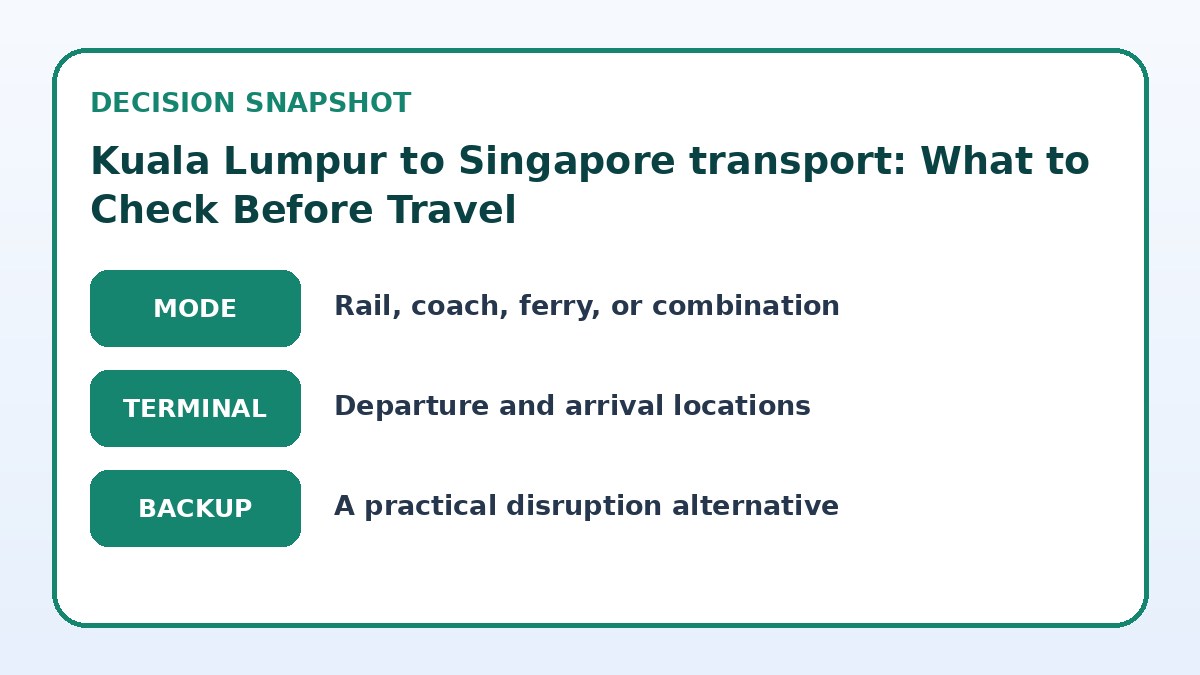
Choosing how to travel: compare speed, cost, and convenience
Start by clarifying what matters most for your trip: fastest door-to-door time, lowest outlay, or the least hassle. Plane options usually cut raw transit time but add hours for airport arrival, security, and baggage handling, and may involve separate terminals or city transfers. Buses and trains can be slower on paper but often plug directly into city centers, lowering total travel time if you’re staying downtown. Also consider luggage — bulky suitcases are easier to manage on a plane or overnight train, while day buses expect you to handle more of your gear.
When comparing direct and connecting itineraries, weigh the additional risks of transfers: missed connections, extra checks at intermediate stops, and unfamiliar transit between terminals or stations. If a connecting option saves money but requires tight transfer windows, it's wise to leave more layover buffer. Always check the provider’s final booking page for luggage allowances, change and cancellation policies, and explicitly stated journey duration from origin doorstep to destination doorstep so you can judge true convenience against headline travel times.
Document and entry preparation for travel day
Prepare the documents you will absolutely need at border control and by transport carriers: original passport, valid visa if required for your nationality, printed or screenshot of return or onward tickets if asked, and any health entry attestations that apply. Keep these in an easily reachable pocket of your day bag; fumbling through checked luggage at immigration adds unnecessary stress. Make a small folder with originals and digital scans saved in your phone’s secure notes or cloud storage so you can show evidence quickly if officials request it.
Check provider booking pages and official government immigration sites for the latest entry rules that affect travellers on your route. Providers may list recommended check-in times, allowed documents, and special procedures for cross-border passengers; verify these details before you travel rather than relying on older recollections. If you travel with medications or special items, carry prescriptions and packing declarations where applicable. Finally, plan for contingencies: photocopies of your passport and a list of emergency contacts including your embassy or consulate can save time when you need help.
| Approach | Best for | Tradeoff to check |
|---|---|---|
| Fly direct | Travelers prioritizing the lowest in-air time and those with limited time in both cities. | Adds airport check-in and transfer time, possible extra city-to-airport travel, and stricter luggage/security rules. |
| Overnight train or sleeper | Those who want to save on a night’s accommodation and arrive rested in a central location. | Longer total trip duration, potential comfort variability, and sometimes limited departure/arrival times. |
| Long-distance coach/bus | Budget-minded travellers who prefer direct city-center connections without airport transfers. | Longer journey and exposure to road traffic or border queue delays; luggage handling may be more manual. |
| Multi-leg combo (bus+train or fly+bus) | Flexible travellers aiming to optimize cost or reach remote origin/destination points. | Higher risk of missed connections and need for careful coordination between independent provider schedules. |
Ready to check the option that fits your plan?
Use your exact dates and traveler details so the provider page can show the current total and conditions.
Packing and luggage strategy for a smooth day
Think in layers: a compact daypack with the items you will need during immigration and transfers reduces repeated access to checked baggage. Include passport, boarding passes or tickets, pen for arrival cards, phone and power bank, snacks, refillable water bottle (empty if you pass through airport security), a light jacket, and basic toiletries for freshening up. If you’ll be on a long bus or train journey, add motion-sickness remedies, earplugs, and a neck pillow. Keep heavier luggage within allowed size limits to avoid unexpected fees or forced repacking at check-in.
Label your bags clearly with your name, phone number, and destination address; use a travel lock compatible with security inspections. If you split journeys across providers, confirm how each leg treats checked items and whether you must reclaim and recheck luggage at borders. Also plan for last-mile transfers: choose luggage that’s easy to carry on stairs or short walks if a station or terminal lacks elevators or if you’ll use local taxis. Finally, pack a small emergency kit with basic medical supplies and a printed map or directions to your first-night address in Singapore.
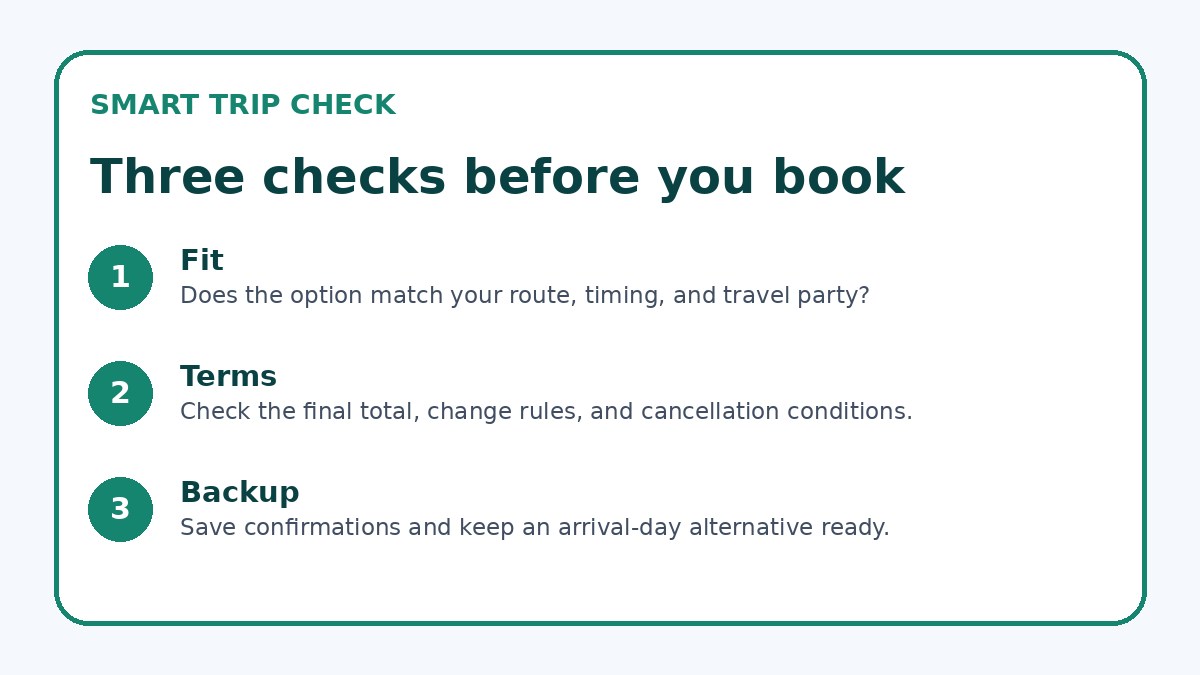
Before you book
- Confirm your passport validity and any visas needed for entry into Singapore and for transit through Malaysia; store digital copies in cloud storage.
- Verify the specific ticket, luggage allowance, and check-in time on the provider’s booking page before you leave.
- Pack a day-bag with passport, boarding pass, pen, phone charger, power bank, snacks, and a small amount of local currency.
- Pre-plan your last-mile transfer in Singapore by checking public transit routes, taxi stands, or booking a transfer in advance.
- Allow buffer time in your itinerary for immigration, customs, and possible traffic or border delays; avoid tight same-day connections.
- Save emergency contacts including your accommodation address in both printed and digital form and note the nearest embassy or consulate.
Timing your travel day and arrival logistics in Singapore
Plan arrival time to match your needs on the first day in Singapore. If you want to settle quickly and start exploring, aim for arrivals in daylight when public transport and taxis are readily available. If you arrive late, confirm that your hotel accepts late check-ins and factor in longer waits for taxis or ride-hail services. Allow extra time for immigration and customs on arrival; peak hours and holiday periods can add delays. Also check how long it typically takes to transfer from your arrival point to the neighborhood where you'll stay, and plan for local traffic conditions.
Decide ahead how you will get from the station or airport to your accommodation: prebooked transfer, ride-hailing app, taxi, or public transit. Compare cost, door-to-door time, and convenience for each option. If using public transit, learn the nearest station names and whether you need a local transport card or contactless payment method. Note that some taxis and ride-hailing drop-off points may be a short walk from immigration exits, so be prepared with small local currency for short rides or initial purchases on arrival.
Frequently asked questions
What is the easiest way to handle immigration and customs when crossing from Kuala Lumpur to Singapore?
The easiest approach is preparation: have your passport, any required visa, and supporting documents ready before you reach the immigration counter. Complete arrival or departure forms in advance if provided digitally or on paper, and keep a pen available for any in-person forms. For cross-border coach or train journeys, remain with your carry-on items during immigration to avoid retrieving checked luggage. If you travel by air, follow airline guidance on arrival documents and check required health or entry attestations on the airline or government pages linked in your booking confirmation.
How much time should I allow between a flight or train arrival and my onward booking in Singapore?
Build in a generous buffer beyond the published journey time to accommodate immigration, baggage collection, and transfer to your accommodation. For airports, this typically means adding time for passport checks and luggage claim; for land arrivals, allow extra time for border queues. If you have an onward flight or time-sensitive booking, choose connections with at least a few hours margin or consider staying overnight nearby to reduce risk. Always check provider-specific minimum connection times on the booking page and adjust your plan for peak travel periods.
Can I use ride-hailing apps or public transit immediately when I arrive in Singapore?
Yes, ride-hailing and public transit are common arrival options, but check logistics in advance: know the nearest MRT station or bus stop to your arrival point and whether your bank card or contactless payment is accepted on local systems. Ride-hailing pickup points may be located a short walk from immigration or designated pickup areas, so follow signage and the app’s instructions. If you plan to use public transport, ensure you have a usable payment method or a transport card, and verify operating hours if you arrive very early or late.
Final planning note
Preparing for the travel day from Kuala Lumpur to Singapore comes down to three practical choices: pick the travel mode that matches your priorities, gather and organize the documents you’ll need at immigration, and build realistic time buffers for transfers and inspections. Decide where you’ll sleep the night before based on your departure time, pack a compact day-bag with essentials for quick access, and confirm all key details on the provider’s final booking page — especially luggage rules and check-in windows. With those basics set, you’ll reduce stress on the crossing itself and arrive ready to enjoy Singapore without scrambling for basics on your first day.
Continue planning
Check current options and final conditions
Use the provider page to confirm live availability, the final total, cancellation terms, and every condition that matters to your trip.
This evergreen planning guide was created with AI-assisted drafting and a structured quality review. It does not display live prices, schedules, availability, visa guidance, or provider rankings. Verify current details before booking. Some links are affiliate links; we may earn a commission at no additional cost to you.