Practical answer first: set price alerts for flights, ferries, and family-friendly hotels but pair them with a simple decision checklist—compare the same dates, passenger count, refundable terms, baggage, and activity inclusions before you hit buy. Price alerts are useful signals, not automatic triggers. For families traveling to Jeju, alerts help spot windows of availability and shifts in fares, but children’s fares, seat availability, and cancellation rules change quickly. Use alerts to gather options, then pause to verify inclusions and flexibility across bundle versus separate booking approaches. The rest of this guide shows what to compare, how to avoid false savings, and a staged decision flow so families make calm, practical bookings rather than reactive ones.
Test package value fairly
| Booking approach | Best for | Tradeoff to check |
|---|---|---|
| Full package (flight + hotel + transfers) | Families who prioritize a single point of contact and coordinated logistics. | May include stricter cancellation rules and hidden exclusions; verify transfers, room type, and child policies on the final page. |
| Flight + hotel booked separately | Families seeking flexibility to mix carriers, hotels, and different policies. | Requires more coordination and separate customer service contacts, but you can pick flexible fares or family rooms explicitly. |
| Flight-only with hotel booked later | Families who want to lock preferred flight times while shopping for hotel deals or family rooms. | Risk of limited hotel availability for preferred room types; compare refundable flight options to avoid penalties if hotel choices force date changes. |
| Package with prebooked activities | Families who prefer itinerary certainty for tours and kid-friendly experiences. | Prebooked activities can limit spontaneity and may carry separate nonrefundable terms; confirm age limits and meeting logistics before booking. |
Check current package and separate options
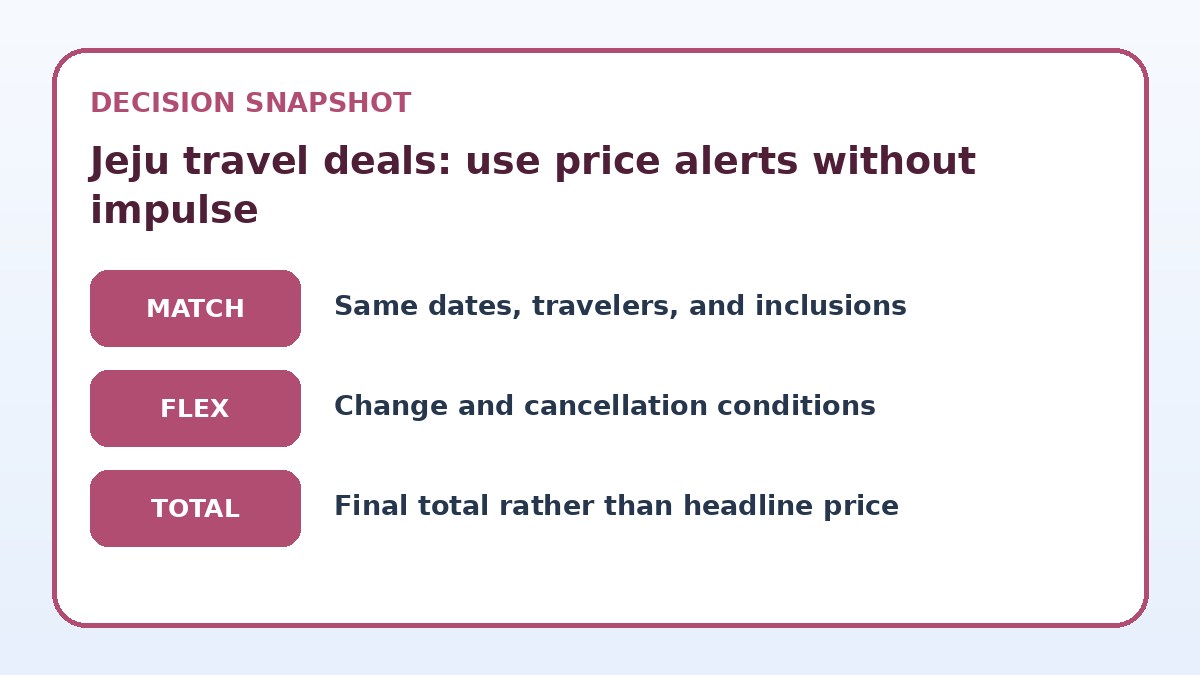
Use identical dates, travelers, room needs, baggage, and flexibility so the comparison stays meaningful.
What to compare first: the essentials before judging a bundle
Before deciding whether a package saves money for your family, compare the exact same search parameters: identical travel dates, number and ages of travelers, departure airports, and seat class. Families face specific variables—child fares, infant fees, and whether seats are side-by-side. If a bundle lists “family-friendly hotel” or “activities,” check whether it reserves family rooms or charges extra for rollaway beds. Matching these basics reduces false savings where one quote looks cheaper only because it silently excludes a child or taxes.
Next, compare timing and routing: a cheaper package might add an overnight connection or longer transfers that upset small children. Check arrival and departure times against your family’s routines. Also verify whether luggage allowances and seat selections are included; a low headline price that charges for bags or preferred seating can quickly become more expensive than assembling components yourself. Treat the initial alert as an invitation to dig into details—not as a final offer.
Inclusions and exclusions: read final terms before trusting an alert
Alerts often summarize highlights but omit fine print. For any flight or hotel alert, go to the provider’s final booking page and confirm what’s included: taxes, resort fees, transport transfers, meals, activity reservations, and whether kids’ tickets are prebooked. For hosted activities on Jeju—like guided tours or island excursions—check age restrictions and whether the activity requires minimum participants. If an alert touts a ‘package’ price, find the itemized breakdown so you can compare apples to apples with separate bookings.
Also look for change and cancellation rules on the final screen. Providers sometimes offer low-cost nonrefundable rates that appear in alerts; families should weigh the risk of change fees or no refunds. If a bundle includes nonrefundable elements but other components are flexible, calculate the worst-case cost to change plans. When rules are unclear, contact the supplier directly before booking. Verifying final terms is the single most reliable way to avoid false savings.
Look past the headline total
Compare inclusions and change conditions before deciding whether a package is genuinely useful for this trip.
Deal comparison checklist
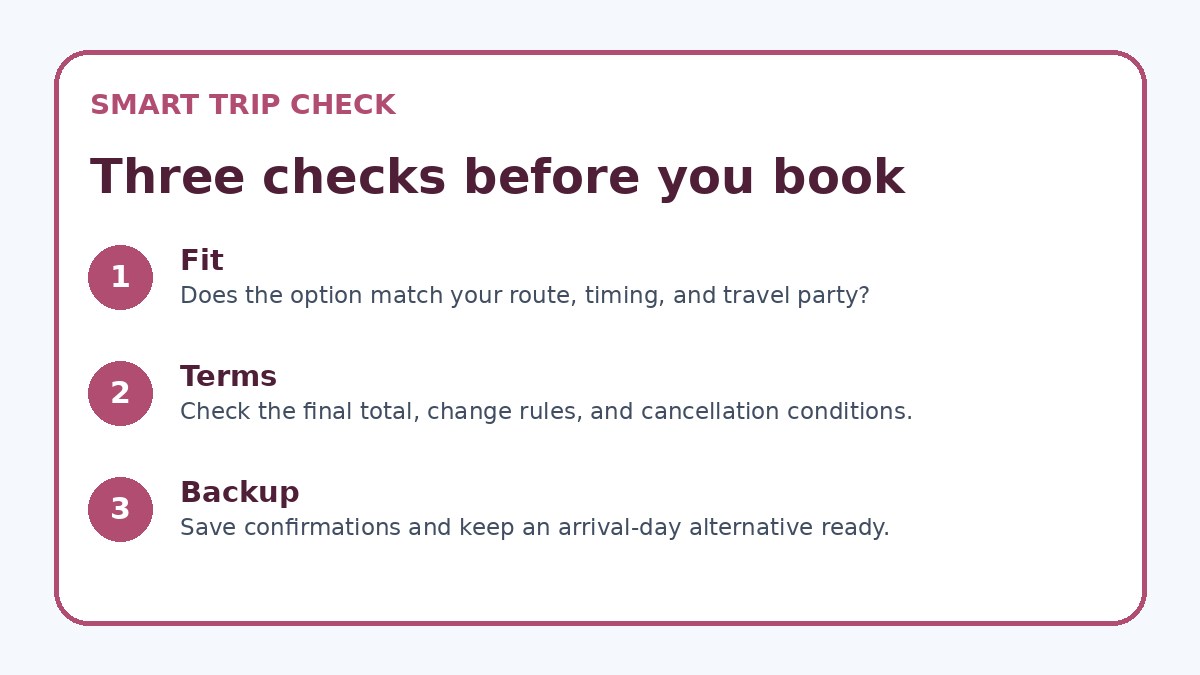
- Match dates, traveler ages, and passenger counts across every quote before comparing bundled and separate prices.
- Open the provider’s final checkout page to confirm taxes, fees, luggage allowances, seat assignments, and inclusions.
- Calculate the total cost of separate bookings (flights, hotel, transfers, activities) using identical terms to check for false savings.
- Choose refundable or changeable options if your family’s plan could reasonably change; note any nonrefundable segments.
- Verify room configurations and child amenities with the hotel (cribs, rollaways, connecting rooms) before relying on bundle descriptions.
- Wait 24–72 hours after a favorable alert before booking to compare options calmly and avoid impulse purchases.
Flexibility and traveler-specific value: when a bundle helps families
Bundles can be valuable when they genuinely reduce handling hassles—one checkout, coordinated transfers, and a single point of contact if something goes wrong. For families with young children, those conveniences can outweigh a small price premium. Evaluate value not just by headline price but by convenience: are airport transfers timed for your flight? Do hotels provide cribs or adjoining rooms without extra charge? A package that removes logistical stress could be worth more to your family than a marginally cheaper DIY booking.
However, if any bundle forces strict nonrefundable terms or locks you into tight arrival windows, that rigidity may not suit family travel. Consider how easily you can change dates, add a child, or cancel specific components. If you value flexibility, prefer bundles with refundable elements or buy separate refundable flight and hotel options. Balance convenience against the potential cost of change—families often pay more in change fees or rebooking when plans shift than they save at initial purchase.
Final terms and the buying process: a calm checklist before you commit
At the point of booking, run a short verification routine: confirm passenger names, ages, seat assignments, luggage allowances, and any included transfers or activities. Compare the bundled price to the sum of separately booked equivalent services using the same dates and traveler count. Don’t forget to include taxes, baggage, seat fees, and mandatory local fees. If a bundle seems cheaper, make sure it truly matches the same conditions and cancellation policies you would get by booking separately.
If you used a price alert from an aggregator or OTA, open the supplier’s checkout page to verify final terms and change policy; Trip.com can be helpful for comparing availability but always rely on the provider’s booking page for binding terms. Finally, apply your booking cooldown—sleep on the decision or discuss it with other family members before finalizing. That pause reduces impulse buys and often surfaces overlooked fees or restrictions.
Travel Deals & Booking Strategy questions travelers ask
How can parents use price alerts without booking impulsively for a Jeju trip?
Treat price alerts as research tools rather than purchase triggers. When an alert arrives, record the provider, exact travel dates, passenger mix, and the quoted inclusions. Then cross-check by searching for the same dates and traveler details across separate flight and hotel providers. Use a short cooldown period—sleep on it or discuss with other family members—before you commit. This practice separates discovery from decision and helps avoid paying for nonrefundable bundles that don’t match your family’s needs.
What specific inclusions should families always verify on a package for Jeju?
Always confirm passenger ages and whether child fares or infant fees are applied correctly. Check seat assignments and baggage allowances on flights, room type and bedding arrangement at hotels, and whether transfers or activities are actually reserved for your party. Look closely at cancellation and change policies for each component. If the package lists activities, verify minimum participant rules and age restrictions. Only the provider’s final booking page has the contractual terms you must rely on.
When is it smarter to book components separately for a family visiting Jeju?
Booking separately often makes sense if your family needs flexibility—such as refundable tickets, specific room layouts, or customized transfer times. It’s also preferable when you want to mix carriers or hotel chains that aren’t offered in a package, or when packages don’t clearly include child amenities. If you can assemble the same inclusions with refundable terms at a comparable total cost, separate bookings give you more control and simpler change options.
Final decision note
Price alerts are a low-effort way to surface Jeju travel deals for families, but they should start a comparison process rather than trigger an immediate purchase. Match dates, passenger counts, and inclusions across any package and the sum of separate bookings to avoid false savings. Prioritize refundable or flexible options when traveling with children, verify details on the provider’s final booking page, and use a short cooling-off period before you commit. When convenience and coordinated logistics matter more than a marginal saving, a package can be the right choice—just be sure you’re buying the exact value it claims to deliver.
Continue planning
Check current options and final conditions
Use the provider page to confirm live availability, the final total, cancellation terms, and every condition that matters to your trip.
This evergreen planning guide was created with AI-assisted drafting and a structured quality review. It does not display live prices, schedules, availability, visa guidance, or provider rankings. Verify current details before booking. Some links are affiliate links; we may earn a commission at no additional cost to you.