
Practical answer first: for most couples planning a trip to Chiang Mai, pick a booking window based on how much flexibility you want. If you need fixed dates and specific rooms or seats, book earlier—roughly two to four months before travel during normal seasons. If you can be flexible on dates and accommodation style, a shorter window of three to six weeks can work, letting you scan flash sales and last-minute availability. Use a hybrid approach: lock in nonrefundable flight or train seats only when the price and schedule meet your core needs, then keep hotels and optional tours cancellable until a clearer picture emerges. Prioritize bookings you cannot easily change—international flights, special-event tickets, or a sought-after boutique stay—and delay the rest to catch better deals or clearer travel conditions.
See current options before you compare the details
Availability and final conditions change. Open Trip.com now or keep reading for the practical comparison.
Match your risk tolerance to a booking window
Couples differ in how much uncertainty they tolerate. If one partner needs firm plans to request time off work or arrange childcare, a longer booking window reduces stress but narrows bargain opportunities. Longer lead times make it easier to secure specific room types or flight times, particularly around local festivals or long holiday weekends when demand rises. On the other hand, couples who prize spontaneity can accept later bookings, which sometimes reveal temporary promotions or newly released inventory as suppliers adjust occupancy.
Decide what you can’t compromise on—room type, arrival time, or a particular experience—and treat those as the nonnegotiable anchors. Everything else can be scheduled around them with more flexible options. When assessing booking windows, factor in personal constraints like visa processing, seasonal weather, and any fixed events. That reduces the chance that a last-minute deal becomes worthless because a key element of your trip is unavailable or impractical.
Compare tradeoffs: earlier certainty versus later savings
Booking earlier commonly buys choice and stability: better selection of rooms close to the Old City, preferred flight times, and the ability to plan specific day trips or dinners. The tradeoff is potentially paying a premium for that certainty. By contrast, waiting can expose you to flash sales, cancellations returned to inventory, or other short-term discounts—but with increased risk of limited options and higher prices if demand surges unexpectedly. Couples should weigh whether saving a little money is worth the stress of searching and the risk of missing must-do activities.
A practical compromise is to book the highest-impact items early with flexible or refundable terms when possible. Then allow smaller purchases—such as boutique hotels for a few nights or optional excursions—to be booked later. Set a personal deadline to stop waiting: a few weeks before departure for flexibility-focused couples, or two to four months for those wanting certainty. Sticking to that internal deadline prevents endless hunting and helps keep decision-making collaborative rather than reactive.
| Approach | Best for | Tradeoff to check |
|---|---|---|
| Book early (2–4 months) | Couples needing fixed dates, specific rooms, or festival attendance | Less chance to catch last-minute price drops and more upfront commitment |
| Moderate window (6–8 weeks) | Couples balancing selection and some deal-opportunity | Some preferred options may already be limited; still reasonable for planning |
| Late-booking (3–6 weeks) | Flexible couples chasing short-term sales or returned inventory | Higher risk of limited choices and sold-out experiences |
| Hybrid approach | Couples who want certainty for anchors and flexibility elsewhere | Requires disciplined decision-making and monitoring of deals |
Ready to check the option that fits your plan?
Use your exact dates and traveler details so the provider page can show the current total and conditions.
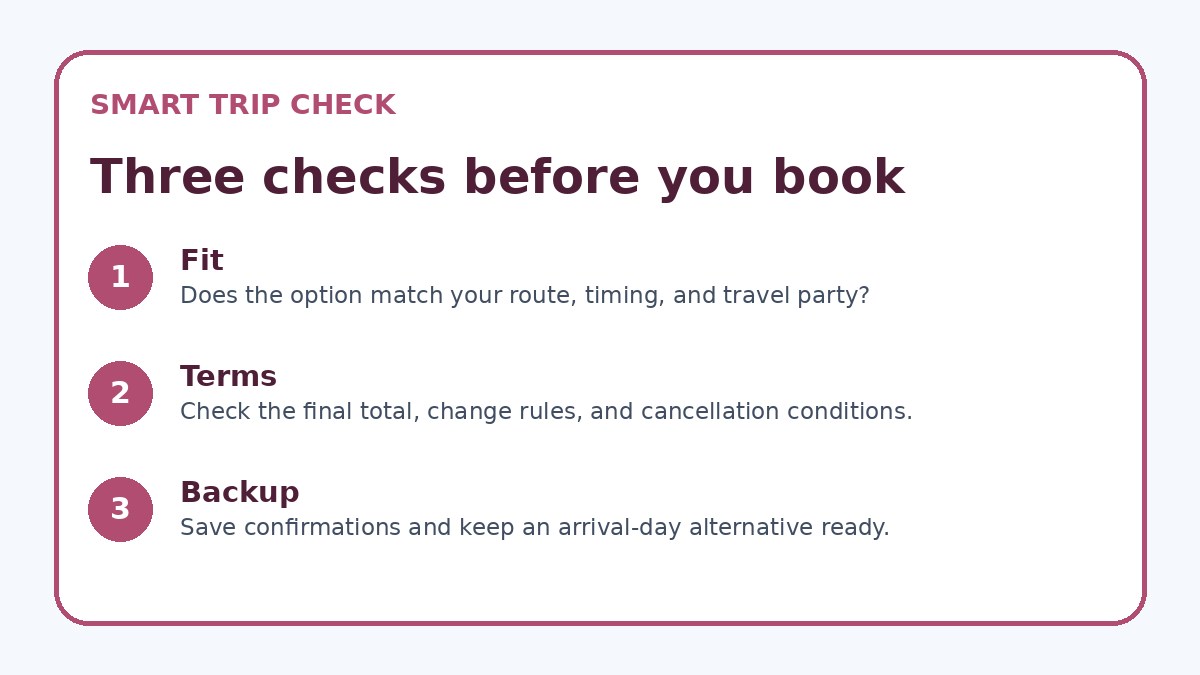
How to time flights, hotels and tours for couples
Flights are often the booking anchor for international travel. For couples with specific schedules, begin monitoring fares early and set price alerts; once you identify an acceptable fare and itinerary, book it. For more flexibility, consider refundable or changeable fares even if they cost more—this can be a worthwhile insurance policy for work or health uncertainties. Remember to verify along the provider’s final booking page: baggage rules, change fees, and exact connections, since these details change frequently and affect total trip convenience and cost.
Hotels and intimate stays can be split across your trip: reserve the nights where location or ambiance matters (for example, a romantic guesthouse near the Old City) earlier, and book the rest as you go. Look for free-cancellation rates when possible so you can move if a better deal appears. For guided tours or special experiences with small-group limits, check booking pages for minimum-participant requirements and cancellation policies before committing, since these factors determine whether an advertised tour will actually run or be refundable.
Before you book
- Identify your trip anchors (fixed dates, must-see events, or a specific hotel) and commit to booking those first.
- Set a booking deadline for nonessential items so you stop searching and finalize plans ahead of travel.
- Compare refundable and nonrefundable rates and choose refundable for items that would be expensive or disruptive to change.
- Create price alerts for flights and preferred hotels, and subscribe to one or two local tour operators for availability notices.
- When booking, read the provider’s final page to confirm baggage rules, change fees, cancellation terms and included amenities.
- Keep a simple spreadsheet or shared note with key reservation numbers, deadlines, and contact information for quick changes.
Timing tools and tactics that work for couples
Use alerts and compare a short list of trusted options rather than scanning everything; that reduces decision fatigue and lets you act quickly when a genuine deal appears. Sign up for fare and hotel alerts, follow a couple of reputable local tour operators, and set calendar reminders for your personal booking deadline. For late-window bookings, purposely widen search dates by a few days to reveal lower fares and softer occupancy; couples with flexible schedules can save time and money this way.
When you find a promising offer, read the final booking page to confirm change and cancellation fees, included amenities, and any locality requirements. If you're using an agent or platform, verify what happens if something changes—who issues refunds and how long processing takes. Trip.com can be used to compare current availability and conditions as one source among several, but always confirm key terms directly on the provider’s page before committing, especially for flights and high-demand accommodations.
Frequently asked questions
How far ahead should couples book Chiang Mai flights to balance price and certainty?
There’s no single rule, but for couples needing certainty—such as aligning with vacation time or special events—booking two to four months ahead is a reasonable starting point. This window often secures preferred itineraries and seat choices without locking you into unnecessary early purchases. If you’re flexible, watching fares and booking within six to eight weeks can produce acceptable options while leaving room for short-term deals. Always check the airline’s change and cancellation policy on the final booking page before you confirm, because those terms determine how easy and costly it will be to adjust plans.
Should couples reserve all hotel nights at once or split bookings?
Splitting hotel bookings can be a smart tactic for couples who want one special stay and more economical or flexible lodging for other nights. Reserve the few nights where location or atmosphere matter first—using free-cancellation rates when possible—and book the remaining nights later if you want to chase deals. If keeping everything in one place is essential for convenience, prioritize refundable options or secure a longer-stay booking only after confirming the overall pricing and cancellation terms on the provider’s final page.
What’s the best way to handle tours and romantic experiences while booking?
For small-group or highly rated experiences, book as soon as you know your travel dates because these can sell out or require minimum numbers to run. For flexible experiences, hold off until closer to your trip and monitor availability—some operators release extra spots or discounts closer in. Always read the operator’s cancellation and refund policy on the booking page, confirm pick-up logistics, and ask whether a minimum participant count could cancel the tour; if an experience is central to your trip, consider booking early with a refundable rate for peace of mind.
Final planning note
Choosing a realistic booking window for a couple’s Chiang Mai trip comes down to prioritizing what you cannot change and being strategic about everything else. Protect your anchors—flights, key hotel nights, or essential events—early with flexible terms when possible, then let remaining plans breathe until your personal deadline. Balance stress and savings: use alerts, keep a short list of trusted suppliers, and always verify cancellation, baggage and change rules on the provider’s final booking page. With a hybrid approach and clear mutual priorities, couples can enjoy both the certainty they need and the possibilities that produce better travel deals.
Continue planning
Check current options and final conditions
Use the provider page to confirm live availability, the final total, cancellation terms, and every condition that matters to your trip.
This evergreen planning guide was created with AI-assisted drafting and a structured quality review. It does not display live prices, schedules, availability, visa guidance, or provider rankings. Verify current details before booking. Some links are affiliate links; we may earn a commission at no additional cost to you.