Practical answer up front: when a couple rents a car in Seoul, focus on three policy phrases — Collision Damage Waiver (CDW)/Loss Damage Waiver (LDW) limits, third-party liability limits, and “named driver” versus “additional driver” wording. Confirm which drivers the firm recognizes, how deductibles are applied, and whether coverages exclude certain roads or parking locations. Read exclusions for cross-border driving if you plan day trips near the DMZ, and check whether personal items or mobile damage are covered. Before you book, verify the exact wording and final premiums on the provider’s booking page or rental agreement; call the rental company if anything looks ambiguous. This article explains what each phrase means for couples, how to weigh tradeoffs, and a simple checklist to use at booking and pickup.
See current options before you compare the details
Availability and final conditions change. Open Trip.com now or keep reading for the practical comparison.
What key insurance phrases mean for couples
Collision Damage Waiver (CDW) or Loss Damage Waiver (LDW) frequently appears on Seoul car rental contracts. These waivers don’t usually mean the rental company pays nothing; instead they limit your financial responsibility for vehicle damage up to a stated amount. For couples, the practical impact is whether the waiver applies to every authorized driver and whether there’s a refundable security deposit or an excess deductible. Read whether CDW/LDW is optional, mandatory with certain vehicle classes, or part of a package — and whether it excludes specific parts like tires, windshields or undercarriage.
Third-party liability wording defines how much the policy will pay for injury or property damage you cause to others. This is legally and financially important because liability claims can exceed damage to your own rental. Pay attention to phrases such as “statutory minimum,” “per person” or “aggregate limits.” If you or your partner will be driving in busy urban areas like Gangnam or Itaewon, higher liability limits reduce personal risk after a serious incident. Also check whether liability extends to damage to rented property like parking meters or other vehicles.
Named driver, additional driver, and permissive use
“Named driver” means the contract lists specific people who may legally drive the vehicle. If only one partner is named, the non-listed partner may be uninsured and personally liable after an accident. Many Seoul rentals offer an “additional driver” option for a small extra fee; buy it to avoid ambiguity. Some policies mention “permissive use,” which may cover an occasional driver not listed explicitly — but permissive use often comes with lower coverage limits and could be denied during claims, so don’t rely on it.
For couples sharing driving duties on long days, ensure both names appear either automatically or for a clear nominal fee. Also check age and license requirements for additional drivers — if one partner is under the rental company’s minimum age or holds a foreign license, different rules or extra surcharges may apply. Always bring both drivers’ physical licenses and passports to pickup; verbal agreements are weak evidence compared with signed rental contracts that list drivers by name.
| Approach | Best for | Tradeoff to check |
|---|---|---|
| Base CDW only | Couples tolerating high deductibles who want the lowest base rate | Lower upfront cost but potentially large out-of-pocket expense after damage |
| CDW + Reduced Excess | Couples who prefer predictable small payments at claim time | Higher daily rate in exchange for a smaller deductible |
| Third-party liability top-up | Couples concerned about injury or property claims against others | Adds protection but increases total policy cost |
| Zero-excess or Super CDW add-on | Couples wanting near-zero financial risk for damage to the rental | Often the most expensive daily option and may still exclude certain damage types |
Ready to check the option that fits your plan?
Use your exact dates and traveler details so the provider page can show the current total and conditions.
Deductible, excess, and credit hold: money you must understand
The deductible or “excess” is the portion you pay out of pocket after a covered incident. Contracts sometimes show a large nominal excess that can be reduced by buying a supplemental coverage or a Super CDW. For couples, decide whether paying a higher daily rate for a lower deductible makes sense relative to your tolerance for possible cash outlays. Also ask how the company handles your credit or debit card hold: some place a substantial pre-authorization that ties up funds during the rental.
If you plan to pay with a debit card, verify the card acceptance wording; many companies require a credit card for the security hold or restrict certain coverages. Before you collect the car, photograph the dashboard showing the credit hold if possible and request a printed authorization form. If a partner’s card will provide the hold, confirm whose name appears on the receipt and whether both drivers appear on the contract to avoid problems with deposit refunds.
Before you book
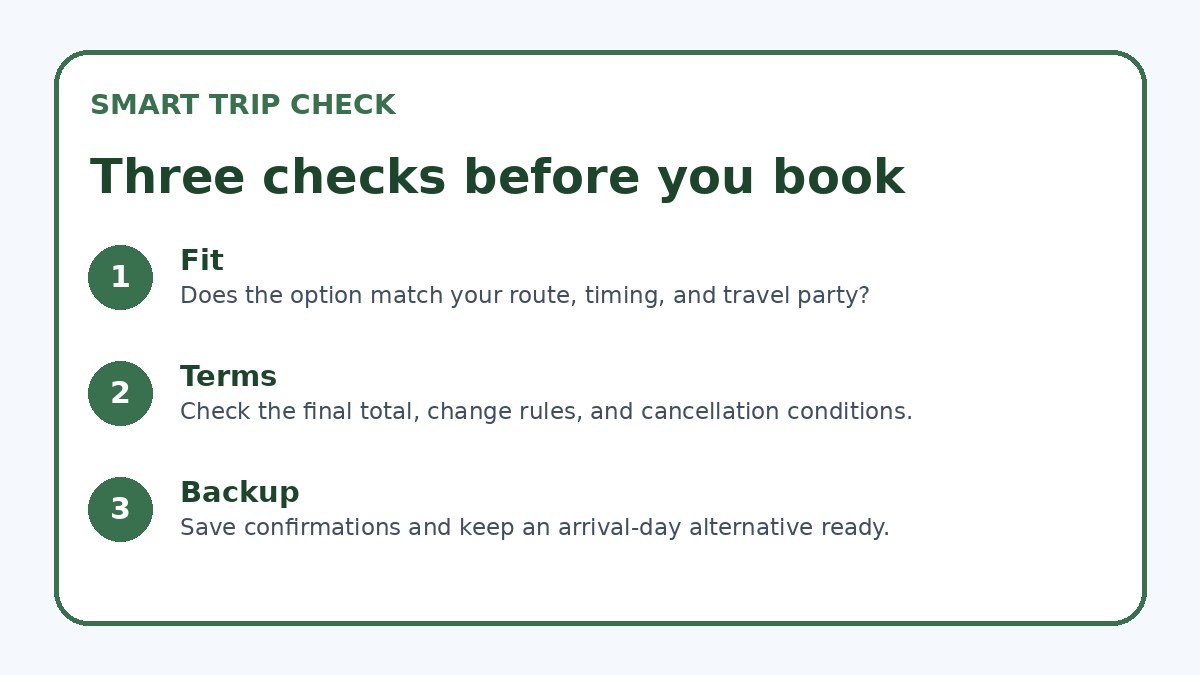
- Confirm both partners’ full names are listed as authorized drivers on the rental agreement before signing.
- Ask the agent to point out the deductible amount, when it applies, and whether a refundable security hold will be placed on your card.
- Read the contract’s exclusions section aloud and get written confirmation about tyre, glass, and undercarriage coverage if you want it.
- Verify whether your personal travel insurance or credit-card rental coverage complements or duplicates the rental company’s insurance.
- Photograph the car’s condition from multiple angles at pickup and timestamp images; have the agent initial or sign a damage report.
- Before driving off, confirm roadside assistance contact details, the procedure after an accident, and whether language support is available.
Exclusions and extra cover options specific to Seoul driving
Common exclusions you will see include damage from driving under the influence, using unapproved drivers, driving on unpaved roads, and damage to tires, glass, or the underbody unless you buy specific coverage. Seoul’s busy city traffic increases the likelihood of minor dings and windshield chips; check whether a “tyres/glass” extension is available and economical compared with paying for repairs yourself. Also check rules about parking lot damage, as many small dents occur in tight city garages.
Consider optional add-ons like personal accident insurance, roadside assistance, and zero-excess products — but compare what they actually cover. Some zero-excess products exclude certain incident types or require that you follow specific procedures at the scene of an accident. Before finalizing, read the provider’s booking page and the rental agreement’s exclusions box and call their support to confirm any clause you don’t understand. You can compare current availability and book options through Trip.com if you want a centralized search, but always verify exact contract wording on the rental firm’s final page.
Frequently asked questions
Can a couple share driving duties without extra fees on Seoul rentals?
Sometimes yes, sometimes no. Some rental companies include one additional driver free when both are spouses or domestic partners; others charge per extra named driver. Always check the booking page and the rental agreement for wording about “additional driver” and whether the fee is applied at booking or at pickup. If a partner is not listed and drives, coverage may be voided. To avoid surprises, add both drivers explicitly and bring both drivers’ licenses and passports to the counter.
Will my credit-card insurance cover a rental in Seoul, and how does wording matter?
Many credit cards offer secondary or primary rental coverage, but the exact terms depend on the card’s policy wording. Look for phrases like “covers collision damage,” “primary vs secondary coverage,” geographic exclusions, and whether the card requires you to decline the rental company’s CDW. Check the card issuer’s benefit guide for exclusions such as certain vehicle classes or commercial use. When in doubt, call the card issuer and ask them to confirm coverage for rentals in South Korea and to explain required documentation for a claim.
What should couples do immediately after a minor accident in Seoul?
Prioritize safety, exchange details with the other party, and photograph the scene and all vehicles. Then contact the rental company and file any required police or accident reports; some insurers and rental contracts require an official report for claims. Follow the provider’s prescribed steps in the rental agreement — note the exact clause if you must — and keep copies of all documents. If either partner is injured, seek medical attention and keep invoices and records; these support both medical and liability claims later.
Final planning note
For couples renting a car in Seoul, the best approach is clear: read the key phrases (CDW/LDW limits, deductible, named/additional driver, and exclusions), have both drivers named on the contract, and verify final wording on the provider’s booking page before payment. Balance cost versus risk by choosing the deductible and add-ons that match your comfort with potential out-of-pocket expenses. At pickup, document the vehicle condition and confirm roadside and claims procedures. Doing these simple checks will keep the focus on enjoying Seoul instead of dealing with insurance disputes later.
Continue planning
Check current options and final conditions
Use the provider page to confirm live availability, the final total, cancellation terms, and every condition that matters to your trip.
This evergreen planning guide was created with AI-assisted drafting and a structured quality review. It does not display live prices, schedules, availability, visa guidance, or provider rankings. Verify current details before booking. Some links are affiliate links; we may earn a commission at no additional cost to you.