
Practical answer first: for most couples planning a trip to Kyoto, aim to book major items—international flights and your preferred hotel or ryokan—between 2 and 4 months before travel if your dates are flexible, and 4 to 8 months if you target peak travel times, specific festivals, or a small, high-demand ryokan room. Book local transport passes and regional train tickets closer to travel (2–8 weeks) unless you need reserved seats on long-distance trains, which sell out for busy periods. The tradeoff is simple: earlier bookings secure choice and peace of mind; later bookings can save money if you accept limited options and greater risk. Below you’ll find decision criteria couples can use—comfort level with risk, must-have experiences, and flexibility—plus a step-by-step checklist to confidently choose a realistic booking window for your Kyoto plans.
See current options before you compare the details
Availability and final conditions change. Open Trip.com now or keep reading for the practical comparison.
Set priorities: what matters most to your trip
Start by listing the elements that would make the trip disappointing if unavailable: a specific machiya or ryokan room, an evening tea ceremony, a day-trip to Nara or a seat on a limited express train. Couples should differentiate between must-have and nice-to-have items; this determines which bookings you treat as inflexible and which you’re willing to time for a deal. When both people have different priorities, compromise by booking one ‘must’ early and leaving a flexible element for deal hunting later.
Assess flexibility around dates and accommodation style. If you’re visiting during hanami (cherry blossom) or fall foliage season, availability compresses and the booking window needs to stretch earlier. If you want to stay in a compact central neighborhood to minimize transit, book that accommodation early. Conversely, if you’ll happily switch neighborhoods or travel days, you can wait longer and monitor deals, balancing risk with potential savings.
Flights and long-distance travel: timing and tradeoffs
International flights typically fluctuate; if you have tight date needs or want specific departure times and connections, lock flights several months out. For couples with flexibility, monitor prices and book when a fare aligns with your budget and schedule. Remember that changing or cancelling tickets involves provider rules—always read the airline’s final booking page for refund and change fees before you buy because those policies influence how aggressively you can hunt deals.
For travel within Japan—shinkansen or limited express trains—decide whether you need reserved seats. Reserved-seat tickets are useful for evenings, weekends, and busy seasons. If you don’t need assigned seats and will travel at off-peak times, you can often buy closer to departure. For couples who value guaranteed adjacent seats, reserve early; for those prioritizing flexibility, accept unreserved travel or later reservations and plan your travel times accordingly.
| Approach | Best for | Tradeoff to check |
|---|---|---|
| Book early (4–8 months) | Couples with fixed dates, festival plans, or a must-have ryokan stay | Less room to take advantage of last-minute price drops; may pay for flexibility with higher nonrefundable rates |
| Moderate window (2–4 months) | Balanced planners who want good choices without excessive lead time | Some peak rooms or train reservations might already be gone; you need to monitor fares to catch deals |
| Short window (6–8 weeks) | Flexible travelers aiming to chase deals and last-minute availability | Higher risk of limited options and stress for couples needing adjacent seats or specific accommodation types |
| Hybrid approach (mix early and last-minute) | Couples balancing certainty for key nights and flexibility elsewhere | Requires deliberate planning and active monitoring to avoid overlapping bookings or missed opportunities |
Ready to check the option that fits your plan?
Use your exact dates and traveler details so the provider page can show the current total and conditions.
Where to stay in Kyoto: timing by accommodation type
Large hotels and business hotels in Kyoto usually have plentiful inventory and flexible rates, so couples can often wait a few months before booking, using the extra time to compare neighborhoods and promotions. Boutique hotels and traditional ryokans with a handful of rooms sell out faster, especially properties that include private baths or kaiseki dinners. If a particular room type or an intimate experience is central to your trip, prioritize booking it well in advance to avoid disappointment or forced compromises.
Consider splitting bookings for flexibility: reserve your core nights in a must-stay property early, then leave a flexible hotel segment later in the trip to adapt to last-minute discoveries. When evaluating options, always check the provider’s cancellation and modification terms on the final booking page—some lower-rate plans are nonrefundable, while slightly higher-priced flexible plans may be worth the peace of mind for couples who want to keep options open.
Before you book
- List your absolute must-haves (specific accommodation, festival attendance, reserved train seats) and mark them as priority bookings.
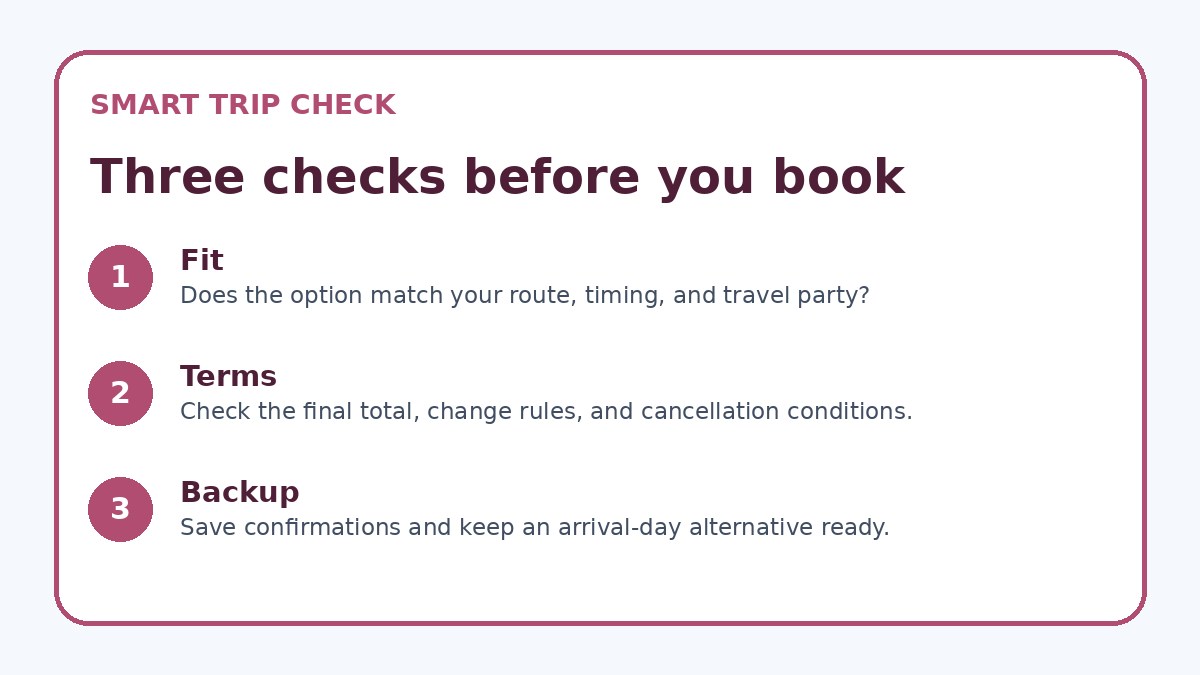
- Check cancellation and change policies on each provider’s final booking page before making any nonrefundable purchase.
- Set price alerts for flights and desired hotels and review them daily for two weeks before committing if your dates are flexible.
- Reserve core accommodations or unique ryokan rooms early if they match your nonnegotiables; leave flexible nights for later deals.
- Decide whether you need reserved seats on long-distance trains and book them ahead of busy travel days if seat adjacency matters.
- Keep an emergency budget for last-minute rebookings or upgrades so you can prioritize comfort without derailing the trip.
Practical steps to choose your personal window
Step one: set firm dates if either partner has strict limits. Step two: mark any Kyoto events or peak periods that affect your schedule. Step three: prioritize your must-haves and book those first, noting cancellation rules. Step four: for everything else, pick a monitoring window to watch fares and availability—typically 6–8 weeks for flights on flexible itineraries, and 2–8 weeks for domestic travel and hotel deals depending on season.
Use alerts from comparison sites and your preferred OTAs to track price shifts, but avoid overreacting to brief dips—couples should weigh the chance of additional savings against the emotional cost of lost peace of mind if your top choices disappear. Before final payment, verify on each provider’s final booking page the exact cancellation, change, seat reservation, and payment terms so you can make an informed tradeoff between cost and flexibility.
Frequently asked questions
How far ahead should couples book Kyoto in cherry blossom or autumn foliage season?
During high-visibility seasons like cherry blossom or fall foliage, availability tightens for hotels and special experiences. Couples who want specific neighborhoods, intimate ryokan rooms, or evening dining times should consider booking earlier—often several months in advance—because these experiences have limited capacity. If you prefer flexibility, be prepared to accept broader neighborhood options or less popular times for activities. Regardless, always read the final booking page for cancellation terms so you understand your options if plans shift.
Is it better to book an entire Kyoto stay at once or split reservations?
Splitting reservations can give couples useful flexibility: secure the nights that matter most in a chosen property, then hold later nights open to chase deals or adapt your itinerary. Booking everything at once simplifies logistics and may offer package savings or contiguous nights, but it reduces adaptability. Choose the approach that matches your tolerance for change: book must-have nights early and use a monitoring window for discretionary nights if you want both certainty and flexibility.
What should we verify on the provider’s page before finalizing bookings?
Before you click confirm, check the provider’s final booking page for exact cancellation and change fees, whether breakfast or meals are included, bed configuration (important for couples), assigned seat guarantees for trains or flights, and any additional service fees or taxes. Also verify check-in/check-out times, deposit requirements, and whether the rate is refundable. These specifics determine how easy it will be to adjust plans and whether a lower initial price is actually the best value for your couple’s needs.
Final planning note
Choosing a realistic booking window for Kyoto travel deals as a couple comes down to balancing certainty and flexibility. Identify your nonnegotiables and reserve those early; for everything else, pick a monitoring period that matches your comfort with risk and the importance of choice. Use a hybrid approach if you want to lock in a few key nights—private ryokan stays or evening activities—while leaving other segments open to last-minute deals. Finally, always verify cancellation, change, and seating rules on each provider’s final booking page so you know what you can change without penalty. With clear priorities and a simple step-by-step plan, you and your partner can secure the experiences that matter most while keeping room to adapt.
Continue planning
Check current options and final conditions
Use the provider page to confirm live availability, the final total, cancellation terms, and every condition that matters to your trip.
This evergreen planning guide was created with AI-assisted drafting and a structured quality review. It does not display live prices, schedules, availability, visa guidance, or provider rankings. Verify current details before booking. Some links are affiliate links; we may earn a commission at no additional cost to you.