If you’re planning a family trip from Amsterdam to Berlin, your main choice boils down to comfort and convenience versus cost and flexibility. For most families, daytime or overnight trains strike the best balance: reasonably quick, room to move, no strict luggage limits, and an easy city-center to city-center arrival. That said, long-distance coaches can be far cheaper for budget-conscious groups; driving gives unmatched flexibility for stops and luggage; and combining ferry or short flights with rail can suit families who want a scenic route or faster transfers. This guide compares the practical pros and cons of each mode for families — including how to evaluate connections, luggage, kid-friendly facilities, and booking considerations — so you can pick the option that matches your family’s energy levels, budget, and schedule.
See current options before you compare the details
Availability and final conditions change. Open Trip.com now or keep reading for the practical comparison.
Train travel: convenience, space, and straightforward connections
For families, trains are often the most straightforward choice: they depart from central stations, avoid airport transfers, and typically allow children to move around safely between carriages. Seats are larger than coach seats, and many services have family or compartment seating, tables for activities, and space for pushchairs and moderate amounts of luggage. When comparing trains, check whether the journey is direct or requires a transfer — some routes between Amsterdam and Berlin include at least one change. When transfers occur, look for reasonable minimum connection times and easy platform changes to reduce stress with small children.
Before you book, verify seat reservation rules, family discounts, and the exact boarding and alighting stations on the carrier’s final booking page. Bring basic onboard entertainment, snacks, and a small travel blanket to keep the kids comfortable. Consider traveling at times that align with children’s naps or quiet hours to reduce meltdowns. If the itinerary includes overnight sleeper options, assess if bunks are appropriate for your children and whether you’ll need additional bedding or privacy measures.
Coach travel: budget-friendly but trade-offs in time and comfort
Coaches typically offer the lowest upfront fare, especially for larger families or when booked early. Modern long-distance coaches can have Wi-Fi and power outlets, but legroom and seat width vary significantly; children have less space to play, and there are limited opportunities to stand or walk except during brief rest stops. Coaches usually follow motorways and can take longer than rail, so weigh total door-to-door time: a coach may depart from a different terminal than train stations and could require a local transfer to reach city centers.
If leaning toward coach travel, prioritize operators with flexible change policies, onboard facilities, and straightforward luggage handling. Pack a small daypack with essentials — entertainment, medicines, and a change of clothes — because accessing large hold luggage during the run is not convenient. Verify exact pick-up and drop-off locations and any child fare rules on the operator’s booking page. For very budget-conscious families, coaches can unlock substantial savings, but factor in the risk of travel delays and the strain of long hours sitting still for children.
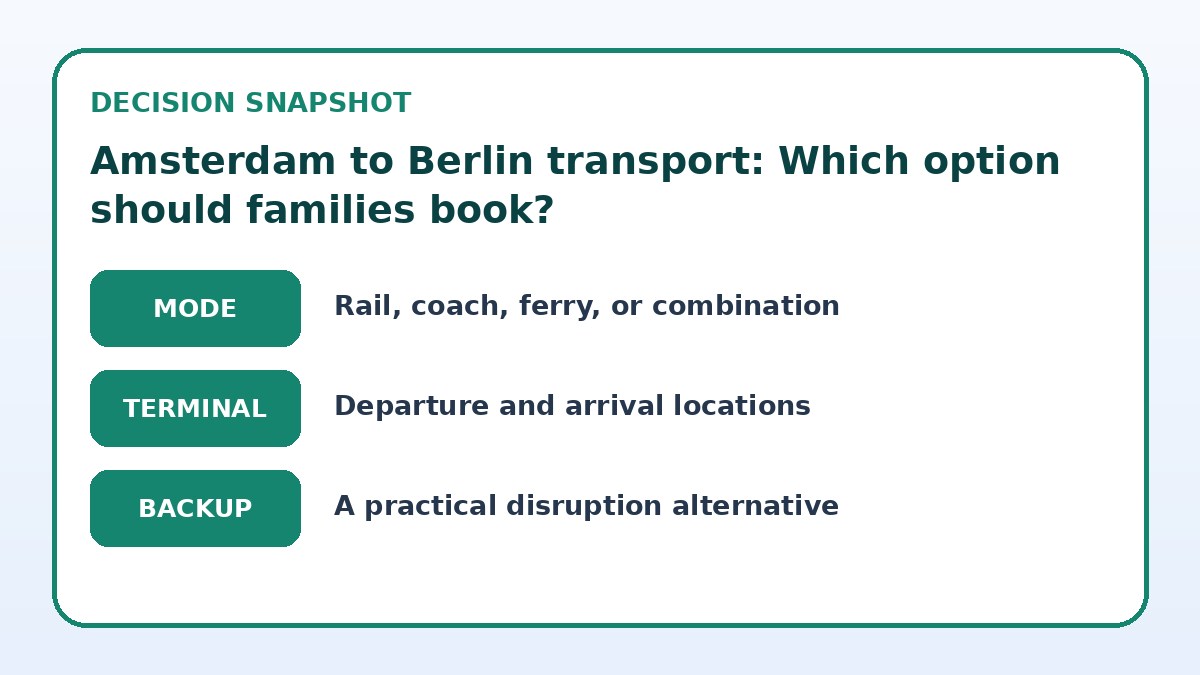
| Approach | Best for | Tradeoff to check |
|---|---|---|
| Train | Families wanting comfort, space, and city-center arrivals | May require transfers; fares rise closer to travel dates |
| Coach | Budget-conscious families willing to trade time for savings | Longer hours sitting and fewer onboard amenities |
| Driving | Families who want flexible stops and carry a lot of gear | Parking, driver fatigue, and cross-border rental rules to manage |
| Mixed modes (ferry/flight+rail) | Families seeking scenic routes or faster point-to-point travel | More transfers, luggage handling, and planning complexity |
Ready to check the option that fits your plan?
Use your exact dates and traveler details so the provider page can show the current total and conditions.
Driving and car hire: flexible itinerary, more planning required
Driving gives families the flexibility to stop for toilets, snacks, sightseeing, and naps whenever needed — a major advantage for those traveling with toddlers or children with special needs. You’ll control departure times and can split long stretches of road between drivers. However, driving between Amsterdam and Berlin brings responsibilities: planning rest stops, ensuring child seats meet local regulations, budgeting for fuel and tolls, and finding family-friendly parking at your destination. City-center parking in both Amsterdam and Berlin can be limited or expensive, so research parking near your accommodation before committing to driving.
If hiring a car, confirm child-seat availability and the rental company’s cross-border rules. Check insurance options and any additional charges for crossing borders. For extended road trips, plan for unpredictable traffic delays and add buffer time into your itinerary so delays don’t derail evening plans or check-ins. Consider combining driving with train segments if you prefer not to navigate busy urban centers — park-and-ride or stations with good parking can preserve flexibility while reducing city driving stress.
Before you book
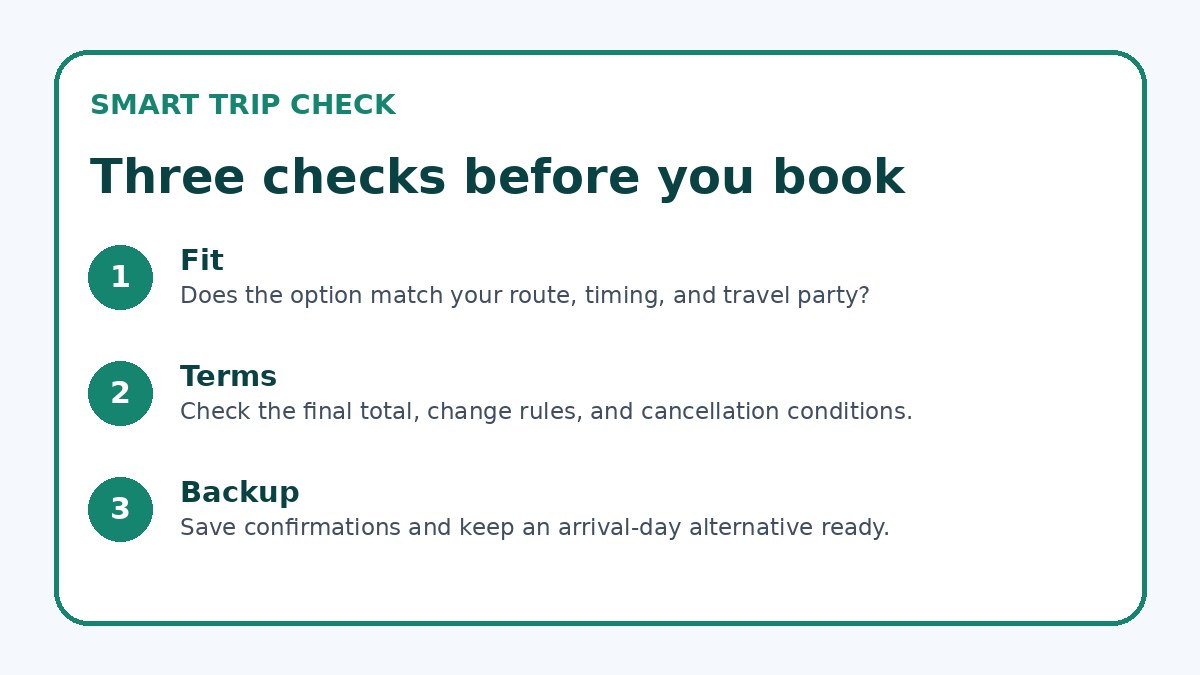
- Check whether your chosen carrier requires reserved seats for family groups and book them to sit together when possible.
- Confirm luggage allowances and baggage transfer rules for each leg, especially when combining different operators.
- Pack an easily accessible daypack with snacks, medicines, chargers, and a change of clothes for each child.
- Verify station, terminal, or port locations and plan local transfers so arrival times match hotel check-in windows.
- If driving or hiring a car, reserve appropriate child seats in advance and confirm cross-border insurance coverage.
- Allow generous connection buffers between services and avoid tight same-day transfers with young children.
Ferries, flights, and hybrids: when mixed modes make sense
There’s no direct ocean ferry between Amsterdam and Berlin, but families sometimes combine short flights, ferries, or regional trains to create scenic or faster routes. For example, a family might take a ferry from the Netherlands to Germany’s northern ports and continue by rail or car, or book a short flight then use trains to access Berlin. These mixed-mode options can be attractive for families who prioritize a specific experience or want to visit intermediate destinations. The trade-off is added complexity: extra transfers mean more luggage handling and higher chance of small scheduling hiccups.
When considering mixed modes, focus on connection times, baggage allowances across operators, and how many transfers your children can tolerate. Always confirm luggage rules and transfer baggage handling on each provider’s booking page, because airlines, ferries, and trains each have different policies. Factor in the time it takes to get between terminals or ports and station centers and choose connection buffers that are realistic with children in tow. Trip.com can be a starting point to compare availability, but verify all details directly with each operator before booking.
Frequently asked questions
Is a direct train available between Amsterdam and Berlin, and should I prefer it?
Direct services between Amsterdam and Berlin are offered at times, but some itineraries include changes. Direct trains reduce stress for families because there’s no platform-to-platform transfer or additional luggage reboarding. When comparing options, check each train’s route and whether a transfer is required. If a change is needed, look for simple station layouts and reasonable connection windows. Always verify the final timetable and seat reservation requirements on the operator’s booking page before you finalize plans.
How do I decide whether to drive or take public transport with children?
Start by listing priorities: control and sightseeing versus letting someone else navigate while you watch the kids. If you value frequent stops, easy luggage access, and visiting smaller towns en route, driving is appealing. If you’d rather avoid parking hassles, navigating foreign roads, and driver fatigue, trains or coaches let you relax and entertain the kids. Factor in total door-to-door time, parking availability at your Berlin accommodation, rental cross-border rules, and whether you can rotate drivers comfortably over the journey.
What should I check about transfers when combining different modes for this route?
For mixed-mode itineraries, confirm the following: minimum connection times that are realistic with children, the exact locations of terminals and stations, and whether baggage is checked through or must be collected and rechecked. Look at how you’ll move between a ferry terminal, airport, or train station — some require shuttle buses or local taxis. Also verify luggage size limits and fees across operators, and build in time for restroom breaks and meals. Check each operator’s booking page for their most current connection and baggage policies before booking.
Final planning note
Choosing how to travel from Amsterdam to Berlin with your family comes down to trade-offs between convenience, cost, flexibility, and how many transfers your children can tolerate. Trains generally offer the smoothest city-center experience and comfortable space for kids; coaches can save money at the expense of longer travel time; driving gives total flexibility but demands more planning; and mixed-mode routes can be scenic or quicker but require careful coordination. Use the checklist above, compare direct versus connecting options, and always verify seat reservations, luggage rules, and terminal locations on the providers’ booking pages. For a quick comparison of current options, you can browse aggregator sites like Trip.com, but finalize details with each operator before you book.
Continue planning
Check current options and final conditions
Use the provider page to confirm live availability, the final total, cancellation terms, and every condition that matters to your trip.
This evergreen planning guide was created with AI-assisted drafting and a structured quality review. It does not display live prices, schedules, availability, visa guidance, or provider rankings. Verify current details before booking. Some links are affiliate links; we may earn a commission at no additional cost to you.