If you’re traveling from Hanoi to Da Nang with heavy suitcases, sports gear, or bulky equipment, the single most practical choice is the option that minimizes repeated lifts and complicated transfers: pick the mode that delivers the smoothest door-to-door move, not just the fastest leg. That means weighing terminal access, luggage handling rules, how many times you’ll move your bags, and realistic backup plans for delays. For many people with extra luggage, a direct rail or a private transfer to an airport or station reduces friction; for others, a consolidated coach or a combination of a short flight plus hotel pickup works better. Read on to decide which approach meets your tolerance for handling loads, your schedule flexibility, and how much extra you want to avoid lifts and van-style shuffling.
Terminal fit and door-to-door practicality
Terminal fit means how well your origin and arrival points accept and move bulky luggage. When planning, map the precise pickup and drop-off addresses rather than assuming city-center stations or airports will be convenient. Check whether the station has level access from the street or requires stairs or long ramps. If you’re staying in a neighbourhood far from main terminals, an extra city transfer can add handling friction — arrange a single vehicle that takes you door-to-door when possible to avoid multiple bag lifts between transport modes.
For rail and coach terminals, inspect how luggage is loaded: is there portered service, a luggage compartment, or are bags typically stored in overhead racks? For flights, consider how many steps between curb and check-in or transfer desks you must negotiate with heavy gear. If you will be collecting checked items and re-checking them on a connecting service, estimate the time and effort required. The practical goal is to keep handoffs low: a slightly longer route with a single handover often beats a faster journey requiring repeated transfers.
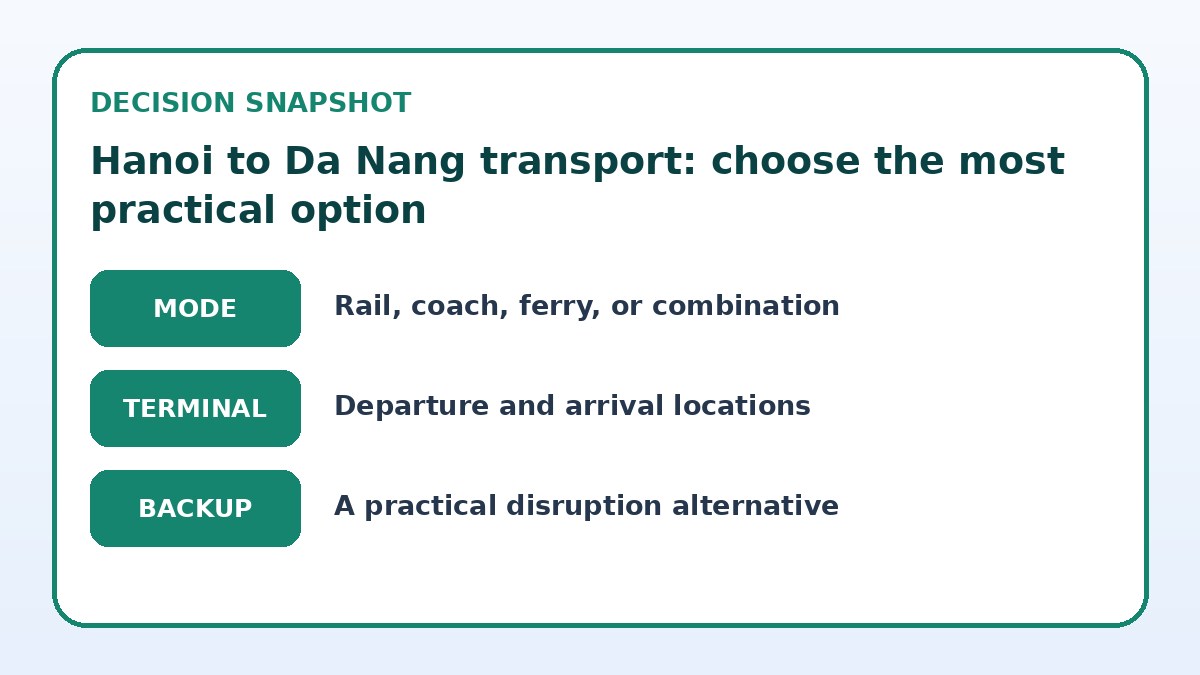
Choose the end-to-end journey plan
| Journey approach | Best for | Friction to check |
|---|---|---|
| Direct train (single ticket, fewer transfers) | Travelers who want to minimize bag handling and prefer level boarding and in-carriage storage. | May be slower than flying and could require getting to the station from non-central addresses. |
| Direct coach or sleeper coach (door-level stops) | Those on a budget or with bulky gear who want simple boarding and likely street-level luggage compartments. | Coaches can be affected by road traffic; vehicle types vary so check space for oversized items. |
| Flight with hotel or private transfer pickup | Travelers prioritizing speed and willing to pay for a single vehicle to move bags to final address. | Adds airport check-in and security steps; multiple handoffs possible if baggage must be collected and rechecked. |
| Mixed plan (flight or train plus pre-booked local transfer) | People needing both speed and a single final handover, such as business travelers with heavy equipment. | Requires more booking coordination and verification that transfer vehicle can handle your specific luggage. |
Check live intercity options
Look beyond the ride itself and compare terminals, transfers, luggage, and arrival fit.
Luggage and transfer friction: packing for fewer lifts
Think in terms of lifts: every time you move from a vehicle to terminal to hotel adds a chance of strain, damage, or delay. If possible, consolidate items into fewer, sturdier bags with wheels and reinforced straps. Use luggage covers, attach clear contact tags, and secure fragile items inside the largest piece so they aren’t handled separately. If you must carry a second bag like a bicycle case or sports kit, consider a courier service from your Hanoi address to your Da Nang accommodation; while that adds cost, it removes repeated handling and waiting at terminals.
Plan transfers with realistic manpower: if you have a mobility challenge or oversized items, book assistance at the station or airport in advance and verify where staff meet you curbside. For coach and private transfer options, ask the operator about vehicle types and whether they can accommodate long suitcases without bending or stacking them. For rail travel, check whether the class of carriage includes a dedicated luggage area where a staff member can help store and retrieve bulky pieces to avoid awkward maneuvers at stops.
Timing flexibility and choosing between speed and fewer handoffs
Decide how much you value arrival speed versus fewer bag moves. A faster flight may save hours but often requires arriving at a busy airport earlier, handling check-in and security, and possibly re-checking luggage if you mix modes. A direct rail service typically means less stringent check-in procedures and room for larger items in dedicated storage, reducing time spent handling luggage at each end. If your schedule is flexible and you want smoother handling, prioritize options with minimal transfers even if travel time is longer.
If you must meet a tight onward connection or have appointments soon after arrival, favour choices with predictable, single-point handoffs. Make contingency allowances: buffer extra time for loading and unloading, factor in rush-hour traffic to and from terminals, and leave margin for staff inspections or required repacking. Always compare door-to-door travel time — including transfers to accommodation — rather than in-transit hours alone when deciding what to book.
Compare the practical alternatives
Use the final page to confirm what is actually offered on your dates and save a workable fallback.
Intercity travel checklist
- Measure and photograph every bulky item and note dimensions to confirm vehicle and carrier capacity before booking.
- Contact your chosen provider to verify oversized luggage policies and whether advance notice or extra fees apply.
- Arrange a single door-to-door transfer where possible to eliminate repeated lifts between terminals and accommodation.
- Build buffer time into your itinerary for loading, unloading, and possible repacking between segments.
- Pack fragile items inside hard-shell cases and label them with contact details and destination address.
- Save contact numbers for local taxis and a short-notice private transfer in Da Nang as a disruption backup.
Disruption backup and what to verify before booking
Every practical plan needs a disruption backup. Identify local taxi or private transfer services in Da Nang that can be booked on short notice and confirm whether they can carry your specific luggage dimensions. If you choose a train or coach, learn the station’s assistance policies and find a nearby luggage storage or handling service. For flights, know the airline’s baggage reclaim and missed-connection policies. Keep digital copies of reservations and photos of your packed items to simplify claims if something is damaged in transit.
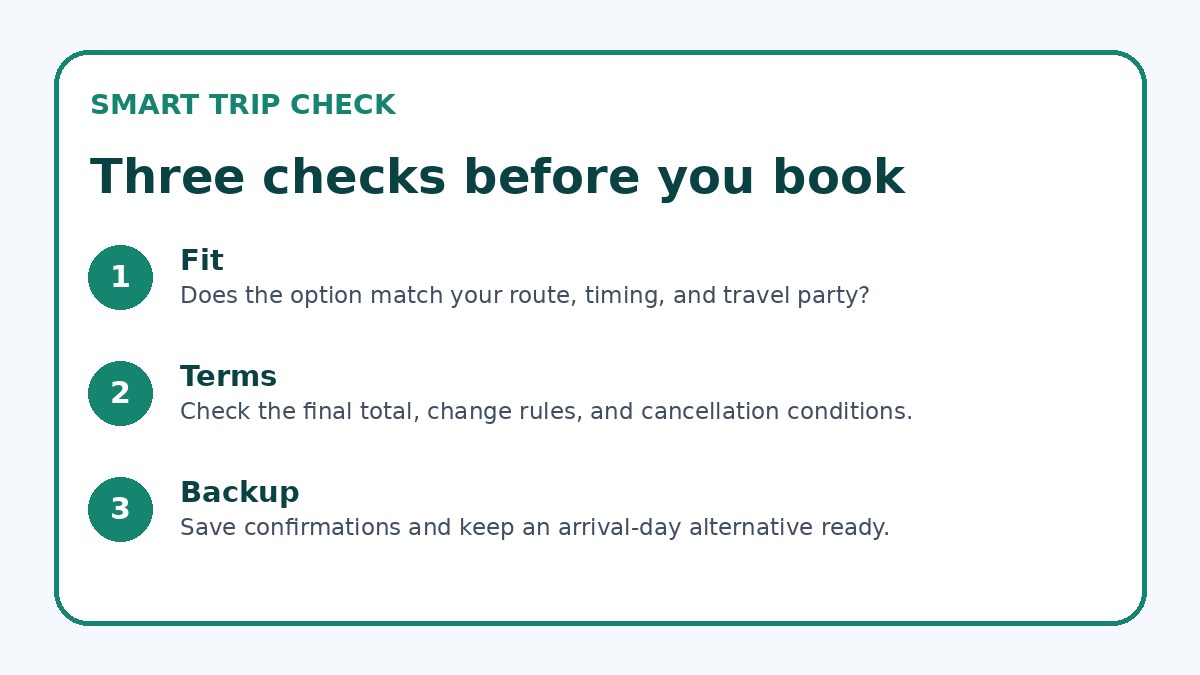
Before booking, verify key provider details on the booking page: baggage size and weight allowances, whether large items require advance notice, vehicle dimensions for private transfers, and the exact pickup/drop-off addresses. If you use an intermediary site like Trip.com, use it only to compare availability and then confirm the provider’s final terms on their official page. For combined itineraries, ensure baggage rules align across segments so you won’t need to collect and re-check bags mid-route.
Rail & Intercity Transport questions travelers ask
Can I bring very large items (like sports equipment) on trains or coaches between Hanoi and Da Nang?
Many intercity trains and coaches accept large items, but rules and storage configurations vary. Before booking, ask the operator how oversized pieces are stored and whether they require advance notice. Confirm whether you must carry the item on board or if it goes in an external compartment. If the operator needs prior approval, request written confirmation. For delicate gear, consider hiring a specialised courier or booking a private vehicle to avoid multiple lifts and potential damage during transfers.
Is it better to book a private transfer from my Hanoi home to my Da Nang hotel when carrying extra luggage?
A private transfer reduces bag handling because it moves you door-to-door without intermediate re-handling. This is often the most practical solution for very heavy or fragile loads. Weigh the convenience against cost and traffic risks; also verify vehicle dimensions and how your luggage will be stowed. Keep written confirmation that the vehicle can accommodate your items, and have a disruption backup like a local taxi or courier if the booked vehicle is unsuitable upon arrival.
How should I prepare for transfers if my itinerary mixes a flight with rail or coach legs?
When combining modes, verify baggage transfer rules for each segment so you don’t need to collect and re-check bags unexpectedly. Allow extra time at each interchange: airport security and check-in can be time-consuming with bulky items. Check where ground staff meet passengers and whether there’s curbside assistance. If the itinerary requires collecting baggage, repack urgent items in a carry-on to avoid missing essentials during the exchange. Finally, confirm local transfer pickup points and have a phone number for the driver.
Final decision note
For travelers with extra luggage on the Hanoi to Da Nang route, the most practical choice emphasizes fewer handoffs and clear terminal access over shaving travel time. A direct train or coach often keeps handling simple, while a flight paired with a pre-booked transfer can save time but adds check-in steps. Whichever mode you choose, verify luggage dimensions and handling policies on the provider’s booking page, arrange door-to-door pickup where possible, and prepare a disruption backup. Prioritise plans that keep your bags in as few hands and as few moves as possible — that is the truest measure of practicality for bulky-luggage travel.
Continue planning
Check current options and final conditions
Use the provider page to confirm live availability, the final total, cancellation terms, and every condition that matters to your trip.
This evergreen planning guide was created with AI-assisted drafting and a structured quality review. It does not display live prices, schedules, availability, visa guidance, or provider rankings. Verify current details before booking. Some links are affiliate links; we may earn a commission at no additional cost to you.