If you’re visiting Auckland for the first time, the single most practical move is to compare several nearby date options before booking flights, hotels, or a package. Flexible dates—shifting by a few days or choosing weekday travel—often reveals different combinations of itineraries, connection patterns, room types, and cancellation rules. Start by identifying the fixed constraints in your trip (nonnegotiable meetings, events, or school dates) and the variable elements (arrival day, departure day, length of stay). Then run side-by-side comparisons of the exact same travelers, inclusions, and cancellation conditions. That disciplined approach prevents natural-looking but misleading savings and makes it easier to choose a package or separate bookings that match your tolerance for change, refundability, and convenience.
Test package value fairly
| Booking approach | Best for | Tradeoff to check |
|---|---|---|
| Bundled flight + hotel package | Travelers seeking one checkout and basic convenience when dates are fixed and inclusions match needs. | May tie multiple components to a single restrictive cancellation policy and hide per-item fees unless inspected. |
| Separate flight and hotel bookings | Travelers who want maximum control over each element and the ability to mix suppliers for value or flexibility. | Requires more time to compare identical inclusions and manage separate change processes if plans shift. |
| Package with flexible fare or refundable options | First-time visitors who need flexibility and prefer simplified service with fewer headache points on changes. | Flexible fares or refundable rooms often cost more upfront and can reduce apparent savings compared with nonrefundable bundles. |
| Hybrid approach: book flight separately, pick hotel from package options | Travelers who want a preferred flight routing while leveraging bundled hotel amenities or activities. | Can produce partial protection but may complicate refunds and require matching cancellation windows across providers. |
Check current package and separate options
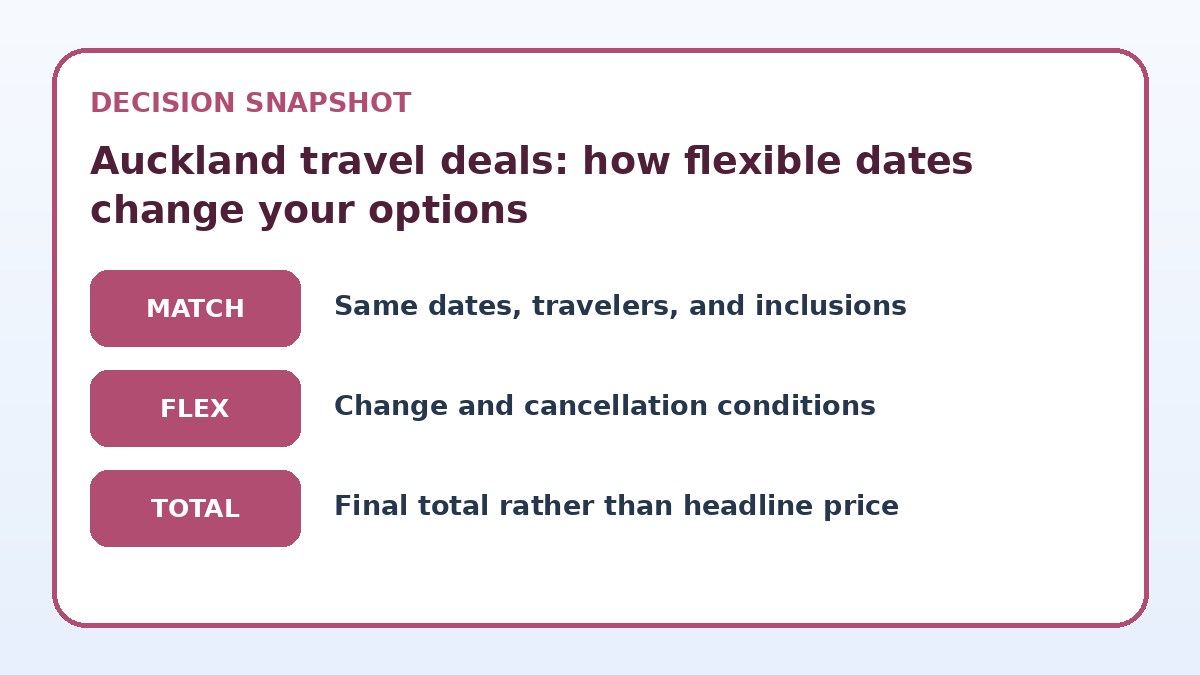
Use identical dates, travelers, room needs, baggage, and flexibility so the comparison stays meaningful.
What to compare before judging a package
Before you can decide if a bundle (flight + hotel or flight + hotel + car) is worth it, compare identical elements for both the package and separate bookings. That means matching the same calendar dates, number of travelers, luggage allowances, seat/cabin class, and the same room type at the hotel. Don’t ignore ancillary items that matter to you—airport transfers, included activities, breakfast, or early check-in—because a package that looks cheaper on headline fare may exclude the exact convenience you wanted.
Also verify the change and cancellation policies that apply to each part of the booking. Some packages lock multiple suppliers under a single non-refundable term; others allow component-level changes. On the provider’s final booking page, confirm whether fees are per passenger or per reservation, how refunds are handled, and whether name changes, routing changes, or schedule disruptions trigger special rules. These details usually determine the real value of a bundle for first-time visitors who may need greater flexibility.
Inclusions: what actually adds value for first-timers
For a first visit to Auckland, inclusions like airport transfers, a welcomed breakfast, or a city orientation tour can reduce first-day friction and make a package feel worthwhile. But inclusions only add true value when they replace what you would otherwise buy at similar quality and cost. For example, a transfer bundled at a high mark-up won’t help if you’d prefer a private ride or can access inexpensive public transport. Compare the bundled component to standalone options — same supplier if possible — to determine if convenience or price matters more.
Consider the timing and reliability of included services. If the flight arrives late, an included tour scheduled for the arrival day may be unusable. Confirm on the booking page whether transfers wait for delayed arrivals, how changes to flight time affect onward services, and whether unused inclusions are refundable or credited. For many first-time visitors, paying a bit more for flexibility and reliable timing is preferable to a strict bundle that saves money only in ideal circumstances.
Look past the headline total
Compare inclusions and change conditions before deciding whether a package is genuinely useful for this trip.
Deal comparison checklist
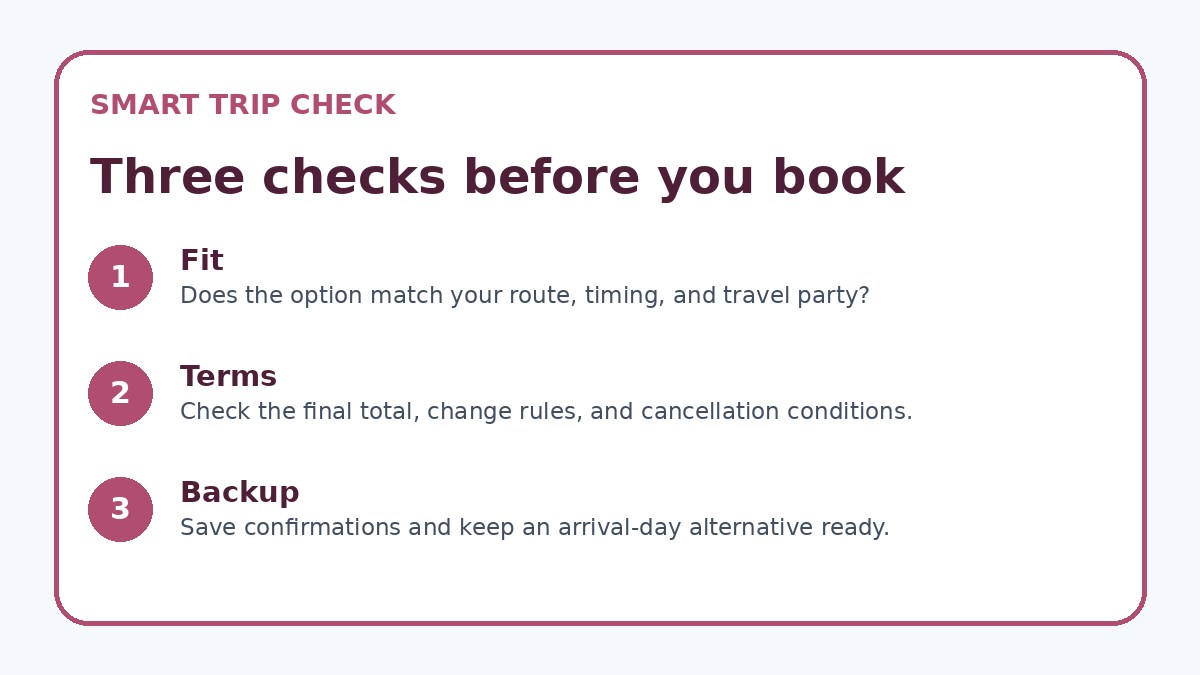
- Lock in your immovable dates first (work/events) before testing nearby flexible dates to compare options accurately.
- Run side-by-side comparisons using the exact same traveler count, cabin/class, and room occupancy to avoid false savings.
- On the booking page, read the cancellation and change policy for each component and note whether refunds are cash or credit.
- Check baggage, seat selection, and transfer waiting rules on the supplier’s final confirmation screen before paying.
- If a package includes activities, verify their scheduled times and whether they can be rescheduled without penalty.
- Document supplier contact details and the supplier-of-record for each booking component in case you must rebook or claim.
Flexibility and traveler-specific value
Different travelers value flexibility differently. Solo travelers or those with tight work schedules often prioritize refundable fares and flexible hotel cancellation because a single delay or change can derail the trip. Families with school-age children or travelers with mobility needs might prefer the predictability of a bundled transfer and centrally located accommodation—even if it means accepting stricter change rules—because it reduces stress on arrival. Identify which risks you can tolerate: schedule changes, higher change fees, or the inconvenience of rebooking separate components.
When testing flexible dates, run comparisons that keep your core constraints fixed and vary only the arrival/departure by a small window. That will show how price and availability move without introducing confounding changes. If the cheapest option requires a long overnight connection or very early arrival, weigh whether the savings offset the travel fatigue and possible additional hotel nights. For first-time visitors, a slightly higher outlay for a simpler, more reliable routing often yields more travel value than the lowest headline fare.
Final terms to verify on the provider’s page
Always verify the final terms on the supplier’s booking page before you commit. Confirm exactly which cancellation and change fees apply, whether refunds are credited back as a voucher or to the original payment method, and the timeline for filing a claim. If a package combines multiple suppliers, check whether the supplier of record handles changes for all components or whether you must contact each provider separately. That distinction affects how quickly you can rebook if plans shift.
Also look for specifics that often change: baggage allowance per passenger, seat selection costs, check-in requirements, and blackout dates for included services. For hotels, confirm the exact room category, occupancy rules, and any mandatory resort or local fees that may be charged at check-in. If you see a reference to Trip.com in your comparisons, use it as one place to check current availability and the fine print, but verify all actionable terms on the supplier’s official booking page before finalizing.
Travel Deals & Booking Strategy questions travelers ask
How many days of flexibility should I test when looking for better Auckland travel deals?
Test a window of about three days before and after your preferred arrival and departure to see how prices and routes change. For flights, small shifts can alter connection patterns and fare classes; for hotels, moving a night or two can avoid minimum-stay rules or peak dates. Keep your core constraints fixed while you vary only the travel dates so comparisons remain apples-to-apples. If you find a promising option, recheck the final supplier page for exact terms before booking.
Should I trust the bundled package price if it looks cheaper than booking separately?
Not automatically. Confirm that the bundle matches the same dates, traveler details, baggage rules, seat class, and room type you would get separately. Cheaper bundled prices sometimes achieve savings by applying stricter cancellation rules, lower baggage allowances, or different room categories. Check the provider’s final booking page for all inclusions, fees, and change policies. Only after verifying these identical conditions can you judge whether the bundle represents real value for your trip.
When is it better to prioritize flexibility over the lowest headline fare for a first trip to Auckland?
Prioritize flexibility if your travel dates might change, you’re traveling with children or dependents, or you want predictable arrival logistics such as included transfers. Also choose flexible options if long connections or overnight layovers in cheaper itineraries would reduce enjoyment or add hidden costs. For a first-time visitor, a slightly higher fare with straightforward change rules and refundable hotel nights can save time and stress, and often proves more valuable than a marginally lower, restrictive fare.
Final decision note
For first-time visitors to Auckland, flexible dates are a practical lever to increase choice and reduce risk—but only if you compare like with like. Start by fixing immovable constraints, then run date-shift comparisons that keep traveler counts, cabin/room categories, and inclusions identical. Inspect the supplier’s final booking page for cancellation rules, baggage and transfer terms, and whether refunds are cash or vouchers. Use the package-versus-separate framework above to decide whether convenience outweighs potential restrictions. When in doubt, pay a little more for straightforward, changeable terms — it often saves time and worry during your first visit.
Continue planning
Check current options and final conditions
Use the provider page to confirm live availability, the final total, cancellation terms, and every condition that matters to your trip.
This evergreen planning guide was created with AI-assisted drafting and a structured quality review. It does not display live prices, schedules, availability, visa guidance, or provider rankings. Verify current details before booking. Some links are affiliate links; we may earn a commission at no additional cost to you.