Practical answer first: most first-time visitors should not rent a car for central Rome. The historic center is compact, best explored on foot, by metro, bus, and short taxis; traffic, parking limits, and restricted zones make driving slow and costly. A rental can be useful if your trip includes day trips to remote Lazio towns, rural Umbrian escapes, or a tight schedule of multiple sites outside the city.
Use this guide to weigh the tradeoffs clearly: when a car adds freedom, where it creates hassle, what to compare when booking, and which alternatives to arrange instead. If you do rent, I’ll tell you exactly what to verify on the booking page and how to adjust your plan so the car is an asset, not a headache.
Why a rental often isn’t worth it for central Rome
Rome’s core is designed for people walking between sites: ancient neighborhoods, bounded piazzas, and pedestrianized streets. Driving in the center can be slow because traffic moves unpredictably, and many streets are one-way or congested. More importantly, much of the historic center is a restricted traffic area (ZTL) where unauthorized entry leads to fines. Even experienced drivers find it stressful to navigate these rules while trying to enjoy the city.
Parking is another frequent pain point. Public parking spaces in central Rome are limited, often paid, and can require difficult maneuvers in tight areas. Hotels in the central districts frequently cannot guarantee a private parking spot; some charge for valet or use distant garages. For a first-time visitor, these practical downsides convert driving from convenience into an ongoing logistical task that eats into sightseeing time.
When renting a car makes sense for your Rome trip
A rental pays off if your plan centers on destinations outside Rome that are poorly served by trains or buses: remote Lazio villages, small wineries, or flexible touring of multiple rural towns in a short span. If your schedule includes early departures or late returns where public transport is sparse, having a car gives control and may save time. Also consider groups with luggage or travelers who prefer door-to-door flexibility—driving can be more comfortable and efficient in those cases.
Another valid scenario is a mixed trip: spend several days without a car in central Rome to enjoy the walkable sights, then pick up a rental at a major station or the airport for a few days to explore the countryside. That approach avoids city parking headaches while letting you use a car where it matters. Weigh the added cost and time of picking up and dropping off against the convenience you expect to gain outside the city.

| Approach | Best for | Tradeoff to check |
|---|---|---|
| No rental (public transport, walking, taxis) | Visitors staying in central Rome who want hassle-free sightseeing. | Less flexibility for remote day trips and luggage transfers. |
| Full-trip rental (car for all days) | Travelers with itineraries focused on rural Lazio, Umbria, or multiple towns. | City driving, parking, ZTL restrictions, and additional costs in Rome. |
| Hybrid rental (base in city, rent for select days) | First-time visitors who want both central convenience and countryside freedom. | Extra time to pick up/drop off and potential one-way fees. |
| Guided day trips or private transfers | Those who want organized visits outside Rome without driving themselves. | Less spontaneous control over timing and route than self-driving. |
How to compare rental options and what to verify
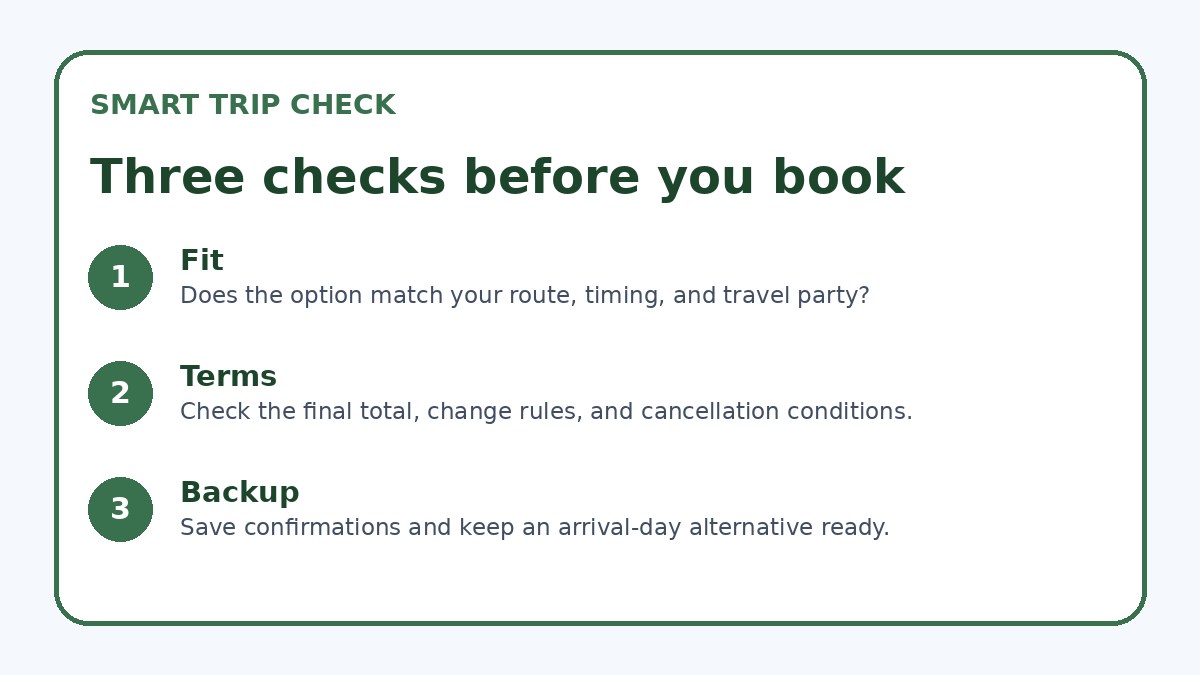
When comparing Rome car rental offers, read the booking page carefully for insurance coverage, excess (deductible) amounts, cross-border rules if you plan to drive to another country, fuel policy, and mileage limits. Also confirm the pickup and drop-off locations: airport counters are convenient but may include surcharges; station locations may be easier if you’re arriving by train. Check the vehicle class against your luggage needs and how many passengers will be traveling.
Verify how additional drivers are handled and what documentation is required: some providers need an International Driving Permit in addition to your national license. Inspect the fine print about damage reporting and the process for handling tolls or traffic fines—providers sometimes charge administrative fees for processing local penalties. If anything is unclear, contact the provider before finalizing the booking. You can compare current availability and conditions on Trip.com as one option, but always confirm provider policies on the booking page.
Before you book
- Map your itinerary and mark which days, if any, require door-to-door driving beyond Rome’s ring road.
- Check for ZTL zones near your planned accommodation and ask the hotel about parking options and costs.
- Compare rental pickup locations (airport vs city desk) and any associated surcharges before booking.
- Confirm insurance details, excess amounts, fuel policy, and whether an International Driving Permit is needed.
- Estimate parking costs and likely parking locations for each night you’d keep the car in Rome.
- Plan a test route: use offline maps to time a realistic drive from your base to the furthest planned day-trip destination.
Alternatives and practical tips for getting around Rome
Public transport in Rome—metro lines, buses, trams, and regional trains—covers most tourist needs and often gets you close to major sites quickly. Taxis and app-based ride services handle last-mile trips and late-night travel. For neighborhoods where public transport is limited, consider guided day tours or private transfers that include pickups and drop-offs, which can replace the need for your own vehicle on day trips.
If you decide against driving, choose accommodation near a metro stop or within walking distance of the main sights to minimize daily transit time. For countryside excursions, look into organized day trips or rent a car only for specific days, picking up and returning it at an airport or a well-located rental desk. This hybrid approach reduces city stress while preserving flexibility for exploring beyond Rome.
Frequently asked questions
Can I drive into Rome’s historic center with a rental car?
You can drive into parts of Rome, but much of the historic center is within restricted traffic zones (ZTL) enforced by cameras. Unauthorized entry typically results in fines issued to the vehicle’s renter. If you must reach a hotel or garage inside a ZTL, confirm with your accommodation whether they can register your car plate to avoid penalties, and ask the rental provider about procedures. Always verify ZTL maps and rules on official city pages before driving into the center.
Is it easy to find parking near major attractions like the Colosseum or Vatican?
Public parking near major attractions is limited and often paid. Some areas have on-street metered parking; others rely on private garages that may be some walking distance away. Hotels sometimes offer valet or garage access but may not guarantee immediate availability or may charge for the service. For stress-free sightseeing, plan to park outside the central core or use public transport and reserve car use for excursions beyond the city.
How do I balance cost and convenience when choosing where to pick up a rental car?
Airport pickups are convenient for early departures and trips starting outside the city but can include higher supplier surcharges and busier counters. City or station pickups may be closer to central accommodations and reduce one-way fees, but desk hours and fleet availability can vary. When comparing options, check for collection hours, possible extra fees for late returns, and whether on-site inspection and insurance checks are clearly explained on the provider’s booking page before you commit.
Final planning note
For most first-time visitors, skipping a rental while staying in central Rome reduces stress and saves time. The city’s compact layout, strong public transport, and walking-friendly neighborhoods make a car more burden than benefit. Rent only when your plan centers on destinations beyond Rome’s convenient transit reach or when group logistics and luggage require door-to-door flexibility. If you do hire a car, pick it up outside the core or use a hybrid approach: enjoy the city car-free, then rent for targeted days. Finally, always verify insurance, ZTL rules, pickup/drop-off locations, and any driver documentation requirements on the rental provider’s booking page before you finalize a reservation.
Continue planning
Check current options and final conditions
Use the provider page to confirm live availability, the final total, cancellation terms, and every condition that matters to your trip.
This evergreen planning guide was created with AI-assisted drafting and a structured quality review. It does not display live prices, schedules, availability, visa guidance, or provider rankings. Verify current details before booking. Some links are affiliate links; we may earn a commission at no additional cost to you.