
If you’re traveling solo to Honolulu, the practical step before you tap “book” is to calculate the full trip cost—not just the headline fare or nightly rate. Many decisions that seem small on the booking page add up: luggage fees, transfers, island excursions, and meals can double what you expected. Start by listing fixed costs (flight, hotel), variable costs you can estimate (meals, taxis, short tours), and one-off items (travel insurance, gear, COVID tests if required). Use a simple spreadsheet or a travel-cost app to compare combined scenarios—budget, midrange, and activity-heavy. This process helps you decide whether to accept a slightly higher fare with better cancellation terms or reduce activities to match your budget. Below I’ll walk through the main cost categories, what to check on provider pages, decision tradeoffs, and a ready checklist so you can evaluate Honolulu travel deals with confidence.
See current options before you compare the details
Availability and final conditions change. Open Trip.com now or keep reading for the practical comparison.
Build a complete budget: categories to include
Start by listing every cost category for your Honolulu trip. Include flights, checked or carry-on baggage fees, seat selection, and possible upgrade fees. For lodging, record nightly rate, resort fees (if any), taxes, and whether the property charges for Wi‑Fi or self-parking. Add ground transport: airport transfer, rideshares, taxi fares for evenings, and any rental car base rate, plus estimated fuel and parking. Finally, budget for meals, snacks, groceries if you plan to self-cater, tour or attraction costs, and a contingency fund for emergencies. Treatment of taxes and mandatory fees varies by provider; verify them on the final booking page before you commit.
Separate one-off costs from daily expenses. One-offs include travel insurance, gear you must buy, activity deposits, COVID tests if required, and the cost of any required permits or special equipment for activities like snorkeling or guided hikes. For recurring costs, set a conservative per-day spending figure based on whether you want to eat mostly casual plate lunches, midrange restaurants, or occasional splurges. Keeping these figures distinct makes it easier to model three scenarios—basic, balanced, and activity-focused—so you can see how different choices affect the total trip cost.
Flights and connections: what to compare on booking pages
When comparing Honolulu travel deals for flights, don’t focus only on the headline fare. Check baggage allowances (carry-on versus checked), change and cancellation terms, and whether the fare includes seat selection. If a connecting itinerary appears cheaper, weigh the risks of tight connections and the value of a longer layover if you prefer more buffer time. For multi-airline or codeshare itineraries, verify on the airline’s booking page who handles baggage and who is responsible for rebooking in case of disruption. Also check if the provider charges for payment methods or third-party booking fees on the final checkout screen.
Consider time-of-day and arrival logistics. Late-night arrivals may force a paid hotel night or late transfer, while early arrivals can mean an extra day of activities or a higher first-day spend on cafés and luggage storage. If you’re choosing between a cheaper indirect flight and a costlier direct or single-connection option, total cost includes potential overnight stays caused by long connections, extra transit between airports, and your time value. List these tradeoffs and add their likely costs to each flight option before deciding.
| Approach | Best for | Tradeoff to check |
|---|---|---|
| Book lowest headline airfare and cut activities | Budget-first travelers willing to reduce on-site spending | Lower upfront cost but higher risk of disappointing experience due to fewer paid activities |
| Pay more for flexible flight/hotel terms | Travelers valuing schedule flexibility and reduced stress | Higher upfront expense that protects against change fees and last-minute cancellations |
| Stay centrally to save transport time | Solo travelers who prioritize convenience and safety returning late | Higher nightly rate that may be offset by lower daily transport spending |
| Self-cater with a short-term rental | Travelers wanting lower daily food costs and longer stays | May incur cleaning fees and less flexible cancellation terms than hotels |
Ready to check the option that fits your plan?
Use your exact dates and traveler details so the provider page can show the current total and conditions.
Lodging and location: save money by balancing convenience
For solo travelers, location matters as much as nightly rate. A lower nightly price farther from central Waikiki or popular beaches may require daily rideshare trips or longer transit times to restaurants and evening events. Conversely, staying near the main activity areas can reduce transport costs and give you more flexibility to rest between outings—valuable when traveling alone. When researching properties, verify any additional resort fees, deposit policies, and the check-in/check-out flexibility on the provider’s final booking page. Also check whether the property charges for basic services you’ll need, such as luggage storage for early arrivals or late departures.
If you’re considering a short-term rental instead of a hotel, compare what’s included: kitchen access can lower food costs, but some properties add cleaning fees or strict rules that may affect your schedule. Read reviews for noise and safety specifics and confirm cancellation terms directly with the booking provider. For longer stays, hotels sometimes offer weekly rates or package deals that bundle parking or Wi‑Fi—verify these savings against daily rental costs and factor in any nonrefundable deposits that reduce flexibility.
Before you book
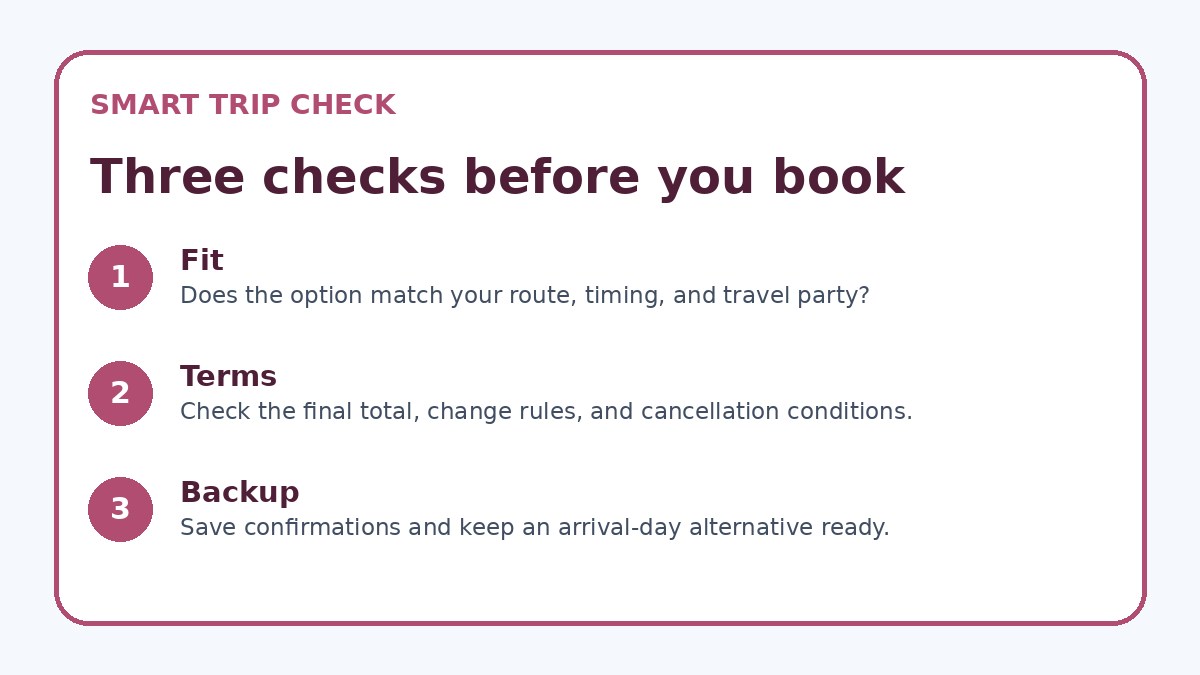
- Calculate flight total: base fare + baggage fees + seat selection + likely change fee; verify these on the airline’s final booking page.
- Add first-day costs: airport transfer or taxi, first night’s meals, and any early- check-in or luggage storage fees.
- Confirm lodging total: nightly rate × nights + taxes + resort or service fees; check cancellation policy and deposit requirement.
- Estimate daily budget: realistic per-day amount for meals, local transport, and one paid activity; multiply by trip length.
- Include one-offs and contingency: travel insurance, equipment rental, activity deposits, and a 10–20% emergency buffer.
- Compare combined scenarios (budget, balanced, activity-focused) in a simple spreadsheet to see the true out-the-door cost.
Activities, transport and hidden extras to plan for
Plan the activities you care about first—snorkel trips, hiking tours, cultural experiences, or a Pearl Harbor visit—and estimate realistic costs for each. Many activities require transport, rental gear, or permits; those add-on costs are often visible only at the final booking stage. For popular tours, check the cancellation window and whether deposits are refundable. If you arrange island-hopping or inter-island flights, compare total door-to-door time and all taxes and baggage rules before deciding; verify specifics on the provider’s confirmation page.
Local transport decisions matter for solo travelers: decide whether you’ll rely on rideshares, public transit, or a rental car. Rideshares can look inexpensive for short hops but become costly with frequent trips, especially during events or weekends. Rental cars add insurance, fuel, and parking costs—confirm daily rates and insurance options on the rental company’s checkout page. Also plan a modest contingency buffer for tips, small medical needs, or last-minute changes; a 10–20% contingency on top of your calculated total is a practical safety net.
Frequently asked questions
How much should a solo traveler budget per day in Honolulu for food and activities?
Daily budgets vary by travel style. A conservative method is to set three scenarios: basic (mostly groceries and casual meals), moderate (mix of casual restaurants and occasional sit-down dinner), and active (frequent paid tours and nights out). Estimate a realistic per-day amount for each scenario based on where you plan to eat and the number of paid activities. Multiply by the trip length and add transport and contingency to see which scenario fits your total budget.
Should I prebook tours and transfers before I arrive in Honolulu?
Prebooking popular tours and airport transfers reduces the risk of sold-out activities and can lock in cancellation terms, which is useful for solo travelers who value certainty. However, prebooking reduces flexibility and may incur nonrefundable deposits. If you prefer spontaneity, prebook only must-do activities and arrange other experiences locally. Always verify cancellation policies, meeting points, and included extras on the provider’s final booking page before paying.
Is renting a car worth it for a solo trip to Honolulu or should I rely on rideshares?
Deciding between a rental car and rideshares depends on your itinerary. If you plan many day trips that require flexibility—exploring the island’s west or north shores—a rental can be more economical and convenient despite added insurance and parking costs. If you’re staying mainly in the Waikiki area and plan a few guided tours, rideshares and public transit can be cheaper and avoid parking hassles. Before booking a rental, confirm total charges, insurance options, and parking costs on the rental company’s checkout.
Final planning note
For a solo traveler, the best Honolulu travel deal is the one where the true cost is transparent and aligns with your comfort level for flexibility and activities. Don’t let a low headline fare or nightly rate shortcut your decision—add baggage, transfers, taxes, resort fees, food, tours, and a contingency buffer to get the full picture. Use the comparison approach here to weigh location versus price, flexibility versus savings, and daily spending versus prepaid experiences. Verify all fees and cancellation rules on provider checkout pages before booking. With a clear combined cost, you’ll book confidently and enjoy your time in Honolulu without unexpected bills.
Continue planning
Check current options and final conditions
Use the provider page to confirm live availability, the final total, cancellation terms, and every condition that matters to your trip.
This evergreen planning guide was created with AI-assisted drafting and a structured quality review. It does not display live prices, schedules, availability, visa guidance, or provider rankings. Verify current details before booking. Some links are affiliate links; we may earn a commission at no additional cost to you.