If your family wants more space, calmer beaches, and easier bookings in Honolulu, aim for the island’s shoulder seasons rather than peak summer or major holiday weeks. Shoulder-season planning means choosing travel windows just before or after the busiest months so you can find more family-friendly accommodation options, better slot availability for tours and activities, and more flexible daily pacing. This approach also helps you weigh weather risk, school schedules, and flight routing trade-offs. Below you’ll find concrete steps to compare flights and hotels, decide which neighborhood suits your children’s needs, and build a flexible itinerary that handles a rainy afternoon without blowing your plans. I’ll also explain what to verify on airline and hotel pages before you commit, and how to use those checks to make a confident family booking.
See current options before you compare the details
Availability and final conditions change. Open Trip.com now or keep reading for the practical comparison.
Which dates count as shoulder seasons and why families benefit
For family travelers, shoulder seasons are narrow windows that fall outside high-summer and major holiday peaks. These windows vary by school schedules, airline networks, and local events, so you should map them to your family’s constraints: school breaks, parent work calendars, and any medical or mobility needs. The benefits for families often include more room-category availability, quieter beaches in the mornings, shorter waits at family attractions, and easier table bookings for evening meals. Those quieter rhythms let you keep toddlers’ naps intact and let older kids recover from travel without the sensory overload of peak crowds.
Tradeoffs matter: shoulder-season weather can be more variable than peak dry months, and some hotel amenities or tour schedules may scale down outside busy periods. That’s why families should prioritize flexibility clauses—free changes or low-fee adjustments—when available, and confirm which attractions operate daily. Also check how seasonal ferry, snorkeling, or park services change; some family-focused operators reduce frequency when demand drops. The goal is to lock in the calmer experience you want while keeping contingency options for weather and timing changes.
How to compare flight options for family comfort
When searching for Honolulu travel deals, compare flights on total door-to-door time, number and length of connections, and schedule alignment with children's sleep patterns. A slightly longer itinerary that departs late at night or arrives in the early evening may be easier on young children than a tight early-morning connection. Look beyond headline fares: verify baggage allowances for car seats or strollers and whether assigned seats are guaranteed. If you’re using miles or points, confirm award seat rules and potential change fees on the carrier’s booking page before transferring or committing balances.
Also weigh the benefits of direct versus connecting flights if both are offered: direct still reduces connection stress but can be more expensive or timed poorly for kids’ routines. For connecting itineraries, choose layover lengths that allow a relaxed transition rather than a sprint; long layovers can become a break if the airport has family lounges or play areas. Finally, check cancellation and rebooking policies closely on the airline’s final booking page—these terms determine how easily you can adapt if a child falls ill or school plans shift.
| Approach | Best for | Tradeoff to check |
|---|---|---|
| Book early in the shoulder window | Families needing specific room types or adjoining rooms | Locks dates sooner and may limit flexibility if school or health plans change |
| Wait for last-minute shoulder deals | Flexible families who can travel on short notice | Risk of reduced room choice and fewer child-focused amenities |
| Prioritize direct flights | Families with very young children or limited mobility | Often higher fares and less timing flexibility around school schedules |
| Choose midweek travel within the shoulder season | Families wanting lower crowds and calmer arrival/departure days | May conflict with school commitments and require remote work leave adjustments |
Ready to check the option that fits your plan?
Use your exact dates and traveler details so the provider page can show the current total and conditions.
Picking where to stay: neighborhoods and family priorities
Honolulu neighborhoods vary in pace and family conveniences, so decide which priorities matter most: walkable grocery and pharmacy access, proximity to calmer beaches, or being in the middle of hotel strips with easy tour pickup. For families, beach calmness and safe swim conditions will often outweigh being steps from nightlife. Consider accommodations with kitchenettes or suites to simplify meals and late-night routines. Confirm laundry availability, stroller access between reception and rooms, and whether cribs or rollaway beds are subject to limited inventory on arrival.
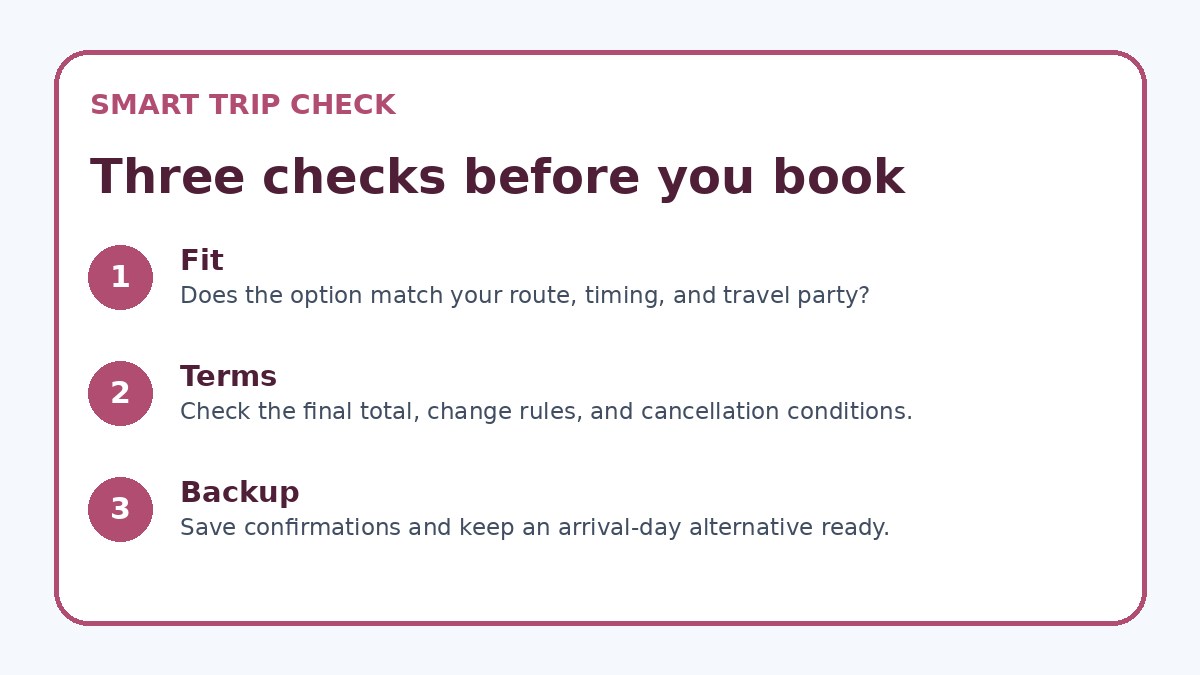
Ask clear questions before booking: is the pool heated year-round, are lifeguard hours posted on adjacent beaches, and what noise-mitigation measures exist if infants nap midday? Read the property’s cancellation and change policy on the final booking page and verify any deposit or incidental hold practices. If you need connecting rooms or an accessible unit, request these explicitly and get the hotel’s confirmation number for the request. These small checks reduce day-one surprises and make shoulder-season calm translate into a genuinely smoother family stay.
Before you book
- Check school calendars and choose shoulder dates that minimize missed classroom time.
- Compare total travel time, connections, and baggage rules on each airline’s booking page before choosing flights.
- Request and get written confirmation for adjoining or cribs from the hotel, noting any fees or limited inventory.
- Verify cancellation and rebooking policies for tours and activities directly with providers prior to payment.
- Pack a compact travel first-aid kit and confirm local pharmacy locations near your accommodation.
- Plan at least two rainy-day activities and note their hours and reservation requirements.
Activities, weather risk, and flexible daily planning
Build an itinerary that mixes outdoor and indoor options and schedules high-energy activities for the morning when kids are freshest. During shoulder seasons, a morning snorkel or beach visit may offer clearer water and gentler crowds, while afternoons can be reserved for museum time, shopping, or a relaxed hotel pool hour. For every paid tour, verify cancellation and rebooking policies directly with the provider before booking; some small-boat operators reduce runs in off-peak weeks. Keep confirmations and local contact numbers easily accessible so you can pivot if weather or health issues require changes.
Prepare simple rainy-day backups tied to family interests: a marine or science center visit, a large indoor playground, a cultural performance with flexible entry, or a local library event. Also plan meals and snack stops around likely activity times so hangry kids don’t derail plans. If you rent a car, check child-seat laws and availability; if you rely on taxis or rideshares, confirm booster-seat options in advance. These steps maximize the shoulder-season benefit of fewer crowds while reducing the downside of unpredictable conditions.
Frequently asked questions
How much calmer are Honolulu beaches during shoulder seasons compared with peak summer?
Beach crowd levels typically fall during shoulder seasons compared with peak summer, which can make mornings and weekdays noticeably quieter for families. Keep in mind that crowd patterns vary by specific beach and local events; a small festival or school holiday can temporarily raise numbers. Use local webcams, community calendars, and property managers to check recent patterns for your chosen beach before booking. These checks help you pick a spot suited to children who need shallow water and easier supervision rather than relying on generalizations.
Should our family prioritize direct flights even if connections are cheaper?
Direct flights reduce connection stress and are often preferable with infants or long layovers, but they can be costlier or scheduled at inconvenient times for your children’s routines. If a connecting itinerary shortens overall travel time or aligns better with sleep schedules, it can be the better choice. Compare total journey time, potential delay exposure, and airline rebooking policies on the carrier’s booking page. If you choose a connection, allow generous layover time so transfers don’t become rushed with children and luggage.
What family amenities matter most when booking in a shoulder season?
In shoulder seasons, ensure basic family amenities are available because some services scale back outside peak times: confirm crib or rollaway availability, laundry access, kitchenette options, and pool hours. Also ask about grocery delivery or on-site markets if you plan simple self-catering. Verify noise policies, elevator/stroller access, and any seasonal maintenance that could affect pools or playgrounds. Always get any verbal assurances in writing on the booking confirmation or the hotel’s final page so you can follow up if arrangements change.
Final planning note
Planning Honolulu travel deals around shoulder seasons can give families a calmer, more flexible vacation rhythm—fewer crowds, better room choices, and easier daily pacing. The tradeoffs are weather variability and sometimes reduced service frequency, so prioritize flexible cancellation terms, confirm family-specific amenities directly, and pick flight schedules that preserve sleep and minimize connection stress. Use neighborhood priorities and indoor backups to shape an itinerary that tolerates a rainy afternoon without costlier last-minute changes. Before committing, verify flight baggage and rebooking rules as well as hotel room confirmations on the provider’s final booking page; if you want a quick comparison of current availability, you can optionally check a site like Trip.com, then finalize with the provider whose terms match your family’s needs.
Continue planning
Check current options and final conditions
Use the provider page to confirm live availability, the final total, cancellation terms, and every condition that matters to your trip.
This evergreen planning guide was created with AI-assisted drafting and a structured quality review. It does not display live prices, schedules, availability, visa guidance, or provider rankings. Verify current details before booking. Some links are affiliate links; we may earn a commission at no additional cost to you.