
Practical answer: before you click "book," add every predictable cost—flight or train fare, airport transfer, accommodation fees, city transport, a realistic daily spending estimate, and any optional tours or museum passes. For solo travelers in Prague, per-person pricing often looks cheaper on the surface, but extras (single supplements, luggage fees, or private transfers) change the math quickly. Start with your non-negotiables—dates, preferred neighborhood, and mobility needs—then gather the prices you'll actually pay, not just the headline fare. Use a single spreadsheet or note to compare full-trip totals for each option. After the sums, weigh convenience, flexibility, and cancellation terms: a slightly higher full cost can be worth it if it saves two long transfers or buys free cancellation.
See current options before you compare the details
Availability and final conditions change. Open Trip.com now or keep reading for the practical comparison.
Flights, trains and the full door-to-door cost
When comparing Prague travel deals, treat the fare as a starting point. Add checked-bag and carry-on policies, seat-selection charges, and any extra costs for services like preferred boarding. For train options, check if the ticket is refundable, whether seat reservations are required or recommended, and what local transfers connect you from the arrival station to your accommodation. Remember: a cheaper flight with a long overnight layover may not save money once you account for food, an airport hotel, or extra transit.
Don’t forget the first and last mile: an airport transfer, taxi, or shuttle can be materially more expensive than a tram or bus. Note if arrivals are at secondary airports farther from Prague’s center—those transfers should be priced into your comparison. If you value time over savings, include the value of saved hours in your decision. Where possible, check provider pages for baggage rules and refund/change terms and write down the exact fees so you compare like with like.
Accommodation: location, single supplements and hidden charges
For solo travelers, the headline room rate may hide single-occupancy surcharges, city taxes, or mandatory fees (cleaning, resort fees) applied at checkout. Always open the final booking step to see the total payable amount including taxes and mandatory surcharges. Compare neighborhoods: Prague’s Old Town and Lesser Quarter are convenient for first-time sightseeing but can carry higher nightly rates and more tourist-targeted eateries. Staying a tram or metro stop away can cut nightly costs but increase daily transit time and expenses.
Check what your room rate includes: breakfast, Wi‑Fi, or late check-in policies can change the overall value. If you plan to arrive late or leave early, confirm whether the property charges for late check-ins or provides luggage hold. Use recent guest reviews to verify that advertised amenities are actually available; when in doubt, message the property to confirm specifics and retain screenshots of those replies in case you need them during check-in.
| Approach | Best for | Tradeoff to check |
|---|---|---|
| Lowest upfront fare with strict rules | Travelers certain of their dates who prioritize cash savings | High cancellation/change cost and added extras can raise the real total if plans shift |
| Moderate fare with flexible options | Solo travelers who value changeability and low penalty risk | Higher sticker price, but may save money if schedule changes occur |
| Higher-priced, convenient choices | Those who want less transit time and more comfort | May cost more overall but reduces time lost to transfers and late arrivals |
| Pay-as-you-go budgeting | Flexible travelers open to local transport and spontaneous choices | Harder to predict totals; risk of surprise costs without careful tracking |
Ready to check the option that fits your plan?
Use your exact dates and traveler details so the provider page can show the current total and conditions.
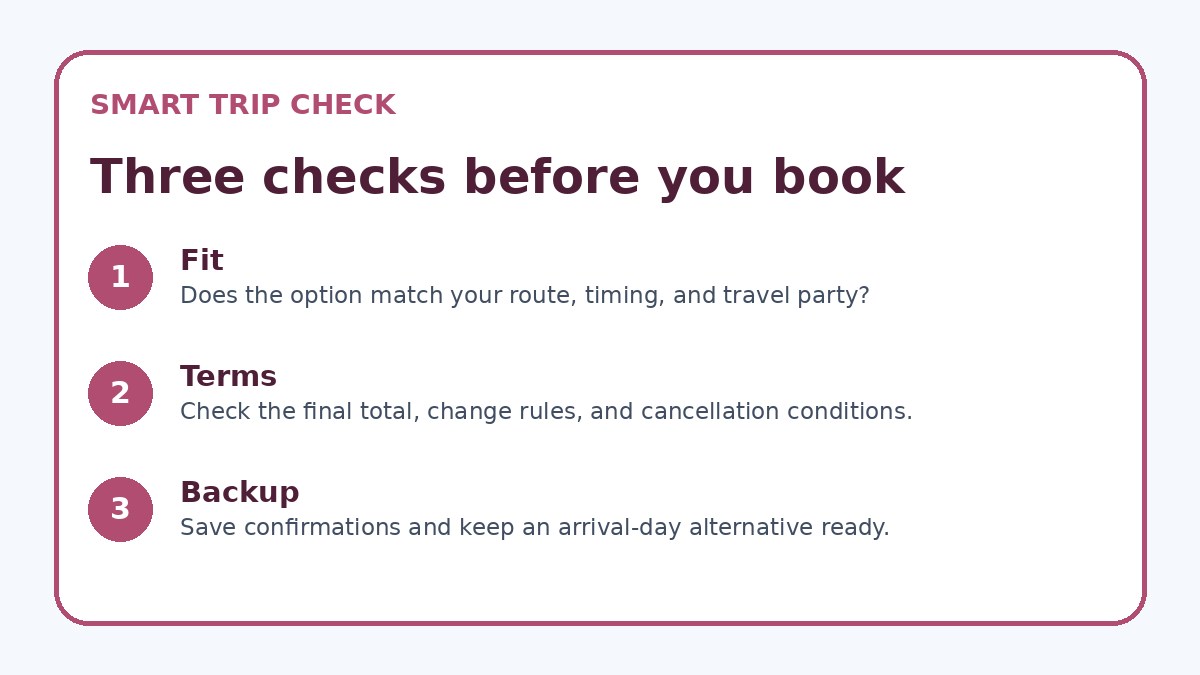
Daily spending: transit, attractions and realistic buffers
Estimate a daily budget that separates fixed and variable costs: fixed items include daily transit passes or an attraction pass, while variable costs cover meals, coffee, and incidental shopping. Prague has a compact historic core where walking reduces transit needs, but museums, concerts, or day trips (Kutná Hora, Karlštejn) add predictable costs. If you plan multiple paid attractions, calculate whether a transport-and-attraction pass or individual tickets is cheaper by listing the exact venues you’ll visit and their ticketing terms.
Create a conservative buffer—10–20% of your projected daily spend—to cover unexpected expenses like medical supplies, a missed connection, or a temp SIM card. Consider small recurring fees such as public restroom charges, cloakroom fees at museums, or coat checks at concert halls. For solo travelers, splitting taxis isn’t an option, so factor solo taxi fares into late-night or early-morning arrival plans.
Before you book
- Open the provider checkout page and note the total payable amount including taxes, mandatory fees, and single-room supplements.
- List baggage, seat selection, and change/cancellation fees for each flight or train option and add them to the headline fare.
- Map hotels against tram and metro stops, estimate daily transit costs, and include the cost of late arrivals or baggage storage.
- Itemize planned attractions and check whether a pass, single tickets, or timed-entry reservations are required and what each costs.
- Add a realistic daily allowance for food, coffee, small purchases, and a 10–20% contingency buffer for emergencies.
- Compare refund and insurance terms—note exact fee amounts and exclusions on the final booking pages before committing.
Cancellation, flexibility and the value of time
Cheap, non-refundable Prague travel deals may be tempting but assess the true risk. If your plans could change, compare the cost of a refundable fare or flexible hotel rate against the potential loss from a non-refundable booking. Some cards or travel insurance cover certain interruptions—read policy wording carefully and confirm what’s excluded. When comparing, write down exact change and cancellation fees from the provider’s final checkout page so you can compute worst-case costs.
Also consider convenience premiums. A more expensive nonstop flight or a centrally located apartment can reduce transit time, which might be worth the extra spend for a short solo trip. Make a conscious choice about where you draw the line between saving money and reducing friction—late arrivals, multiple transfers, or long night commutes can erode enjoyment and safety, especially when you’re traveling alone.
Frequently asked questions
How do I compare total costs for a flight with a long layover versus a higher priced direct option?
Make a door-to-door calculation: start with the headline fares, then add luggage and seat fees, arrival/departure transfer costs, and any hotel or meal costs caused by the layover. Convert lost time into a dollar value you’re willing to spend to save hours—this is subjective but helps. Also check change/cancellation rules: a cheaper flight with a strict no-change policy can be riskier. For both options, record the final total shown at checkout so you compare actual payable amounts rather than base fares.
What neighborhood choices save money for a solo traveler without adding too much transit time?
Look for neighborhoods a short tram or metro ride from the city center, such as residential districts that are one or two stops away from main attractions. These often have lower nightly rates while keeping transit time reasonable. Before booking, map the property to the nearest tram or metro stop, note the typical transit time to your primary sightseeing area, and learn whether late-night transport is available. Also factor in whether you’ll arrive late—farther neighborhoods can mean costly late taxis.
Should I buy a Prague transport pass or pay per ride when planning costs?
Choose based on your planned activity density: add up individual single fares for each planned journey and compare that total to the price of the most relevant pass. If you expect multiple rides per day, a short-term tourist pass may be more economical and convenient. Confirm on the transport provider’s site whether the pass covers trams, buses, and metro and whether transfer rules apply. Always write down exact activation rules and refund policies from the provider’s checkout information before you rely on the pass.
Final planning note
For solo travelers, the difference between an appealing headline rate and the real total can be significant. Assemble a full-trip tally that includes flights or trains, first-and-last-mile transfers, accommodation taxes and supplements, daily transport and attraction costs, and a buffer for surprises. Compare the summed totals alongside refund flexibility and the time cost of transfers. That combination—money, time, and risk—should guide your booking decision. If you want to double-check availability and current conditions, consider comparing options on providers including Trip.com, but always verify fees, baggage rules, and final totals on the seller’s checkout page before you pay.
Continue planning
Check current options and final conditions
Use the provider page to confirm live availability, the final total, cancellation terms, and every condition that matters to your trip.
This evergreen planning guide was created with AI-assisted drafting and a structured quality review. It does not display live prices, schedules, availability, visa guidance, or provider rankings. Verify current details before booking. Some links are affiliate links; we may earn a commission at no additional cost to you.