
Practical answer up front: for couples looking to stretch value without sacrificing atmosphere, target Los Angeles’s shoulder periods—late spring (after major spring break travel) and early fall (after summer peaks). Those windows generally offer milder weather, fewer crowds at major attractions, and more flexible hotel availability, which helps when comparing flight routing, neighborhoods, and experience-based extras like tours or shows. Decide first what type of trip you want—beach relaxation, food and nightlife, museum-hopping or day trips into nearby nature—and then choose a neighborhood with short transit to your priorities. When comparing deals, look at total cost (lodging + local transport + likely extras) and cancellation terms; verify final rates, baggage and seat policies, and any event-driven surcharges on the provider’s booking page.
Why shoulder seasons make sense for couples
Shoulder seasons compress many of the tradeoffs couples face. You often get pleasant weather that’s neither too hot nor too crowded, which makes outdoor dining and strolling neighborhoods more enjoyable. For couples who want a mix of relaxation and exploration—morning museum visits, afternoon beach time, evening theater—these windows reduce the time you’ll spend waiting in line or reserving months ahead.
Beyond comfort, shoulder travel simplifies decision-making about bookings. Restaurants and tours are less likely to be fully booked, giving you freedom to choose spontaneous evenings. Hotels tend to have more flexible room options and cancellation policies, so if you change plans you’re less likely to lose big deposits. Use this breathing room to plan a few special nights and leave other days open.
Where to stay: neighborhoods to match couple styles
Choose a base that aligns with your rhythm. For sunset walks and casual beach dates, neighborhoods along the coast let you wake to ocean views and skip long commutes to the water. If you prefer food, bars and late-night options, consider central neighborhoods with dense restaurant scenes and easy rides to theaters. For museum- or architecture-focused couples, neighborhoods close to major cultural campuses reduce intra-city travel time.
Think about nightly rhythms too: do you want quiet after dinner or lively streets to explore? Check proximity to transit and ride-share access because LA’s size means even short geographic distances can require time. When comparing hotels, prioritize room layout, noise insulation, and in-house dining so evenings feel comfortable and private after full days of sightseeing.
| Approach | Best for | Tradeoff to check |
|---|---|---|
| Book early for targeted dates | Couples with fixed schedules or specific events to attend | Locks in preferred rooms but reduces flexibility for last-minute changes or better off-peak rates |
| Wait and book within the shoulder window | Flexible couples who prioritize lower crowds and potential last-minute value | Risk of limited availability for popular hotels or shows you decide you want later |
| Choose nonrefundable rate for savings | Travelers confident in their dates looking for small upfront savings | Little to no flexibility if plans change; potential for losing the full amount |
| Pick a flexible rate with free cancellation | Couples who want adaptability and plan to finalize details closer to travel | Higher upfront cost but reduces stress and change fees if your plans shift |
How to compare Los Angeles travel deals
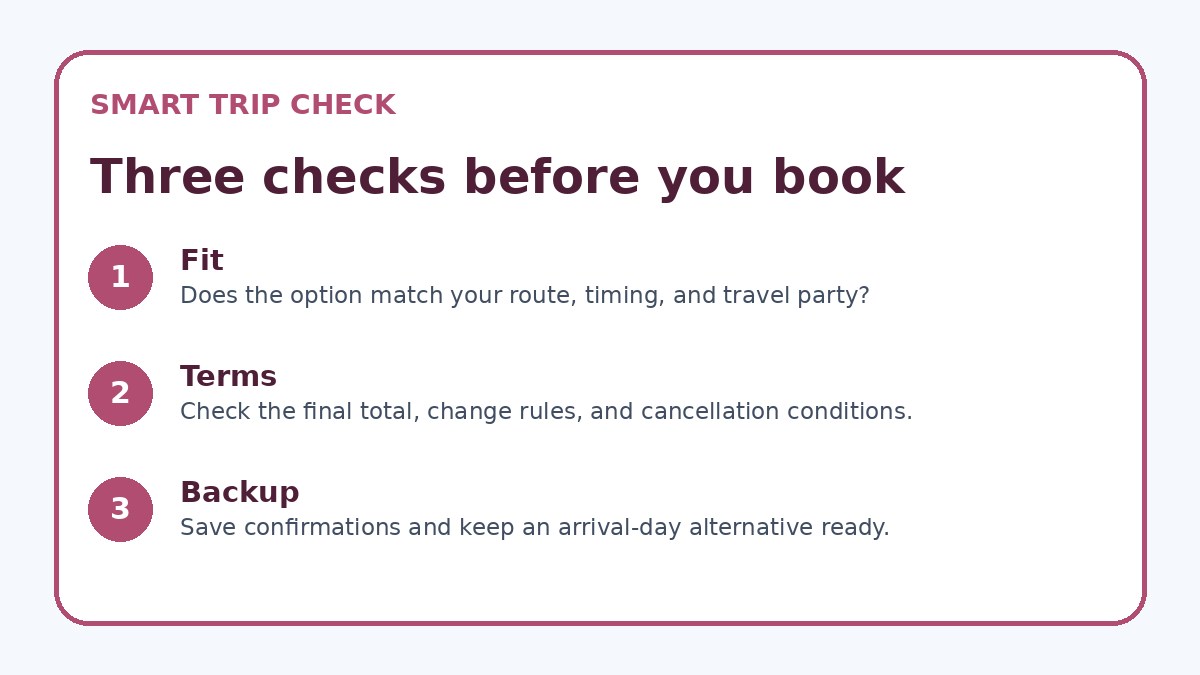
When comparing flight and hotel bundles, don’t focus on headline savings alone. Add up total trip costs including baggage fees, seat selection, local transport and potential event surcharges. Look at cancellation and change policies—flexibility can be more valuable than a small upfront discount. For flights, compare direct vs. connecting itineraries by total door-to-door time, connection risk, and how those factors affect the first and last days of a short trip.
For hotels, compare the effective nightly rate after taxes and mandatory fees, and verify what’s included such as breakfast or resort amenities. If a deal bundles tours or dining credits, calculate whether those match your interests. Use provider pages and confirmation details to verify final terms; Trip.com is one place to compare availability, but always confirm cancellation, refund, and package contents on the final booking page before paying.
Before you book
- Confirm the exact neighborhood you want to stay in and map 15–30 minute transit or ride-share commutes to your top three priorities.
- Compare at least three lodging options for the same dates and room type, checking final rates, taxes, and mandatory fees on each booking page.
- Verify flight itineraries by door-to-door travel time and total fees (baggage, seat selection), not just headline fare.
- Check local event calendars for conventions, sports, or festivals on your travel dates and adjust if you want lighter crowds.
- Read recent guest reviews for the specific room type you plan to book to confirm noise, cleanliness, and amenity availability.
- Confirm cancellation and change policies on the provider’s final booking page and consider travel insurance for nonrefundable components.
Tradeoffs, timing, and what to check before booking
Picking shoulder-season dates requires balancing weather and local events. A quiet weekend can be disrupted by a nearby convention, sports playoff, or festival—events that drive up hotel rates and change atmosphere. Check local event calendars for the dates you’re considering and avoid headline events if your goal is a lower-key visit. If you prefer a specific concert or show, plan around its schedule and accept higher demand.
Before clicking book, verify the provider’s final price breakdown including taxes and fees, cancellation rules, and any optional add-ons such as parking or resort fees. Confirm transport options from the airport to your chosen neighborhood and whether early check-in or late checkout matters for your flight times. Finally, read recent guest reviews for the exact room type you’ll book to confirm noise levels, cleanliness, and whether advertised amenities are operating.
Frequently asked questions
What months count as shoulder seasons in Los Angeles for couples planning a trip?
Shoulder periods are typically the weeks after peak spring break and the period after summer tourism eases but before late fall holidays. These windows often fall in late spring and early fall; exact timing varies year to year. Use historical weather and tourism trend information to pick dates that fit your tolerance for heat and crowds. Also check event calendars—local festivals or conventions can temporarily make a shoulder weekend feel like peak season.
How can couples balance beach time with cultural outings when choosing where to stay?
Decide which activities are nonnegotiable—morning beach walks, evening theater, or museum days—and pick a base with efficient access to those priorities. Staying on the coast shortens beach strolls but can add commute time to downtown cultural sites; conversely, central neighborhoods cut museum transit but lengthen beach trips. Factor in ride-share availability and traffic during your typical travel times; sometimes a compromise neighborhood reduces overall transit time and keeps more of your day for activities together.
Are package deals worth it for couples traveling during shoulder seasons?
Packages can simplify logistics by bundling flights, hotels and sometimes extras, and they may offer convenience if you value a single booking flow. Whether a package is worthwhile depends on what’s included and how well it matches your preferences. Compare the package total to separately sourced components, paying attention to cancellation terms and what exactly is guaranteed. Always verify final details on the provider’s page—baggage rules, seat options, and included hotel amenities—before accepting a bundled offer.
Final planning note
For couples, shoulder-season travel to Los Angeles can unlock a blend of easier logistics, gentler crowds, and enough warmth for outdoor romance without the intensity of summer. Start by choosing the neighborhood that suits your shared priorities, then compare flight and hotel deals by total cost and flexibility rather than headline savings. Check local event calendars, confirm fees and cancellation rules on booking pages, and keep at least one flexible night or activity to preserve spontaneity. With a targeted approach to dates and clear comparison criteria, you can create a memorable Los Angeles trip that balances value, atmosphere, and convenience.
Continue planning
Check current options and final conditions
Use the provider page to confirm live availability, the final total, cancellation terms, and every condition that matters to your trip.
This evergreen planning guide was created with AI-assisted drafting and a structured quality review. It does not display live prices, schedules, availability, visa guidance, or provider rankings. Verify current details before booking. Some links are affiliate links; we may earn a commission at no additional cost to you.